
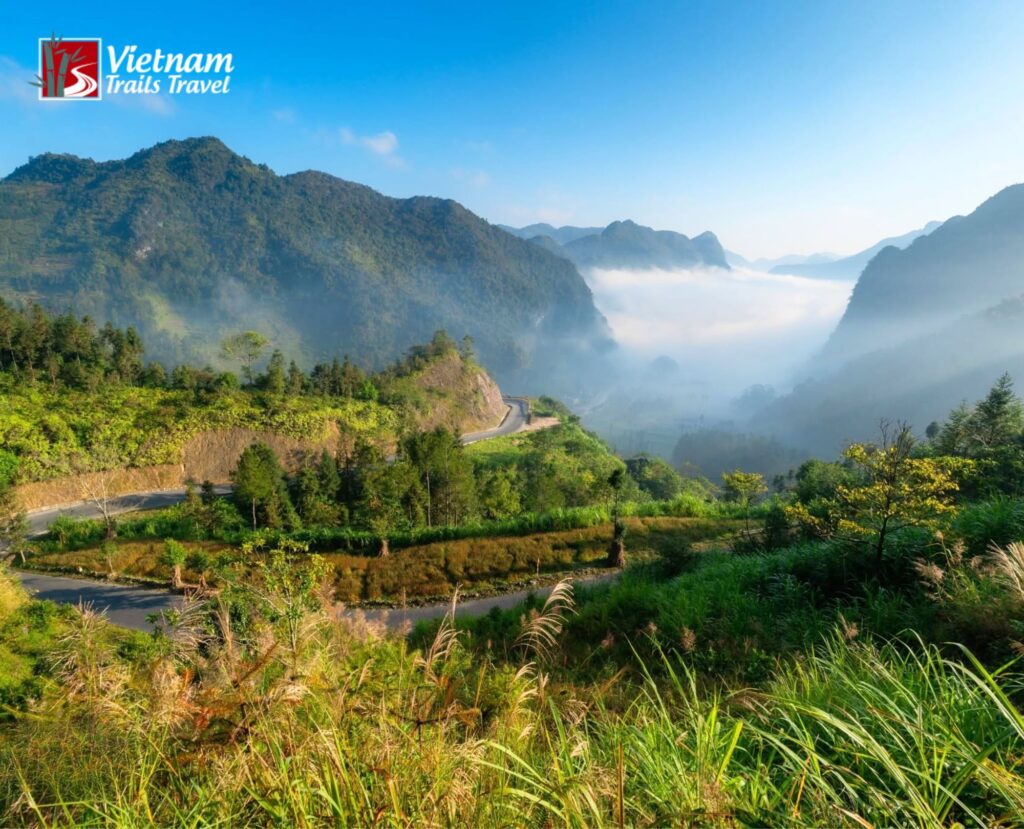
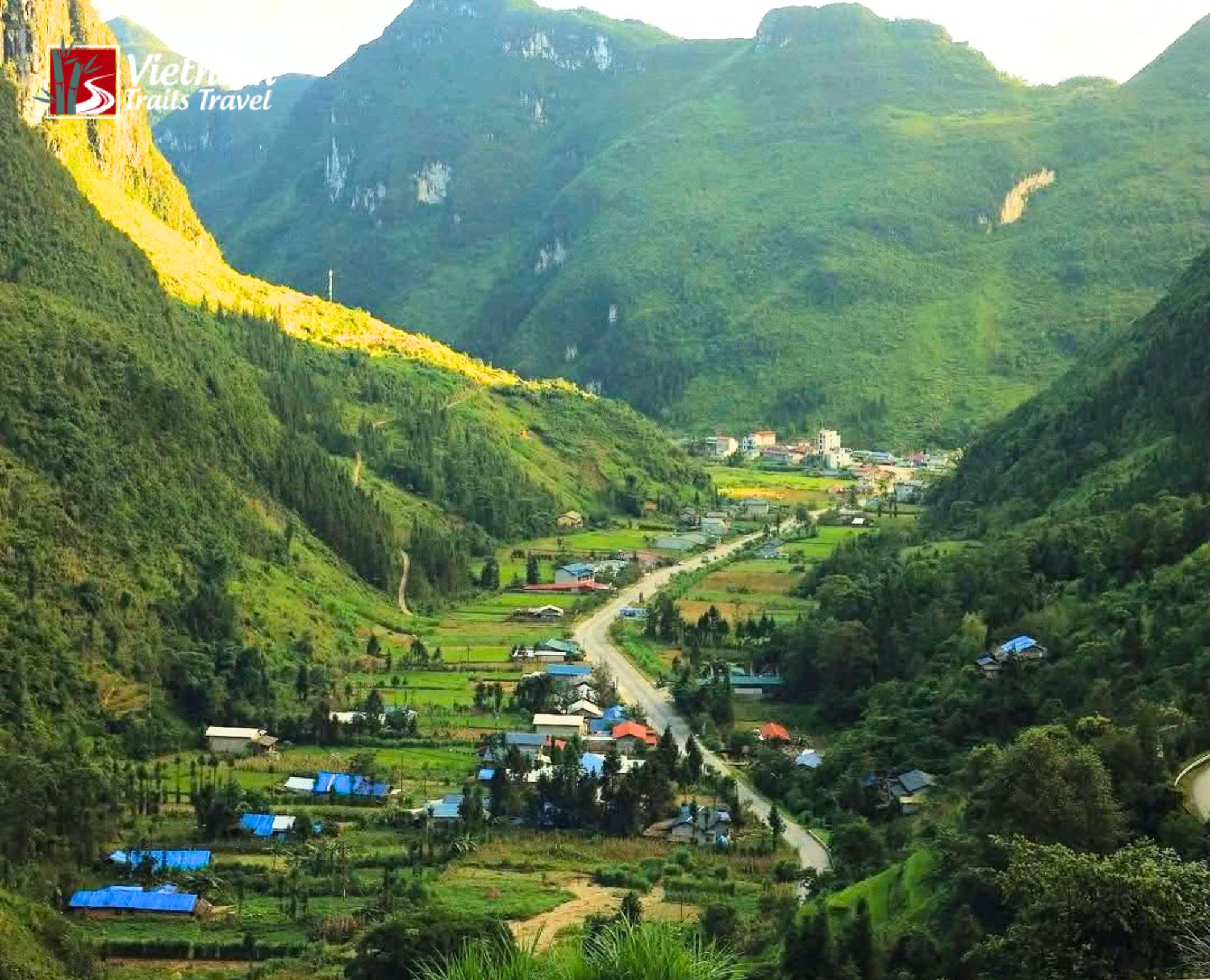
Sung La Valley is a farming basin on National Road 4C in the far north of Vietnam, about 120 km from Ha Giang city and roughly 20 km short of Dong Van. Most visitors stop here on the Ha Giang Loop to see buckwheat flowers between October and December, peach and plum blossoms from January to March, and Pao’s House, a Hmong family home that served as the set of an award-winning 2006 film.
A private car needs about three and a half hours from Ha Giang city with short stops, and 60 to 90 minutes on the ground covers the main sights, although an overnight homestay gives a far better sense of daily life.
This year the timing is especially good. The 12th Buckwheat Flower Festival opens on the evening of 25 October 2026 at Youth Square in Dong Van commune, and the provincial government has planted around 400 hectares of buckwheat in three rounds so that fields stay in flower from October until the end of December.
Several of those plots line the road through the basin and the cultural hamlet beside Pao’s House, which makes this autumn one of the easiest seasons in years to plan around.
The sections below explain where the basin sits after the 2025 administrative changes, which months suit which crops, what the weather does, how to get there from Hanoi, where to sleep, what to eat and what a visit costs. A sample four-day itinerary in section 7 shows how the stop fits into a wider loop by car or with an easy rider.
1. About Sung La Valley
1.1 A farming basin on National Road 4C
The basin lies on National Road 4C, the main road of the Ha Giang Loop, between the pine forests further south and the old town at the top of the karst country. From Ha Giang city, the distance is a little over 120 km.
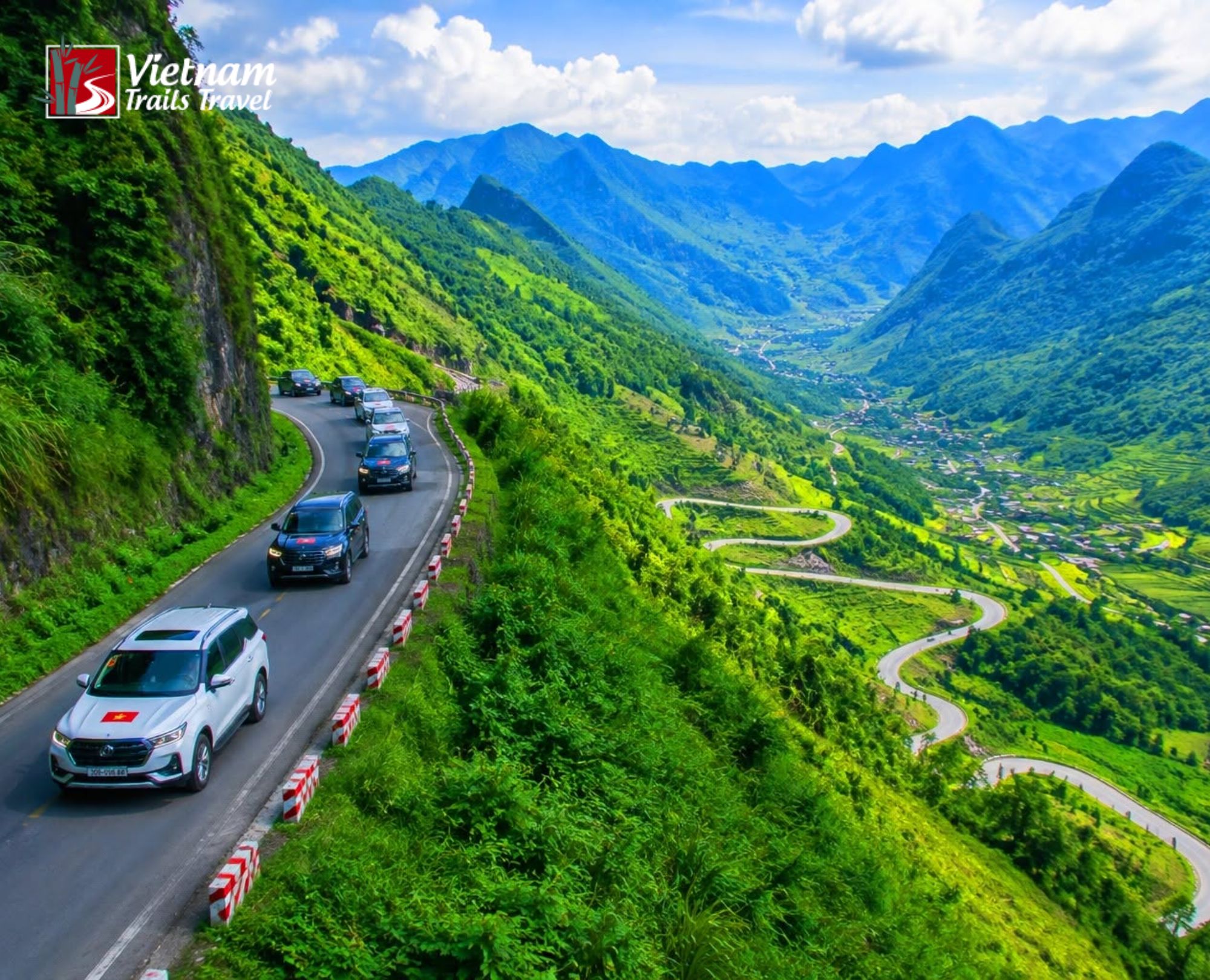
The last stretch climbs the Tham Ma slope, passes the Pho Cao junction and then drops onto a wide cultivated floor ringed by limestone cliffs. Riders coming the other way reach the turn-off roughly 20 km after leaving the old town, so the stop fits easily into either half of a loop.
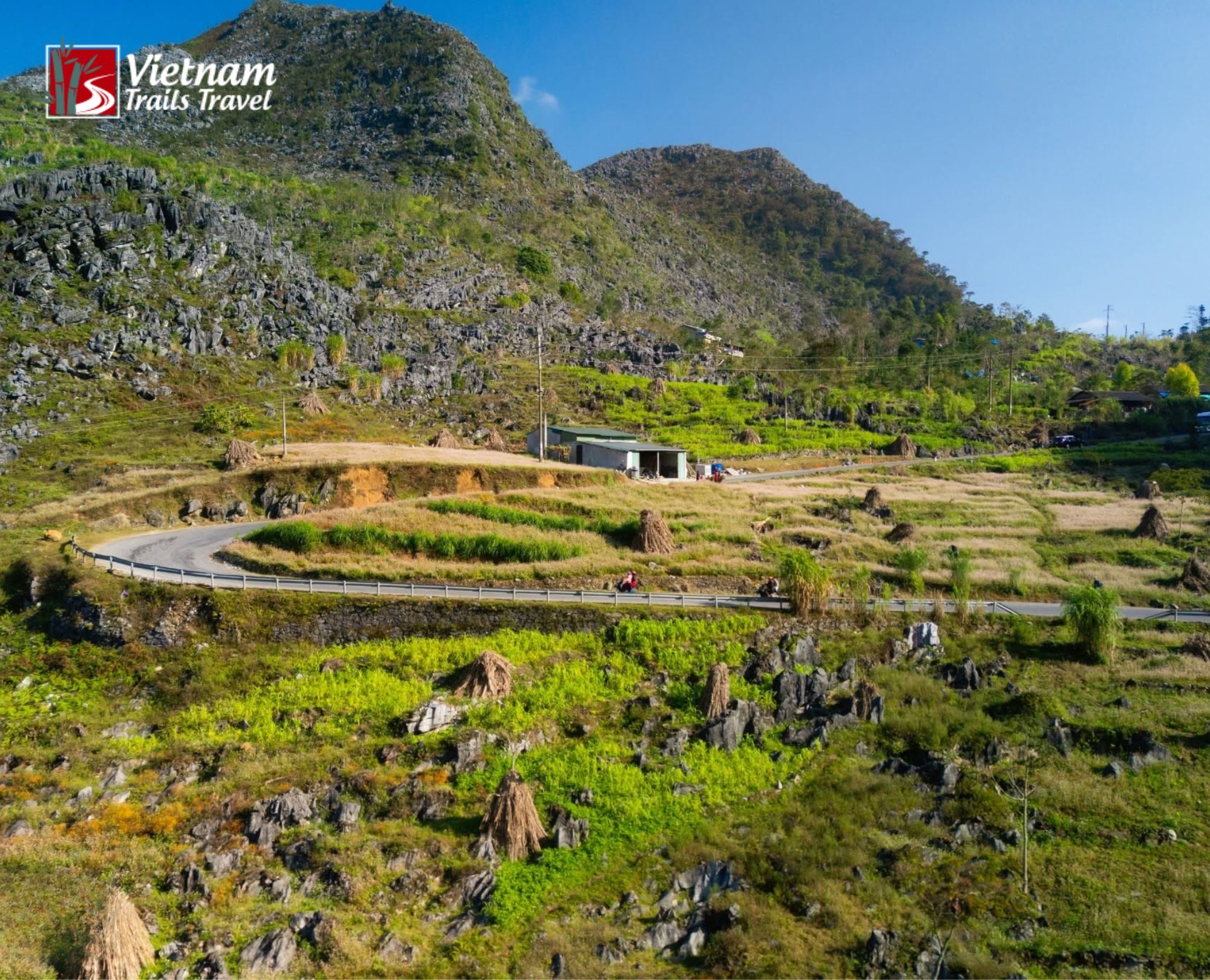
Landmarks are more useful than coordinates here. A cluster of rammed earth houses with grey yin-yang tile roofs, dry stone fences around every plot and a small paved lane signed for the cultural hamlet tell drivers they have arrived. From the main road to the hamlet gate is only a few hundred meters, which means coaches, cars and motorbikes can all reach Pao’s House without difficulty.
1.2 New province and new commune name
Anyone checking a recent map may notice unfamiliar names. On 1 July 2025, Ha Giang province merged with Tuyen Quang under the name Tuyen Quang province, and district-level government was abolished nationwide. In the same reform, the old commune that gave the basin its name was combined with Sinh Lung, Sang Tung and Sa Phin to form a new commune called Sa Phin.
Road signs, hotel addresses and guest registration forms may therefore show Sa Phin commune, Tuyen Quang province. Guides, drivers and guest houses still use the old name, and everyone still talks about the Ha Giang Loop.
Nothing practical has changed for visitors: the road, the homestays and the flower fields are exactly where they were, and many booking platforms still list properties under the old province name.
1.3 Why the basin looks the way it does
Geology explains the scenery. The commune lies inside the Dong Van Karst Plateau Global Geopark, recognized by UNESCO in 2010 and covering about 2,356 square kilometers of limestone peaks, sinkholes and narrow ridges.
Soil is scarce across most of the geopark, so a flat, fertile hollow surrounded by grey stone mountains is rare. Families here have farmed the floor for generations, with maize as the staple crop and buckwheat, mustard and vegetables rotated through the cooler months.
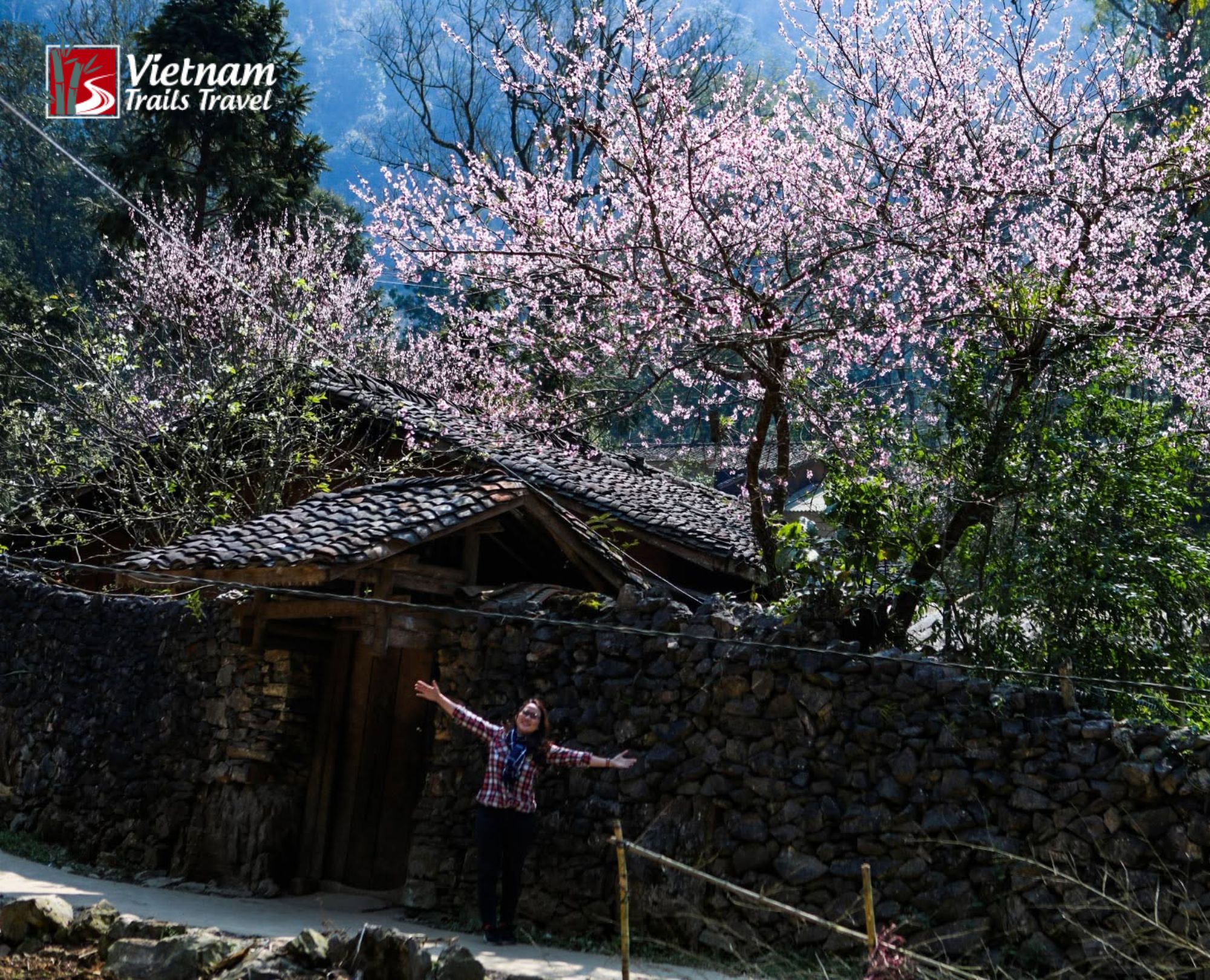
Postcards and wall calendars across the country often print green valley and mountain scenery. Sung La village in Ha Giang is known for: square fields, earth-walled houses and dry stone fences running right up to the foot of the cliffs. That mix of natural landforms and traditional farm architecture gives the area a charm that the bare, windswept passes elsewhere on the loop lack.
The population is small. The cultural hamlet beside the main road has a little over 60 households, mostly Hmong with some Han and Lo Lo families, and other hamlets are scattered across the surrounding slopes.
Read more: Meo Vac Sinkhole In Ha Giang: Location And Visit Guide
2. Pao’s House and the film hamlet
Pao’s House is the reason many people first hear about this corner of the north. It stands inside Lung Cam Cultural Village and was the main set for Pao’s Story (Chuyen cua Pao), a 2006 feature film directed by Ngo Quang Hai and adapted from writer Do Bich Thuy’s story about a Hmong girl growing up behind a stone fence. The film won the Golden Kite, the country’s top film award, and the house became a regular stop on tour itineraries soon afterwards.
The building follows a U-shaped plan around a courtyard paved with large flat stones. Thick rammed earth walls keep the rooms cool in summer and hold warmth in winter, while the upper floor stores maize and doubles as sleeping space. Records name the first owner as Mua Sua Pao, a platoon leader in the army of the Hmong king before 1945.
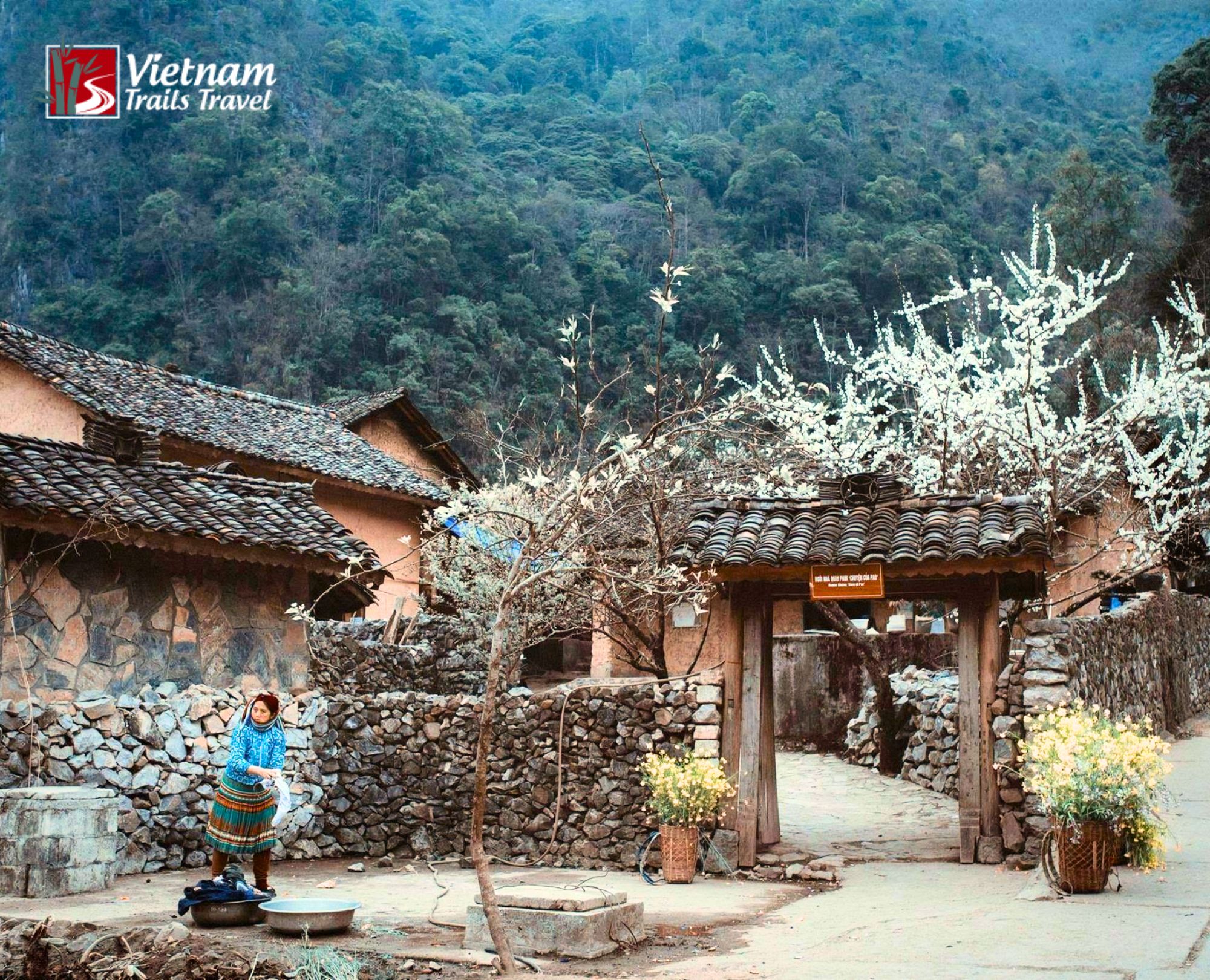
Wooden beds, a stone corn grinder, farm tools and a few film stills fill the interior. Entry has been free in recent seasons, although small fees of around 10,000 VND are sometimes collected at the hamlet gate in festival months. Weekday mornings before 09:00 are the quietest time, since by late morning in November the lanes fill with tour groups and wedding photographers.
For Vietnamese visitors, the attraction is partly emotional, because the film shaped an image of the rural home village for a whole generation of viewers. International guests tend to value it for a different reason: the house offers a unique chance to see a traditional Hmong home layout up close without intruding on a working household.
3. Best time to visit Sung La, month by month
No month is a bad choice, but each season changes the floor of the basin completely. Flower lovers do best between late October and mid-December or during the blossom weeks from late January to March. Guests who prefer fewer crowds and lower prices will find May, June and September easier.
| Months | In the fields | Conditions (approximate) |
|---|---|---|
| January to March | Peach and plum blossom, late mustard flowers | 3 to 15°C, cold mornings, mostly dry |
| April to May | Maize planting and young shoots | 12 to 24°C, mild days, first showers |
| June to September | Tall maize and vegetable plots | 18 to 28°C, afternoon rain, landslide risk on passes |
| October to December | Buckwheat flowers, mustard flowers from December | 6 to 20°C, clear skies, festival crowds in November |
3.1 Buckwheat season from October to December
The Sung La buckwheat flower season usually starts in mid-October and peaks in the first three weeks of November. Fresh flowers open white, turn pink after a few days and finish a deep purple-red, so a single field can show three colors at once. In 2026, the province has staggered planting in three rounds to stretch flowering until late December, which gives late-season visitors a fair chance of good fields.
Festival weeks bring the most activity and the highest demand for rooms. A Lo Lo cultural day on 23 October comes just before the opening night, and a rock show called Spirit of the Stone follows on 31 October, with folk games, craft demonstrations and buckwheat cake making running through the season. Photo fees of 10,000 VND to 20,000 VND per person are normal at private plots, and the money goes straight to the farming family.
3.2 Peach and plum blossom from January to March
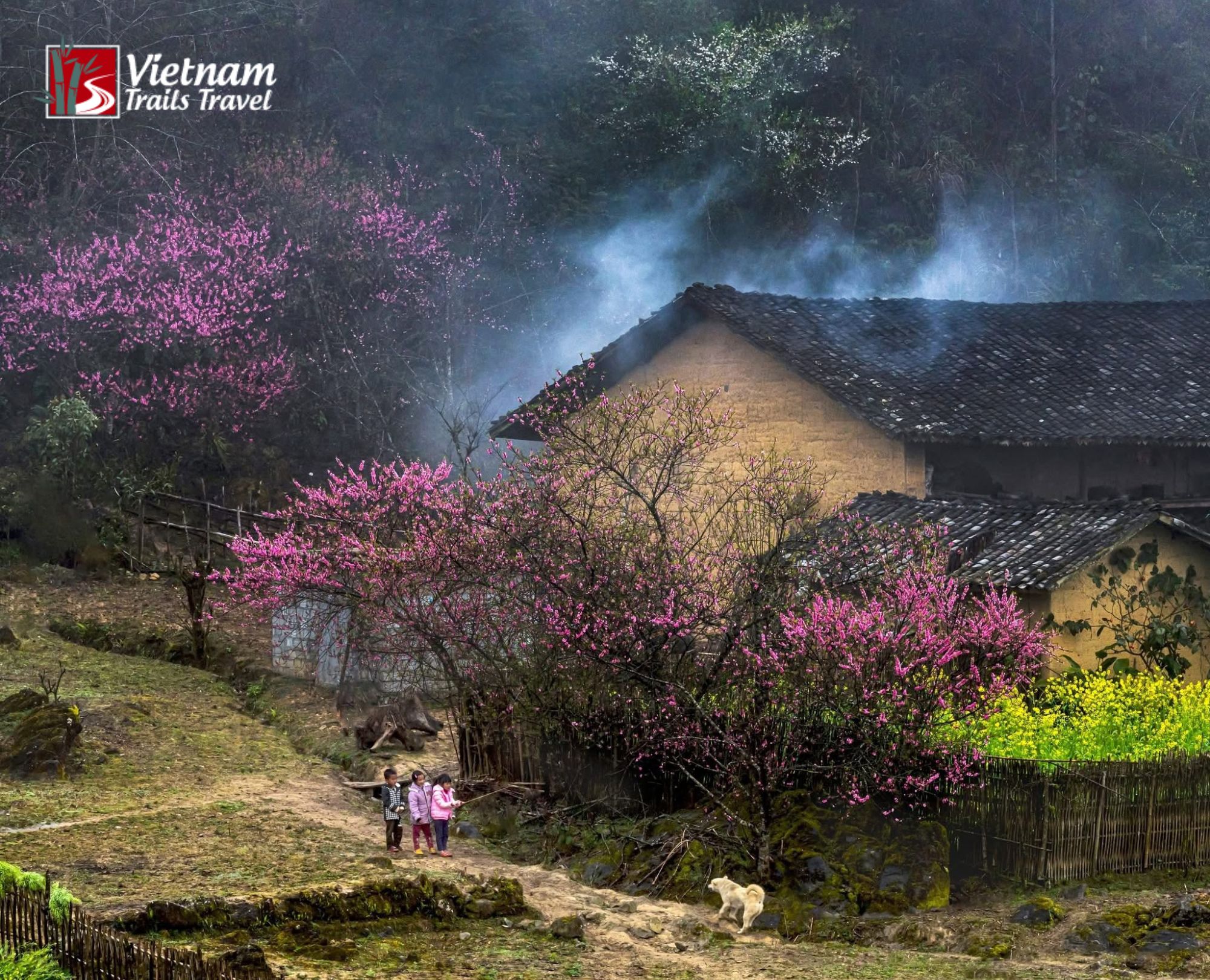
Sung La in spring is a softer picture. Wild peach and cultivated plum trees flower between late January and March, usually around Tet, the Lunar New Year, which falls on 6 February in 2027.
Pink and white blossom against grey stone walls and brown earth houses is the classic spring image, and a few plots of mustard flowers often linger until early February.
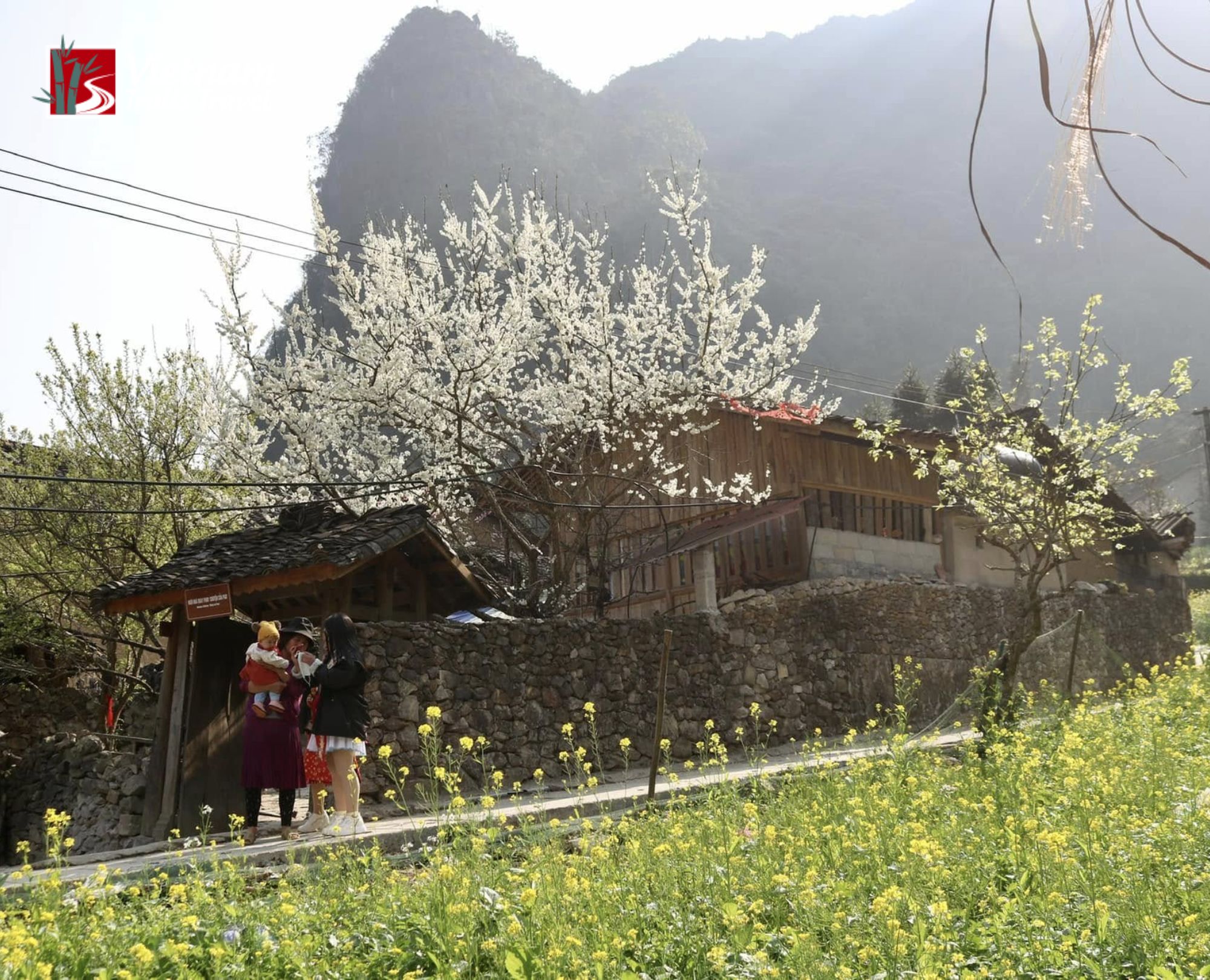
Tet week itself needs careful planning. Many family businesses close for three to five days, buses run on holiday timetables and homestays fill with domestic visitors, so booking two to three weeks ahead is sensible for the holiday period.
3.3 Green season from May to September
Summer covers the basin in tall maize. Midday temperatures often reach 25 to 28°C, and afternoon showers are frequent from June to August. Rain rarely blocks the road across the floor itself, but landslides can close sections of the passes for a few hours, so drivers usually build a buffer into the schedule. Lower homestay prices and quiet lanes are the reward.
3.4 Cold, clear winter days
December and January bring the lowest temperatures. Morning lows of 0 to 5°C are normal; frost sometimes whitens the fields and, in rare cold snaps, light snow has fallen on the highest peaks of the geopark. Skies are often clear once the morning fog lifts, which suits photographers who want long views of the cliffs without festival crowds.
Read more: Ha Giang Loop Adventure: A Complete Travel Guide 2026
4. Weather and packing for the far north
Sung La weather can change sharply within a single day. A November morning may start at 8°C with fog in the hollow, reach 20°C under clear sun by early afternoon and then drop quickly after 17:00. Wind on the open passes makes it feel several degrees colder, especially for motorbike passengers.
Layers work better than one heavy coat. A light down jacket or fleece is useful from November to February, a waterproof shell is essential from May to September, and gloves make a real difference on the back of a bike in winter. Sturdy walking shoes help on the stone-paved lanes, which turn slippery after rain.
Sun protection matters in every season, because UV levels in this area stay high even on cool days. Anyone prone to motion sickness should carry tablets: the road north includes dozens of hairpin bends, and the Tham Ma slope alone has a tight series of switchbacks. Small banknotes are worth carrying as well, since card payment is rare outside hotels and ATMs are concentrated in the larger towns.
5. How to get to Sung La Valley
Almost every trip starts in Hanoi and moves north in two stages: a long road transfer to Ha Giang city, then a slower mountain drive along National Road 4C.
5.1 Hanoi to Ha Giang city
Ha Giang city lies about 300 km north of Hanoi, and the drive takes six to seven hours by expressway and mountain road. Sleeper buses leave Hanoi in the morning and overnight, with fares typically between 200,000 VND and 500,000 VND depending on the cabin type. A private car with driver costs more but allows stops for lunch and photos, and it avoids the 03:00 or 04:00 arrival that comes with most night buses.
5.2 Ha Giang city to the basin
From the city, National Road 4C climbs north through Quan Ba, where the Heaven Gate viewpoint looks over the Twin Mountains, then continues through Yen Minh and up the Tham Ma slope to Pho Cao.
The full route to the basin is a little over 120 km and takes about three and a half hours by car with short stops, or most of a day for riders who pause often. The surface is paved all the way, though several bends are narrow and trucks share the same lanes.
Many itineraries split this section with a night at Nam Dam, a Dao hamlet near Quan Ba with earth-walled homestays, and return through the quieter Du Gia road on the last leg. Both options reduce daily driving time and leave more room for stops.
5.3 Private car, easy rider or self-ride
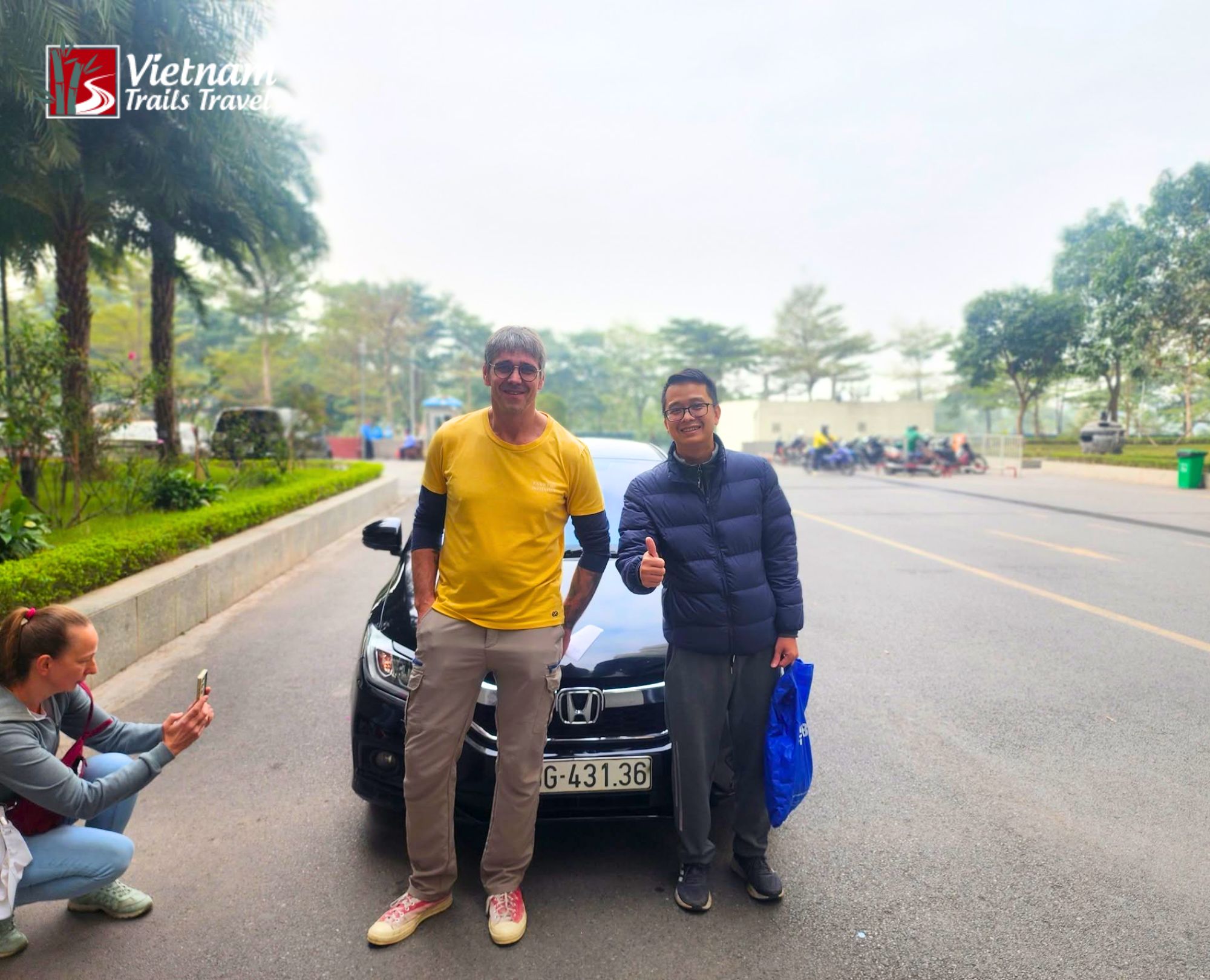
Three options cover almost every visitor. A private car with a local driver suits families, older guests and anyone visiting in winter or the rainy months, with vehicles ranging from 4-seat sedans to 16-seat vans, and the driver handles parking and guest registration.
An easy rider tour puts guests on the back of a motorbike behind a skilled local rider, which gives the open-air feel of the loop without the risk of handling the bends personally.
Solo riding suits seasoned motorcyclists who hold a licence valid in Vietnam, but hairpins, gravel patches and heavy trucks make it a poor choice for beginners. Insurance also deserves attention, because many standard travel insurance policies exclude motorbike accidents unless the rider holds a full motorcycle licence, so a quick check of the policy wording before departure is worthwhile.
Read more: Ha Giang Loop Tour 3 Days 3 Nights
6. Things to do in and around the basin
Things to do in Sung La go well beyond a quick photo stop. Two to three hours allow a relaxed walk, a visit to Pao’s House and time in the flower fields, and an overnight stay adds sunset, sunrise and a home-cooked dinner.
6.1 A slow walk through the hamlet lanes
A loop of the stone lanes takes 30 to 45 minutes at an easy pace. Maize hangs drying under the eaves, older women sit outside spinning hemp thread, and pigs and chickens wander between the fences.
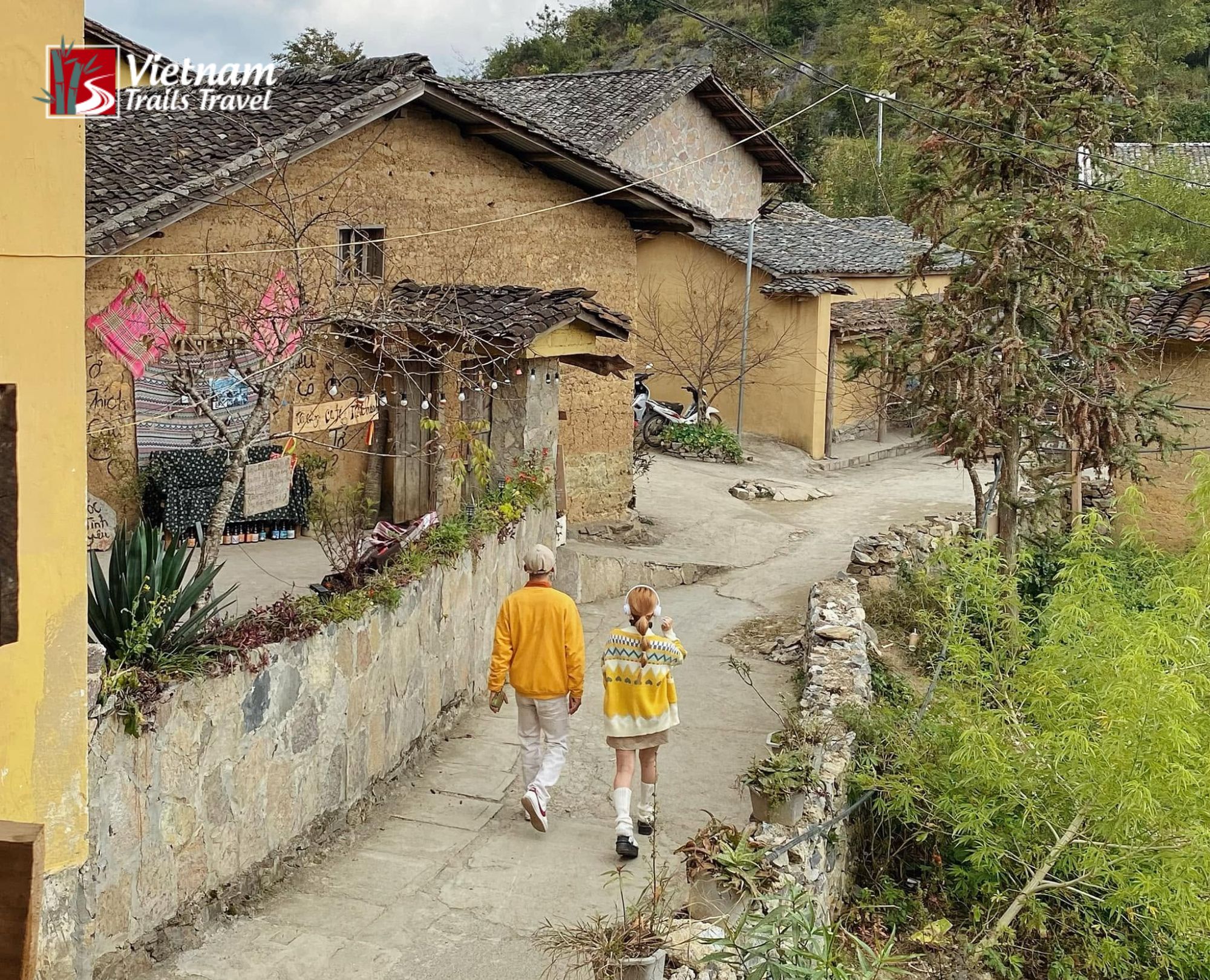
Late afternoon light falls across the earth walls at a low angle, so the hour before sunset is the best time to discover the lanes on foot. Small stalls near the gate sell buckwheat cakes, honey and hand-stitched bags, and buying a snack is an easy way to support local families.
6.2 Flower fields and the best light
The biggest buckwheat plots sit on the floor between the main road and the cultural hamlet, with smaller fields on the lower slopes. Early morning brings soft light and calm air, while midday sun flattens colors.
A short climb along the road toward the old town gives a high view over the whole hollow, which is the standard wide shot for photographers who want to explore beyond the flower plots.
Fields are working farmland. Visitors should pay the posted fee, stay on the marked edges, leave flowers unpicked and keep tripods off the crops. Drone flights near houses or over groups of people are best avoided, and some families ask that drones stay away altogether.
6.3 Vuong Palace in Sa Phin
Roughly 10 km further toward the old town, the Vuong Palace in Sa Phin was the residence of the Vuong family, Hmong leaders who dominated regional trade in the early 20th century.
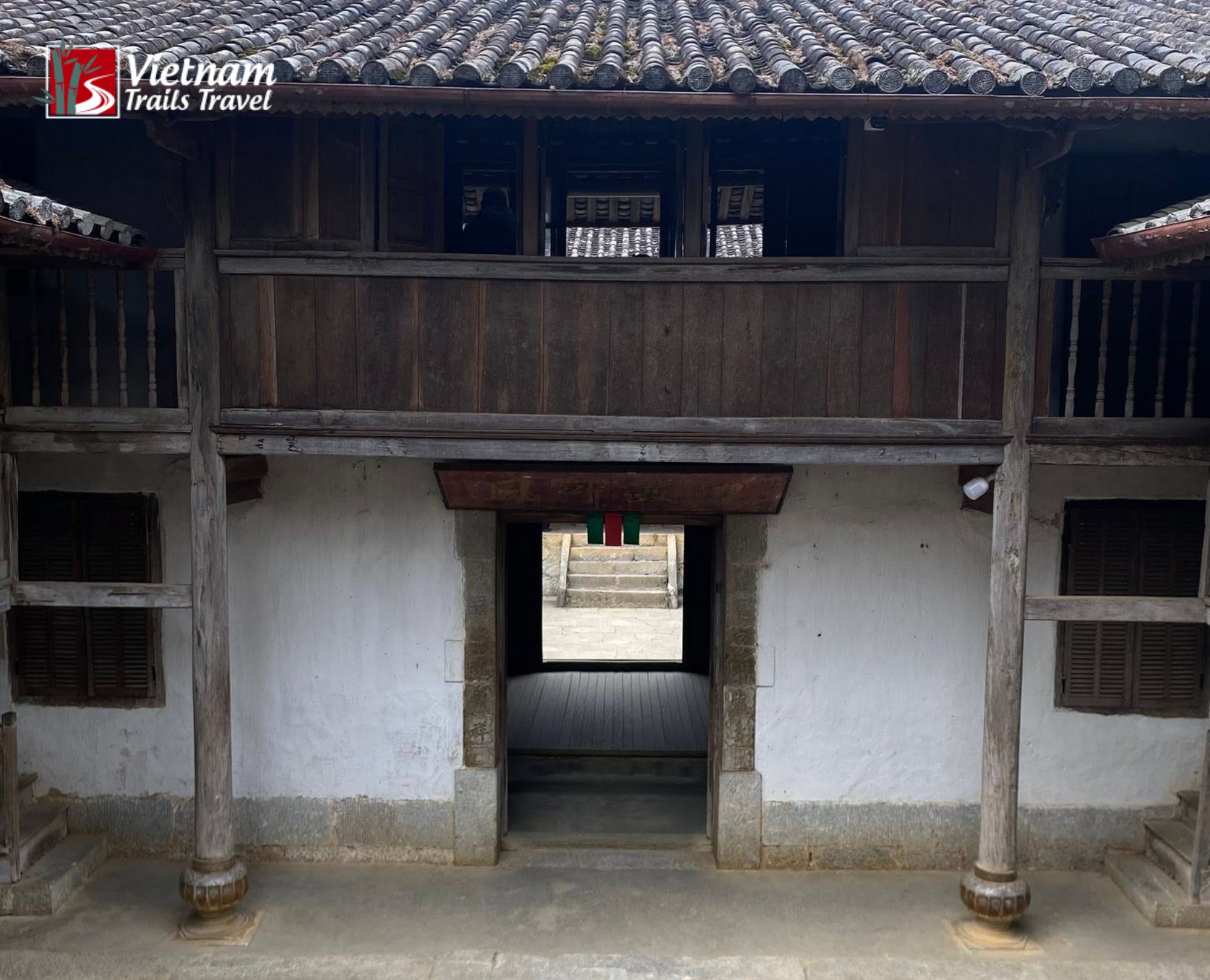
The compound was built between 1919 and 1928 from stone, hardwood and fired tiles, combining Hmong, Han and French influences around three linked courtyards. Tickets usually cost 20,000 VND to 30,000 VND, and 45 minutes is enough for most guests.
6.4 Side trips north and east
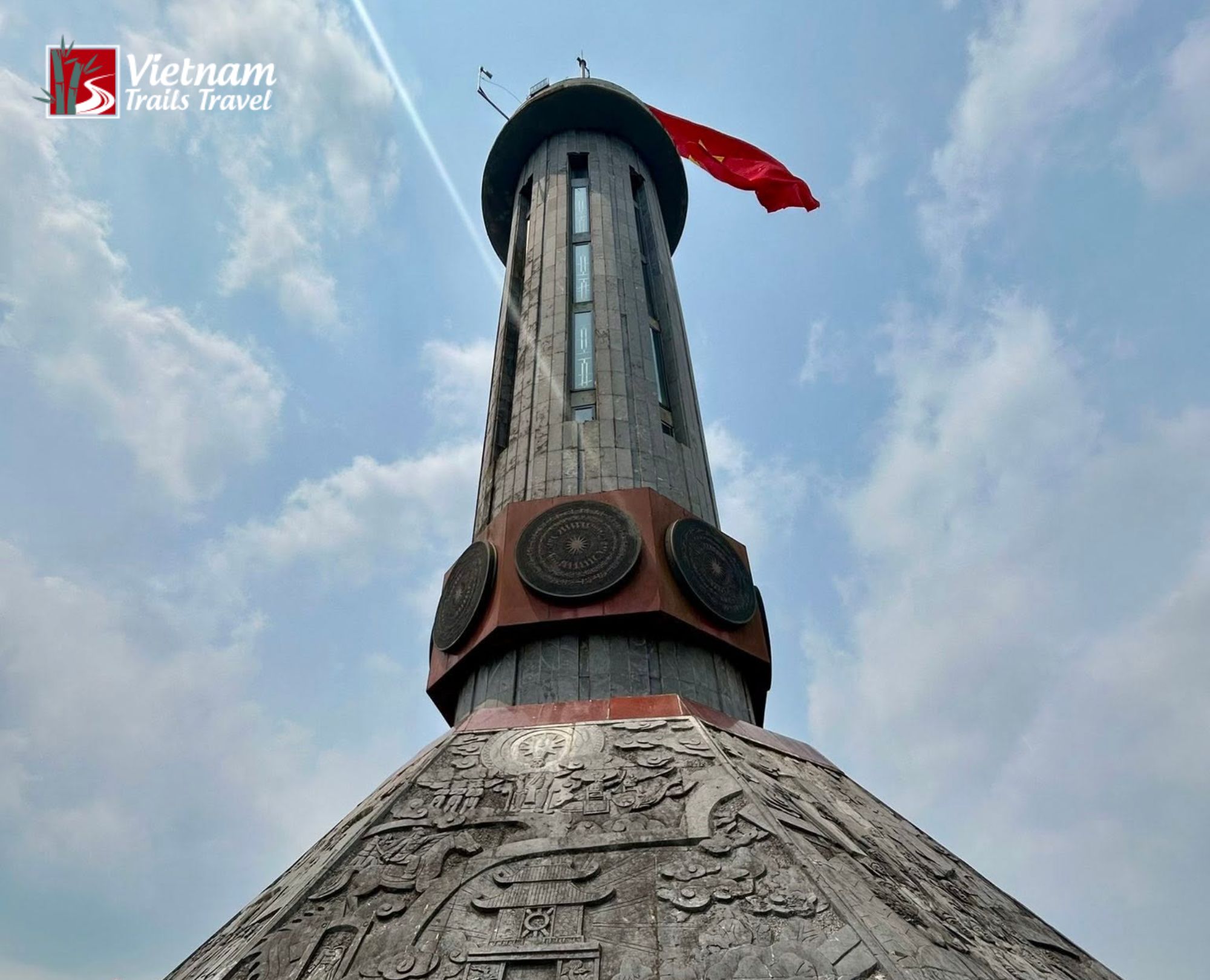
Lung Cu Flag Tower, near the northernmost point of the country, lies about 25 km north of the old town and draws crowds at sunrise. To the east, the Ma Pi Leng Pass runs for roughly 20 km between the old town and Meo Vac, high above the Nho Que River canyon and boat trips on the river below are a popular add-on. Both work best as part of an overnight stay in the old town rather than a rushed same-day return from the basin.
7. Adding the stop to a Ha Giang Loop itinerary
A four-day plan from Hanoi gives enough time to enjoy this destination without rushing. The schedule below works by private car or with an easy rider, and timings can shift by an hour either way depending on weather and traffic.
7.1 Day 1: Hanoi to Ha Giang city
Pick-up in Hanoi is usually at 07:00, which puts guests in Ha Giang city by around 14:00 after a lunch stop. The afternoon is free for checking in, collecting any rented gear and confirming the next day’s plan with the driver or rider. Dinner at a local restaurant and an early night set up the long day ahead.
7.2 Day 2: Quan Ba, Yen Minh and the flower basin
Departure at 07:30 allows time at the Heaven Gate viewpoint above Quan Ba by mid-morning. Lunch follows in the market town around 12:00, after which the road climbs the Tham Ma slope toward Pho Cao. Arrival in the basin at about 15:30 leaves two hours for Pao’s House and the fields before the light fades, and the night is spent in a homestay inside the hamlet.
7.3 Day 3: Vuong Palace, the flag tower and the great pass
Sunrise over the fields is worth an early alarm at 06:00, with breakfast at the homestay afterwards. A short drive brings guests to the Vuong Palace by 08:30, and the flag tower at the northern tip follows before lunch. In the afternoon, the road east climbs onto the canyon pass, with several viewpoints over the river, before descending to Meo Vac for the night.
7.4 Day 4: Return via the Du Gia road
An 08:00 start from the eastern town keeps the return leg relaxed. The way back follows the quieter road through Du Gia, with a riverside lunch stop in the early afternoon.
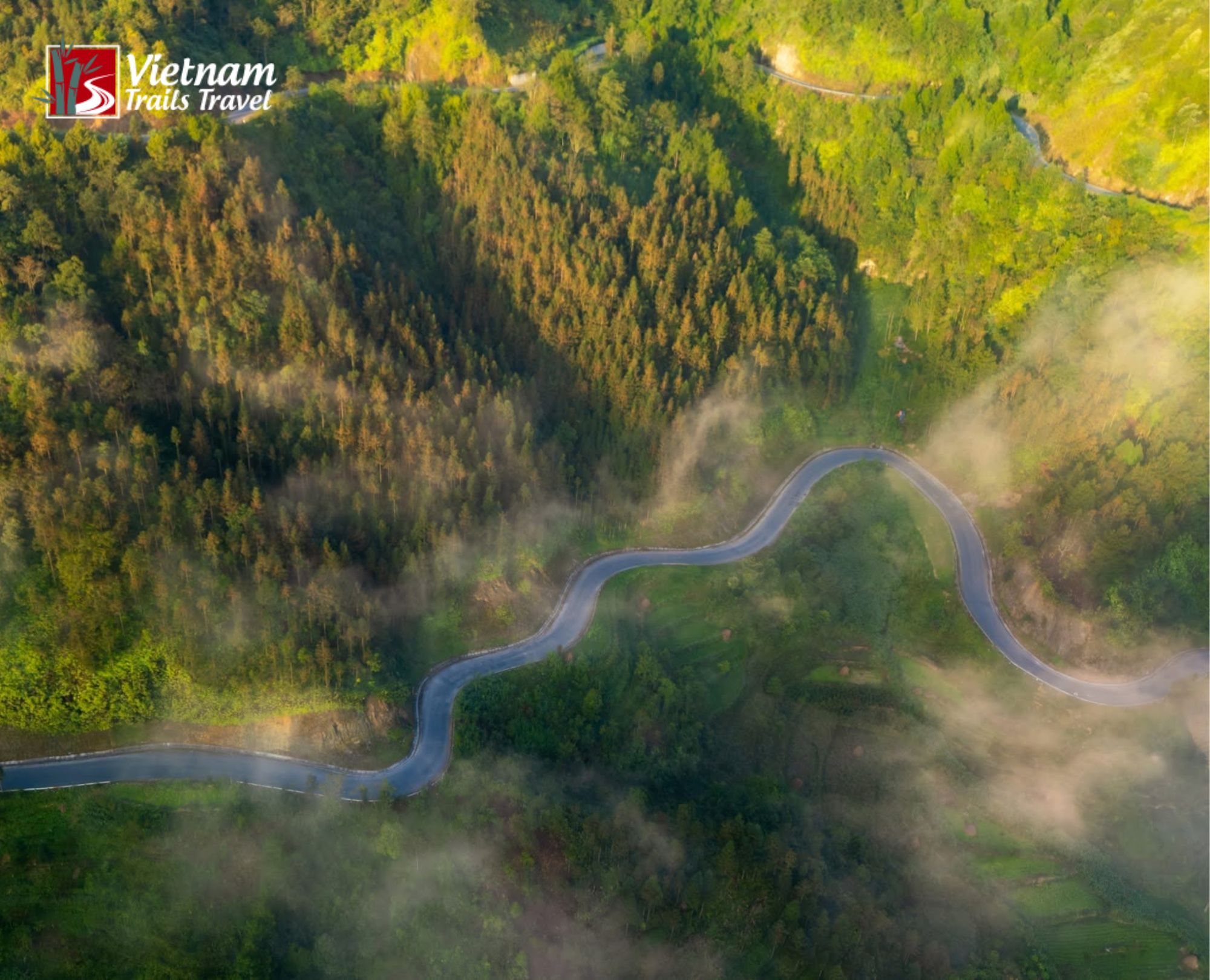
Ha Giang city comes into view around 16:00, leaving time for a shower and dinner. Guests then either take an evening sleeper bus or a private transfer back to Hanoi, or stay one more night and leave the next morning.
8. Where to stay and what to eat
8.1 Sung La homestay choices
Most beds are in family homestays inside the cultural hamlet or along the main road. Rooms are usually inside rammed earth houses, either mattresses on a raised wooden floor with mosquito nets or simple private doubles. Shared bathrooms with hot water are now standard at the better places, and many hosts serve a set dinner for guests.
Typical prices run from 150,000 VND to 300,000 VND per bed in a shared room and 400,000 VND to 800,000 VND for a private double, with higher rates during festival weeks.
Rooms in November sell out early, so booking two to four weeks ahead is wise. Guests who prefer hotels can stay in the old town about 20 km away and visit the basin as a half-day trip.
The main appeal is the peaceful evening after day visitors leave. Once the last coaches go, the hamlet is quiet enough to hear livestock and wind, and conversations with hosts over corn wine are often the most memorable part of the stay.
8.2 Local dishes worth ordering
Homestay dinners usually include smoked pork, stir-fried mustard leaves, boiled chicken, tofu and rice, with men men, a dish of steamed ground maize, served as the Hmong staple.
Buckwheat cake, flat and slightly sweet, is sold warm at roadside stalls in autumn. Thang co, a rich stew traditionally made with horse meat and offal, appears on market days and in town restaurants, and corn wine is offered at almost every table.
Ha Giang city adds au tau porridge, a thick rice porridge cooked for hours with a local root and pork leg, best eaten in the evening. Five-colour sticky rice is another favorite in the markets. Vegetarian meals are possible with notice, and most hosts adapt dishes when asked a day ahead.
9. Respectful visits in a Hmong community
A little care goes a long way here. Permission before photographing people is expected, especially older women and children, and a smile with a gesture toward the camera is usually enough to ask. Sweets or money handed to children encourage begging, so purchases from stalls and homestay fees are a better form of support.
Houses are private dwellings even when the doors are open. Guests should enter only when invited, avoid touching the household altar and keep voices low near the hearth.
Modest clothing is appreciated in the hamlet, and loud music or drone noise over farmland is unwelcome. Visitors who follow these simple habits will find people friendly, curious and happy to share their way of life.
10. Costs and practical details
| Item | Typical cost (VND) | Notes |
|---|---|---|
| Sleeper bus Hanoi to Ha Giang city | 200,000 to 500,000 | One way, by cabin type |
| Pao’s House entry | Free to 10,000 | Gate fee in some festival months |
| Flower field photo fee | 10,000 to 20,000 | Per person, per plot |
| Vuong Palace ticket | 20,000 to 30,000 | Per person |
| Homestay bed, shared room | 150,000 to 300,000 | Higher in November |
| Homestay private double | 400,000 to 800,000 | Per room |
| Homestay set dinner | 100,000 to 150,000 | Per person |
Mobile coverage along National Road 4C is generally good, and local SIM cards with data are cheap in Hanoi. ATMs are available in the larger towns on the loop but not in the hamlet, so enough cash for two or three days is a sensible buffer. All prices above are approximate for 2026 and may rise during festival weeks.
11. Frequently asked questions
11.1 Is the basin worth a stop outside flower season?
Yes. Pao’s House, the stone lanes and the farm architecture are there all year, and the maize season from May to September brings its own green look. The difference is mainly in crowd levels and prices, which are lower outside the flower weeks.
11.2 How long should a visit last?
A short stop of 60 to 90 minutes covers Pao’s House and a walk through one field. Half a day allows a relaxed pace, while an overnight homestay gives sunset, sunrise and an evening with a local family.
11.3 Is a motorbike necessary?
No. Private cars and vans reach the hamlet gate easily, and many guests combine a car for comfort with a short easy rider section for the experience of the open road.
11.4 Is the trip suitable for children and older guests?
It is, provided the pacing is sensible. A drive split over several days, a private car and a homestay with private rooms and hot water make the trip comfortable for families and older visitors.
12. Planning the trip with Vietnam Trails Travels
Our team arranges private cars with drivers who know every bend of National Road 4C, together with easy rider tours, homestay bookings and English-speaking guides.
Each itinerary is built around the guest’s dates and pace, so the basin can be timed for buckwheat flowers, spring blossom or a quieter month. Pick-up from hotels in Hanoi and one contact person for the whole trip keep logistics simple from the first message to the drive home.
For up-to-date information on festival dates, road conditions and homestay availability, a short message with travel dates, group size and preferred transport is enough to receive a tailored plan.
