
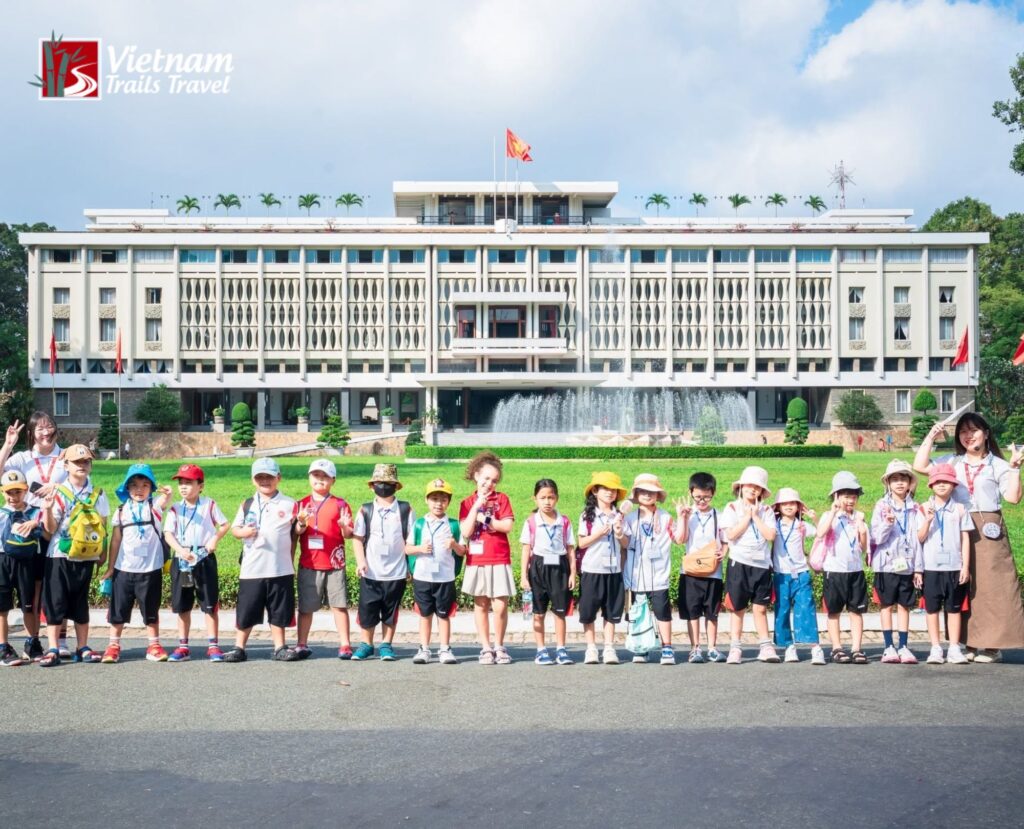
Independence Palace stands at 135 Nguyen Hue Boulevard, District 1, Ho Chi Minh City, Vietnam. This iconic structure served as the residence and workplace of South Vietnam’s presidents from 1966 to 1975. After the fall of Saigon on April 30, 1975, the palace was renamed Reunification Palace and later became known as Independence Palace in 1995.
Today, this historical landmark attracts thousands of international tourists annually who seek to understand its pivotal role in Vietnamese history and admire its distinctive modernist architecture designed by architect Ngo Viet Thu.
The palace remains one of the most visited attractions in Ho Chi Minh City, offering guided tours that reveal the complex history of the Vietnam War and the reunification of Vietnam.
1. What is Independence Palace?
Independence Palace, originally called Norodom Palace during the French colonial period, is a national historical monument in Ho Chi Minh city. The palace served multiple purposes throughout its existence. During French colonization, Norodom Palace hosted French administrators and colonial officials. After 1954, when France withdrew from Vietnam, the structure continued to function as a government building.
The transition from Norodom Palace to Independence Palace represents a crucial chapter in Vietnamese history. President Ngo Dinh Diem initiated the construction of a new presidential palace to replace the aging colonial structure.
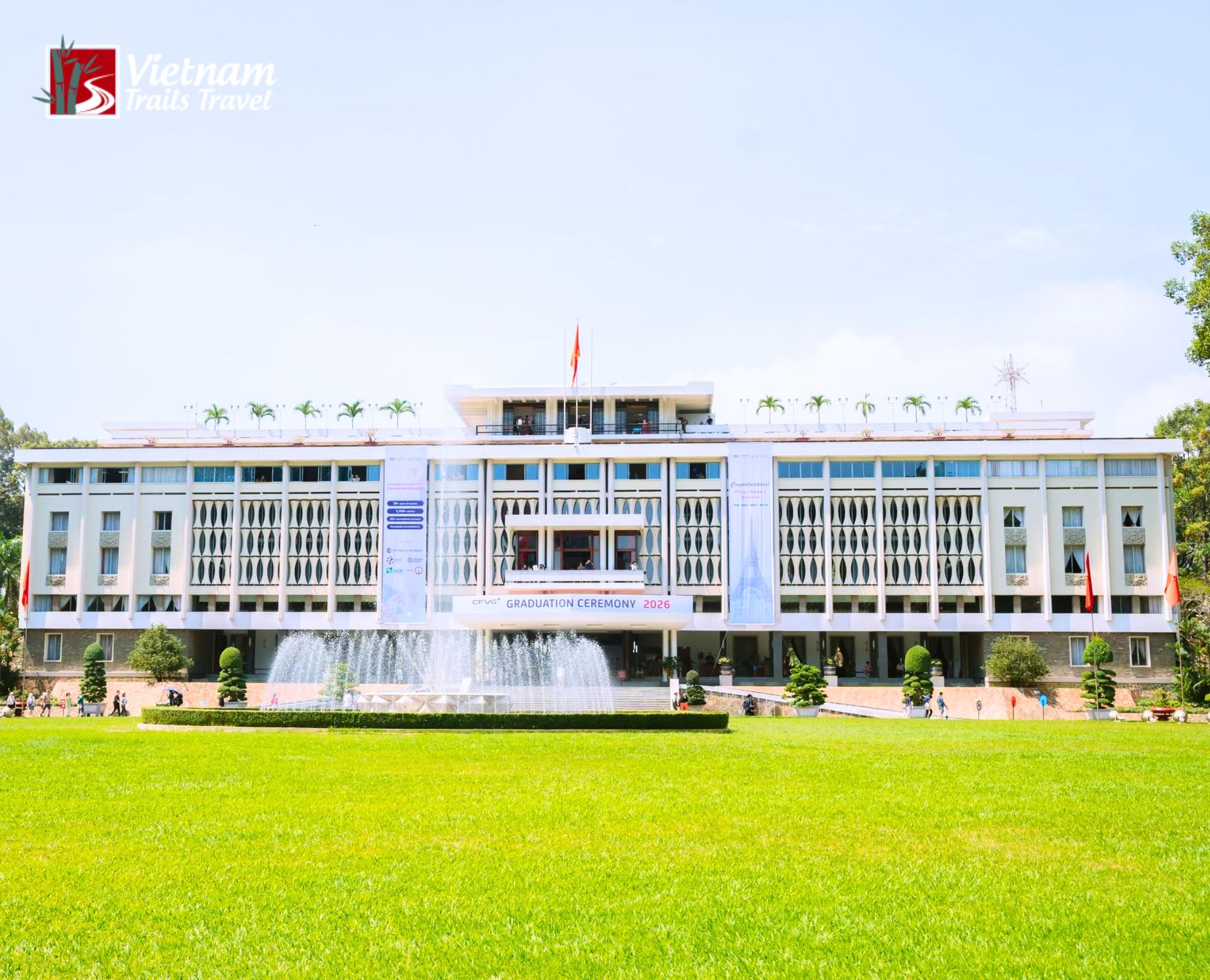
This new palace, designed by Vietnamese architect Ngo Viet Thu, was built between 1962 and 1966. The architectural style blended modernist principles with Vietnamese cultural elements, creating a unique building that symbolized the independence and sovereignty of the Republic of Vietnam.
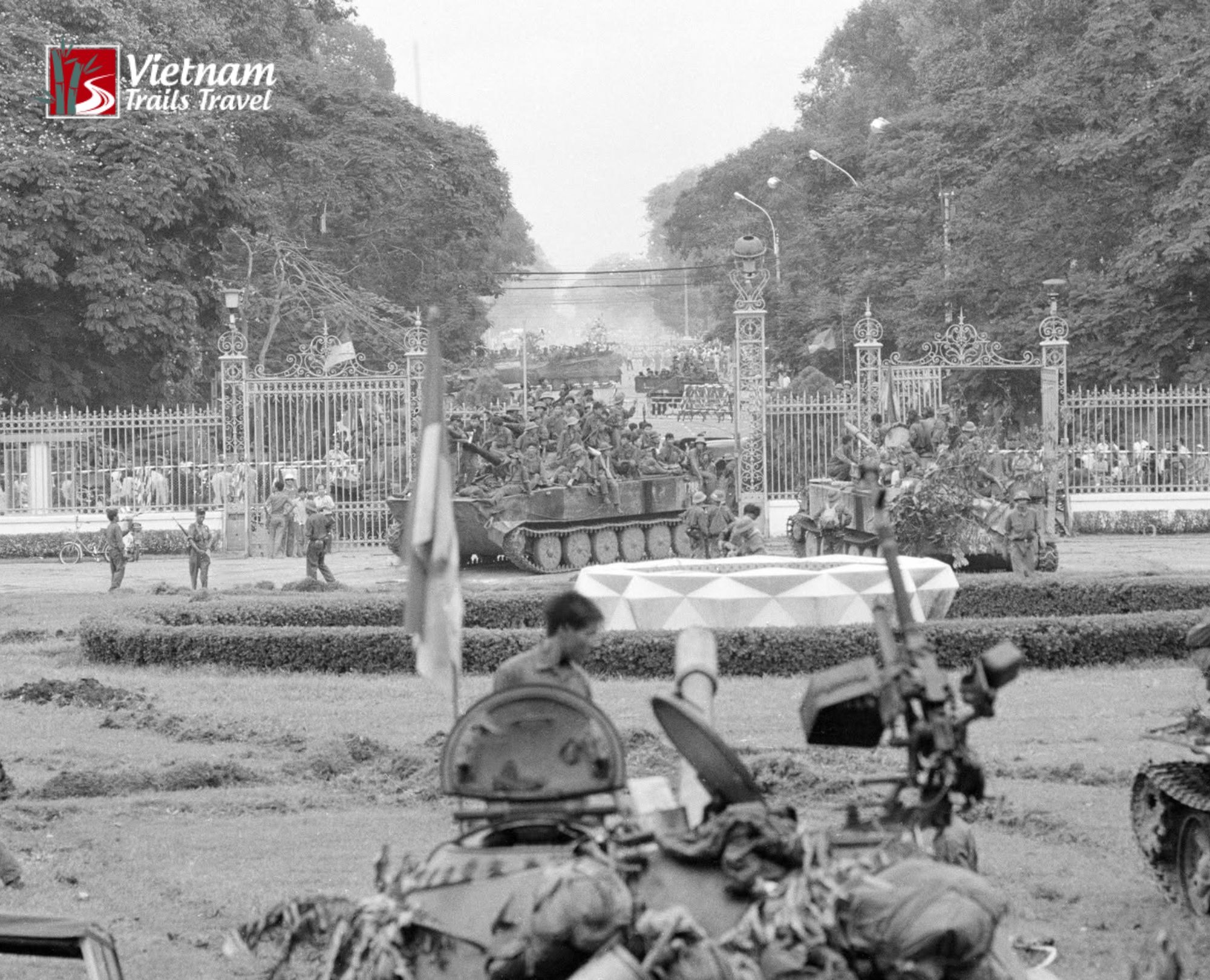
Reunification Palace became the official name after April 30, 1975, marking the end of the Vietnam War and the reunification of Vietnam. North Vietnamese tank units famously breached the main gate during the Ho Chi Minh Campaign, creating one of the most iconic photographs in 20th-century history. Later, the building was renamed Independence Palace in 1995, a title that emphasizes national independence and self-determination.
2. Architectural design and features
The architecture of Independence Palace reflects a sophisticated blend of contemporary design and Vietnamese cultural identity. Architect Ngo Viet Thu created a palace that stands as a testament to modernist principles while incorporating elements that resonate with Vietnamese aesthetic traditions. The structure features a distinctive cruciform layout when viewed from above, symbolizing stability and balance.
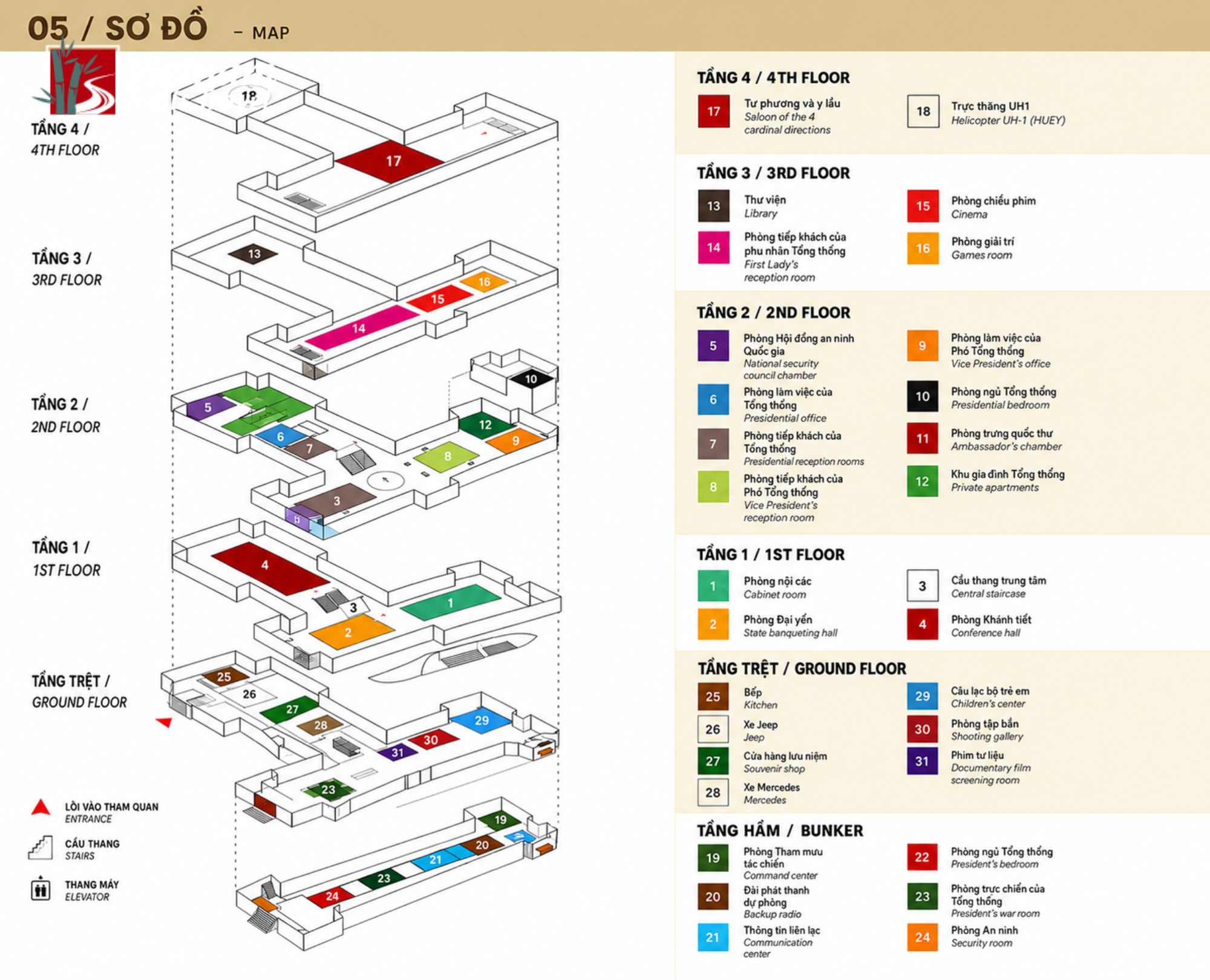
Standing at six stories tall, the palace contains over 100 rooms distributed across different functional areas. The building’s exterior showcases clean lines and geometric precision typical of 1960s modernist architecture.
Large windows provide natural light throughout the structure, a design choice that reflects both practical and symbolic considerations regarding transparency in governance.
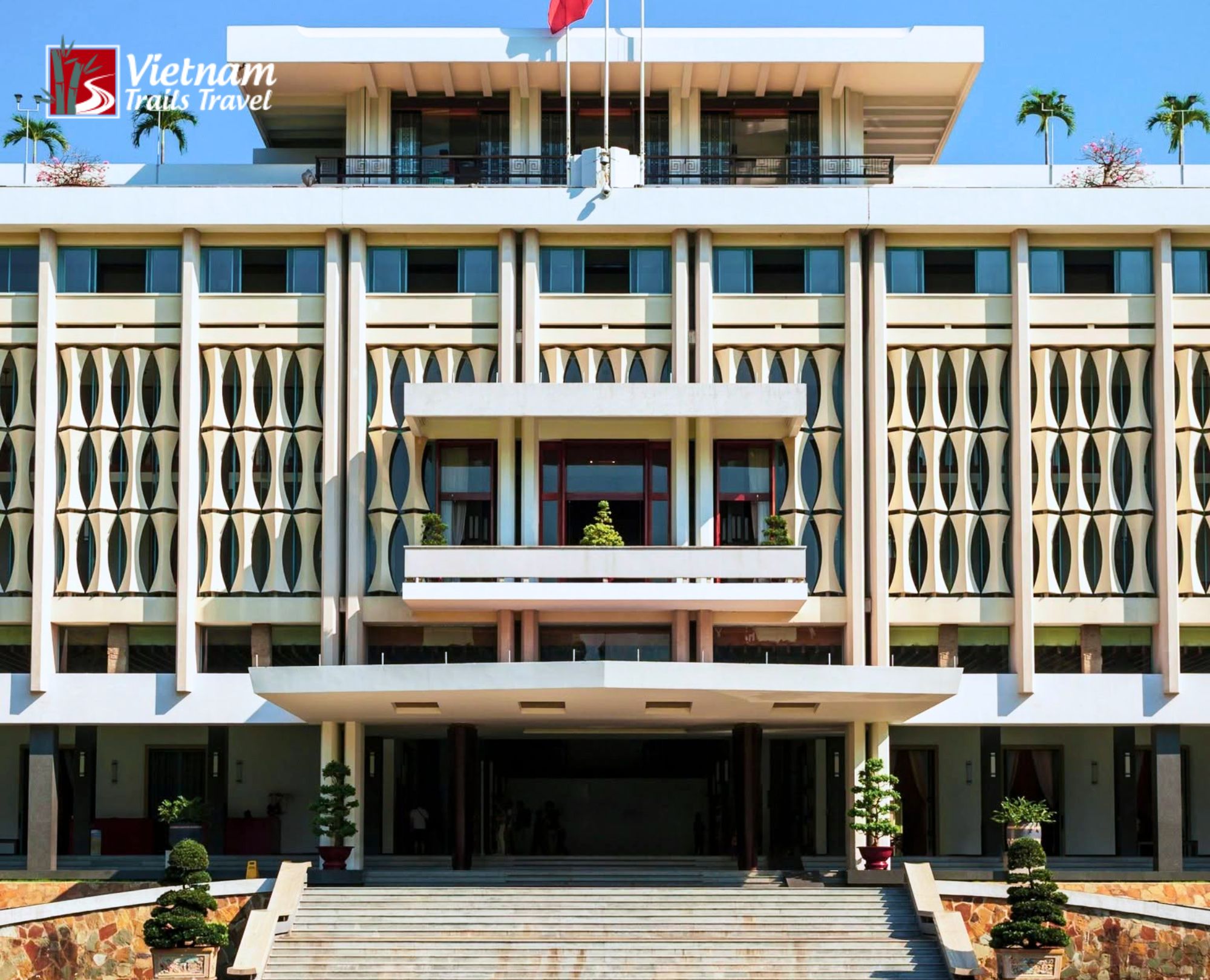
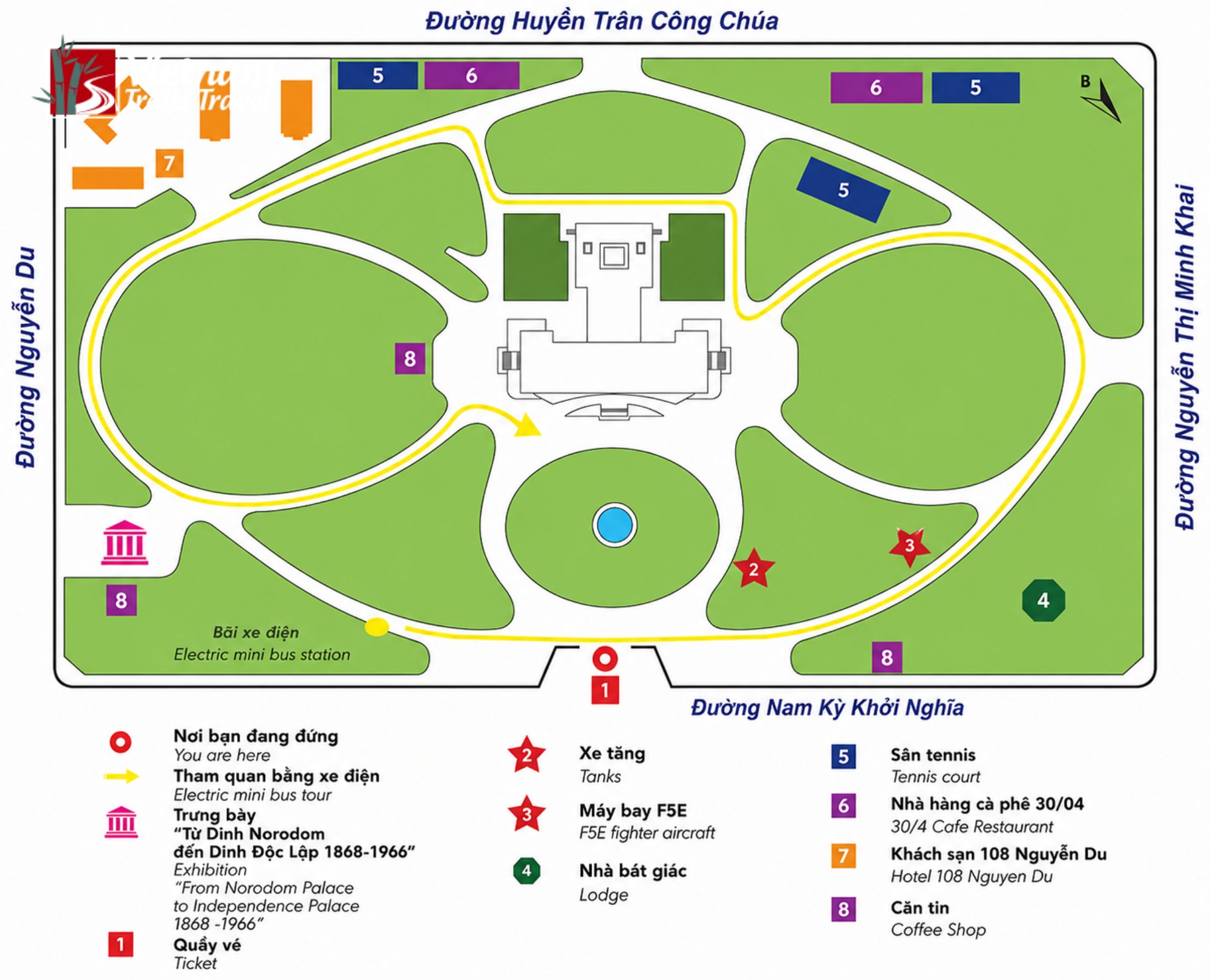
The main entrance features a grand staircase leading to the reception area. From here, visitors can access various sections including formal reception halls, meeting rooms, residential quarters and administrative offices. The palace layout reflects hierarchical arrangements common to presidential residences, with different zones designated for official functions and private use.
Within the palace, decorative elements include traditional Vietnamese artwork, lacquerware and furnishings that showcase indigenous craftsmanship. The palace grounds feature landscaped gardens and courtyards that provide respite from the bustling city outside. Throughout the palace, architectural details reveal thoughtful planning and attention to both function and aesthetic appeal.
The historical significance of the architecture lies in its rejection of colonial European styles. Ngo Viet Thu’s design represents a conscious effort to create a distinctly Vietnamese modernist landmark. This architectural approach influenced subsequent building designs in Vietnam and demonstrated that modernism could embrace local cultural expressions.
3. Historical background and key dates
The history of Independence Palace begins long before the current structure was built. During French colonial rule (1867-1954), the site housed Norodom Palace, which served as the residence of French governors-general. This French colonial building reflected the architectural preferences of colonial powers rather than Vietnamese traditions.
After the Battle of Dien Bien Phu in 1954, French colonial forces withdrew from Vietnam. North Vietnamese and Viet Cong forces consolidated control in the north, while the Republic of Vietnam was established in the south.
President Ngo Dinh Diem, who took power following the Geneva Accords, recognized the need for a modern presidential palace that would represent the new nation’s aspirations.
Construction began in 1962 and continued until 1966. During this period, architect Ngo Viet Thu oversaw the transformation of the presidential compound. The new palace was completed with modern amenities and security features necessary for a functioning government headquarters in Vietnam. Presidents who served in the palace included Ngo Dinh Diem (1954-1963), Duong Van Minh (1963) and subsequent leaders until the fall of Saigon.
The Vietnam War shaped the palace’s history during the 1967 to 1975 period. Military conflicts intensified in southern Vietnam, bringing pressure to Ho Chi Minh City’s government structures. The palace served not only as a presidential residence but also as a symbolic center of South Vietnamese authority during the conflict.
The most dramatic moment in Independence Palace’s history occurred on April 30, 1975. North Vietnamese army units, supported by Viet Cong forces, advanced toward Saigon during the Ho Chi Minh Campaign.
Tanks breached the palace’s main gate and photographs of this moment became iconic symbols of the fall of Saigon and the end of the Vietnam War. The palace was subsequently repurposed by the unified Vietnamese government.
After reunification, the palace was renamed Reunification Palace and later Independence Palace in 1995. The 1995 renaming shifted emphasis from the event of reunification to the concept of national independence and sovereignty.
Government officials converted the building into a museum and historical site accessible to the public, preserving it for future generations to understand modern Vietnamese history.
Read more: The Ultimate Ho Chi Minh City Travel Guide 2026 Update
4. Visiting information and practical details
Independence Palace is open to tourists most days of the week, though hours occasionally change due to government events. Typical opening hours are 9:00 AM to 11:00 AM and 1:00 PM to 4:00 PM, though verification before visiting is recommended. The palace is located at 135 Nguyen Hue Boulevard in District 1, Ho Chi Minh City, making it easily accessible from major hotels and tourist areas.
The entrance fee for Independence Palace is approximately 40,000 Vietnamese Dong for international visitors, with lower rates for Vietnamese citizens and children. Some guided tours include transportation from hotels and a professional guide who explains the palace’s complex history. Tour groups typically spend 90 minutes to 2 hours exploring the palace grounds and interior spaces.
Photography is permitted in most areas of the palace, though restrictions apply in certain sensitive rooms. Visitors should dress respectfully, avoiding shorts and sleeveless shirts as a courtesy to the historical site’s significance. The palace grounds are accessible by private vehicle, taxi, or car rental services, with parking available nearby.
Most visitors arrange their visit through tour operators or car rental services in Ho Chi Minh city. The palace is located approximately 10 kilometers from Tan Son Nhat International Airport, with travel time of 20-30 minutes depending on traffic conditions. From popular areas like Ben Thanh Market or the Saigon Central Post Office, the palace is within a 10-15 minute drive.
5. The presidential palace during the Republic of Vietnam era
During its time as the seat of the South Vietnamese government, Independence Palace served as the official residence and workplace of the Republic of Vietnam’s presidents.
The palace represented governmental authority and national sovereignty throughout the turbulent years of the Vietnam War. Presidents used the building for official ceremonies, diplomatic receptions and state functions aimed at maintaining international relations.
The palace’s role expanded during military conflicts as the Vietnam War intensified. Government officials managed the war effort from headquarters located within the compound.
Security measures were enhanced throughout the 1967 to 1975 period as North Vietnamese and Viet Cong forces advanced southward. The palace eventually became a symbol of South Vietnamese resistance and determination to maintain independence against communist expansion.
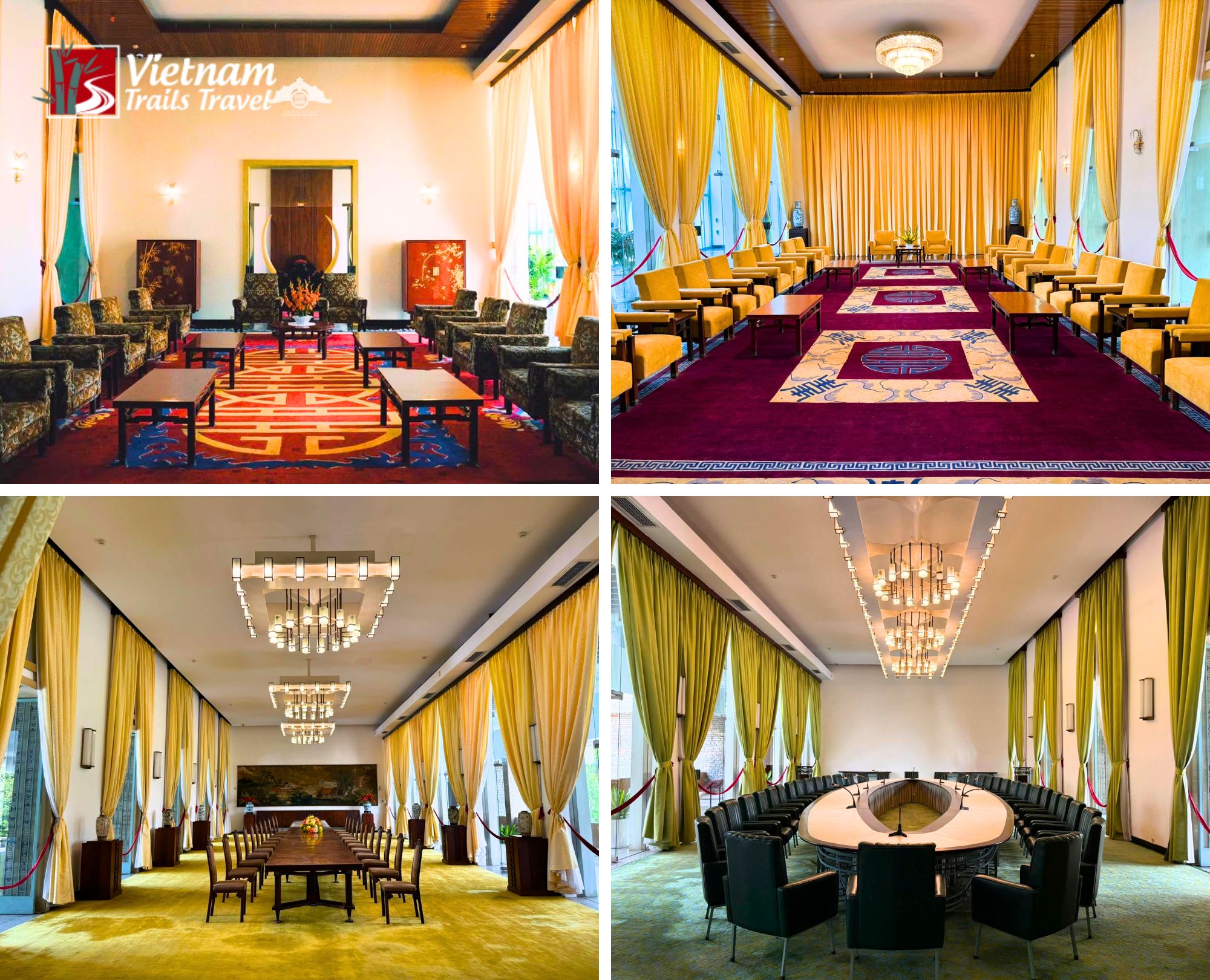
Ngo Dinh Diem served as the first president to occupy the new palace, using it as both residence and seat of government authority. Subsequent presidents continued to operate from Independence Palace until April 30, 1975.
Military leaders and government ministers conducted strategic meetings and policy decisions within the palace’s walls, directly shaping the course of South Vietnamese history.
The presidential palace hosted numerous international delegations and diplomatic functions. Foreign dignitaries visited to discuss bilateral relations and military support.
These diplomatic activities reflected South Vietnam’s efforts to maintain international legitimacy and garner support for the Republic of Vietnam during the Cold War conflict.
6. The fall of Saigon on April 30, 1975
April 30, 1975, marks the most significant date in Independence Palace’s history. On this date, North Vietnamese tank units, accompanied by Viet Cong forces, entered Ho Chi Minh city during the Ho Chi Minh Campaign. The military offensive, coordinated from North Vietnam, aimed to unify the country under communist control.
As military units approached the palace grounds, they encountered resistance from South Vietnamese forces. The palace’s main gate and perimeter were designed with security in mind, yet they could not withstand the military assault.
North Vietnamese tanks broke through the main gate and photographs of this moment were broadcast worldwide, symbolizing the end of the Vietnam War and the fall of Saigon.
The dramatic events of April 30 represented the culmination of decades of conflict. South Vietnam’s military forces were overwhelmed by the combined North Vietnamese and Viet Cong offensive.
Government officials evacuated the palace and the city, marking the end of the Republic of Vietnam era. The palace, which had served as a symbol of South Vietnamese independence, became a symbol of the war’s conclusion.
Following the military victory, North Vietnamese forces took control of the palace. Soldiers and officials entered the building, securing it for the new unified Vietnamese government.
Photographs and footage documenting these events became historical records of a pivotal moment in Vietnamese and world history. The images of tanks breaching the palace gates remain iconic representations of the fall of Saigon.
7. Reunification Palace and the naming evolution
After April 30, 1975, the palace’s purpose and name transformed to reflect Vietnam’s new political reality. The building was renamed Reunification Palace (Dinh Thong Nhat in Vietnamese) to commemorate the end of the Vietnam War and the reunification of North Vietnam and South Vietnam. Government officials and the public viewed the structure as a symbol of national unity after decades of division and conflict.
Reunification Palace continued to serve government functions under the unified Vietnamese administration. Selected rooms were opened to limited public viewing, though extensive access remained restricted for many years. Government ceremonies and official functions continued within the palace, maintaining its role as an important state building.
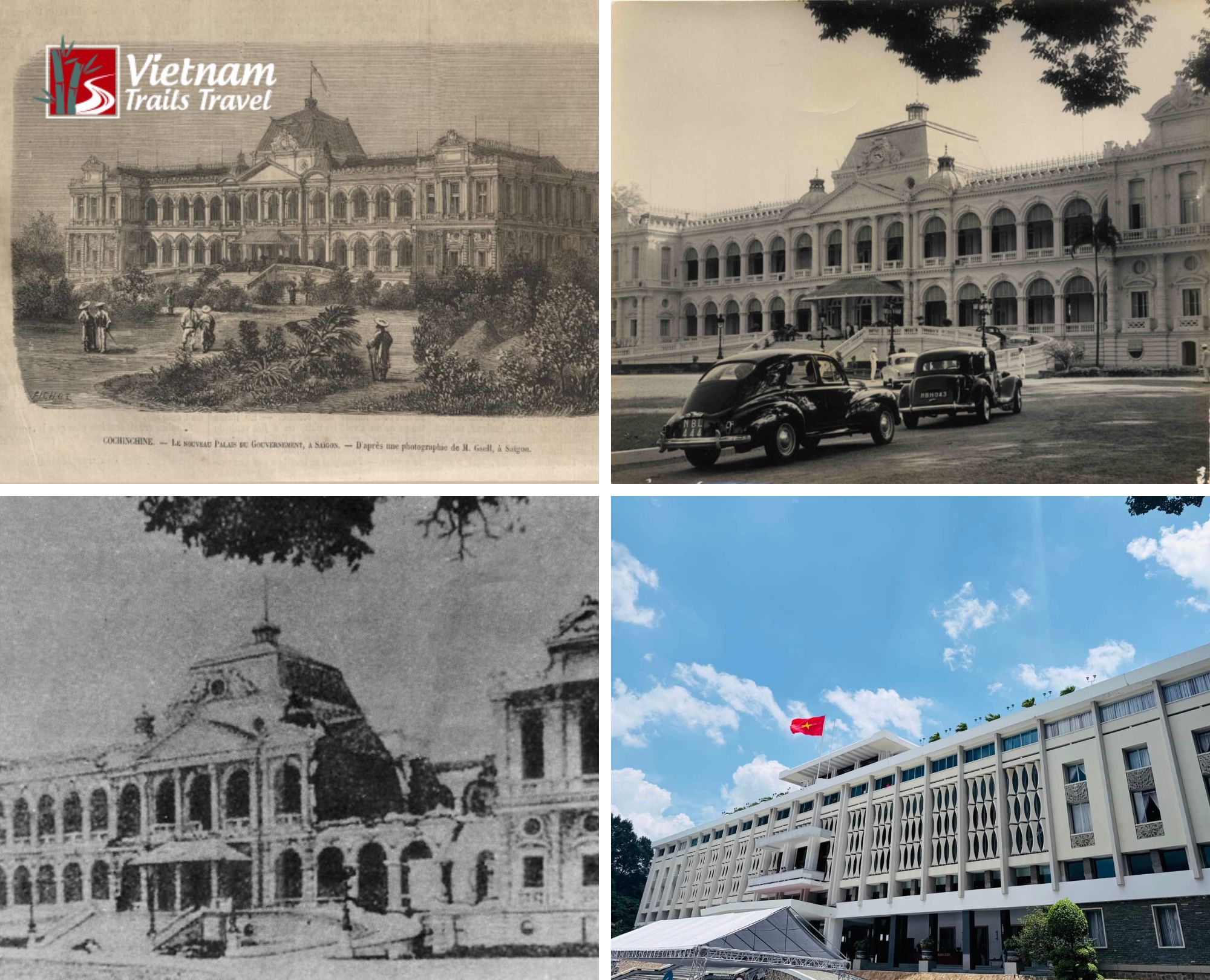
In 1995, the palace received another name change to Independence Palace (Dinh Doc Lap in Vietnamese). This renaming emphasized concepts of national independence and sovereignty rather than the reunification event itself. The 1995 designation reflected a broader historical perspective and Vietnam’s assertion of independence in regional and global affairs.
The transition from Norodom Palace to Independence Palace across multiple names reflects Vietnam’s complex historical journey. Each name change represented a shift in political orientation and national identity. The palace’s naming evolution serves as a physical chronicle of Vietnamese history from colonial rule through war to contemporary independence.
8. Museum and public access today
Modern Independence Palace functions primarily as a museum and historical site. Government policy permits public tours to help citizens and international visitors understand modern Vietnamese history. Tour groups navigate through selected rooms that display period furnishings, artwork and historical artifacts related to the building’s past.
Guided tours within the palace provide context about the architecture, historical events and individuals who worked within the compound. Professional guides explain the palace’s role during the Republic of Vietnam era and its significance following reunification. Visitors learn about the Vietnam War, the fall of Saigon and the building’s transformation into a national monument.
The palace offers displays and exhibitions focused on specific historical periods. Some rooms recreate the environment as it existed during the presidential era, with original furnishings and decorative elements preserved or restored. Other sections feature photographs, documents and artifacts illustrating key historical events associated with the palace.
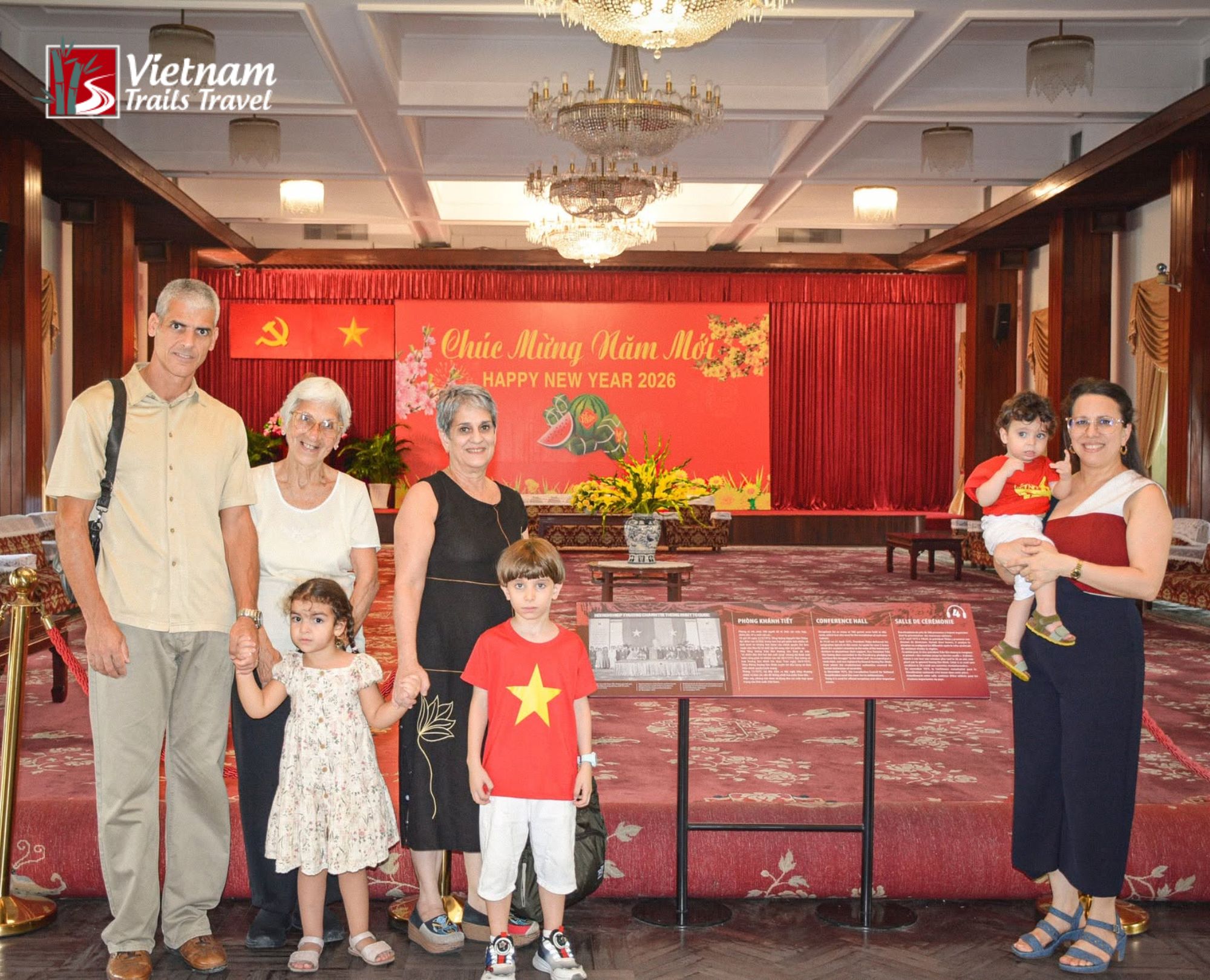
Visiting Independence Palace requires purchasing entrance tickets at the main gate or through tour operators. Tour groups typically include 15-40 people led by an English-speaking or Vietnamese-speaking guide. Private tours are available for visitors seeking more detailed historical interpretation or flexible scheduling.
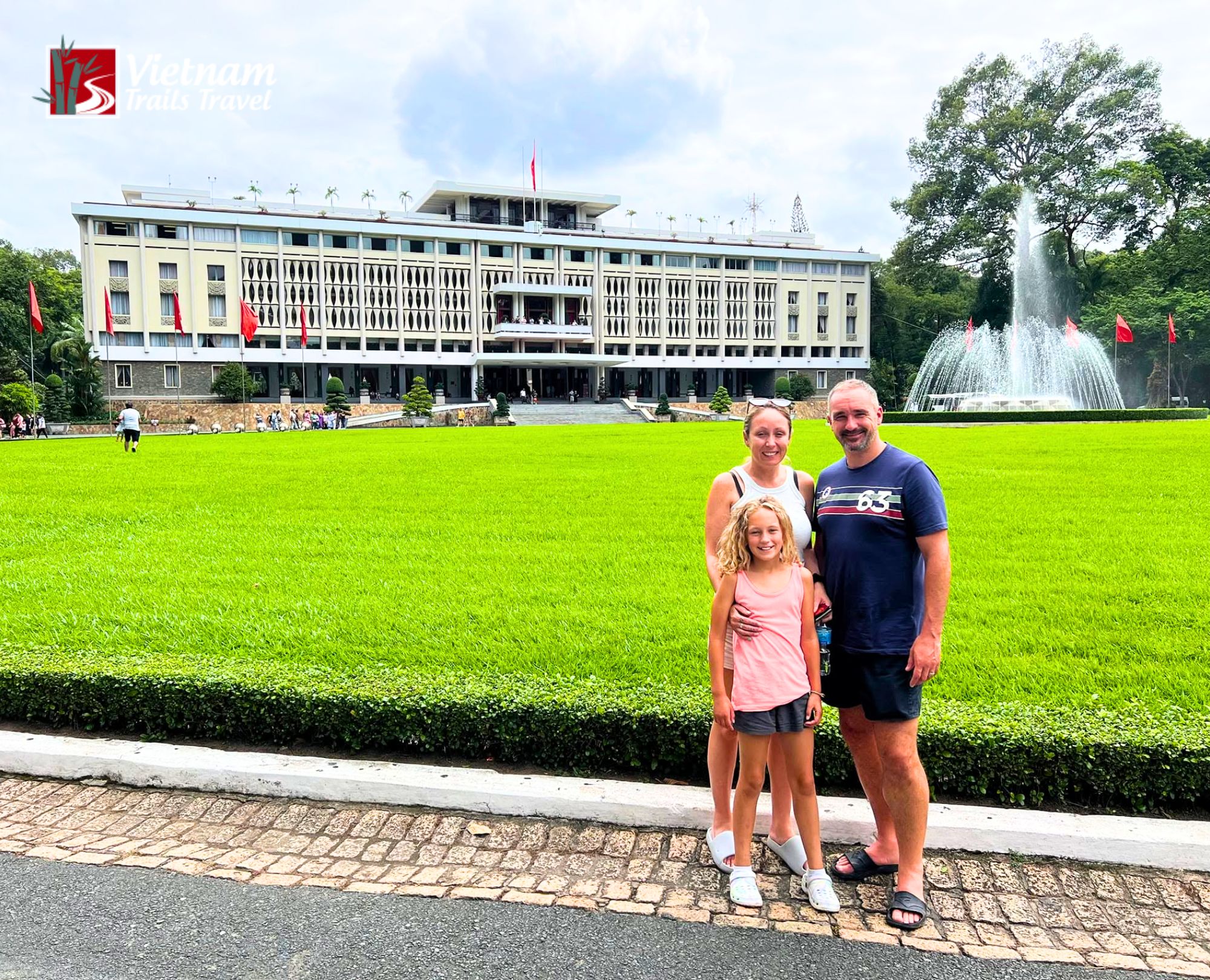
The palace grounds include outdoor areas accessible to visitors. Palace gardens provide respite and allow photography of the exterior architecture from various angles. The front of the palace, where tanks entered on April 30, remains a significant focal point for many visitors seeking to understand the war’s conclusion.
9. Attractions in Ho Chi Minh city near Independence Palace
Independence Palace’s central location in Ho Chi Minh city makes it convenient to visit nearby landmarks during the same trip. The Saigon Central Post Office stands approximately 500 meters away, offering visitors another example of French colonial architecture. This historic building contrasts with Independence Palace, allowing tourists to compare colonial and post-colonial architectural styles.
Notre Dame Cathedral, another French colonial structure, is located within walking distance of Independence Palace. Many tourists visit both sites on the same day to understand the evolution of Ho Chi Minh city’s architecture and the transition from colonial to post-colonial governance.
The cathedral represents France’s cultural and religious influence during colonial rule, while Independence Palace symbolizes Vietnamese independence and modernism.
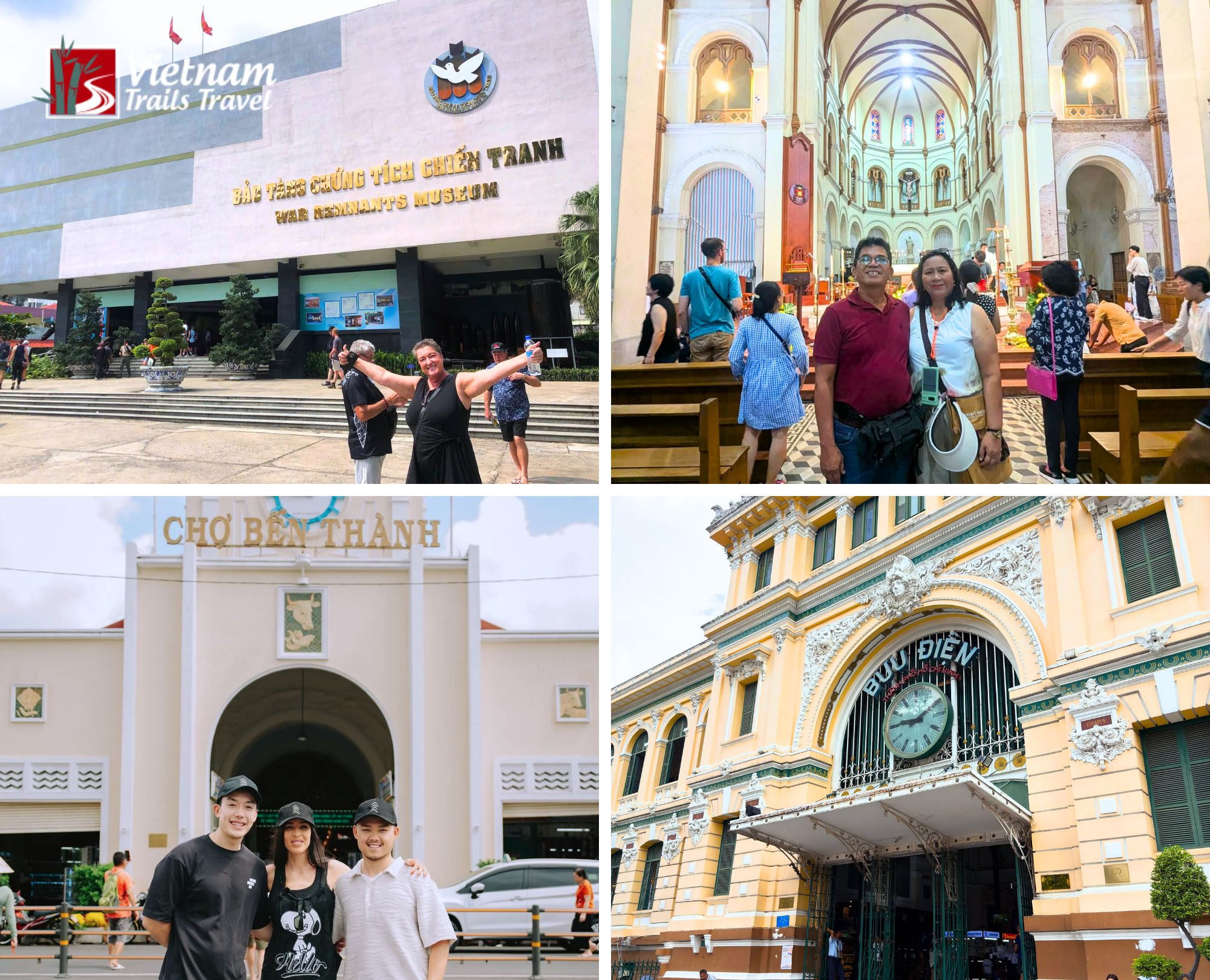
Nearby museums provide additional historical context about Vietnam War history and Ho Chi Minh city’s development. The War Remnants Museum, located in the same district, documents the Vietnam War from the Vietnamese perspective. Visiting this museum alongside Independence Palace offers a comprehensive understanding of the war’s impact and Vietnam’s journey toward reunification.
Ben Thanh Market, a famous shopping destination in Ho Chi Minh city, is within 10 minutes’ drive from Independence Palace. Many tour itineraries combine visits to Independence Palace with shopping and dining in the bustling market area. The proximity of cultural sites to commercial and shopping areas makes Ho Chi Minh city efficient for tourists with limited time.
The Dong Khoi Street area features shops, restaurants and hotels that cater to international tourists. Visitors can easily access accommodations, meals and transportation services near Independence Palace. This tourist-friendly infrastructure makes it convenient for travelers to include Independence Palace in their Ho Chi Minh city itinerary.
Read More: Ho Chi Minh City 1 Day Tour
10. Planning your visit
Determine your visit duration before booking tours. Independence Palace itself typically requires 90 minutes to 2 hours for a complete tour. If you plan to visit other Ho Chi Minh city attractions on the same day, allocate additional time accordingly. Morning visits often feature fewer crowds than afternoon sessions.
Check the current opening hours before traveling to the palace, as government events occasionally require temporary closures. Contact tour operators or check official tourism websites for updated information about hours, entrance fees and any special exhibitions.
Consider hiring a professional tour guide, as their expertise significantly enhances understanding of the palace’s complex history. Guides explain architectural features, historical events and the Vietnam War’s context in ways that casual visitors might miss. Many tour operators include knowledgeable guides as part of their package offerings.
Dress respectfully when visiting Independence Palace. Shorts, tank tops and revealing clothing may offend other visitors and show disrespect to the historical site’s significance. Comfortable walking shoes are recommended, as tours involve exploring multiple levels and rooms.
Bring a camera or smartphone to document your visit, as photography is permitted in most palace areas. However, respect any posted restrictions in sensitive or sacred spaces. Some visitors prefer to focus on the experience rather than constant photography during their tour.
Arrange transportation in advance through your hotel concierge, a car rental service, or a tour operator. Independent navigation to the palace can be challenging without familiarity with Ho Chi Minh city’s streets. Professional drivers know the best routes and can discuss the city’s history during the journey.
11. Frequently asked questions
What are the opening hours for Independence Palace?
The palace is open 9:00 AM to 11:00 AM and 1:00 PM to 4:00 PM daily. The palace closes during the lunch hour (11:00 AM to 1:00 PM). Government events occasionally cause temporary closures—contact ahead if planning a specific date.
How much does the entrance fee cost?
International visitors pay 40,000 Vietnamese Dong (~$1.60). Vietnamese citizens pay 30,000 VND. Children under 12 pay 15,000 VND. No discounts for groups. Tickets are purchased at the gate; no pre-booking required.
What is the best time of year to visit Independence Palace?
October through March offers ideal weather (20-25°C, dry conditions). Avoid May through September (30-35°C heat, 90% humidity, rain). Early morning visits (before 9:30 AM) avoid large crowds.
How long does a typical visit take?
Plan 90 minutes to 2 hours for a complete tour. This includes travel from the hotel, ticket purchase, the full palace exploration and questions. Adding nearby attractions extends to a half-day outing.
Is an English-speaking guide necessary?
Strongly recommended. Guides explain historical context and architectural details. Without a guide, you miss significant portions of the experience. English guides typically cost 50-150 USD per group depending on booking method.
Can I take photographs inside Independence Palace?
Yes, photography is generally permitted. Some sensitive rooms display “no photography” signs—respect these. Professional cameras with removable lenses sometimes trigger security concerns. Smartphone photography is permitted everywhere.
What should I wear when visiting?
Dress respectfully. Shorts, tank tops and sleeveless shirts are not permitted. If wearing shorts, bring a scarf or sarong to cover legs. Women typically wear casual dresses or pants. Men should wear lightweight long pants. Comfortable walking shoes are essential.
How far is Independence Palace from Tan Son Nhat Airport?
The palace is approximately 10 kilometers from the airport, requiring 20-30 minutes by car depending on traffic. Hotel pickup services arrange convenient transportation.
Can I visit Independence Palace independently or do I need a tour?
Independent visits are possible by purchasing tickets at the gate. However, guided tours significantly enhance understanding. Consider hiring a guide through your hotel concierge or booking services.
What nearby attractions should I combine with Independence Palace?
Close by: Saigon Central Post Office (5-minute walk), Notre Dame Cathedral (10-minute walk). Nearby: War Remnants Museum (15-minute drive), Ben Thanh Market (10-minute drive). Plan a half-day itinerary combining 2-3 attractions.
Is Independence Palace accessible for visitors with mobility limitations?
Limited elevator access exists. Multiple staircases connect levels. Not ideal for wheelchair users. Elderly visitors with mobility concerns should contact ahead. Ground-level areas are accessible; upper floors require climbing stairs.
What is the difference between Independence Palace and Reunification Palace?
They are the same building. Reunification Palace was the official name from 1975-1995. Independence Palace has been the official name since 1995. Both terms refer to the identical historical landmark.
Are there facilities like restrooms and water inside the palace?
Restrooms are available on multiple levels. No water fountains exist inside. Bring your own water bottle. Air-conditioning covers main areas but not all spaces. Conditions are basic but clean.
12. Key facts and summary
Independence Palace ranks among Vietnam’s most significant historical landmarks. The building’s architectural design by Ngo Viet Thu represents a successful blend of modernist principles and Vietnamese cultural identity.
The palace’s role in 20th-century Vietnamese history—from South Vietnamese government seat to symbol of the war’s conclusion—makes it essential for understanding modern Vietnamese history.
Approximately 40,000 Vietnamese Dong entrance fee provides access to over 100 palace rooms, though not all are open to public viewing. Opening hours typically run from 9:00 AM to 11:00 AM and 1:00 PM to 4:00 PM, accommodating both individual visitors and tour groups. The palace’s central location in Ho Chi Minh city’s District 1 makes it convenient to include in most tourist itineraries.
The historical significance of Independence Palace extends beyond its architectural merit. The building served as the center of the South Vietnamese government during crucial years of the Vietnam War.
April 30, 1975, marks the dramatic conclusion of this chapter, when North Vietnamese forces breached the main gate during the fall of Saigon. Today’s visitors discover a well-maintained historical site that preserves furnishings, artwork and artifacts from its presidential era.
Professional guides provide context about the palace’s evolution from colonial Norodom Palace through its various name changes to today’s Independence Palace. The site remains one of Ho Chi Minh city’s most visited tourist attractions. A visit to Independence Palace offers international tourists insight into Vietnamese history, architecture and the Vietnam War’s impact on the nation.
Whether you are interested in 20th-century history, architectural heritage, or understanding Vietnam’s path to independence and reunification, Independence Palace provides compelling historical context and aesthetic appreciation. The palace serves as a physical reminder of Vietnam’s complex journey through colonial rule, war and national reunification.
