

Why Mui Ne belongs in your Vietnam trip
If your first impression of Ho Chi Minh City (Vietnamese: Thành phố Hồ Chí Minh) is nonstop traffic and crowded streets, then Mui Ne (Vietnamese: Mũi Né) feels completely different. This coastal area in southern Vietnam moves at a slower pace, with long stretches of beach, fresh seafood restaurants, fishing boats near the shore, and small local cafés facing the sea.
Located near Phan Thiet (Vietnamese: Phan Thiết) in Binh Thuan province (Vietnamese: tỉnh Bình Thuận), Mui Ne has become one of the most popular beach destinations for travelers looking for a more relaxed side of Vietnam. What makes Mui Ne memorable is the balance between comfort and local life.
Along the coast, you can stay in a luxury resort, a quiet beach resort, or a simple Vietnamese guesthouse within walking distance of the ocean. in the early morning, fishermen return from the sea while local markets slowly wake up beside the beach road.
By afternoon, many travelers head to the sand dunes or simply spend time under the palm trees with fresh coconut water. Unlike larger tourist cities in Vietnam, Mui Ne feels less rushed.

The combination of beach scenery, warm weather, local culture, and easy resort living makes it a comfortable stop between Phan Thiet and other coastal destinations.
Best things to do in Mui Ne for first-time travelers
For many travelers, the best part of Mui Ne is how different each experience feels within a short distance. One moment you are relaxing beside the beach with fresh coconut water, and later the same day you can stand on massive sand dunes that look nothing like the tropical coastline most people imagine in Vietnam.
Among the most popular things to do in Mui Ne, the famous White Sand Dunes (Vietnamese: Đồi Cát Trắng) usually become the highlight for first-time travelers. Many people leave before sunrise to see the soft morning light across the dunes and the nearby lake.
Closer to town, the Red Sand Dunes (Vietnamese: Đồi Cát Đỏ) offer a completely different atmosphere, especially during late afternoon when the sand turns deeper orange under the sun. Another experience that surprises many travelers is the Fairy Stream (Vietnamese: Suối Tiên).
Instead of a normal river walk, you slowly walk barefoot through shallow water between red cliffs and small natural rock formations. It feels calm, local, and very different from the larger tourist attractions around Mui Ne.
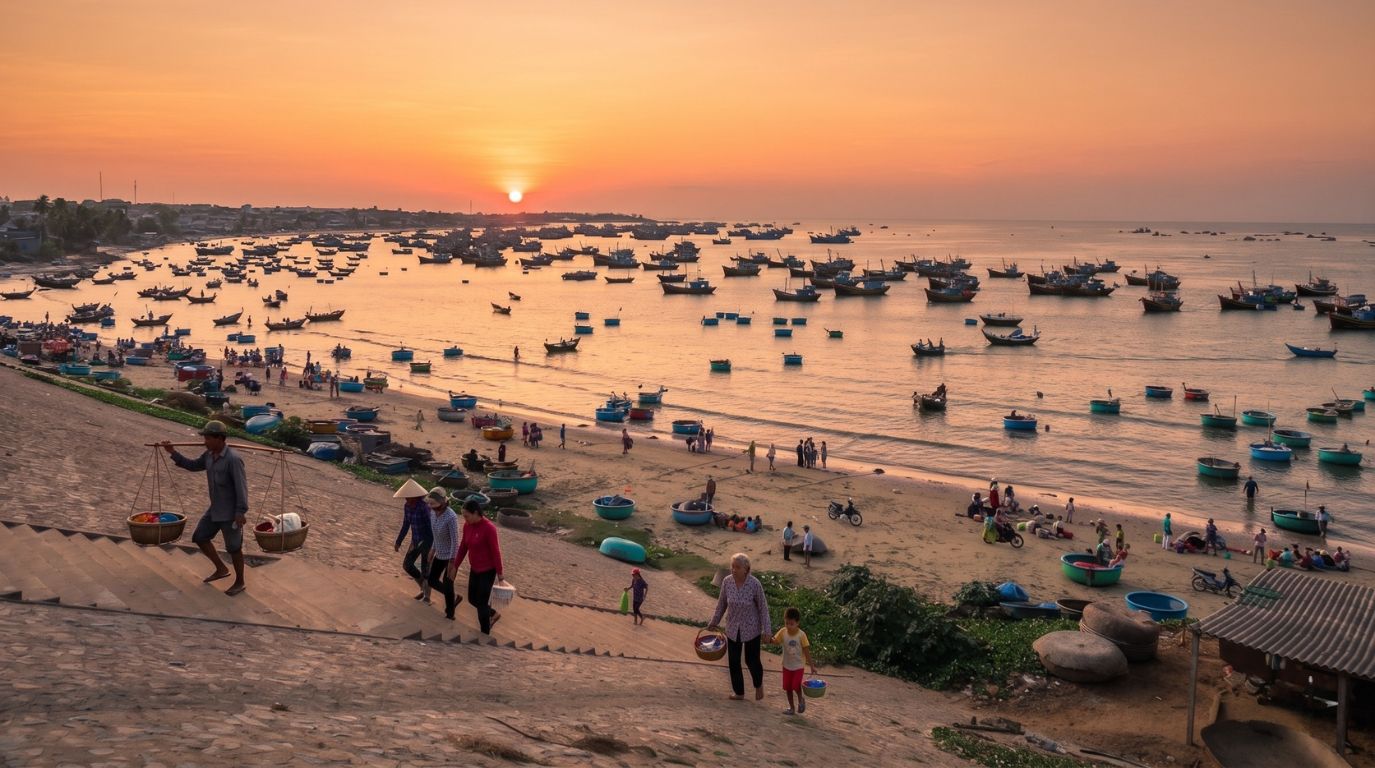
Beyond the landscapes, daily life still shapes the atmosphere here. At the local fishing village, you can watch round basket boats return to shore while fishermen sort the morning catch beside the sea.
Nearby seafood restaurants prepare fresh crab, scallops, squid, and grilled fish only minutes after arriving from the water. The combination of beach life, sand dunes, local culture, and seafood is exactly why so many first-time travelers decide to stay longer in Mui Ne than they originally planned.
Watch sunrise at the white sand dunes
The White Sand Dunes are one of the most unforgettable places in Mui Ne, especially early in the morning. Many travelers wake up before dawn and ride a motorbike through the quiet coastal roads to reach the dunes before sunrise.
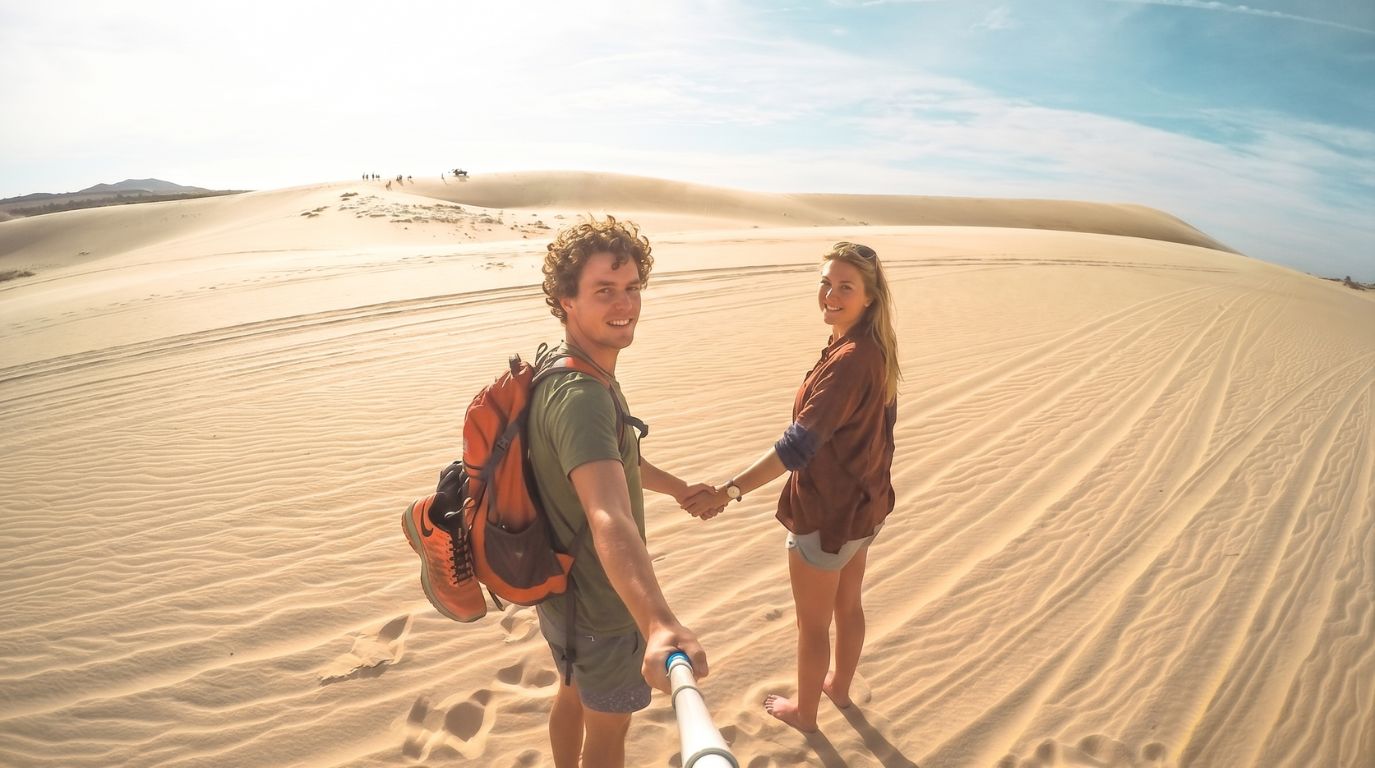
As the sky slowly changes color, the white sand reflects soft orange and golden light across the landscape. The area feels surprisingly peaceful compared to the busy beach road closer to town.
Some travelers rent ATVs, while others simply walk along the dunes to enjoy the cooler morning air before the heat arrives later in the day.
Walk through Fairy Stream
The Fairy Stream offers a completely different side of Mui Ne from the beaches and sand dunes. Instead of a traditional hiking trail, you walk barefoot through shallow water surrounded by red cliffs, soft sand formations, and small trees along the stream.
The water is usually calm and only ankle-deep, making it an easy stop for most travelers. Many Vietnamese families also visit during weekends, giving the area a more local atmosphere compared to larger tourist attractions.
The slow walk through the Fairy Stream feels relaxing, especially during hot afternoons in Mui Ne.
Visit Mui Ne Fishing Village
The local Mui Ne Fishing Village is one of the best places to experience daily coastal life in Mui Ne. Early in the morning, fisherman return from the sea in colorful basket boats while local seafood markets become active beside the shore.
You can see fresh squid, fish, scallops, and crabs being sorted only minutes after arriving from the ocean. Unlike resort areas near the beach, the fishing village still keeps a strong connection to local life in Binh Thuan province.
Many small restaurants nearby prepare seafood directly from the morning catch, often at lower prices than larger tourist restaurants.
See sunset at the red sand dunes
The Red Sand Dunes are smaller than the white dunes, but many travelers prefer visiting them in late afternoon because of the beautiful sunset views near the beach. As the light becomes softer, the red-colored sand changes into deep orange and gold tones.
The atmosphere here feels more relaxed, with local children sometimes offering sandboard rentals while travelers sit quietly on the dunes watching the sky change over Mui Ne.
Since the dunes are closer to the beach road, this is also one of the easiest sunset spots to reach before dinner or evening seafood by the coast.
Best time to visit Mui Ne in 2026
Mui Ne is one of the driest coastal destinations in Vietnam, which makes it a year-round beach destination for many travelers. Still, the overall experience can change a lot depending on the season, especially if your itinerary includes swimming, sand dune photography, or kite surfing.
For most travelers planning to visit Mui Ne, the best months are usually from November to April. During this period, the weather is generally sunnier, rainfall stays lower, and the beach atmosphere feels more comfortable for outdoor activities.
Early mornings are cooler, making it the ideal time to watch sunrise at the white sand dunes before the strong midday heat arrives. This season is also popular for photography because the skies are often clearer and the light over the sand dunes becomes softer during sunrise and sunset.
From December through March, Mui Ne also enters its famous windy season. While stronger winds may create rougher beach conditions for swimming on some days, this becomes the perfect period for kite surfing.
The coastline fills with colorful kites during afternoons, especially near the central beach resort areas. Even travelers who never try the sport usually enjoy watching the activity from cafés and beachfront restaurants.
Between May and September, the weather becomes hotter and more humid, but Mui Ne still receives less rain compared to many other places in southern Vietnam. Beaches are often quieter during this period, and hotel prices may become lower outside major holidays.
If your itinerary focuses more on relaxing beach days and sand dune tours, the dry season months usually provide the most comfortable experience. Travelers mainly interested in kite surfing often prefer the windier period between late autumn and early spring.
Mui Ne beach guide: Where to swim, relax and stay
Mui Ne is known for its long coastline, relaxed atmosphere, and wide range of places to stay beside the sea. Along Mui Ne beach, you will find everything from luxury beach resort properties with private pools to smaller family-run accommodation hidden behind coconut trees and local cafés.
Most hotels and resorts are located along the main coastal road connecting Phan Thiet with the central Mui Ne area, making it easy to move between restaurants, beaches, and attractions. The beach atmosphere changes depending on the season.
During calmer months, especially from December to April, many areas near Mui Ne beach become suitable for swimming and relaxing by the water. Early mornings are usually peaceful, while late afternoons often bring stronger winds and cooler temperatures.
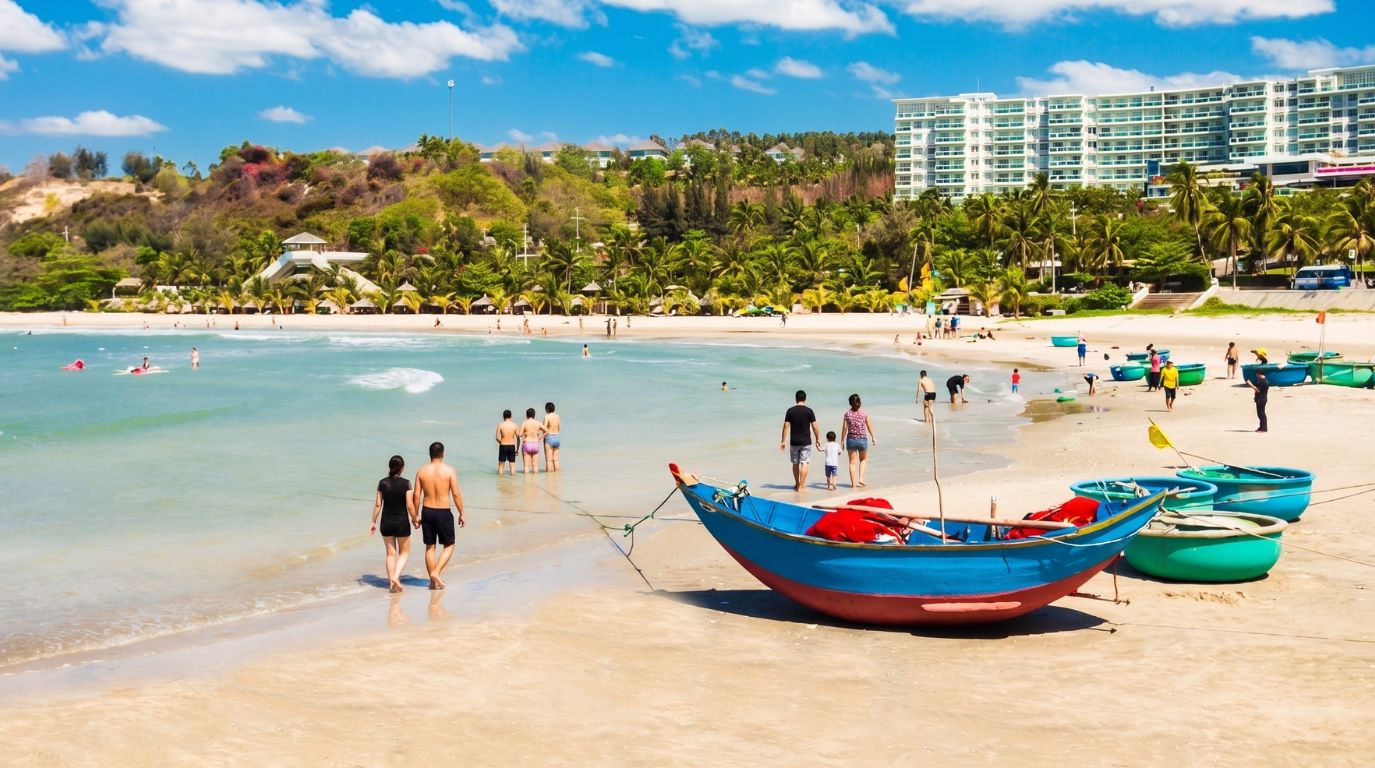
Some sections of the coastline have softer sand and gentler waves, while other areas are better known for water sports rather than swimming. Mui Ne is also one of the most famous destinations in Vietnam for kite surfing.
Between late afternoon and the windy season months, the coastline fills with colorful kites moving across the sea. Even travelers who never try the sport often enjoy sitting at a beach café or resort watching experienced riders on the water.
Several schools near the beach offer beginner lessons, equipment rental, and short training sessions for first-time learners. If you prefer a quieter experience, staying slightly farther from the busy center of Mui Ne usually provides a more peaceful beach environment.
Travelers looking for nightlife and restaurants often choose resorts closer to the central area, while couples and families tend to book accommodation near quieter beach stretches outside the busiest zones.
How to travel to Mui Ne from Ho Chi Minh City, Nha Trang and nearby areas
Getting to Mui Ne is much easier now than it was a few years ago. Thanks to improved highways connecting southern Vietnam with coastal destinations, travelers can comfortably reach Mui Ne from major cities like Ho Chi Minh City and Nha Trang (Vietnamese: Nha Trang) by bus, private car, train, or motorbike.
Most routes pass through Phan Thiet before continuing toward the beach areas and resort strip of Mui Ne. For first-time travelers planning to visit Mui Ne, sleeping buses and private limousine buses remain the most popular transportation choices because they are affordable, comfortable, and widely available every day.
From Ho Chi Minh City to Mui Ne
Traveling from Ho Chi Minh City to Mui Ne usually takes around 2.5 to 4.5 hours depending on traffic and the type of transportation you choose. The most common option is a limousine bus or sleeping bus departing from central Ho Chi Minh City several times daily.
Many bus companies also provide hotel pickup services in District 1 (Vietnamese: Quận 1) before continuing directly to Phan Thiet and Mui Ne. For travelers wanting more comfort, private cars are increasingly popular, especially for families or small groups carrying luggage.
Train travel to Phan Thiet is also possible, although buses are usually more flexible for reaching resort areas closer to Mui Ne beach.
From Nha Trang to Mui Ne
The route from Nha Trang to Mui Ne is a popular coastal journey for travelers moving south through Vietnam. Most people choose an overnight bus or daytime limousine bus, with travel times usually ranging from 4 to 6 hours depending on road conditions.
Several buses stop directly near resort areas in Mui Ne instead of requiring an additional transfer from Phan Thiet station. Travelers using this route often combine beach destinations together, moving between Nha Trang and Mui Ne during longer Vietnam itineraries.
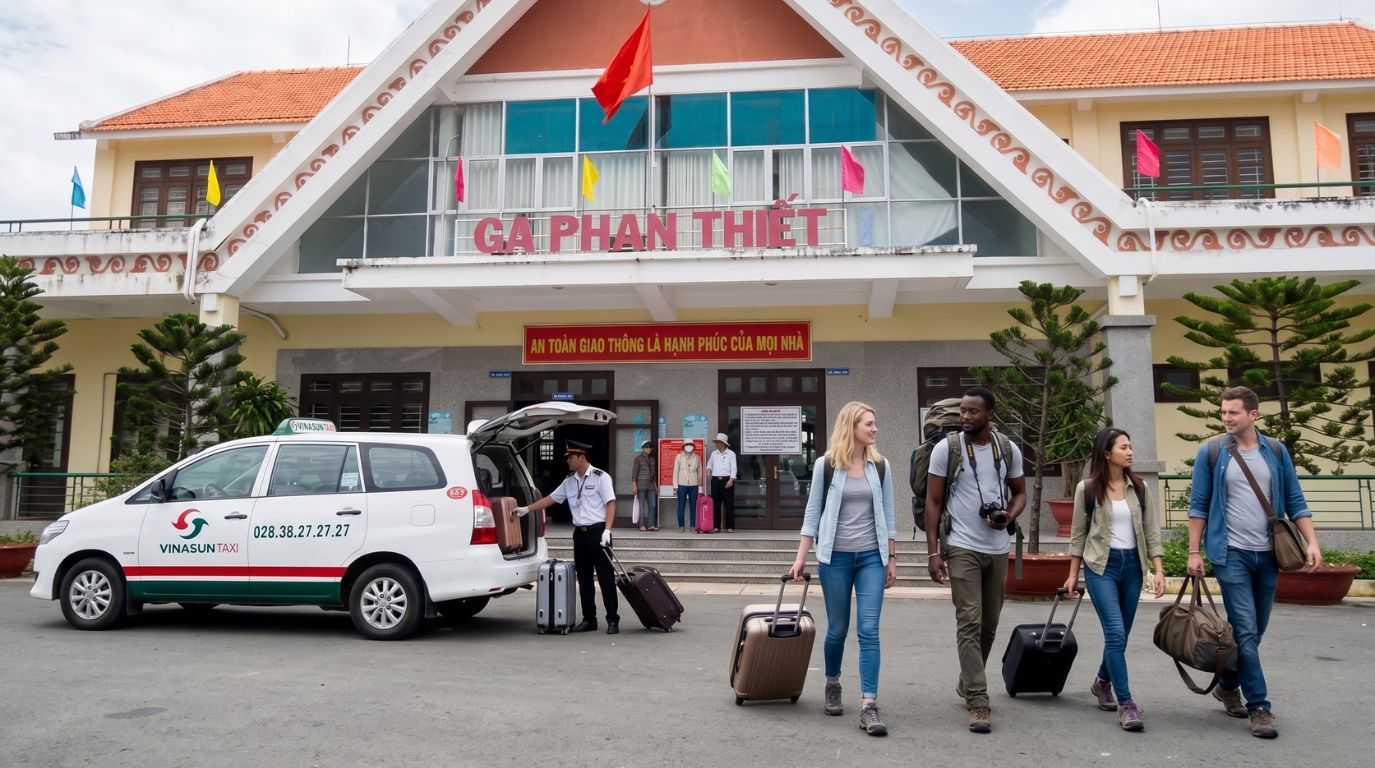
Getting around Mui Ne by motorbike, taxi or private car
Once you arrive in Mui Ne, transportation is relatively simple because most restaurants, cafés, beaches, and resorts are located along one long main road following the coastline. Renting a motorbike is one of the most common ways to explore the area, especially for travelers wanting to visit the sand dunes, Fairy Stream, and fishing village independently.
For shorter distances, taxis and ride-hailing services are easy to find near resort areas. Private drivers are also available for sunrise dune tours or day trips between Phan Thiet and Mui Ne.
If you are not comfortable driving a motorbike in Vietnam traffic, private cars are often the safest and most relaxing option for exploring the coastline.
Where to stay in Mui Ne: Resorts, beach hotels and local areas
Finding the right accommodation in Mui Ne depends mostly on the type of trip you want. Some travelers come for relaxing beach days and luxury spa experiences, while others prefer smaller local stays closer to seafood restaurants and daily life.
The good news is that Mui Ne offers a wide mix of resort styles, boutique hotels, and budget accommodation options along the coast. Most travelers stay along the main road connecting central Mui Ne with Phan Thiet.
This long coastal stretch is where you will find the majority of beach resort properties, cafés, beach bars, restaurants, and transportation services. Staying here makes it easy to walk between the beach and nearby restaurants without needing long taxi rides.
For couples and travelers wanting a quieter experience, many higher-end resort properties are located slightly outside the busiest sections of Mui Ne. These beach resort areas often provide private beach access, swimming pools, gardens, and a calmer atmosphere during evenings.
Some resorts are designed more for relaxation, especially for travelers escaping the noise of larger cities in Vietnam. Budget travelers usually stay closer to the central Mui Ne area where smaller hotels, homestays, and local accommodation options are easier to find.
This area feels more active at night, with local seafood restaurants, bars, convenience stores, and travel agencies nearby. It is also convenient for travelers planning early morning tours to the sand dunes.
Families often prefer staying closer to the Phan Thiet side of the coastline because some resorts there have wider beach areas, larger swimming pools, and quieter surroundings. The atmosphere tends to feel slower and less crowded compared to the center of Mui Ne, especially during weekends and holidays.
What to eat in Mui Ne: Seafood, local dishes and night dining
One of the best parts of staying in Mui Ne is how easy it is to find fresh seafood near the beach almost any time of day. From small local restaurants beside the road to larger seaside dining spots connected to resorts, seafood is everywhere in Mui Ne.
Many restaurants receive deliveries directly from the local fishing boats each morning, especially near the famous Mui Ne Fishing Village. Travelers visiting the fishing village early in the morning can often see local markets full of squid, scallops, crab, shrimp, oysters, and freshly caught fish.
Some smaller Vietnamese restaurants nearby allow you to choose seafood directly from water tanks before cooking it on charcoal grills with garlic, chili, butter, or lemongrass. Grilled scallops with green onion oil and salt-roasted shrimp are especially popular around Mui Ne and Phan Thiet.
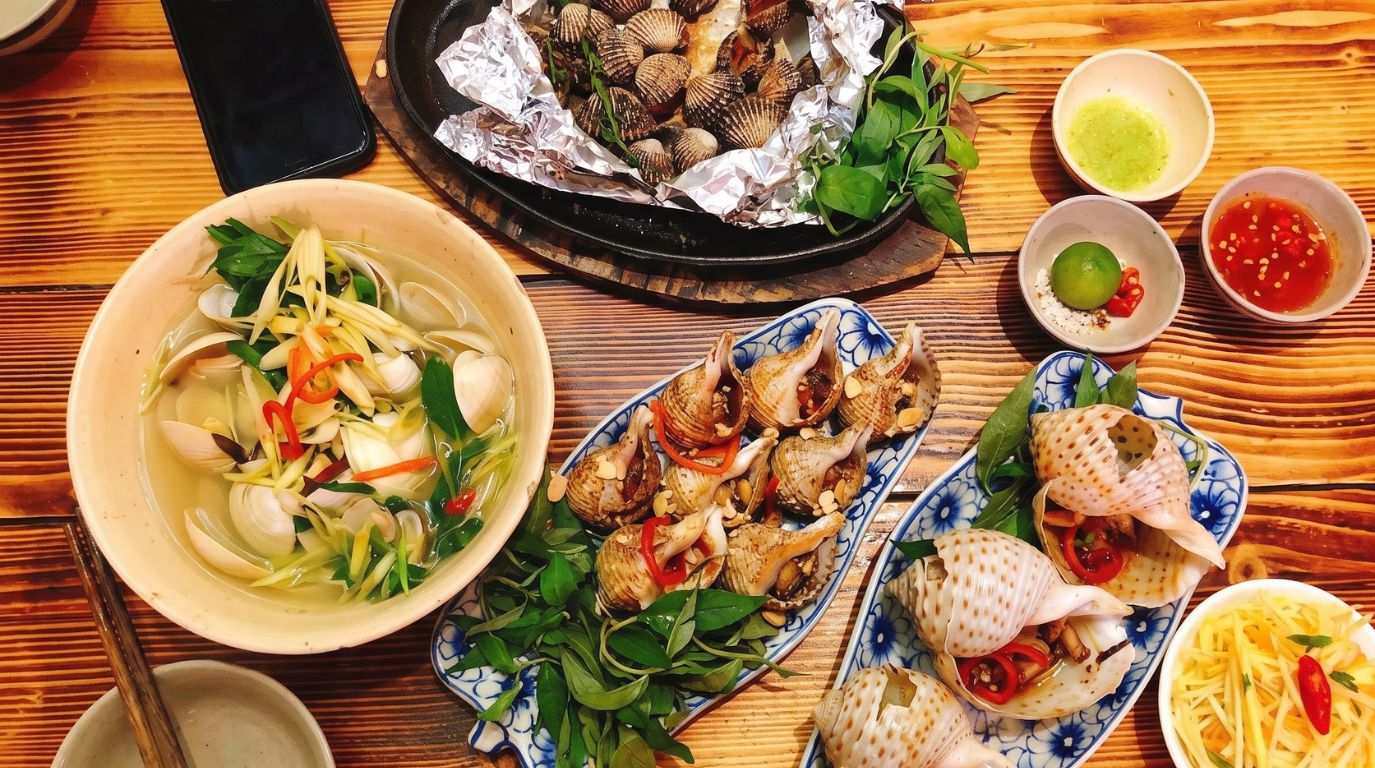
Beyond seafood, Mui Ne also has several local dishes connected to the coastal culture of southern Vietnam. Fish cakes, seafood noodles, grilled rice paper snacks, and fresh coconut desserts are common in smaller restaurants near the beach road.
During evenings, many travelers simply walk along the coast looking for open-air seafood restaurants filled with smoke from outdoor grills and fresh catches displayed on ice. Prices in Mui Ne can vary depending on location.
Restaurants inside large resort areas are usually more expensive, while local seafood places near the fishing village or outside the main tourist beach zones are often better value. Before ordering, it is always helpful to check seafood prices by weight, especially for lobster, crab, and imported shellfish.
Suggested Mui Ne itinerary for 2 to 3 days
If this is your first time visiting Mui Ne, spending at least two or three days gives you enough time to enjoy the beach atmosphere without rushing between attractions. Most travelers combine sand dunes, local seafood, and relaxing resort time into a simple coastal itinerary.
Day 1 — Arrival, beach time and seafood
After arriving in Mui Ne, most travelers spend the first day slowing down and enjoying the coastline. Depending on your arrival time, you can check into a beach resort or smaller hotel near the sea before exploring the nearby cafés and restaurants.
The afternoon is usually perfect for relaxing beside the beach, swimming, or watching kite surfers along the coast. During the evening, many travelers head toward local seafood restaurants near the center of Mui Ne or around the fishing village area.
Grilled shrimp, scallops, squid, and hotpot seafood dinners are especially popular after sunset. Since travel days from Ho Chi Minh City or Nha Trang can feel long, keeping the first day relaxed usually creates a more enjoyable itinerary overall.
>>Read more: Mui Ne day tour from Ho Chi Minh City
Day 2 — Sand dunes, Fairy Stream and fishing village
The second day is normally the main sightseeing day in Mui Ne. Many tours begin before sunrise with a trip to the famous White Sand Dunes. The cooler morning temperatures and soft lighting make this one of the best photo spots in the region.
Later in the day, travelers often continue toward the Red Sand Dunes and the peaceful Fairy Stream. Walking barefoot through the stream offers a slower and quieter experience compared to the larger sand dune attractions.
Before sunset, visiting the local Mui Ne Fishing Village gives you a closer look at daily coastal life. This is also one of the best places to enjoy fresh seafood prepared only hours after arriving from the sea.
Day 3 — Resort morning or Phan Thiet
If you stay three days in Mui Ne, the final morning is usually best spent more slowly. Many travelers relax at their resort, enjoy breakfast beside the beach, or spend a final few hours swimming before departure.
Others choose to explore nearby Phan Thiet for local markets, fishing ports, and smaller Vietnamese cafés outside the main tourist areas. Travelers with extra time sometimes extend their itinerary with additional beach days, kite surfing lessons, or private coastal tours around Binh Thuan province.
Travel tips before you visit Mui Ne
Before traveling to Mui Ne, there are a few practical things that can make your trip smoother and more comfortable. Since Mui Ne is a beach destination with strong sunshine most of the year, sunscreen, sunglasses, sandals, and light clothing are essential, especially if you plan to visit the sand dunes during midday.
When booking transportation in Vietnam, choosing reliable bus companies is important because comfort levels can vary greatly between operators. Limousine buses are usually more comfortable for routes between Ho Chi Minh City, Phan Thiet, and Mui Ne, especially for first-time travelers carrying luggage.
If you plan to rent a motorbike, be careful on the coastal roads during windy afternoons or rainy conditions. Some roads near the beach can become sandy or slippery, especially outside the central resort areas.
Travelers without experience driving in Vietnam often prefer taxis or private drivers for safety. It is also important to check the exact location of your accommodation before booking.
Some resort properties advertise themselves as being in Mui Ne but are actually located farther toward Phan Thiet, which can affect travel times between restaurants, beaches, and attractions. Finally, avoid overloading your schedule with rushed day tours.
Mui Ne feels best when you leave time for slow mornings, beach sunsets, seafood dinners, and quiet moments beside the ocean rather than constantly moving between attractions.
