
 12 Nov 2026
 9 min read
Sapa Vietnam is a highland destination in northern Vietnam known for mountain scenery, valleys, rice terraces, trekking, and visits to local communities. To plan a visit, decide how much time to spend walking, what kind of lodging suits you, and whether a guided trek fits your interests and logistics.
What Makes Sapa Different from Other Northern Vietnam Destinations

Sapa stands out for its mountainous setting and the way its valleys, terraces, and village routes shape the visit. It suits travelers who want time outdoors and a closer look at highland landscapes.
Sapa’s mountain landscape and setting
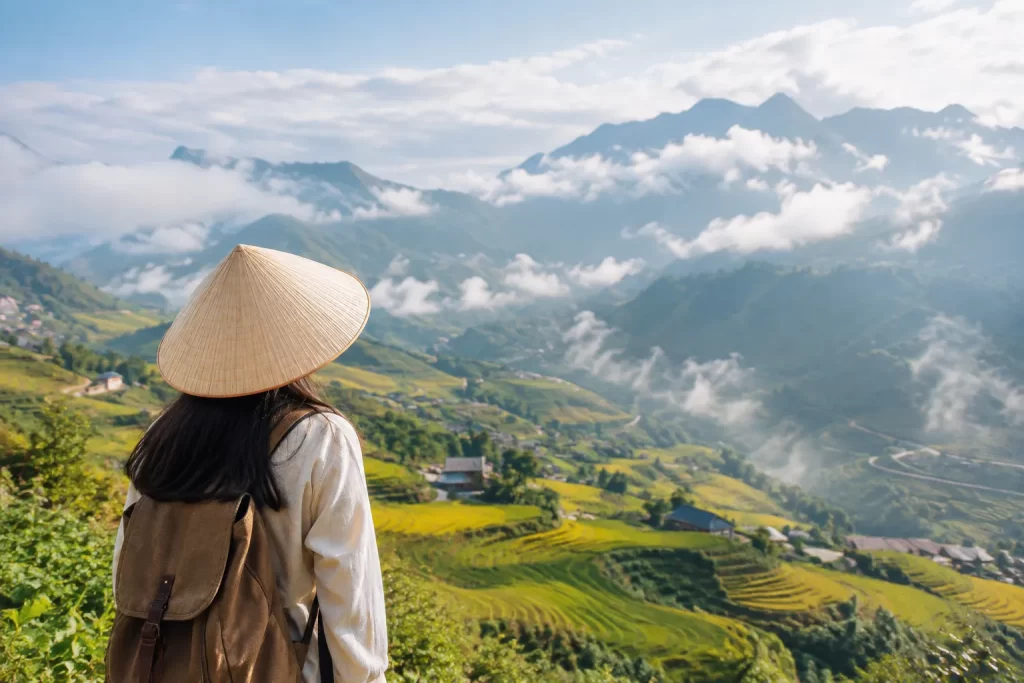
Sapa is a town in Vietnam’s northern highlands, surrounded by mountains and valleys. Rice terraces follow the contours of the slopes, creating a landscape that changes in appearance with cultivation and weather. The setting is central to the experience: even a short visit can involve looking out over a valley, walking a hillside path, or using town as a base for excursions.
The town and its surroundings offer different ways to spend time. Staying in town can make it easier to organize meals and local sightseeing, while a village stay places more emphasis on the rural setting. A walk can be a brief outing or part of a longer route through the hills. The right choice depends on whether your priority is convenience, scenery, or time on the trails.
For practical context on organizing a visit, see our Sapa travel guide. Use it alongside this overview: first decide what kind of landscape experience you want, then fit lodging and transport around that choice.
How Sapa differs from nearby northern Vietnam
Sapa is a highland destination, so its defining experiences are mountain views, valley trails, terraced fields, and village visits. Other northern Vietnam stops offer different landscapes and activities; for example, a visit to the Ha Long Bay landscape centers on a coastal seascape rather than a mountain trek.
That distinction can help you shape a broader itinerary. Choose Sapa when walking through upland scenery is a priority. Choose a different destination when you are more interested in another landscape or activity. If your trip includes several regions, avoid treating every stop as interchangeable: each one takes time to reach, explore, and enjoy.

What to See and Do in Sapa
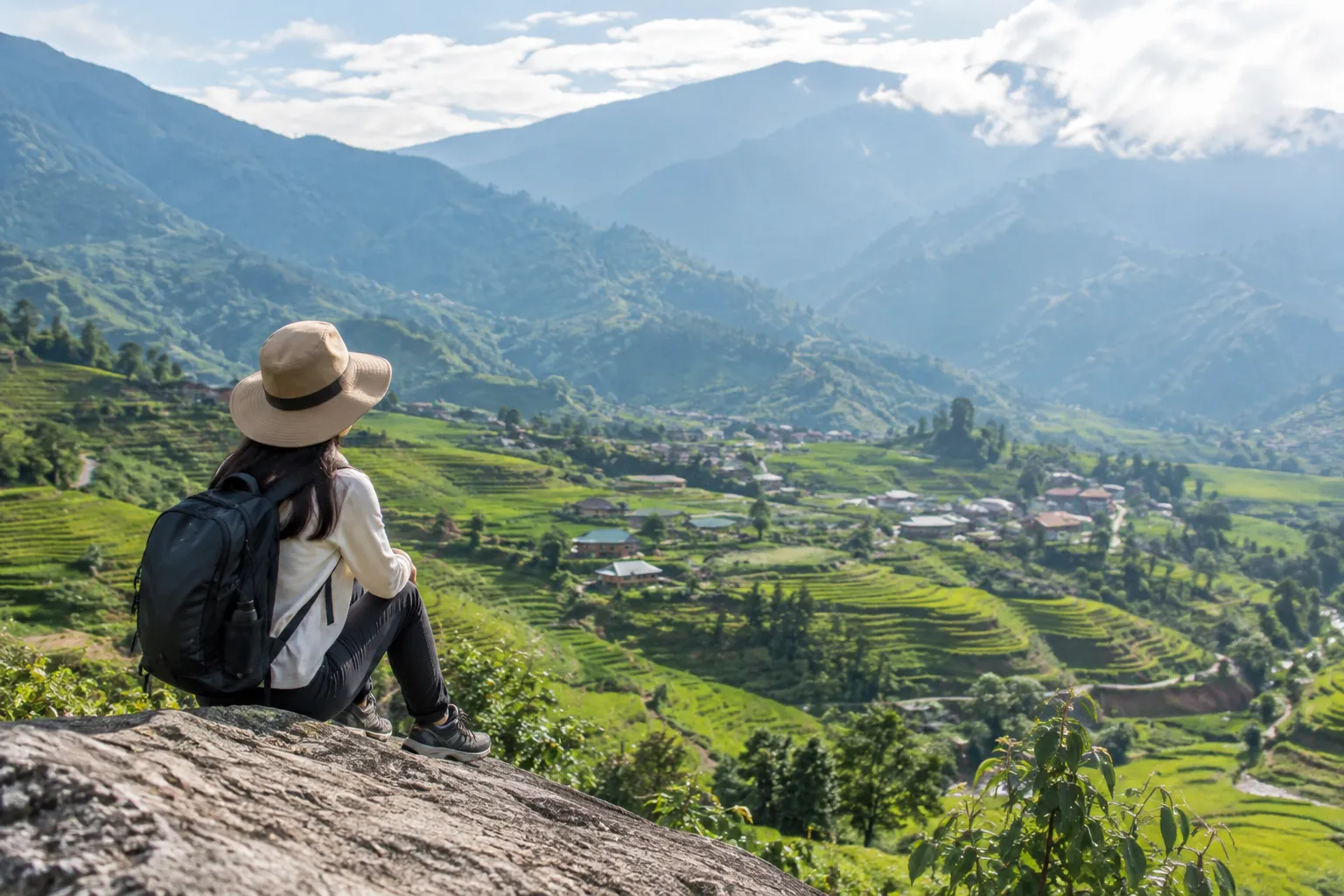
Sapa’s main experiences include trekking in the valleys, visiting Fansipan, exploring villages, and taking time to observe local culture. Choose among them according to your available days and preferred pace.
Trek through valleys and rice terraces
Walking is one of the clearest ways to experience the terrain around Sapa. A route through a valley can bring you close to terraced fields, streams, slopes, and settlements that are easy to miss from town. The walk itself may be the main activity, so consider the ground, elevation changes, and amount of time outdoors when deciding what suits you.
A guided walk can add local context and reduce the work of arranging a route independently. An independent walk may suit travelers who prefer flexibility and are comfortable working out their own directions and timing. Compare options by asking what route is included, how the day is organized, and whether the format matches your walking preferences.
Vietnam Trails Travel offers a three-day, two-night Sapa trek. The product name establishes its duration; review the product page for the itinerary and current booking details before deciding whether it fits your plans.
Visit Fansipan
Fansipan is a major mountain attraction associated with Sapa. Visitors can choose to approach it as a sightseeing outing or as a more physically demanding mountain experience, depending on the route and arrangements they select.
Before setting aside time for Fansipan, check the current access and transport details for your chosen visit. Conditions, operating arrangements, and the amount of time required can affect how well it fits alongside a trek or other plans. If your priority is walking through valleys and terraced scenery, decide whether Fansipan is a separate highlight or whether you would rather reserve that time for village routes.
Explore villages, markets, and local culture
Village visits and local markets can add context to the landscapes around Sapa. Treat them as places where people live and work, not simply as sightseeing backdrops. Ask before photographing individuals, follow local guidance, and be considerate when walking through homes, fields, or working areas.
Markets can be a way to see local goods and daily activity, but their schedule and character may vary. Check locally before building a specific market visit into a tight itinerary. If a visit is part of a guided outing, clarify how much time is set aside for it and whether the focus is walking, cultural context, shopping, or a combination.
When to Visit Sapa and What to Expect
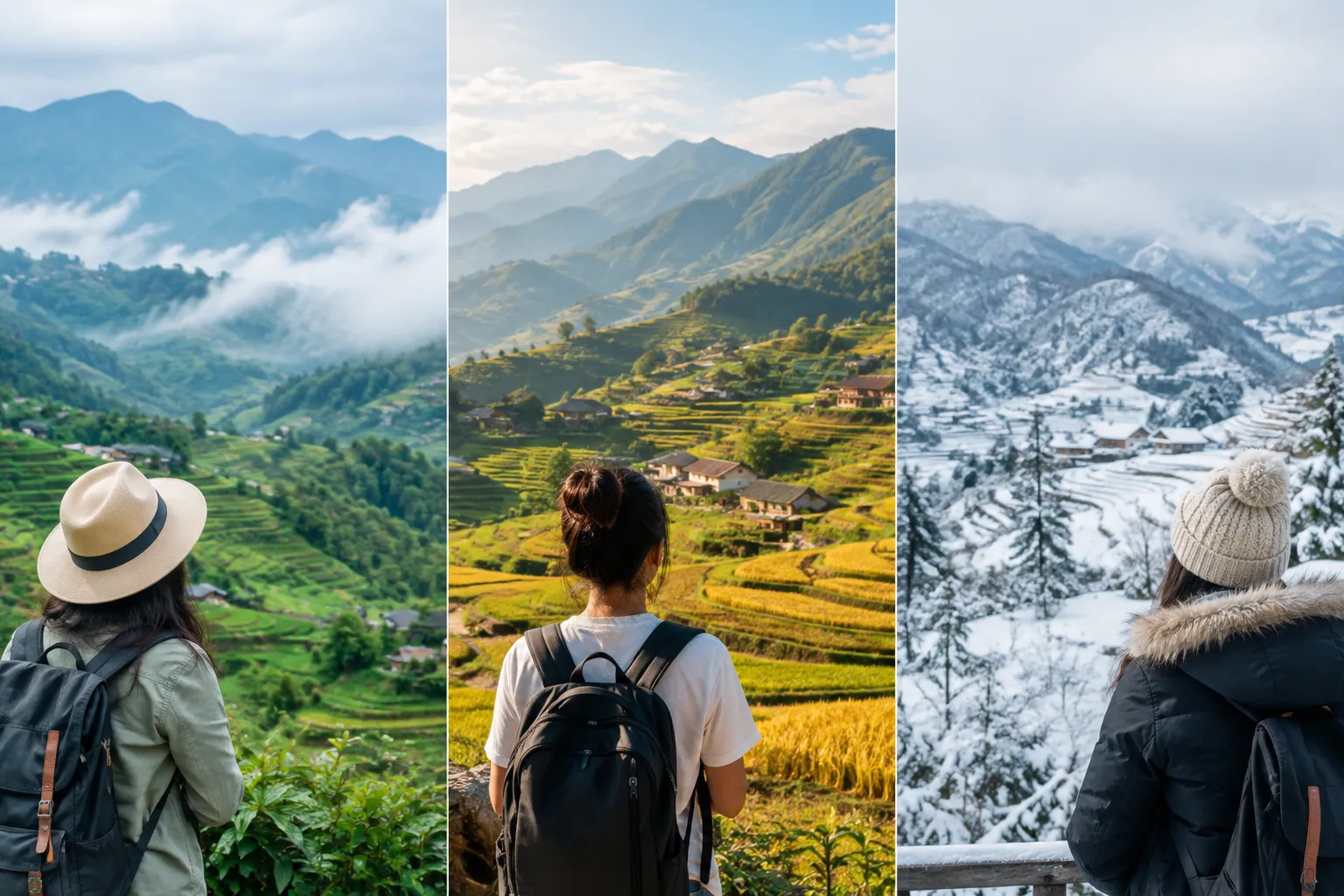
Sapa’s appearance and walking conditions vary through the year, so choose dates based on the scenery and activities you value, then check current local conditions before setting out.
Rice fields change as cultivation progresses, and mountain weather can affect visibility and trail conditions. A view that is clear on one day may be obscured on another, so avoid building an entire visit around a single forecast-dependent viewpoint. If walking is central to your plans, allow flexibility to change the order of activities.
When comparing Sapa with other northern destinations, think about the kind of landscape you want rather than assuming the same conditions everywhere. For a coastal contrast, read about the Ha Long Bay of Vietnam; it offers a different setting and calls for a different activity plan.
Before departure, check a current forecast and ask your lodging or local guide about the conditions on your intended route. Pack for variable weather and choose footwear appropriate for walking on uneven ground. If a particular view or trail is essential to your trip, keep an alternative activity in mind in case conditions change.
How to Get to Sapa
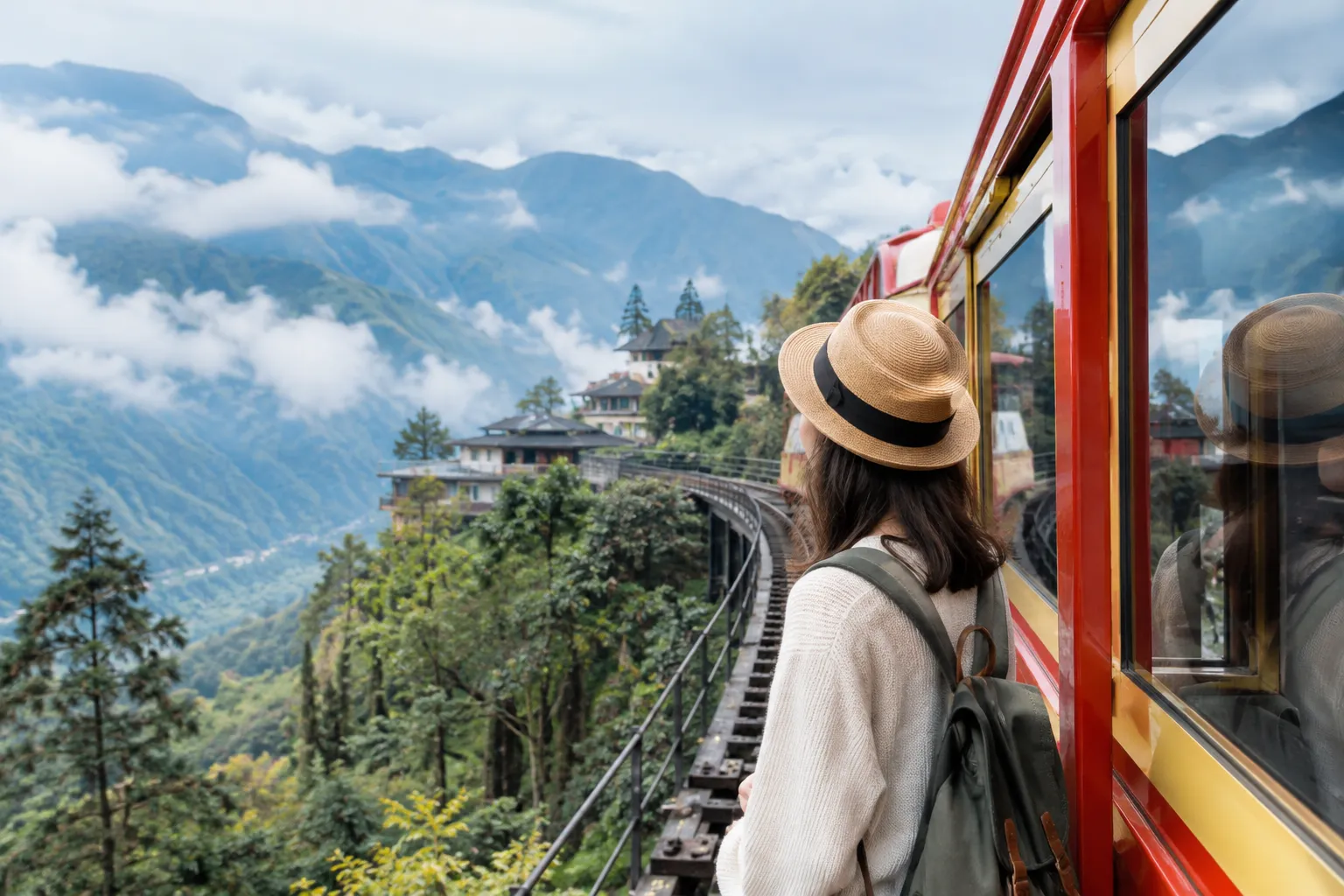
Most visitors plan a combination of transport to the region and a final transfer to their lodging or starting point. Confirm the full journey, not just the first departure, before booking.
Travel arrangements may involve a road journey or a combination of transport services. The right option depends on your origin, schedule, comfort preferences, and onward plans. Because provider routes and arrangements can differ, compare the specific service details rather than relying on a general estimate of travel time.
Use this checklist before you book:
- Verify the departure point and the arrival point, including whether the service ends in Sapa or elsewhere.
- Check the provider’s stated duration and whether it refers to the full journey or only one leg.
- Confirm whether transfers between stations, stops, or vehicles are included or need separate arrangements.
- Match arrival timing to your lodging check-in and any planned activity.
- Keep enough flexibility for delays, especially if a trek or other scheduled outing follows the journey.
If you are arranging transport independently, keep tickets and transfer instructions together and check them against the lodging location. If you are booking through an operator, ask what transport arrangements are included before comparing the overall convenience of the options.
Where to Stay in Sapa
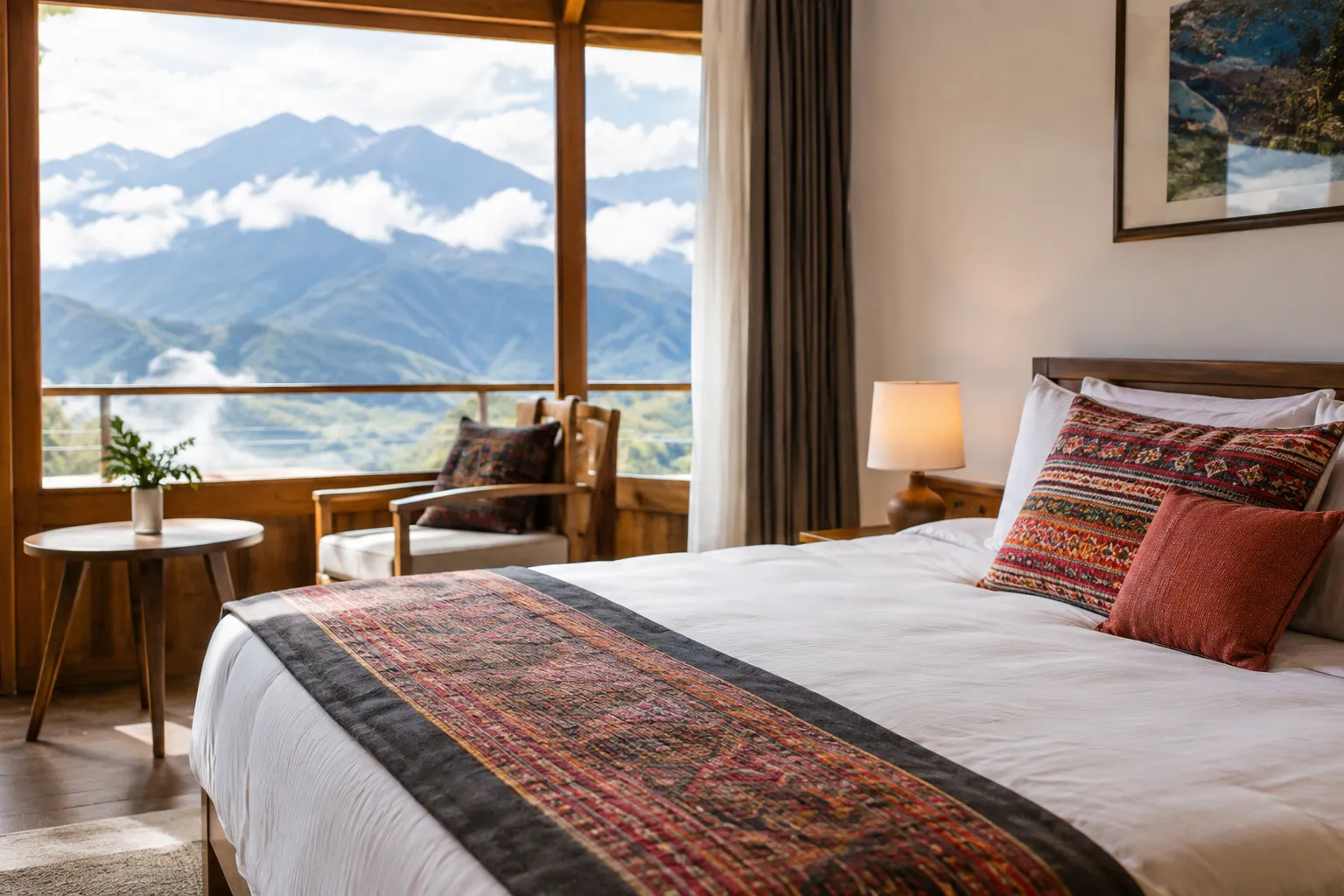
Choose lodging in town for convenient access to services, or consider a village stay if you want your accommodation to be part of a rural setting. Location affects how you start and end each day.
Town lodging can make it easier to reach restaurants, shops, and local services. It may also be a practical base if your plans combine several types of outings. A village homestay or lodge can place you closer to the countryside and may suit travelers who want a quieter, landscape-centered stay. The tradeoff is that you should check how you will reach it and whether that location works with your transport and activity plans.
Compare accommodation by location, access, and the experience you want—not just by its description. Before booking, confirm the exact address or meeting point, how you will arrive with your luggage, and whether the location makes sense for your planned walks. If you will move between town and villages, clarify what transport you will need each day.
Plan a Sapa Itinerary and Choose a Trekking Tour
A practical Sapa itinerary gives walking and sightseeing enough time without forcing every major attraction into the same day. Start with your total stay, then decide whether a guided multi-day trek fits your priorities.
A practical itinerary for a Sapa visit
Use this flexible sequence as a planning framework, not a fixed route:
- Settle in and explore Sapa town. Keep the first part of your visit light if you arrive after a long journey.
- Reserve a day for valley walking and terraced landscapes. Choose a route that matches your preferred pace and walking ability.
- Add a village visit or local market when timing and local arrangements make it practical.
- Set aside separate time for Fansipan if it is a priority, and check access arrangements before committing to the plan.
- Keep one activity flexible so you can adjust for weather, trail conditions, or a change in energy.
For a shorter stay, select one primary activity—such as a valley walk or Fansipan—and treat other stops as optional. With more time, you can spread out the walking and sightseeing rather than rushing between them. In either case, plan around actual arrival and departure details, not an assumed travel schedule.
Decide whether a guided three-day trek is right for you
A guided three-day trek may suit travelers who want to make walking a central part of their visit and prefer help with route planning. Independent trekking can suit people who value flexibility and are comfortable organizing their own route and logistics. Neither option is automatically right for every traveler.
| Consideration | Guided trek | Independent trekking |
|---|---|---|
| Route planning | The guided format is for travelers who want route planning included in the experience; confirm the actual route before booking. | You choose and organize the route yourself. |
| Pace | Ask how the planned walking pace fits your preferences and ability. | You control the pace, within your own schedule and route choices. |
| Local context | A guide may help explain the places along the route; confirm what the experience includes. | You decide how to learn about the places you visit. |
| Planning effort | A guided arrangement can reduce the number of separate decisions you make. | You handle route, timing, and other arrangements yourself. |
| Traveler fit | Consider this if you want structured support over multiple days. | Consider this if independence and flexibility matter most. |
For a fair comparison, look at the same itinerary and logistics on both sides. Check the route, number of walking days, overnight arrangements, transport connections, and what is included before comparing overall value. A lower booking price does not by itself show that two options cover the same experience; a higher one does not guarantee a better fit.
Vietnam Trails Travel’s Sapa Trekking Tour 3 Days 2 Nights is one option to assess against your available time and preferred format. Review the product page’s itinerary and booking terms, then compare those details with the arrangements you would make independently. If you would rather spend less time organizing or want flexibility to set your own route, independent planning may suit you better.
What Is There to See in Sapa, Vietnam?
Sapa’s highlights include mountain and valley scenery, rice terraces, walking routes, Fansipan, villages, and local markets. The right mix depends on whether you want a walking-focused visit, sightseeing, or both.
Take the Next Step
Turn your preferred pace and priorities into a simple plan, then check the trek details before choosing how to book.
- Choose whether walking, Fansipan, or village visits will be your main priority.
- Match your stay and transport arrangements to the time you have available.
- Compare the guided trek itinerary with the route and logistics you would plan independently.
