
 29 Nov 2026
 6 min read
Vietnam tunnels usually refers to the Cu Chi Tunnels, a wartime network near Ho Chi Minh City, but it can also mean other tunnel systems with different histories. Learn how Cu Chi fits into that broader history, what a visit involves, and whether a half-day trip suits your plans.
What people mean by the Vietnam tunnels
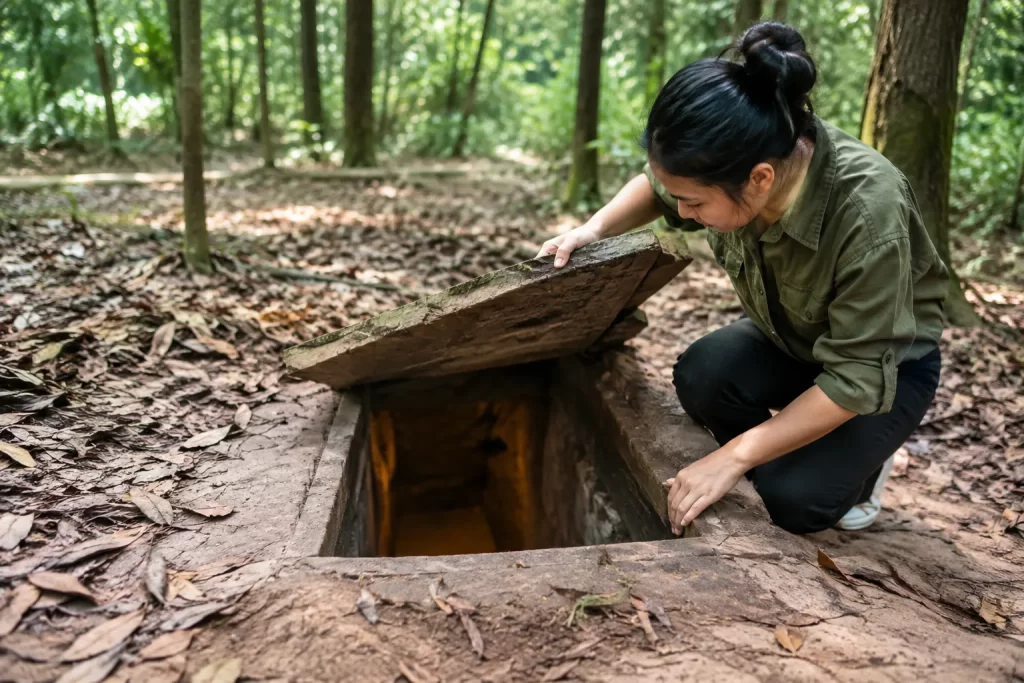
The phrase “Vietnam tunnels” most often points to the Cu Chi Tunnels near Ho Chi Minh City, though Vietnam has other underground systems with separate histories and locations.
Cu Chi is not one continuous tunnel stretching across Vietnam. It is a network associated with the Cu Chi area, while other tunnels belong to different places and periods. The distinction matters: a guide to the Vietnam underground tunnels should not treat them as one site or assume they shared the same purpose.
For travelers, the most familiar example is the Vietnam Cu Chi Tunnels, which are linked to wartime activity. Their location near Ho Chi Minh City makes them a practical historical excursion for visitors staying in the city. The broader story, however, includes other regions and military histories. For example, travelers interested in central Vietnam can explore a different historical context through a private DMZ day trip from Hue.
The Cu Chi site is often discussed as both a historical network and a visitor destination. Those are related, but not identical, subjects: the network’s wartime role is one question; what is accessible to visitors today is another. Keep that distinction in mind when comparing accounts or planning a visit.

How the Cu Chi Tunnels developed and were used
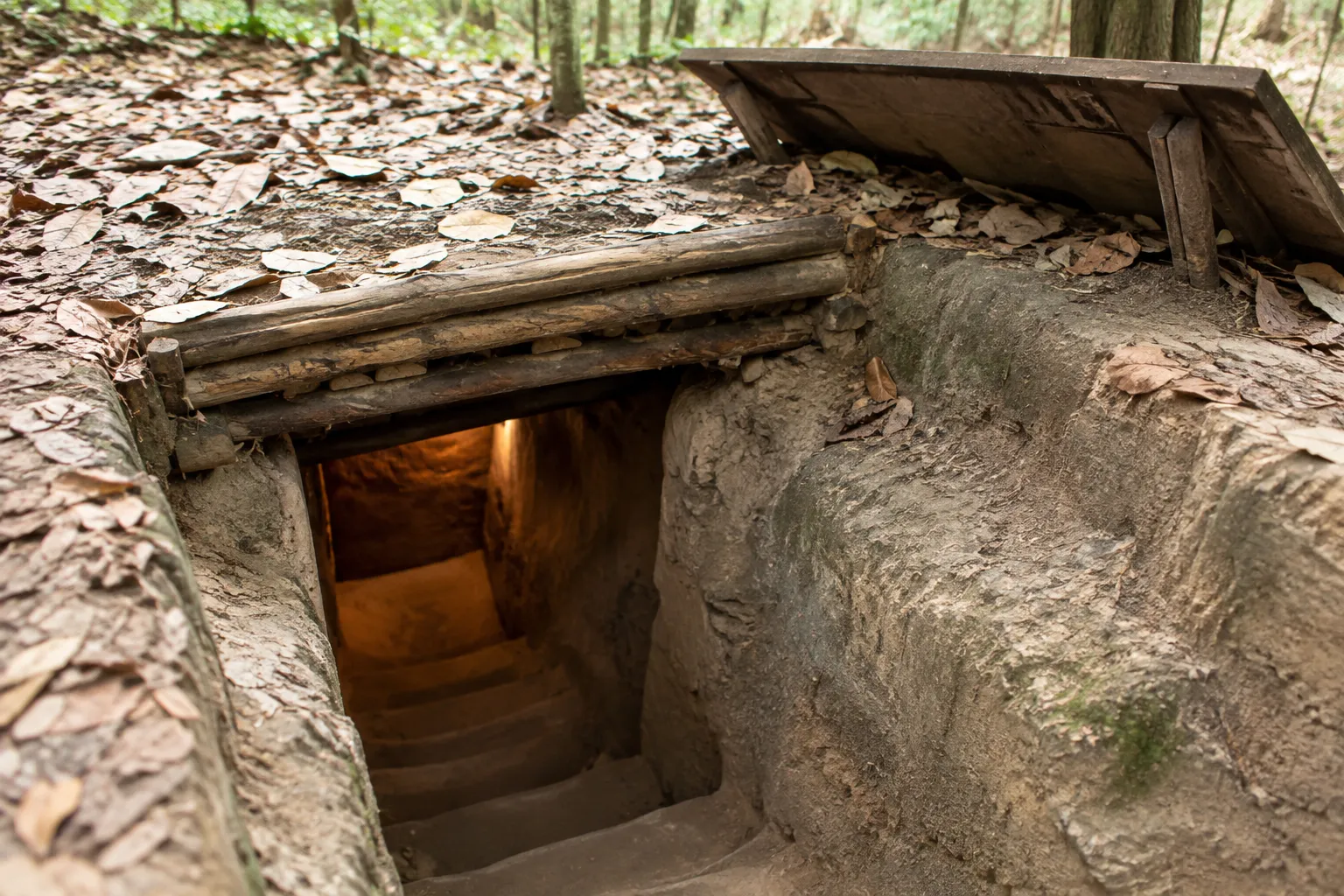
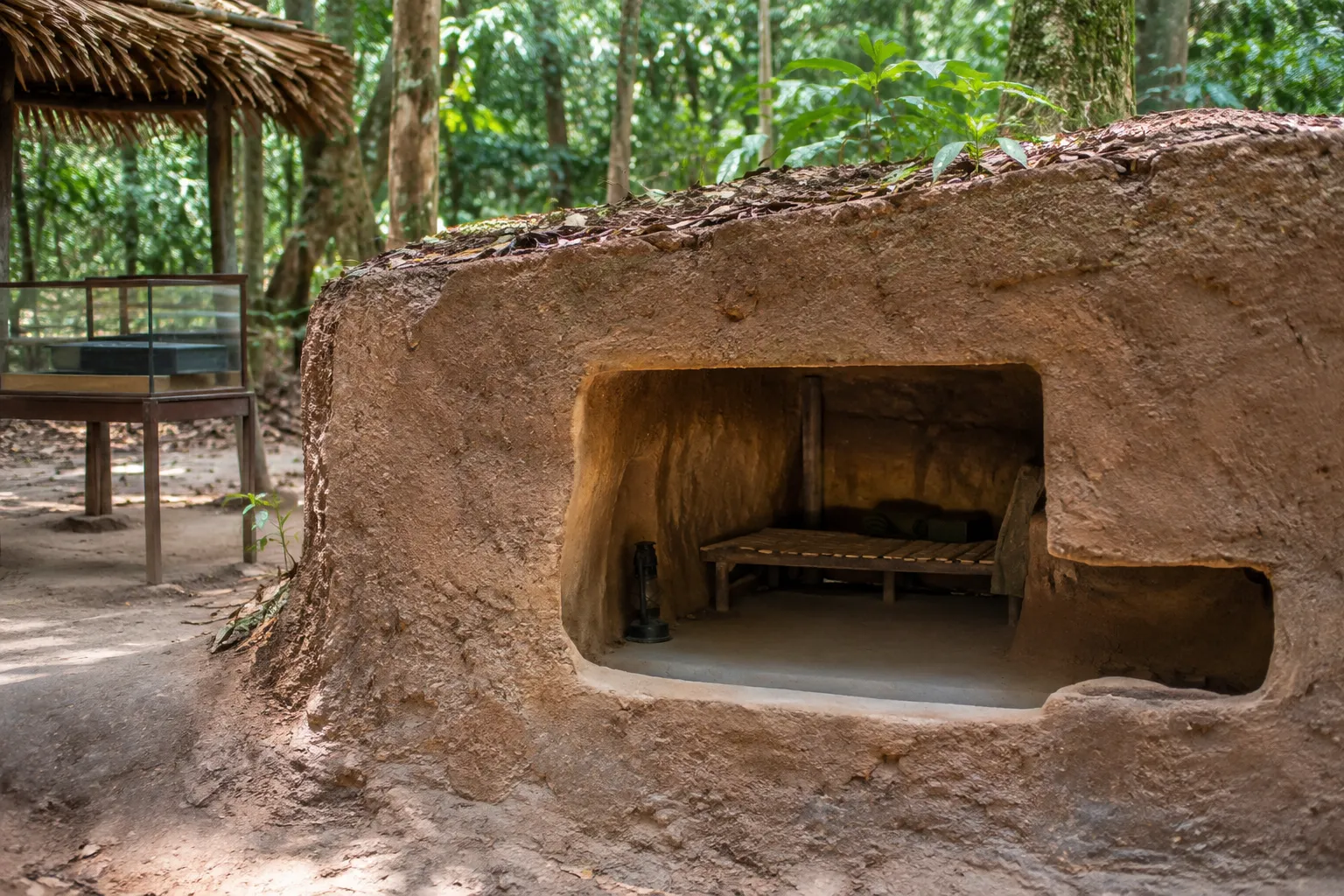
The Cu Chi network developed as a local wartime system used for movement and support, not as a single tunnel system connecting all of Vietnam.
A UNESCO World Heritage Centre tentative-list submission on Cu Chi describes the network’s development, layout, and historical significance. Tentative-list status means a place has been proposed for consideration; it is not the same as inscription on the World Heritage List.
During the Vietnam War, the tunnels served military purposes in the Cu Chi area. Underground routes provided a way to move and operate in a landscape where surface activity could be exposed. The network’s historical importance comes from its connection to local wartime conditions and the people who built and used it, rather than from representing every tunnel in Vietnam.
Descriptions of the system can make it sound like a uniform underground facility, but networks develop in response to local needs and circumstances. For visitors, that means the Cu Chi story is best understood as a specific regional history. A closer account of the Cu Chi tunnel network can help place this example in context without implying that other Vietnamese tunnels were part of the same system.
What visitors can expect underground
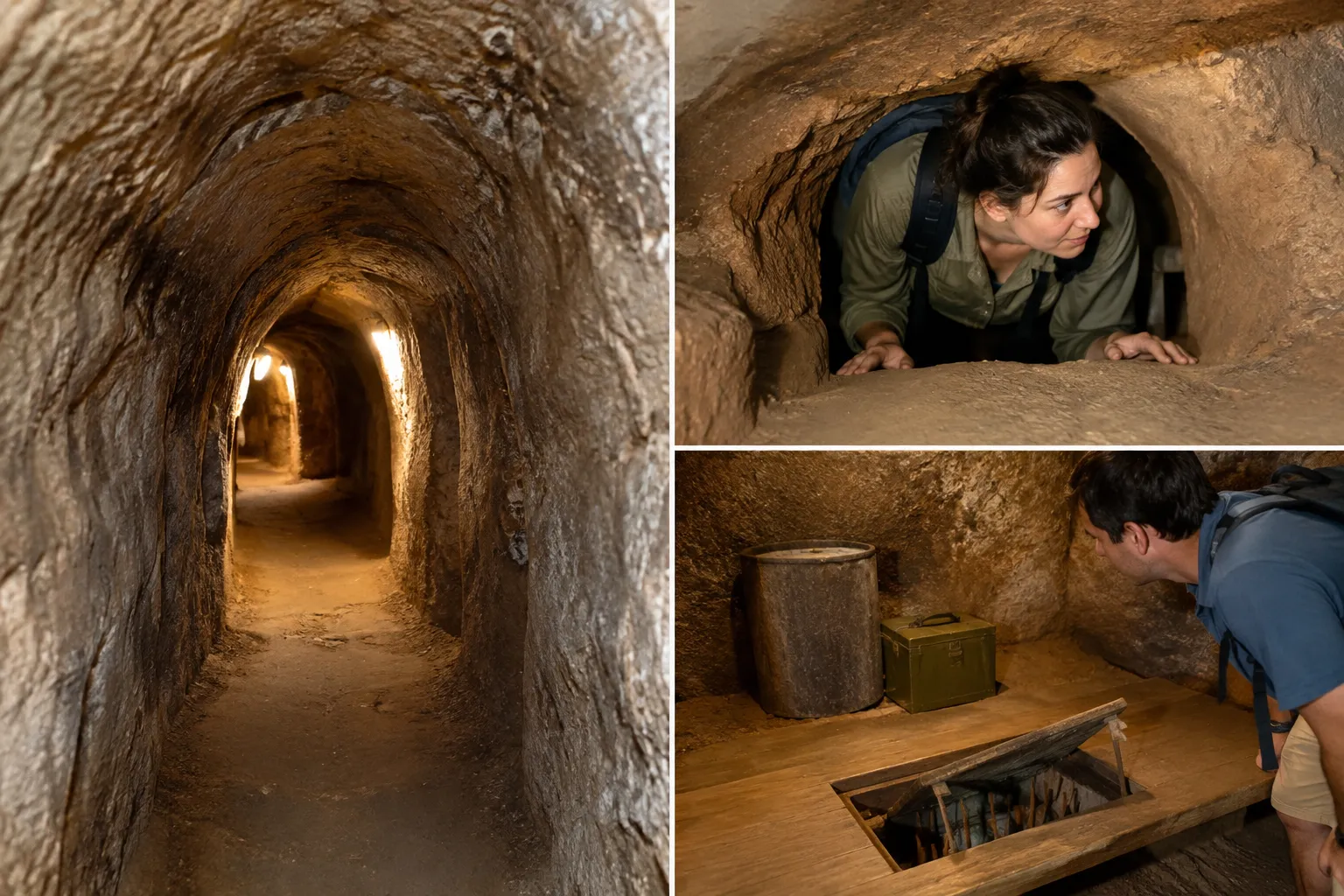
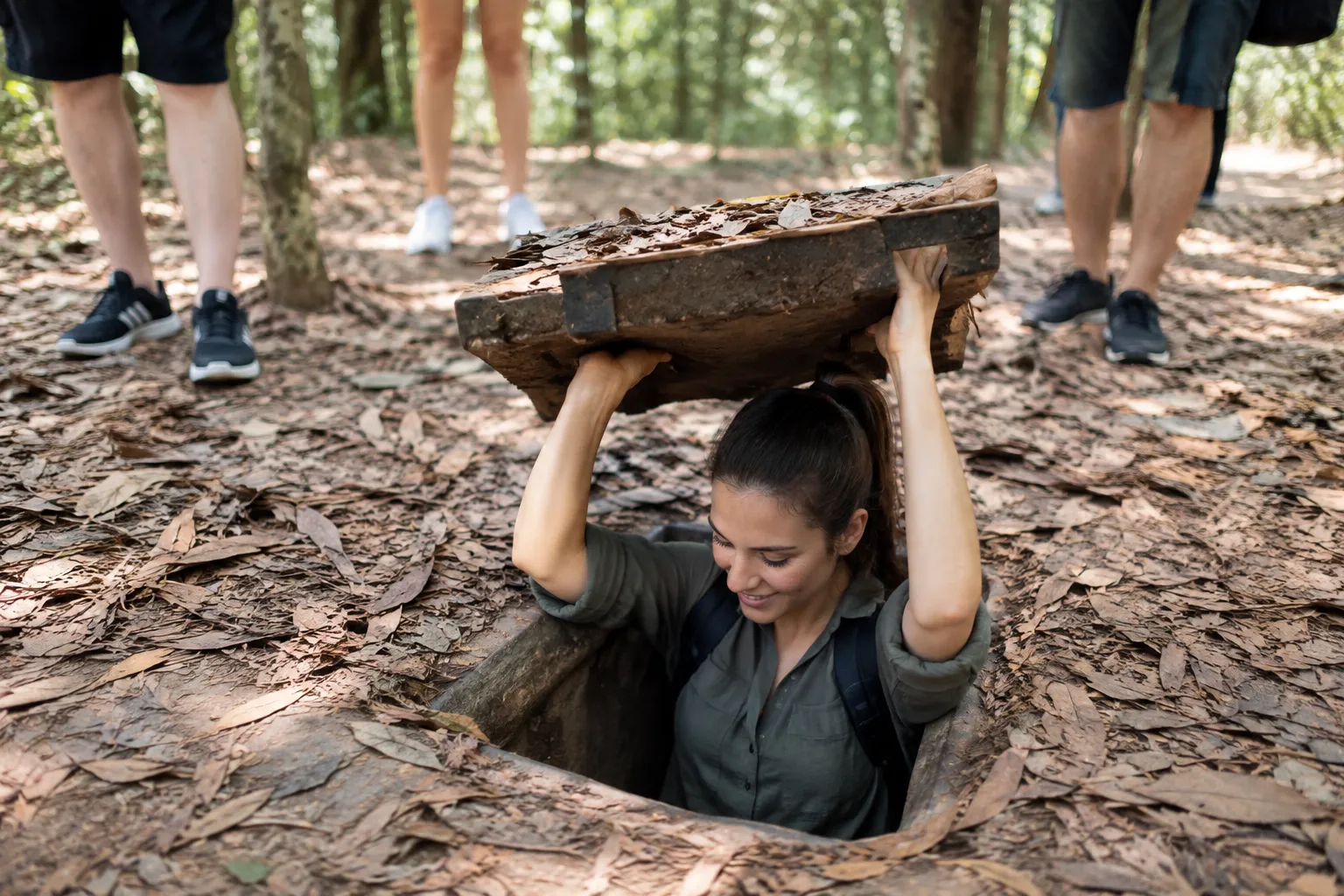
Visitors to Cu Chi can learn about the wartime network and may have the opportunity to explore sections, but the physical experience can feel close and confined.
A visit combines historical interpretation with a sense of the conditions associated with underground spaces. The tunnels are not simply a display of architecture: their narrow, enclosed character is part of what makes the site tangible. That same quality may be uncomfortable for some visitors, especially anyone who dislikes enclosed spaces or wants to avoid crawling or bending.
Do not assume every visitor must enter a tunnel to understand the site. You can decide how much of the underground experience you want after learning what the visit involves and what access is available that day. If you prefer to stay above ground, focus on the historical explanations and the visible context rather than treating entry as the only worthwhile part.
Descriptions and visitor experiences may vary by route and access conditions. Check current site information before traveling, and ask the tour operator what the visit includes if you are booking a guided trip. If confined spaces are a concern, decide in advance whether you are comfortable trying an underground section, and give yourself permission to skip it.
Plan a visit to the Cu Chi Tunnels
Plan the visit around travel from Ho Chi Minh City, the time you can set aside, and the site access available on your chosen day.
The tunnels are near Ho Chi Minh City, but a visit still requires arranging transport to and from the site. Independent travel may suit people who want to set their own pace and manage the route themselves. A guided trip can make the transport and visit part of one arranged outing, which may be useful if you would rather not coordinate each leg separately.
Before deciding, check these practical points:
- Confirm the current site access and visitor arrangements for your intended date.
- Allow for the journey as well as time at the site; do not plan only around the time spent underground.
- Decide whether you want a guide to provide historical context or prefer to explore at your own pace.
- Ask what the tour itinerary covers, how transport is arranged, and whether the planned visit includes access to tunnel sections.
- Consider your comfort with enclosed spaces and choose an approach that lets you opt out of entering if you prefer.
The value of a guided visit depends on what you want help with. If the main challenge is arranging transport and understanding the site in context, a tour may be worth considering. If you are comfortable organizing the journey and prefer flexibility, independent planning may fit better. Either way, verify current arrangements rather than assuming access or travel conditions will remain unchanged.
Choose a Cu Chi Tunnels half-day tour
A half-day tour can suit travelers who want a focused visit from Ho Chi Minh City without building a longer day around other destinations.
The main tradeoff is structure versus independence. A guided outing can combine the trip to the site with a planned visit, while independent travel gives you more control over your schedule and how long you stay. Neither is automatically the right choice: decide based on how much planning you want to do and whether historical guidance is important to you.
This is our product: Cu Chi Tunnels half-day tour. Review the current page details before booking, especially the itinerary and what is included, then compare those details with the arrangements you would make independently. The tour’s name identifies its half-day focus; check the product page for the current specifics rather than assuming a particular pickup, access arrangement, or activity.
A simple decision rule:
- Choose a guided half-day option if you want a structured visit and prefer not to arrange each part of the outing yourself.
- Choose independent planning if setting your own pace is more important and you are comfortable organizing transport and site logistics.
- Reconsider tunnel entry separately from the travel choice. A guided visit does not require you to enter a confined space if you would rather stay above ground; confirm the available options before you go.
Vietnam Tunnels FAQ
These answers distinguish the Cu Chi site from Vietnam’s other tunnel histories and address common visit questions.
What was the tunnel system in Vietnam?
The phrase usually refers to the Cu Chi Tunnels, a wartime network near Ho Chi Minh City used for movement and military support. Vietnam has other tunnels with distinct histories and contexts.
How do you pronounce “Cu Chi Tunnels”?
A common English approximation is “koo chee,” with “Cu Chi” spoken as two short syllables. Vietnamese pronunciation differs, so an approximation may not capture the original tones.
How claustrophobic are Cu Chi Tunnels?
The tunnels can feel confined because they are underground spaces with restricted room, and comfort varies by person. Check current visitor access and decide whether you want to enter or remain above ground.
Choose how you want to visit the Cu Chi Tunnels
Choose your visit by matching the travel arrangement, time commitment, and comfort level to the experience you want.
- Check current site access and visitor arrangements before choosing a date.
- Decide whether you prefer to arrange transport independently or take a guided half-day trip.
- Review the itinerary and inclusions for any tour you are considering, and choose whether entering a tunnel feels right for you.
A guided half-day visit offers a structured way to explore the Cu Chi history from Ho Chi Minh City; compare its current details with your independent-planning needs before booking.
