
 20 Nov 2026
 7 min read
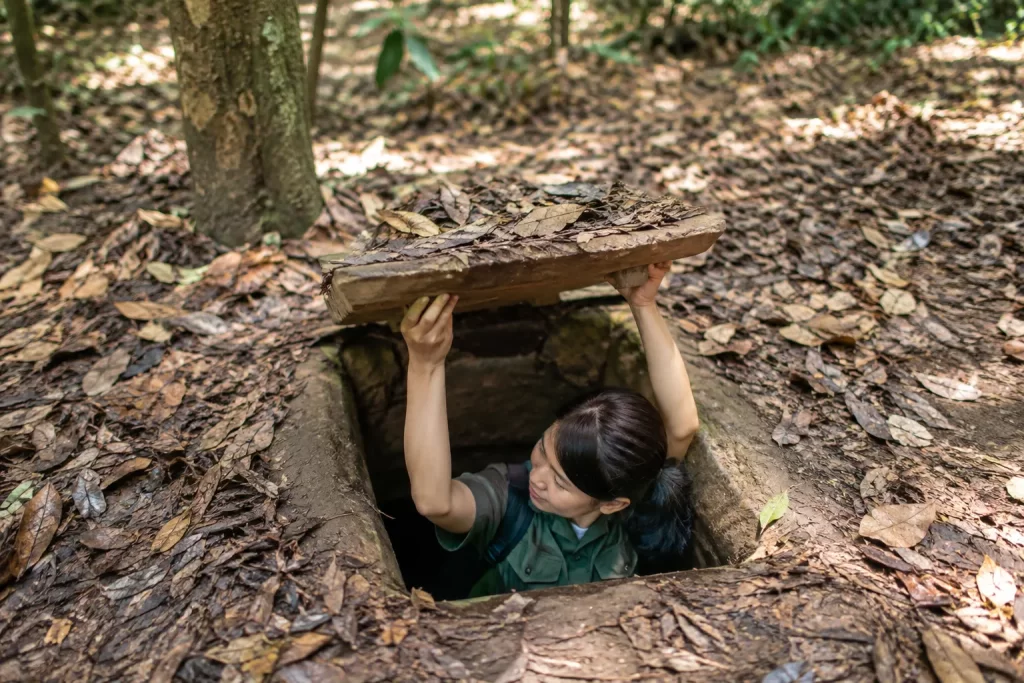
The Vietnam Cu Chi Tunnels are an underground network associated with the wartime history of Cu Chi, northwest of Ho Chi Minh City. They supported movement, shelter, communication, and military activity during the Vietnam War; visitors today can explore parts of the site and learn how the network functioned.
What the Cu Chi Tunnels Were and Why They Mattered
The Cu Chi Tunnels were a connected underground system used during wartime in southern Vietnam, serving as shelter and as routes for communication and movement. Their scale and strategic role made them a significant part of the conflict’s history.
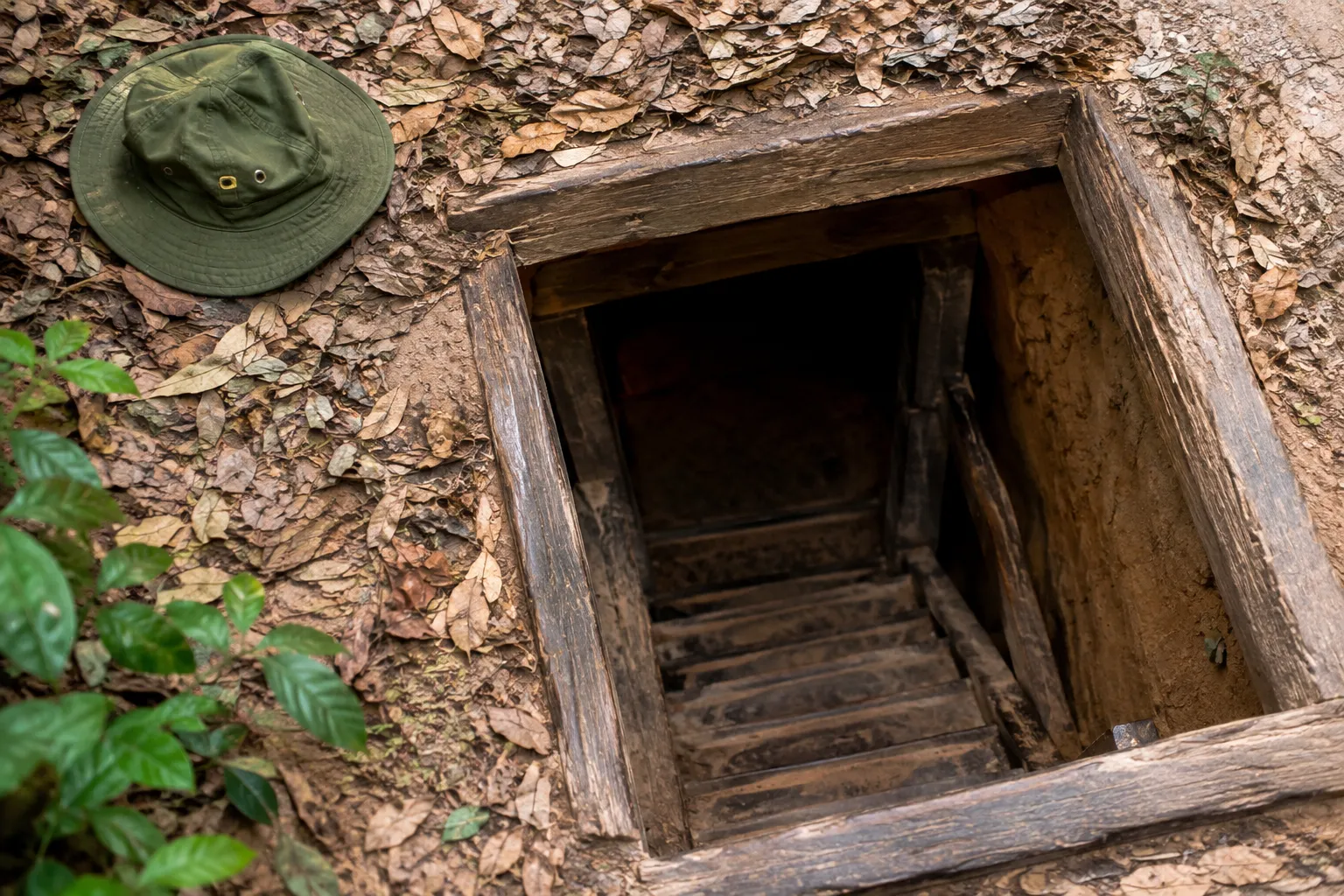
The tunnels were not simply a hiding place. They formed part of a larger system that helped people move through an area under military pressure, maintain contact, and organize activities out of sight. Their wartime significance came from the way underground infrastructure supported life and military operations in the region.
The UNESCO tentative-list submission on Cu Chi describes the tunnels’ wartime development, layout, and historical significance. Tentative-list status is not the same as World Heritage inscription. That distinction matters when describing the site: its history is substantial, but it should not be presented as a UNESCO World Heritage property.
For broader context on the war and its consequences, readers can also explore the War Remnants Museum, which provides a separate setting for learning about Vietnam’s wartime history. The tunnels and a museum visit offer different kinds of context: one focuses on a physical underground network, while the other approaches history through exhibits.
How the Tunnel Network Was Built and Used
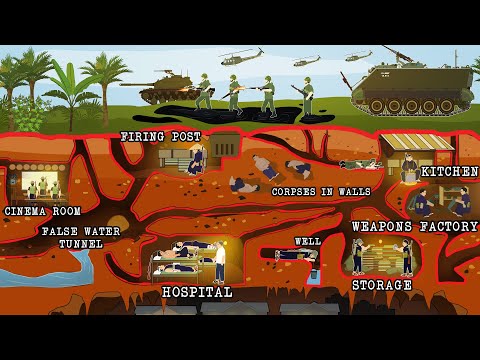
People dug and expanded the Cu Chi tunnels over time, creating underground spaces and routes that supported daily needs as well as wartime activity. The network’s value came from connecting functions, not from any single tunnel or chamber.
An underground system required more than passageways. People needed places to shelter, communicate, and carry out practical tasks while limiting their exposure above ground. The connected layout also allowed movement between areas, making the tunnels part of a wider system rather than isolated holes.
Life below ground came with serious constraints. Space, light, air, and access to everyday necessities were limited compared with life above ground. The tunnels should therefore be understood not as comfortable living quarters, but as infrastructure used under difficult wartime conditions. The historical record describes a network shaped by conflict and survival, not a visitor attraction designed for comfort.
The underground system also helps explain how war affected the surrounding landscape and communities. For a different historical perspective in Ho Chi Minh City, see the history of Independence Palace, a site connected to major events in the city’s past. Considering these places together can help visitors place the Cu Chi network within a broader account of the conflict, while recognizing that each site tells a different part of the story.
Wartime Tactics and the Challenges of Fighting Underground
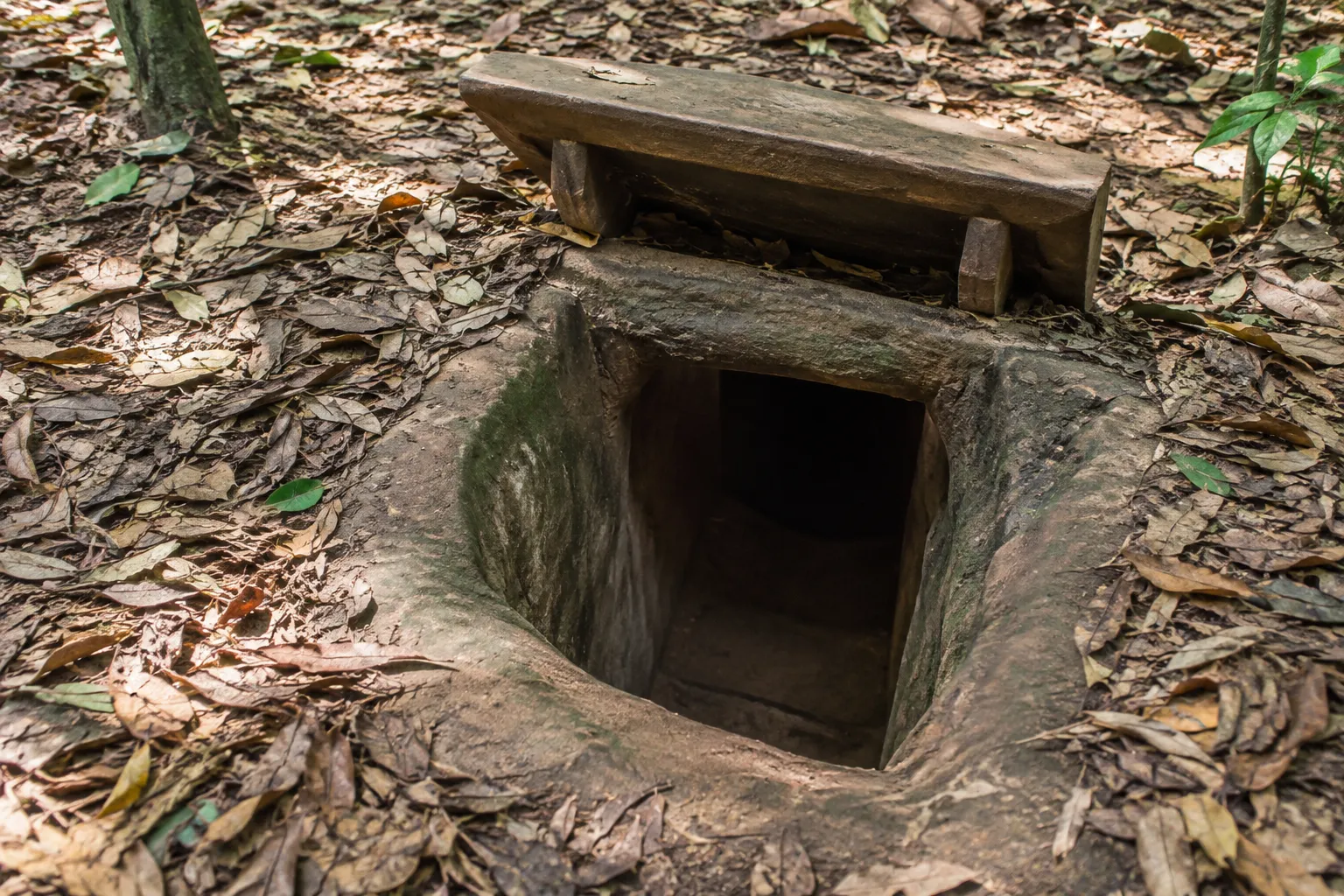
The tunnels complicated military operations because an underground network could conceal movement and provide shelter, while its hidden routes made it difficult for opposing forces to locate and navigate.
Above ground, forces could observe roads and terrain; below ground, visibility and movement were restricted. A tunnel system could let people change location without using exposed routes, and its concealed entrances made detection difficult. Once underground, unfamiliarity with the layout created another challenge: a narrow passage offers little room to see, turn, or move equipment.
These conditions shaped the tactics of both sides. People using the network could take advantage of concealment and knowledge of the local system, while those trying to find or enter it faced cramped spaces and uncertainty about where passages led. The result was a distinct kind of fighting in which terrain, access, and information mattered as much as movement above ground.
The tunnels were one part of a much wider conflict, not a standalone explanation for it. Readers interested in another region’s wartime history can consider a Private DMZ day trip from Hue; the DMZ and Cu Chi are separate places with different historical settings, so they should not be treated as interchangeable experiences.
What to Expect on a Cu Chi Tunnels Visit
A visit gives travelers a chance to learn about the tunnel network on site and encounter parts of its underground setting, but the experience is distinct from studying the history in a book or museum.
A guided visit can help connect the physical layout to the network’s wartime uses. As you move through the site, consider how concealed entrances, narrow passages, and underground spaces relate to the broader roles of shelter, communication, and movement. The experience is most useful when the physical features are understood as evidence of a difficult historical context, rather than as attractions detached from that context.
Some visitors may want to enter a tunnel section; others may prefer to stay above ground and focus on the interpretation and site layout. Personal comfort and mobility can affect which parts of a visit feel suitable. Check the tour details and any current site guidance before deciding what you plan to do, rather than assuming every visitor will have the same experience.
Travelers comparing independent arrangements with a guided visit can weigh the tradeoff plainly. Planning independently leaves you in control of transport and timing; a guided tour is a way to visit with an organized tour experience. If you are considering that option, review the Cu Chi Tunnels half-day tour to see whether it fits your plans. The product name establishes the half-day format, but the page is where to check the current itinerary and practical details before booking.
Ben Dinh and Ben Duoc: How the Sites Differ
Ben Dinh and Ben Duoc are two visitor areas associated with the Cu Chi tunnel network, and choosing between them means checking which location and visit format suit your plans.
The sites are not interchangeable labels for a single entrance. Their names refer to different places, so confirm which one a proposed visit covers before arranging your day. If your priority is to connect the tunnel system’s history with an on-site visit, check the itinerary’s named location and what the visit includes. Avoid assuming that details for one site apply to the other.
This distinction is also useful when comparing tours. A tour’s stated destination tells you more than a general reference to “the tunnels”: look for the named site, the planned visit, and the amount of time allowed there. If you are arranging transport independently, confirm the destination before setting out so that your transport plan matches the site you intend to visit.
Cu Chi Tunnels FAQ
These answers address common questions about the network’s history, wartime significance, and whether an on-site visit suits your interests.
How many people died in the Cu Chi Tunnels?
There is no single death toll established here for people who died inside the Cu Chi Tunnels. The question can refer to different groups and causes, so avoid treating an unsupported number as a definitive count.
What are Cu Chi Tunnels famous for?
The Cu Chi Tunnels are known for their extensive wartime underground network and its role in shelter, movement, and military activity. Their concealed layout illustrates how people used the terrain during the Vietnam War.
Is Cu Chi Tunnels worth visiting?
A visit may suit travelers who want to see an underground site connected to the Vietnam War and learn about its historical use. Those who prefer to study the subject through museums or reading may choose that instead.
Did the US know about the Cu Chi Tunnels?
U.S. forces sought to locate and deal with tunnel systems during the war, but the hidden network and difficult underground conditions complicated that effort. The tunnels’ wartime history is documented in Vietnam’s UNESCO tentative-list submission.
Plan Your Cu Chi Tunnels Visit
To plan a visit, first decide whether an organized half-day tour fits your schedule and whether you want a guided experience rather than arranging transport and activities independently.
Check the named visitor site and the itinerary details before choosing. If you prefer to plan independently, confirm the destination and transport arrangements for the specific site you intend to visit. If you want a guided option, review the product page for the current itinerary and practical information, then compare those details with your own schedule and priorities.
For historical context beyond the tunnels, decide whether you also want to visit a museum or another site in Ho Chi Minh City. Keeping those visits distinct can make your plans clearer: the tunnels focus on an underground wartime network, while other historical sites offer different perspectives on the conflict and its legacy.
- Choose whether you want a guided visit or prefer to arrange transport and activities independently.
- Check which Cu Chi visitor site the itinerary names and confirm the current visit details.
- Compare the planned visit with your schedule and decide what kind of historical experience you want.
- Review the dedicated tour page before booking to check whether its details fit your plans.
Explore the Half-Day Tour
Review the tour details to decide whether a guided visit fits your schedule and the way you want to explore the Cu Chi Tunnels.
