
 23 Nov 2026
 7 min read
Sapa weather Vietnam varies with season, elevation, and changing conditions, so no single forecast describes every day. Spring and autumn are often considered comfortable periods for outdoor plans, but check a live forecast for your dates before choosing what to pack or whether to trek.
How to check Sapa weather for your travel dates
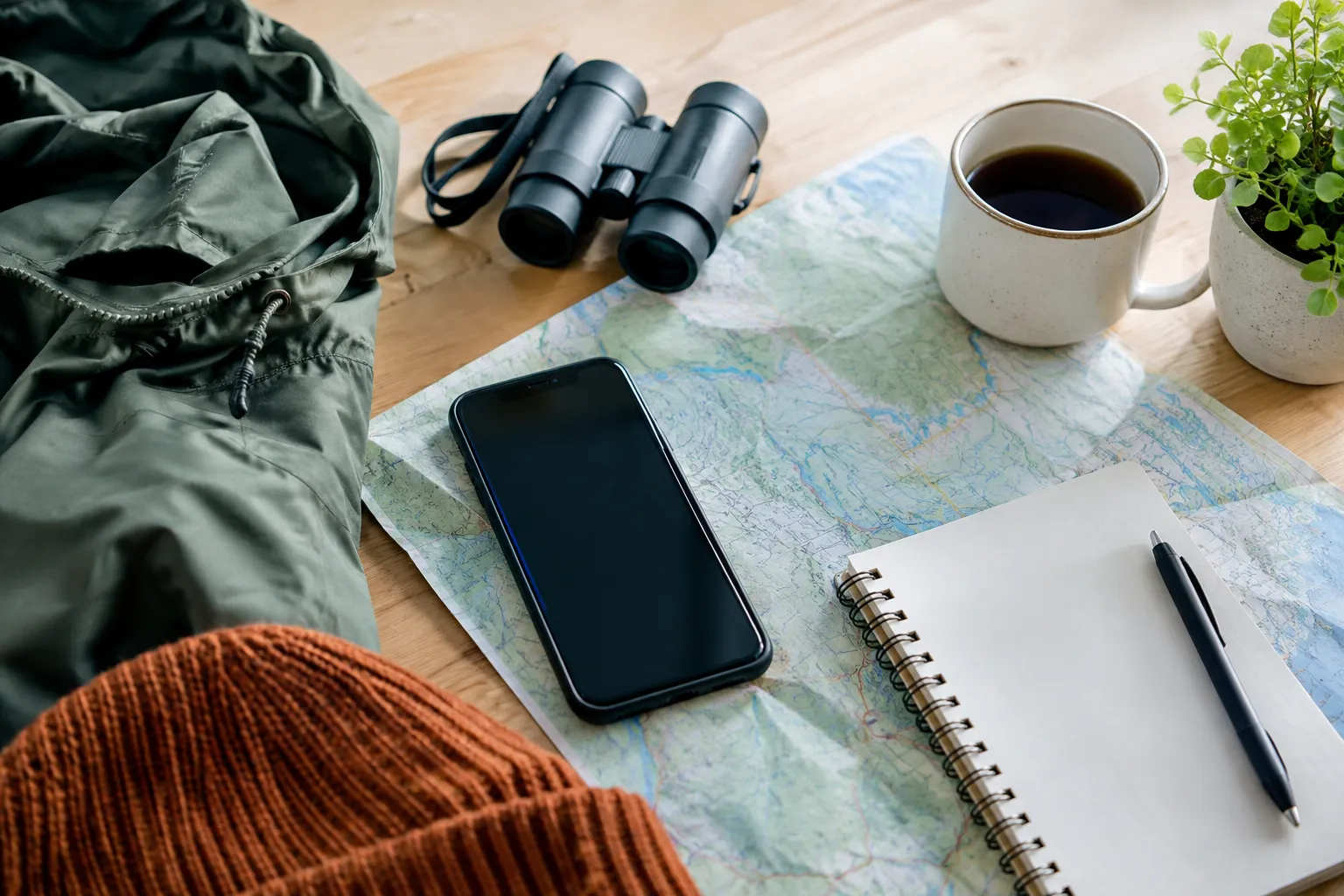
For Sapa weather in Vietnam, use a current forecast for your exact travel dates and check it again close to departure; conditions can change, and a seasonal description cannot tell you what a particular day will bring.
Look beyond a single temperature. Review the forecast’s daily highs and lows, precipitation, cloud or fog conditions, and wind if available. Hourly details can help you decide whether to start a walk early, carry rain protection throughout the day, or leave a more exposed route for another time. A forecast for Sapa town may not describe conditions along a higher or more exposed section of a trek, so keep some flexibility in your plans.
Check the forecast at two useful points: while planning, to compare possible travel dates, and again shortly before leaving, to prepare for the conditions that are actually expected. If the forecast changes, adjust your clothing and outdoor plans rather than relying on what you packed for a different season. A warm afternoon forecast does not remove the need for a layer when temperatures fall later.
Our Sapa travel guide can help with broader destination planning alongside the weather check. If you are weighing an organized trek against arranging your own plans, review what the Sapa Trekking Tour 3 Days 2 Nights is called and offered as before deciding whether that type of trip fits your schedule. The weather forecast helps you prepare; it cannot guarantee what conditions will be on a trail.

How Sapa’s weather changes through the seasons
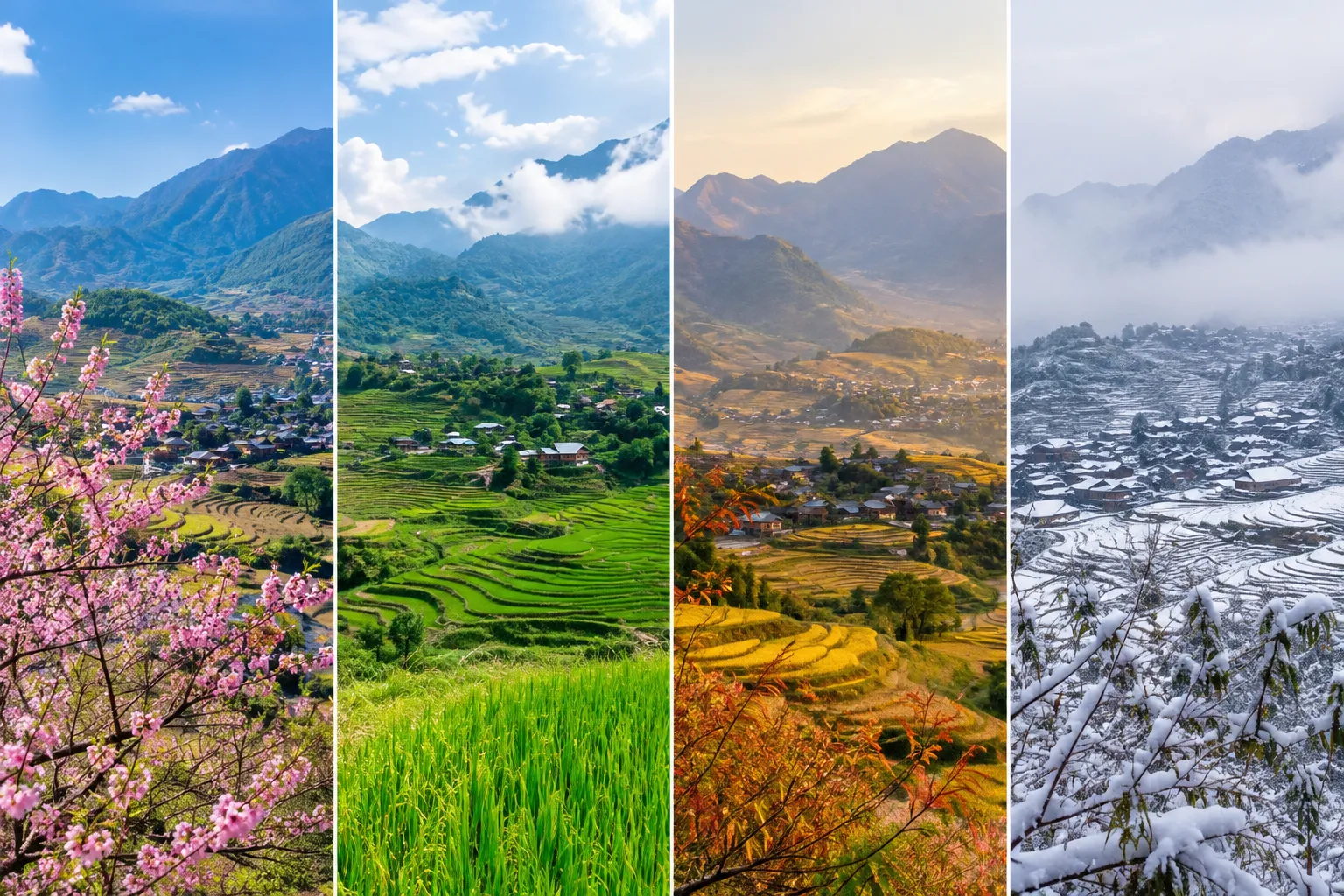
Sapa has distinct seasonal patterns, but travelers should treat them as planning context rather than a promise about the weather on a particular date.
Spring and summer conditions
Spring can bring changeable conditions, including cool periods, moisture, and mist; as the season progresses, temperatures may feel warmer. For walking, that can mean starting out comfortable in a light layer and needing to adjust later. Carry a packable waterproof layer even if the morning looks clear, and check the forecast before committing to a longer outdoor plan.
Summer is generally warmer and wetter than winter, with rain more likely to affect outdoor schedules. A wet day can make exposed paths uncomfortable and may change how much time you want to spend outside. Build flexibility into the day rather than planning every activity around uninterrupted walking. A forecast showing rain does not tell you exactly how much will fall or how long it will last, so use the latest details and make a practical decision for your route.
For travelers choosing between these seasons, consider what matters more: the chance of warmer weather or a greater need to prepare for rain and changing plans. Neither seasonal label guarantees clear views or a particular trekking experience. If you are combining Sapa with central Vietnam, a separate day trip from Hue to the DMZ is a different kind of itinerary, not a substitute for checking mountain conditions.
Autumn and winter conditions
Autumn is often a popular time to plan outdoor days because conditions may be more comfortable for walking than during wetter periods. Still, cool spells, mist, and rain can occur, so check the forecast for your dates instead of assuming that a generally favorable season means clear skies. If scenery is a priority, allow time in your schedule for visibility to vary.
Winter can feel cold, particularly for visitors arriving from a warmer climate, and conditions may be damp or foggy. Pack a warm layer and a rain-resistant outer layer, and avoid assuming that a mild forecast during the day will feel the same after sunset or while standing still. A short walk with frequent stops calls for different comfort planning than continuous movement.
The practical question is not simply which season is “best,” but which trade-offs suit your trip. If you want more flexibility for outdoor plans, leave room to change the timing of a walk. If your dates are fixed, plan for a range of conditions and let the forecast guide your final clothing choices. Travelers who would rather focus on scenery and walking than coordinate each detail themselves may compare a guided trek with independent arrangements; others may prefer the control of planning their own route.
What to pack for Sapa’s changing weather
Pack for layers, possible rain, and walking on uneven or wet ground; the forecast for your dates should determine how warm and water-resistant those layers need to be.
Start with clothing you can add or remove without changing your whole outfit. A comfortable base layer, a warm mid-layer, and a light outer shell provide more flexibility than one heavy item. The exact combination depends on the forecast and your comfort in cool weather. For example, a clear, mild morning followed by a cooler evening calls for a layer you can carry during the day and put on later.
Bring rain protection that works for walking, not just for a short dash between buildings. A compact waterproof jacket keeps your hands free; an umbrella may be useful in town but can be awkward on a trail or in wind. A pack cover or a waterproof bag for items you need to keep dry can help protect spare clothing and electronics. If the forecast is wet, pack a dry change of socks and keep it separate from damp items.
Choose footwear for grip, comfort, and the conditions you expect. A pair that feels secure on a dry sidewalk may be less comfortable on a muddy or slick path. Wear shoes you already know fit well, and consider how much walking your itinerary includes before choosing between lighter footwear and more supportive shoes. Avoid relying on a brand-new pair for a long outdoor day without first wearing it.
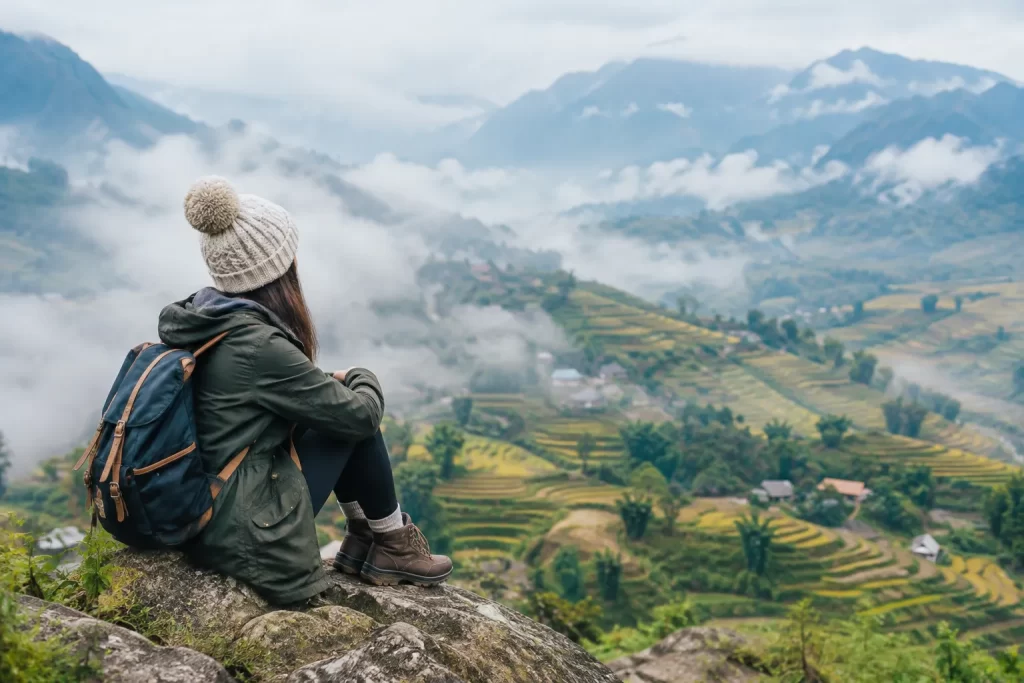
Think about the whole day, not just the temperature at breakfast. A useful packing check is to ask: What will I wear if it is cool? What can I add if rain starts? What will stay dry if my outer layer gets wet? This makes the list responsive to the forecast rather than tied to a generic seasonal checklist. To picture the landscape your clothing and footwear need to suit, see Sapa’s mountain scenery.
Sapa’s weather can also affect comfort and exertion outdoors. If you have a health condition or specific concerns about your ability to walk in cold, wet, or changing weather, consult a qualified professional about your own circumstances before planning strenuous activity.
Check the forecast before planning a Sapa trek
Check the forecast for your travel dates, then decide whether your route, clothing, and schedule suit the expected conditions; a guided trek is one option, not a requirement.
Use the forecast to make three decisions. First, decide whether the planned outdoor time feels appropriate for the expected weather. Second, choose layers, rain protection, and footwear for those conditions. Third, keep a fallback option in mind if rain, fog, or cold makes the original plan less appealing. You do not need to cancel a trip simply because the forecast is unsettled, but you should avoid treating a changeable forecast as certainty.
A guided itinerary can suit travelers who prefer not to coordinate every detail independently. Before choosing one, compare the itinerary and duration with your own priorities, and check the product page for the details that matter to you. A guided option may be less suitable if you want full control over the route and timing or prefer to make decisions day by day without an organized itinerary. Neither approach removes the need to prepare for weather.
If you are comparing the Sapa Trekking Tour 3 Days 2 Nights with independent planning, use the same questions for either choice: Does the time commitment fit your trip? Do you understand what the itinerary covers? Would you rather have a set tour or retain more flexibility? Weather preparation remains your responsibility whichever option you choose, and no tour name alone establishes how a particular day’s conditions will feel.
Sapa Weather FAQ
When to avoid Sapa in Vietnam?
There is no single season every traveler needs to avoid; consider changing or postponing an outdoor plan when the current forecast makes the expected conditions unsuitable for your comfort or intended route.
What to wear to Sapa Vietnam?
Wear adaptable layers, a weather-resistant outer layer, and comfortable footwear with grip; use the forecast for your dates to decide how warm or rain-ready your clothing should be.
Recommended next steps
- Check a live forecast for your Sapa travel dates, including daily highs and lows and hourly details when available.
- Compare the expected conditions with the amount and type of walking you plan to do.
- Choose layers, rain protection, and footwear that suit the forecast and your comfort.
- Decide whether you prefer to arrange your trek independently or compare a guided itinerary.
- Recheck the forecast close to departure and adjust your outdoor plans if conditions change.
Plan Your Sapa Trek
Review the itinerary and compare it with your travel dates, preferred level of flexibility, and forecast-led packing plan.
