
 21 Nov 2026
 7 min read
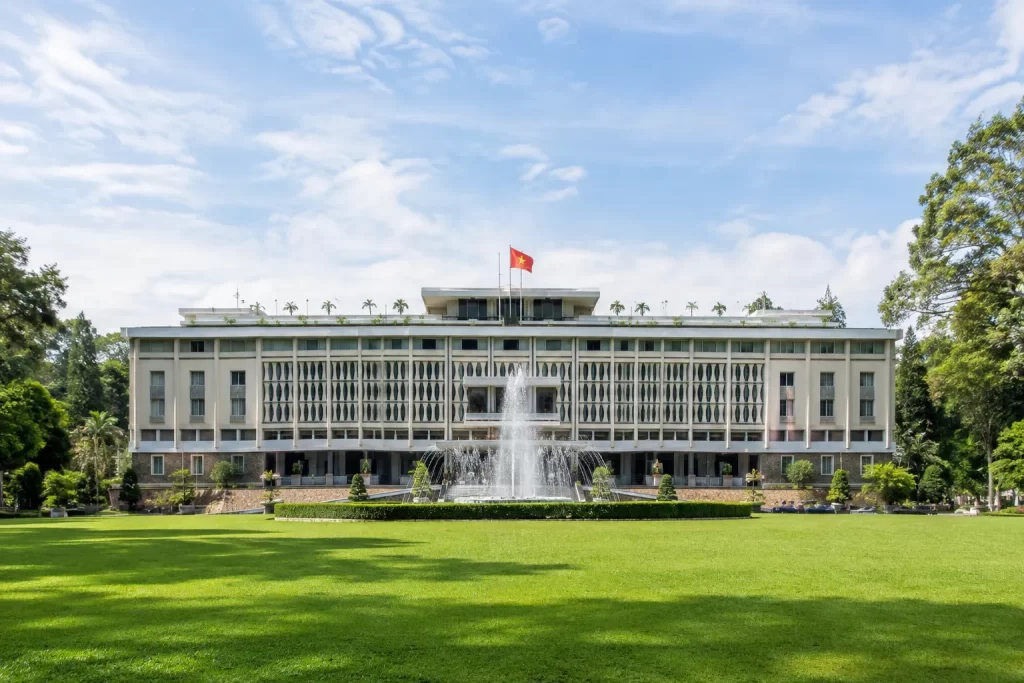
The Independence Palace in Ho Chi Minh City is a former seat of government and a landmark associated with the end of the Vietnam War. This guide explains its history, the spaces to look for, and how to plan a visit or consider it within a city day tour.
How the Independence Palace became a landmark of modern Vietnam
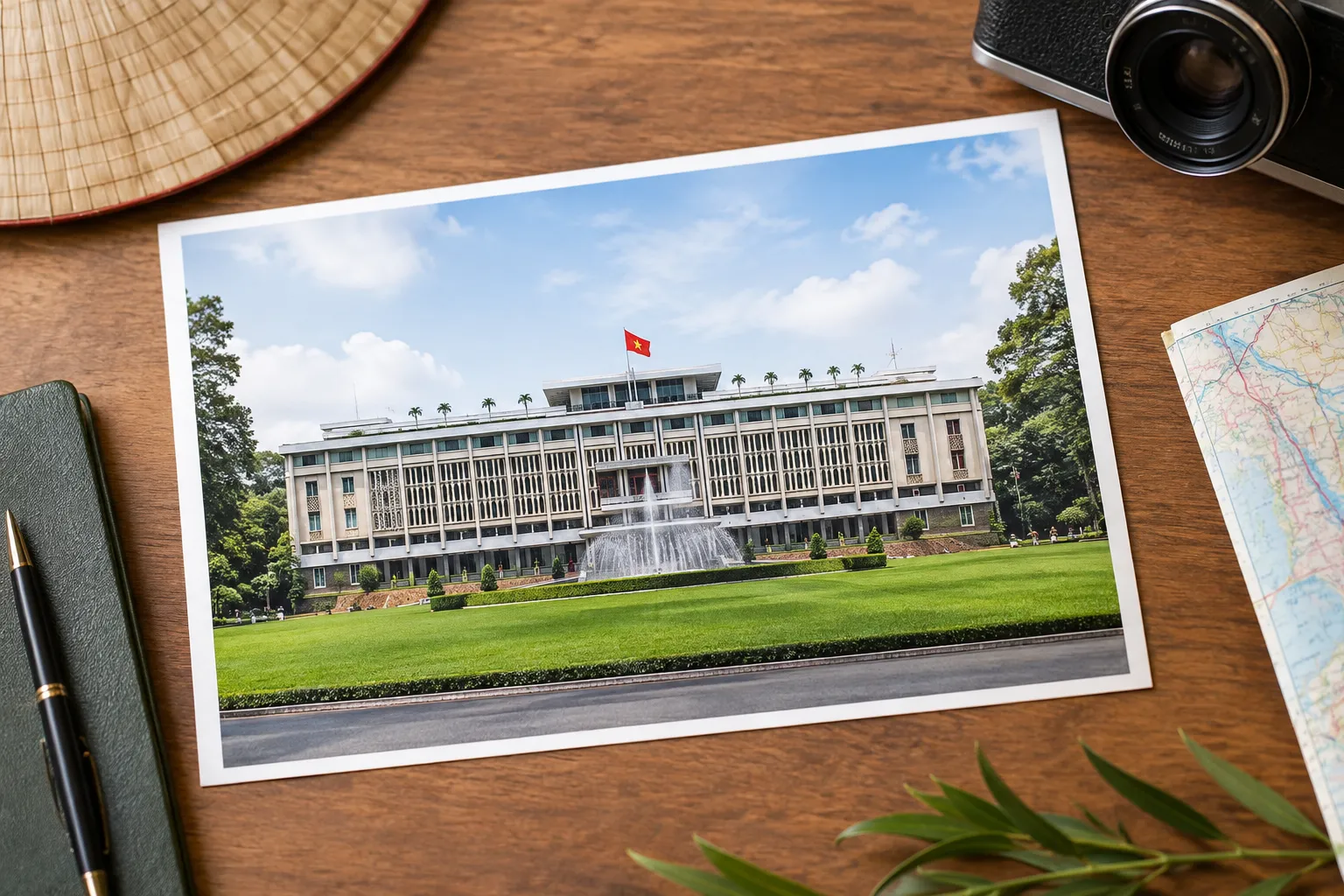
The Independence Palace became a landmark through its changing role in Vietnam’s political history, culminating in the events of April 30, 1975. Its story connects the colonial-era palace, the government of South Vietnam, and the end of the war.
The site first held Norodom Palace, built during French colonial rule. After damage to the original structure, a new palace was constructed and inaugurated in 1966. The building’s history is therefore not just a story of one residence: it reflects successive governments and major changes in the country’s political landscape.
In 1945, Ho Chi Minh declared Vietnam’s independence. The palace later became the headquarters and residence of the president of South Vietnam. On April 30, 1975, tanks entered its grounds, an event associated with the fall of Saigon and the end of the Vietnam War. The official site’s account of the palace’s history and 1975 events provides a fuller chronology.
That history helps explain why the palace is now known as the Reunification Palace as well as the Independence Palace. The names point to different aspects of its legacy: the building’s earlier association with South Vietnam and its place in the country’s later reunification.
For more background focused on the site itself, see our Independence Palace guide. When visiting, keep the chronology in mind: rooms and objects matter not only for their design but also for the government and events they represent.

What to see inside the Independence Palace
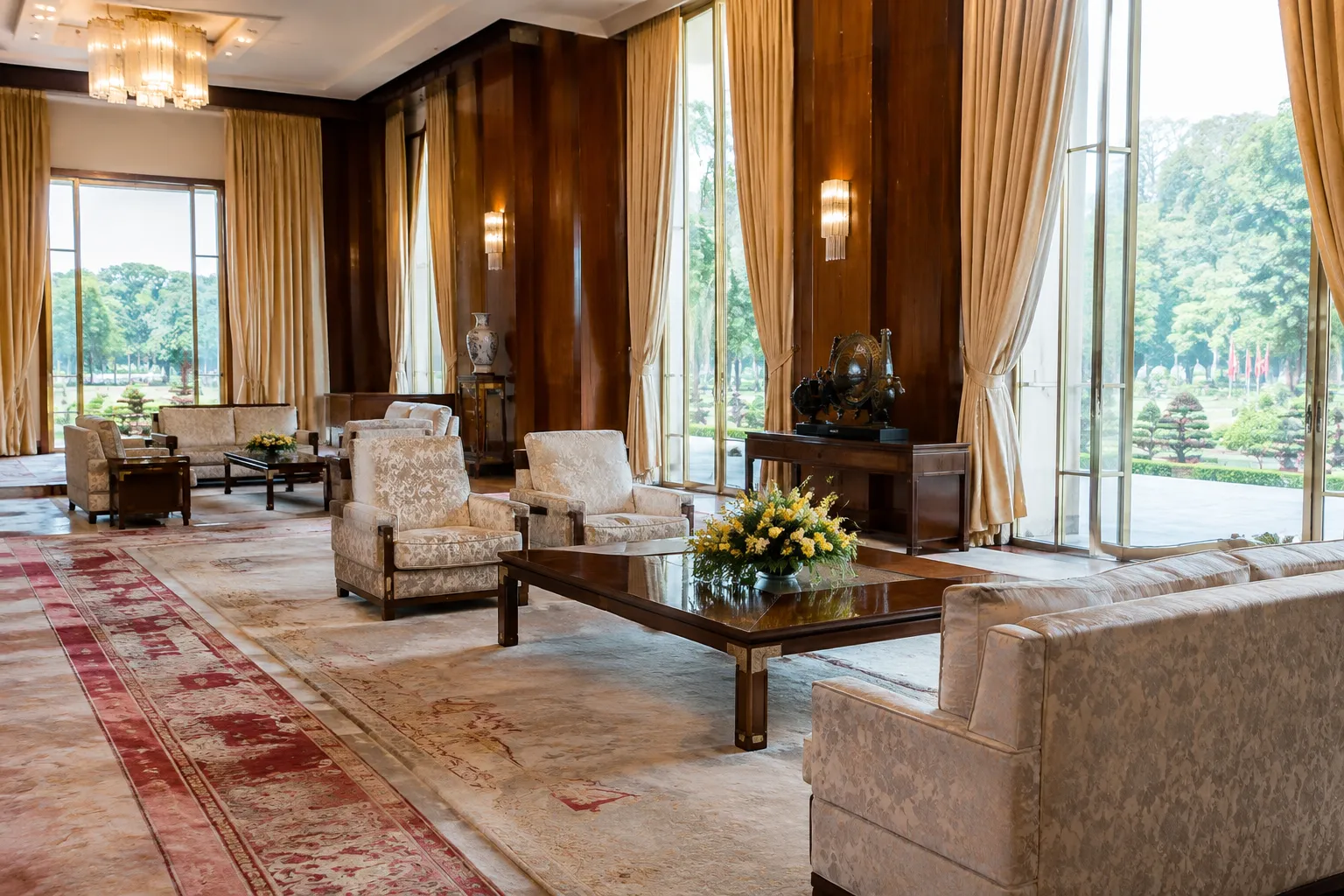
The palace’s main highlights include its formal reception areas, former offices, architectural features, and preserved spaces that show how the building functioned as a seat of government.
The design reflects the mid-20th-century period in which the present building was created. Visitors can look for the contrast between ceremonial rooms and workspaces: reception halls show how the palace hosted official functions, while offices and meeting rooms help make its administrative role more tangible. The official architecture overview describes its design and features.
Rather than moving through the rooms as a checklist, notice how their uses differ. A formal reception space presents a public image of government; an office or meeting room gives a more practical sense of decision-making. This is a useful way to understand the building even if you have limited time.
The palace is distinct from other historical attractions in Ho Chi Minh City. It is a preserved government site with its own political and architectural history, not a museum devoted to every aspect of the war. Travelers building a broader history-focused itinerary may also consider nearby war history, which offers a separate perspective.
Explore the underground bunker and war command center
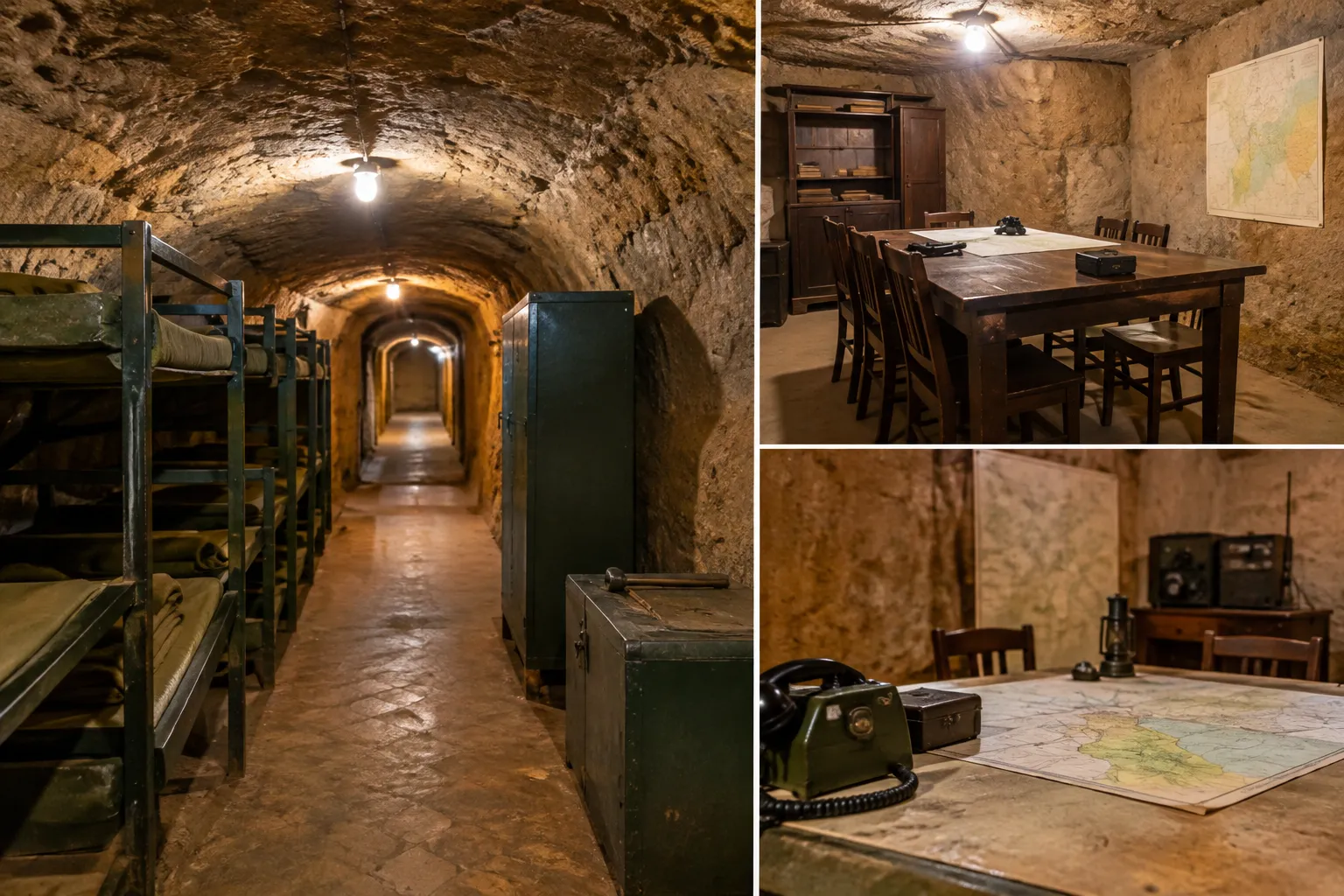
The underground bunker and command spaces reveal the palace’s wartime function, complementing the ceremonial rooms above with a view of communications and government operations.
Look for the way the underground areas differ from the public-facing parts of the building. Their historical interest lies in their operational purpose: command and communication spaces show that the palace was not only a residence and venue for official events, but also part of the wartime apparatus of South Vietnam.
As you explore, connect the rooms to the broader timeline rather than treating equipment or furnishings as isolated displays. The events of April 30, 1975 give the site much of its significance, while the bunker helps visitors imagine how the building served during the conflict. Follow the site’s visitor instructions for access and movement through preserved areas.
A broader Vietnam itinerary might pair the city’s history with a different kind of day outside the urban setting. For example, the Mekong Delta Tour From Ho Chi Minh City is a separate tour option; it is not a substitute for a palace visit, and its relevance depends on whether you want to devote time to the delta as well as the city.
Check opening information and plan your visit
Check the Independence Palace’s official visitor information before setting out, especially for current opening hours, admission details, access, and any temporary changes.
Practical details can change, so confirm them close to your visit rather than relying on an old schedule copied elsewhere. Check the official site for the date you plan to go, how tickets are handled, whether any areas are closed, and whether visitor rules or access arrangements have changed.
The palace is in Ho Chi Minh City, but your route and timing depend on where you are staying and what else you plan to see. If you are arranging transport independently, decide how you will get there and leave enough flexibility for the visit. A tour may reduce the number of separate arrangements, but it does not automatically suit every traveler; independent planning can work well if you prefer setting your own pace and itinerary.
For a practical planning example, start with the palace’s current visitor information, then decide whether it is your main stop or one of several city visits. If it is one stop among several, check the locations and opening information for each attraction before setting the day’s order. Do not assume that every attraction will fit comfortably into one day.
Visit respectfully and make time for the history
Treat the palace as a preserved historic site: follow posted instructions, respect restricted areas, and give yourself time to understand the spaces rather than rushing through them.
A useful approach is to pause at each major area and ask what its original function was. Reception rooms, offices, and command spaces represent different parts of the building’s role. Reading the available explanations can help connect those rooms to the palace’s history without assuming every display tells the same story.
Keep your visit considerate of other guests and the site. Follow photography rules, avoid touching objects or furnishings unless expressly permitted, and use designated routes. If a room or exhibit is closed, respect the restriction rather than trying to enter.
Time is also a planning choice. A brief walk through the main rooms may suit someone with a tightly scheduled day, while visitors who want to read exhibits and take in the architecture should allow more time. Check current visitor information for any guidance on access or duration, then set the rest of your itinerary around the pace you prefer.
Add the palace to a Ho Chi Minh City day tour
A Ho Chi Minh City day tour can make the palace one part of a wider city itinerary, while an independent visit gives you more control over the order and time spent at each stop.
If you are comparing a guided day with arranging everything yourself, focus on what the itinerary actually covers. Check whether the palace is listed as a stop, how the tour organizes transport between locations, and whether the schedule leaves time for the exhibits you want to see. Do not assume a city tour includes the palace just because it visits central Ho Chi Minh City.
A guided option may be useful if you want an organized route and fewer separate transport decisions. Independent planning may fit better if you want to spend longer at the palace, change plans as you go, or choose only a few stops. The right choice depends on your priorities—not on a general claim that one approach works for everyone.
Vietnam Trails Travel offers a Ho Chi Minh City day tour. Review the product page for the current itinerary and details, then compare those stops with your own priorities before deciding. In particular, confirm whether the palace is included rather than inferring it from the tour’s city focus.
Independence Palace Vietnam FAQ
These answers cover common questions about Vietnam’s independence and the palace’s place in the country’s history.
Who led Vietnam to independence?
Ho Chi Minh declared Vietnam’s independence in 1945 and became a central leader of the independence movement. The palace’s later history is tied to a different period of South Vietnam’s government.
What are the top 10 attractions in Vietnam?
There is no single official top 10; the right attractions depend on your route and interests. For a history-focused Ho Chi Minh City visit, the Independence Palace can be one stop among the city’s museums and historic sites.
Which country refused to grant independence to Vietnam?
France sought to reestablish colonial control after World War II, and conflict followed Vietnam’s declaration of independence. The country’s independence history spans multiple stages, so this question is best understood within that wider timeline.
Recommended next steps
Plan the visit by checking current palace information, choosing how you will travel between stops, and comparing any guided itinerary with the time you want at the site.
- Check the palace’s official visitor information for current hours, admission, access, and any closures.
- Choose whether to visit independently or as part of a guided city itinerary, based on how much flexibility you want.
- Compare the tour’s listed stops with your priorities and confirm whether the palace is included before booking.
If an organized route suits your plans, review the tour details and use them to decide whether its itinerary fits your day.
