

 16 Nov 2026
 9 min read
Vietnam cycle tours range from guided day rides to self-guided and multi-day itineraries, but routes, effort, accommodation, and support vary by operator. Compare those details before booking, and confirm that the itinerary includes the kind of riding and logistics you want.
What kinds of Vietnam cycle tours can you compare?

Vietnam cycle tours generally fall into guided, self-guided, day-trip, and multi-day formats; compare how much navigation and logistics you want to handle before choosing. A guided tour may suit travelers who value support, while a self-guided ride can offer more control over timing and stops.
Guided rides with local support
Guided tours typically include a guide who leads the ride, but the exact support varies. Ask whether the guide handles route navigation, explains local points of interest, coordinates transfers, or can adjust the pace for the group. Do not assume those services are included just because a tour is described as guided.
The tradeoff is less independence: the group follows an arranged route and schedule. In return, a guide may reduce the work of planning turns, timing stops, and coordinating with other travelers. This style can fit a first visit or a traveler who prefers a planned experience; someone who wants to stop whenever they choose may prefer a different format.
Compare a cycling itinerary with other organized outings by looking at what the day actually involves. For example, a guided Hoi An day tour offers a non-cycling point of comparison for travelers deciding between an active ride and a guided sightseeing plan. Check its listed itinerary rather than assuming it includes cycling.
Self-guided rides with more independence
A self-guided ride gives travelers more control, but they may need to manage directions, timing, stops, and support themselves. Before booking, confirm whether route guidance is supplied and what help is available if plans change or a mechanical issue interrupts the ride.
This option can fit riders who are comfortable navigating and adapting their day. It may be less suitable if you expect someone else to coordinate the route and logistics. Ask whether the operator provides a route map or other navigation instructions, whether transfers are arranged, and how to contact support during the ride. The label “self-guided” alone does not tell you what is included.
Independent planning can also make it easier to adjust a route around your own interests. The tradeoff is that you must research the route and decide how to handle transport and timing. Compare that work with the specific support offered by a guided option rather than assuming either format is automatically better value.
Day rides and multi-day itineraries
A day ride is a contained way to explore by bike, while a multi-day itinerary may combine riding with lodging, transfers, meals, and luggage arrangements. Compare the full schedule, not just the number of days, to understand how much time is spent cycling.
For a day trip, ask where the ride begins and ends, how you get to the start, and whether the schedule allows time for breaks. For a multi-day tour, request the cycling distance and effort for each day, plus details on overnight stays and transport between stages. A longer itinerary can reduce the need to plan each segment yourself, but it may also commit you to a set pace and schedule.
If your priority is simply seeing a destination through an organized outing, compare cycling with alternatives that match your preferred activity. A bike-focused trip and a guided sightseeing day solve different needs; choose by the experience you want, not by tour length alone.

How routes and destinations change the ride

Route choice affects the terrain, scenery, traffic exposure, and daily effort, so compare the actual itinerary rather than choosing by region name alone. Ask for a route description, expected riding time, and information about road conditions before deciding.
Northern routes for hills and mountain scenery
Northern itineraries may include more climbing and winding roads, so check elevation changes and daily effort before booking. A scenic route can still feel demanding if the ride includes long climbs or repeated ascents.
Ask the operator to describe the most challenging sections and whether the itinerary has options for riders who need a slower pace. Confirm how much of each day is spent cycling, whether the route uses paved roads or other surfaces, and how the group handles differences in ability. If the route includes transfers, clarify whether they are part of the plan or something you arrange separately.
A rider who enjoys hills may welcome a route with elevation; a traveler who wants an easier day should compare flatter alternatives. Do not use a destination’s reputation as a substitute for route details: two itineraries in the same region can involve different distances and effort.
Central routes that combine coast and countryside
Central Vietnam routes can combine coastal and rural settings, but the balance depends on the itinerary. Check how much riding takes place near towns or busy roads, and ask which parts of the route are quieter.
Look for clear start and finish points, road-surface information, and planned stops. If the tour connects more than one area, ask whether the distance includes transfers or only cycling. This helps you compare itineraries on the actual riding time rather than a broad route description.
Travelers considering cycling around Hoi An can also compare a ride with a guided Ninh Binh day trip as a different kind of organized excursion. It is not a cycling substitute; it can help clarify whether your priority is a bike-led day or a guided visit built around another destination.
Southern routes through flatter landscapes
Some southern routes may appeal to riders looking for flatter terrain, but flatter does not necessarily mean short or effortless. Check daily distances, road conditions, traffic exposure, and the amount of time spent riding.
Ask whether the route follows roads shared with other traffic and how the itinerary handles breaks. If the tour covers a wide area, confirm whether transfers connect riding sections. A route with less climbing may still require sustained pedaling, so match the distance to your own comfort rather than relying on terrain descriptions alone.
For a Mekong Delta itinerary, compare the cycling route itself with any other included activities and transport. If those details are not clear, ask for a day-by-day schedule before booking. That makes it easier to judge whether the ride is central to the experience or only one part of a broader trip.
What accommodation and support are included?
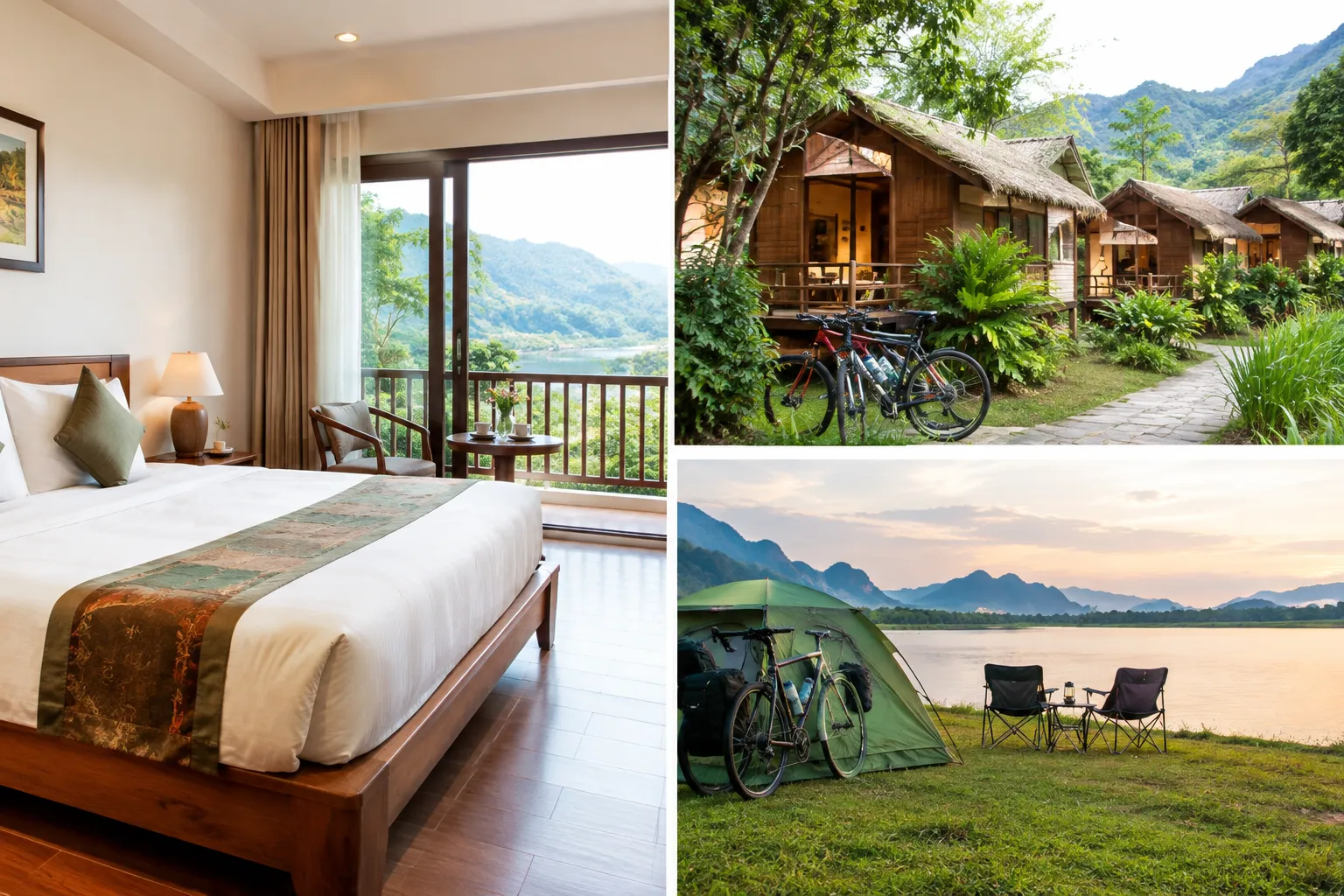
Multi-day tours vary in lodging and practical support, so confirm accommodation, meals, transfers, luggage handling, and help during the ride before comparing options. Treat each inclusion as a separate question; a tour description may not spell out every detail.
Ask what type of accommodation is arranged, whether it is included in the booking, and whether you can choose or change it. Confirm which meals, if any, are included and whether you need to plan around dietary needs yourself. For transfers, establish where each journey starts and ends, and whether transport is provided between overnight stops and cycling stages.
Luggage arrangements matter when you are riding between places. Ask whether bags travel with you, are transported separately, or remain your responsibility. Also clarify what happens if you cannot continue riding: whether there is an alternative transfer or other assistance is a practical question, not something to assume.
Support can mean different things. Ask how to contact the guide or operator during the route, what assistance is available for a mechanical problem, and whether the group waits for slower riders. Compare the answers against your comfort with arranging help independently.
A guided day trip can be a useful comparison when you are deciding how much coordination you want an operator to handle. For example, review the stated details of this private Hue DMZ day trip as a non-cycling organized outing, without treating it as evidence about cycling inclusions. Confirm the itinerary and arrangements on the page before making a decision.
Compare effort, equipment, and inclusions before choosing
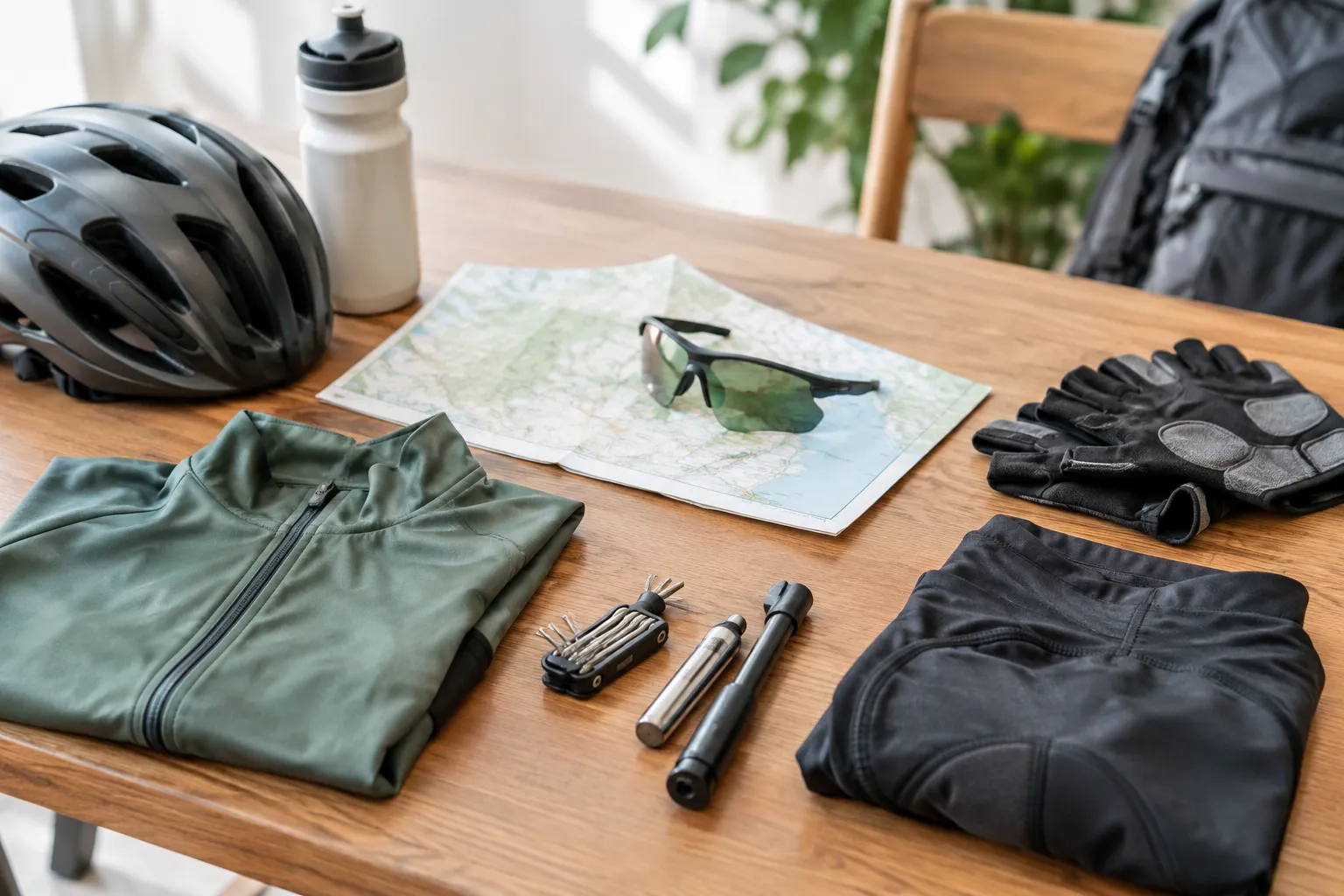
A suitable tour matches your preferred effort with clearly described equipment, route support, and inclusions. Compare the same criteria across options, and ask for missing details before paying rather than inferring them from a tour title.
Use this checklist when reviewing itineraries:
| What to compare | Questions to ask | Why it matters |
|---|---|---|
| Route and terrain | What are the daily distance, elevation changes, surfaces, and traffic conditions? | A region name alone does not show the ride’s effort. |
| Pace and group support | Who leads the group, and how are different riding speeds handled? | The answer helps you judge whether the schedule fits your comfort level. |
| Bicycle | What bike type is supplied, and what condition or adjustment checks are made before departure? | Riders need to know what equipment they will use and what to bring. |
| Safety equipment | What is provided, and what should you bring yourself? | Do not assume helmets or other equipment are included. |
| Transfers and luggage | Which transport legs and luggage arrangements are included? | These details affect how much you must coordinate between rides. |
| Accommodation and meals | What is included, and what do you arrange separately? | Clear terms make multi-day options easier to compare. |
| Changes and support | What happens if weather, a delay, or a mechanical issue affects the plan? | The operator’s stated process helps set expectations. |
For effort, compare the longest or most demanding day, not only the average. If you have limited riding experience, ask the operator to explain the route in practical terms, including climbs, surface, and expected time on the bike. A short distance can still feel challenging on uneven ground or in heavy traffic; the route description should help you assess that tradeoff.
For value, list the services you would otherwise arrange yourself: navigation, transfers, lodging, meals, or support. Then compare that list with what the tour actually includes. A guided option may justify its cost for someone who values coordination and local guidance, while independent planning may fit a traveler who prefers flexibility and is comfortable handling logistics. Neither choice is automatically right for every rider.
If you are new to Vietnam or unsure about riding conditions, ask the operator specific questions before booking and make your decision based on its answers. When considering physical effort or health limitations, consult a qualified professional about your own circumstances before choosing a ride.
Check availability and choose your next Vietnam experience
Confirm that a suitable cycling itinerary is actually available before planning around one, and ask Vietnam Trails Travel about its current options rather than assuming its catalog includes cycling tours. If cycling is not the right fit, compare another experience by activity and destination.
Check the itinerary details and ask whether the operator can accommodate your preferred dates, riding level, and route style. Request written clarification on any important point that is missing, especially distance, bike arrangements, transfers, accommodation, and on-route support. That gives you a basis for comparing a guided ride with arranging each part independently.
If you are considering a different kind of coastal outing in Nha Trang, this is our product: Nha Trang 3-island tour. Its name identifies a speedboat, Hon Tam, and a mud bath; it is not presented as a cycling tour. Choose it only if that kind of experience fits your plans.
Recommended next steps
Choose by verifying the itinerary and logistics against your riding preferences, then book only when the route and included support are clear. These steps help you compare guided tours with independent planning without assuming every option suits every traveler.
- Identify whether you want a guided ride, a self-guided route, a day trip, or a multi-day itinerary.
- Request route details, including daily distance, terrain, road surfaces, traffic exposure, and expected riding time.
- Confirm the bicycle, safety equipment, transfers, lodging, meals, luggage arrangements, and support included.
- Compare the tour’s schedule and services with the planning you would handle independently.
- Ask Vietnam Trails Travel whether it has a cycling itinerary that matches your route, dates, and preferred level of support.
- Choose the option whose confirmed details fit your priorities, or select a non-cycling experience if that better matches your plans.
Explore a Nha Trang outing
Review the tour details to see whether a speedboat outing involving Hon Tam and a mud bath fits your Vietnam plans. It is a separate option from a cycling itinerary.
