
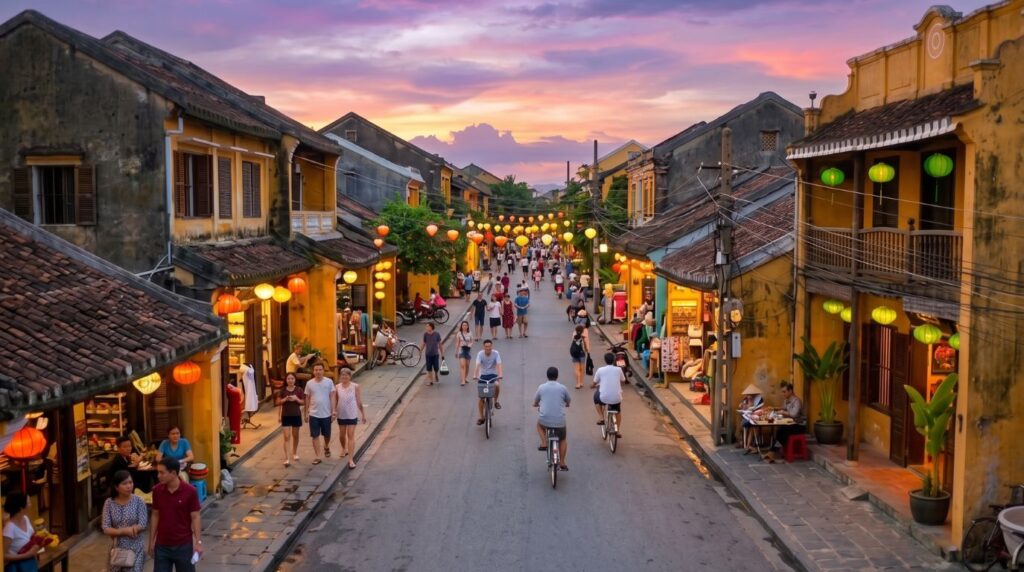
Located in central Vietnam, Hoi An is one of the most atmospheric destinations in Vietnam for first-time travelers. This UNESCO-listed ancient town combines yellow colonial buildings, lantern-lit streets, riverside cafés and local markets into a compact area that is easy to explore on foot. Unlike larger cities in Vietnam, Hoi An moves at a slower pace, which is exactly why many travelers stay longer than planned.
The heart of the city is the famous Hoi An Ancient Town, where preserved merchant houses, temples, and assembly halls reflect centuries of Japanese, Chinese, and Vietnamese influence.
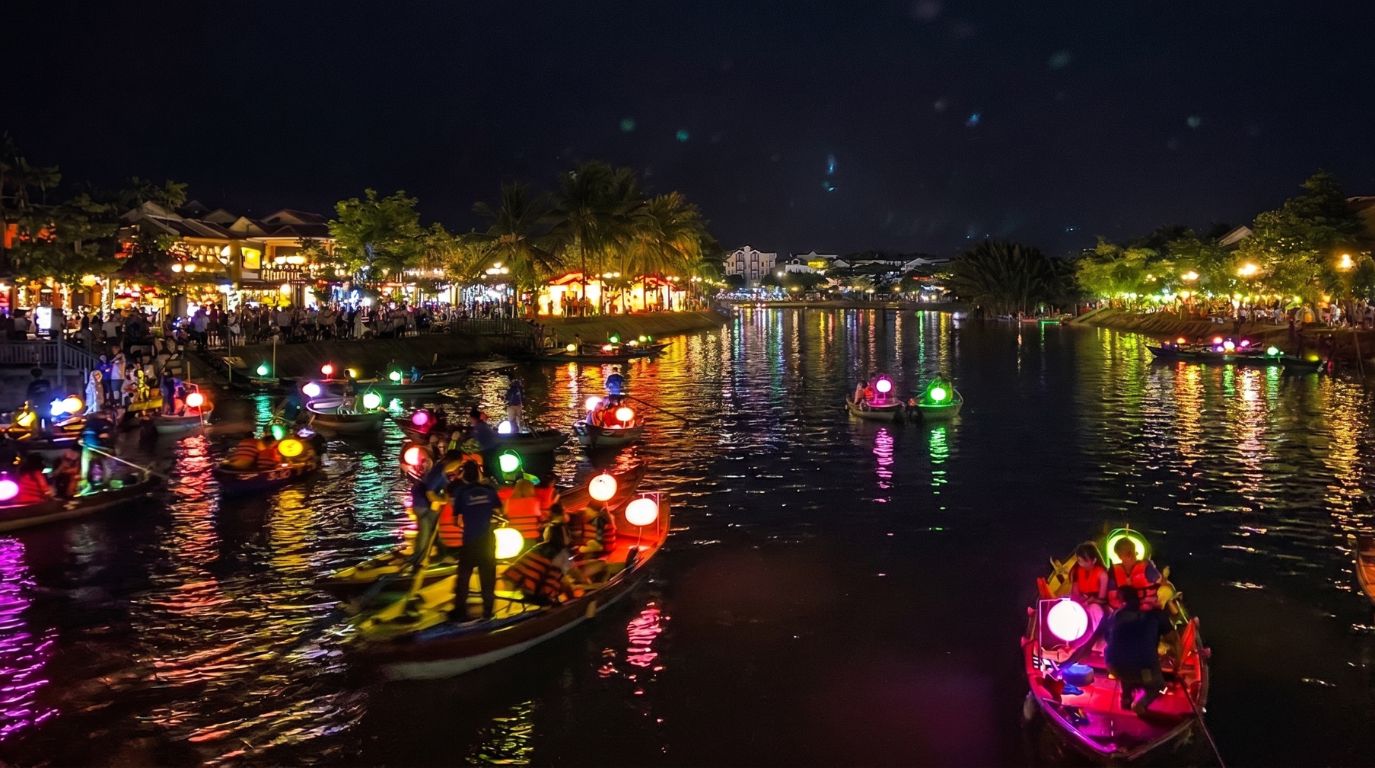
During the evening, the old town becomes especially photogenic as lanterns glow along the Thu Bồn River and small wooden boats drift through the water. Many travelers consider Hoi An one of the best-preserved examples of an ancient town in Southeast Asia. To make your trip to Hoi An smoother, please read this Hoi An Travel Guide.
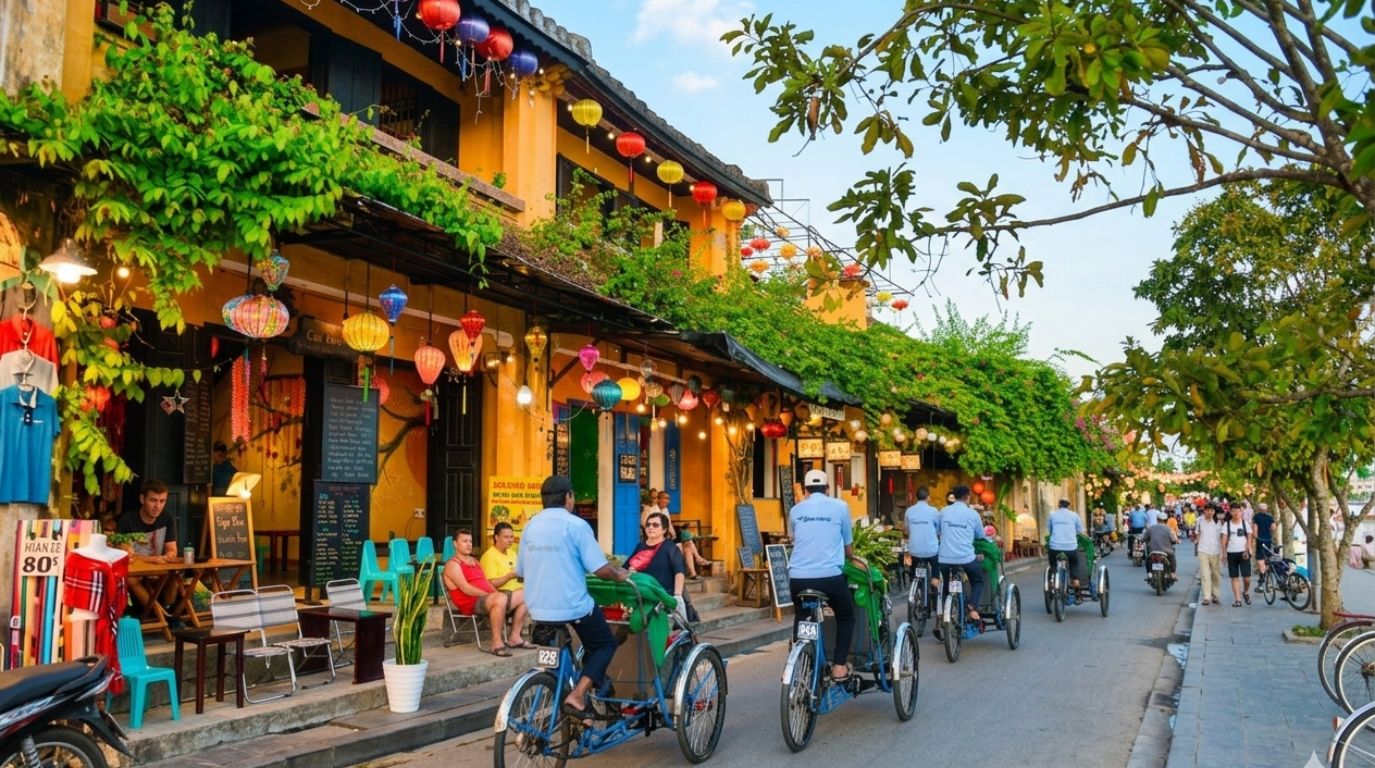
Another reason travelers choose Hoi An is its balance between culture and relaxation. Within 15 minutes from the old town, you can reach An Bàng beach, cycle through rice fields, or join cooking classes led by local families. Compared with busier destinations in Vietnam, Hoi An feels more personal and less rushed.
This travel guide focuses on practical experiences, local food, cultural highlights, and honest tips to help you explore Hoi An comfortably in 2026. Whether you stay for two days or one week, Hoi An offers a combination of history, local life, and riverside charm that makes the city memorable long after your trip ends.
1. The best time to visit Hoi An
The best time to visit Hoi An is usually between February and April, when the weather is warm, humidity is lower, and rainfall is limited. During these months, Hoi An becomes more comfortable for walking through lantern streets, cycling in the countryside, and enjoying outdoor cafés along the river.
For many travelers visiting Vietnam, this season offers the best balance between sunshine and manageable temperatures.
From May to August, Hoi An enters its hotter summer period. The skies are often clear, making it a good season for travelers who want to combine the lantern-filled streets with nearby beach destinations such as An Bàng or Cửa Đại.
However, midday temperatures in Hoi An can become intense, especially during July. If you plan to visit Hoi An during summer, early mornings and evenings are usually the most pleasant.
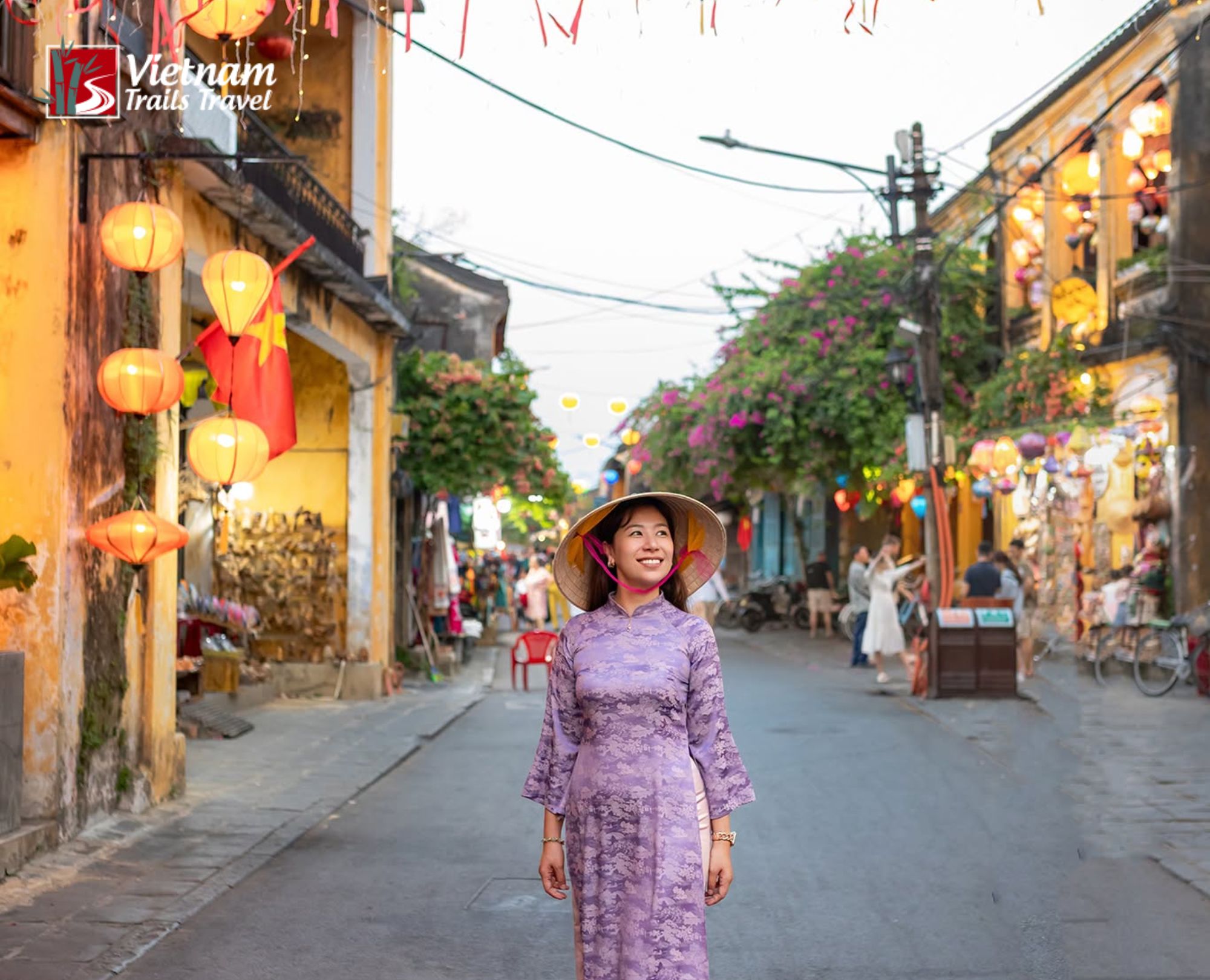
The rainy season in Hoi An generally starts around September and can continue through November. Heavy rain occasionally causes flooding inside the old streets, especially near the riverside areas.
Still, some travelers enjoy this quieter atmosphere because Hoi An feels less crowded and hotel prices are often lower. The lantern reflections on wet streets also create some of the most photogenic scenes in Vietnam.
Because Hoi An sits in the heart of central Vietnam, weather patterns can change quickly depending on the season. Checking the local forecast before your trip is important, especially if you plan outdoor activities or island tours.
Overall, the most comfortable time in Hoi An for sightseeing, local food experiences, and photography remains late winter through spring, when the climate is cooler and the atmosphere feels relaxed.
1.1. Compare Hoi An vs Ninh Binh
| Category | Hoi An | Ninh Binh |
|---|---|---|
| Main atmosphere | Lantern streets, riverside cafés, and a historic ancient town atmosphere | Limestone mountains, rivers, rice fields, and rural scenery |
| Famous area | The preserved old town filled with tailor shops and heritage houses | Trang An and Tam Cốc boat routes |
| Best for | Culture, food, shopping, and nearby beach relaxation | Nature, boat rides, hiking, and countryside landscapes |
| Walking experience | Hoi An is compact and easy to explore on foot inside the old town | Ninh Bình usually requires bicycles or motorbikes |
| Nightlife | Hoi An becomes lively at night with lanterns and river activities | Quieter evenings with fewer nightlife options |
| Coastal access | Hoi An offers quick access to An Bàng beach and Cửa Đại | No direct beach access |
| Historical feeling | Strong merchant-port history and UNESCO-listed ancient town streets | Ancient temples and former imperial capital history |
| Travel style | Ideal for slow travel, cafés, and cultural experiences in Vietnam | Better for outdoor adventures and scenic photography |
>Read more: Ninh Binh Travel Guide 2026: Where To Stay & Things To Do
2. How to get to Hoi An from Danang and Saigon
Most travelers arrive in Hoi An through Danang, since Hoi An does not have its own airport or train station. The nearest international airport is Danang International Airport, located about 45 minutes from Hoi An by car.
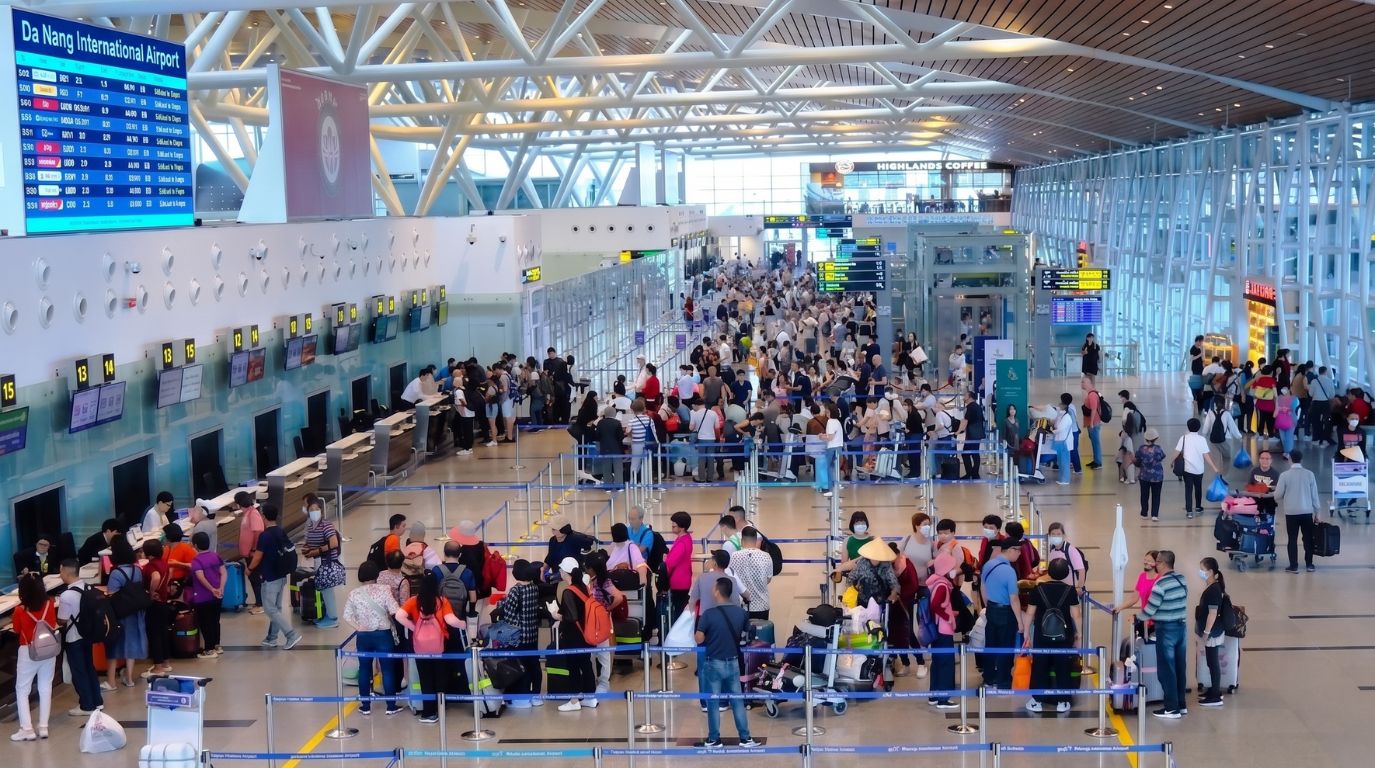
Daily domestic flights connect Danang with major cities across Vietnam, including Ho Chi Minh City and Hanoi, making Hoi An relatively easy to reach for first-time travelers.
If you are traveling from Ho Chi Minh City, the fastest option is a direct flight to Danang, which usually takes around 1 hour and 20 minutes. After landing, you can continue to Hoi An by private car, shuttle bus, or Grab taxi.
Many hotels in Hoi An also provide airport transfer services. Overnight trains from Ho Chi Minh City to Danang are available as well, although the journey can take more than 15 hours.
Travelers coming from Hanoi often choose domestic flights because they are convenient and affordable when booked early. Sleeper trains between Hanoi and Danang are another popular option for people who want to experience rail travel in Vietnam.
Once you arrive in Danang, transportation to Hoi An is straightforward and widely available throughout the day.
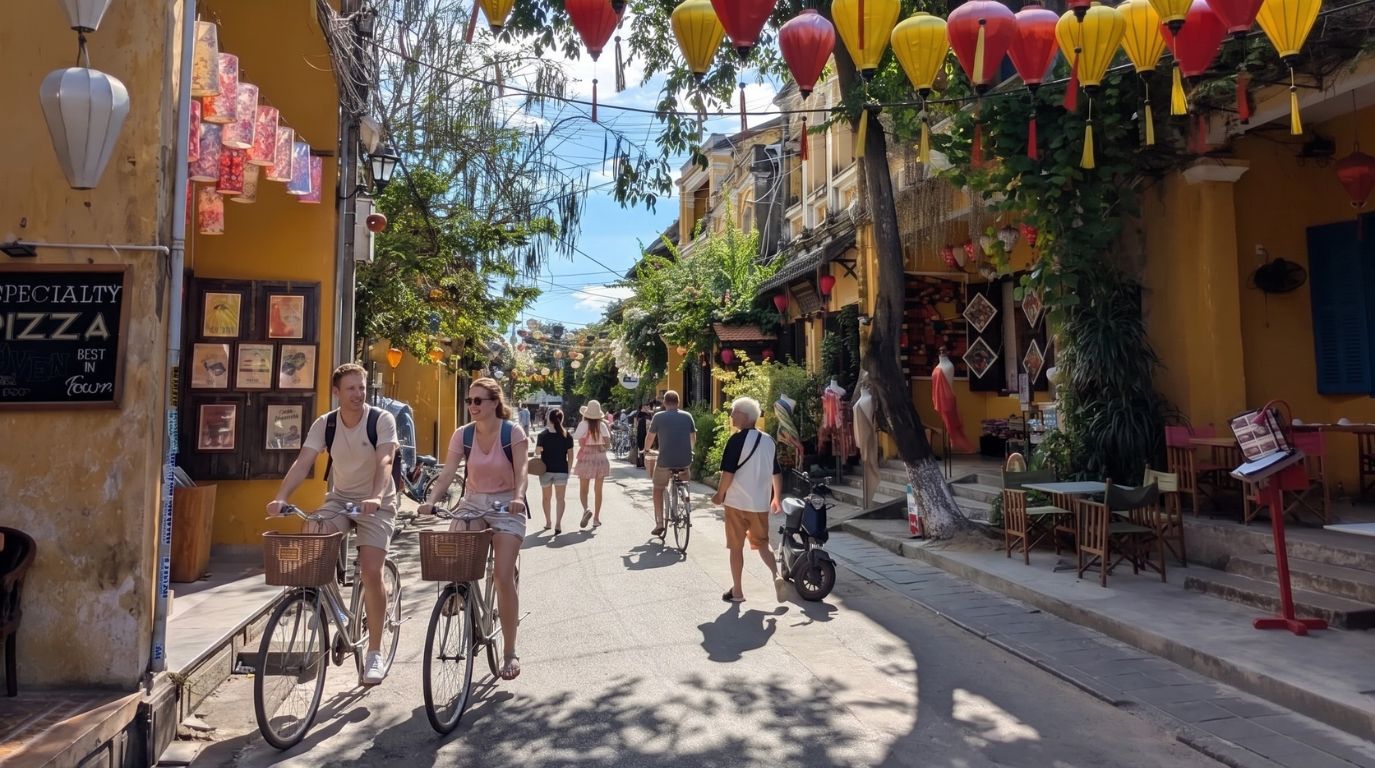
Getting around Hoi An is easy because the city center is compact. Many travelers prefer bicycles for short distances, while scooters and electric carts are useful for reaching nearby villages or beaches. Walking remains the best way to experience the lantern streets and local cafés inside the historic center.
For travelers planning multiple destinations, this travel guide recommends combining Hoi An with Đà Nẵng and Huế to experience both coastal scenery and cultural heritage in central Vietnam.
>>Read more: Hue Travel Guide 2026: Best Things to Do, Food & Travel Tips
Top things to do in Hoi An
When travelers first arrive in Hội An, many expect a quiet heritage city. In reality, Hoi An combines culture, food, countryside life, lantern streets, and relaxing beach escapes into one compact destination. That variety is exactly why Hoi An continues to rank among the best things to experience in Vietnam.
Walk through the ancient town at night
The lantern-filled ancient town remains the highlight of Hoi An. After sunset, the yellow buildings glow under colorful lanterns while cafés and street vendors become active along the riverside. Walking through the old town at night feels very different from larger cities like Hanoi, where traffic and noise dominate the streets.
One of the most memorable experiences in Hoi An is crossing the small bridges near the Thu Bon River while lantern boats float slowly below. Travelers who visit Hoi An for the first time usually spend several evenings simply wandering inside the ancient town without a fixed plan.
Take a lantern boat ride on the Thu Bon River
A short boat trip on the Thu Bon River is one of the classic things to do in Hoi An. Local rowers offer small wooden boats during the evening, especially near An Hoi Bridge. The atmosphere becomes especially photogenic during the monthly lantern festival when electric lights are reduced inside the old town.
Although the activity is touristy, it still feels charming because the riverside remains relatively peaceful compared with other popular destinations in Vietnam.
Relax at An Bang Beach
Many travelers are surprised that Hoi An also has excellent beach areas nearby. An Bàng Beach is only about 10 minutes from the city center and has become one of the most popular places for swimming, seafood lunches, and sunset drinks.
Unlike crowded resort destinations, Bang Beach still keeps a laid-back atmosphere. You can rent a chair, order fresh coconut juice, and spend hours watching fishing boats along the shoreline. Because of this balance between heritage and coastline, Hoi An attracts travelers looking for both culture and a relaxing beach vacation.
Explore the old town cafés and local food scene
One of the best things about Hoi An is how easy it is to slow down and enjoy local food culture. Small cafés hidden inside the old town serve Vietnamese coffee, herbal drinks, and regional dishes such as cao lầu and white rose dumplings.
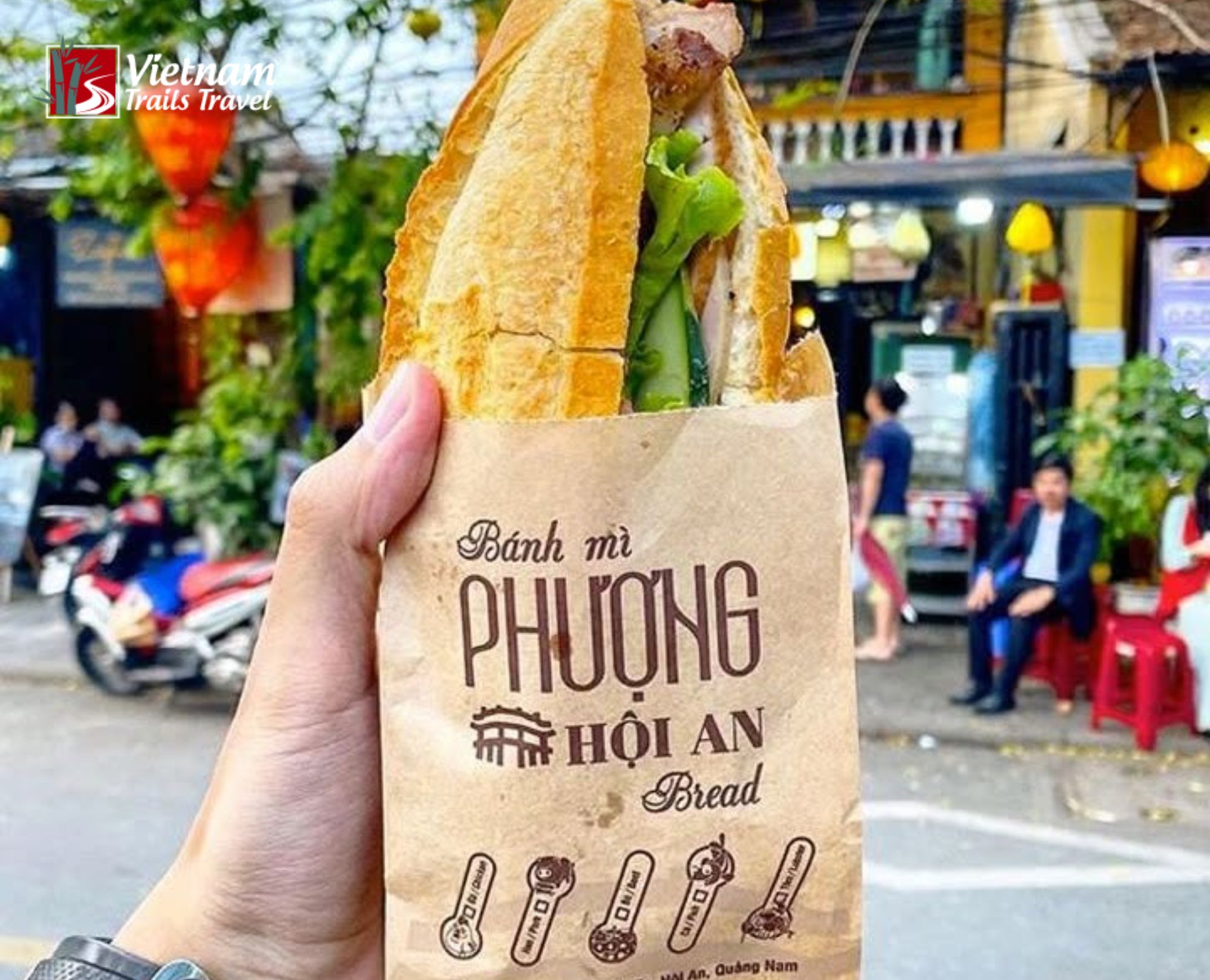
Some travelers spend entire afternoons simply moving between cafés inside the ancient town, especially during rainy days when the streets become quieter. If you want to truly explore Hoi, taking time to sit beside the river and observe daily life is just as rewarding as visiting monuments.
Visit tailoring shops and lantern workshops
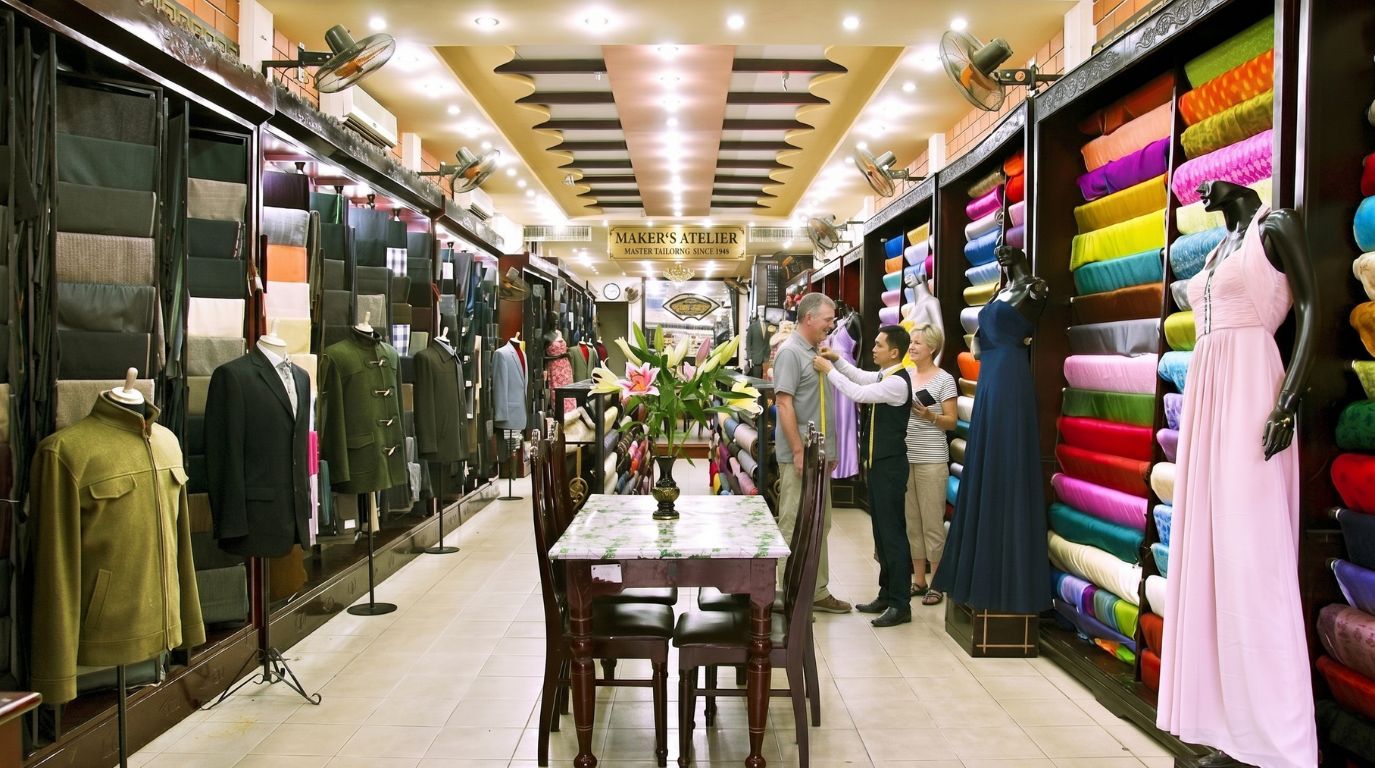
Hoi An is famous for custom tailoring. Hundreds of shops can create suits, dresses, leather bags, and shoes within one or two days. While quality varies, tailoring remains one of the most popular things to do in Hoi An for international travelers.
Lantern-making workshops are another cultural activity worth trying. Many local families teach visitors how to build traditional silk lanterns that reflect the artistic identity of the ancient town.
Discover the countryside around Hoi An
The quieter villages around Hoi An offer a different side of local life. Cycling through rice fields in Cẩm Thanh or Trà Quế gives travelers a chance to escape the crowds and see fishing communities, vegetable farms, and water coconut forests.
These countryside routes also connect naturally with nearby beach roads, making it easy to combine village scenery with coastal views in the same afternoon.
Spend a slow afternoon at the beach cafés
Another reason travelers continue to return to Hoi An is the relaxed rhythm of its coastal lifestyle. Along Bang Beach, beachfront cafés serve seafood, cocktails, and Vietnamese dishes with direct ocean views. Compared with busier coastal cities in Vietnam, the atmosphere feels calmer and less commercial.
For travelers who plan to visit Hoi An mainly for relaxation, combining the old town mornings with beach afternoons creates the ideal balance.
Experience Hoi An early in the morning
Most visitors only see Hoi An during the evening, but early morning is equally beautiful. Before the crowds arrive, local residents clean storefronts, cyclists cross quiet streets, and market vendors prepare fresh produce inside the ancient town.
This slower side of Hoi An reveals why the city has remained one of the most loved cultural destinations in Vietnam for decades.
Hoi An money exchange centers
Finding reliable currency services in Hoi An is generally easy, especially near the historic center. Most travelers use banks, gold shops, or hotel counters for cash exchange, but rates can vary depending on location and currency type.
For safety and transparent pricing, many travelers prefer using Hoian local bank money exchange services offered by banks such as Vietcombank, BIDV, or Agribank. These branches usually provide better exchange rates than hotels and are considered more reliable for larger amounts of cash.
Several Hoian local bank money exchange offices are located within walking distance of the heritage district and accept major currencies including USD, EUR, AUD, and GBP.
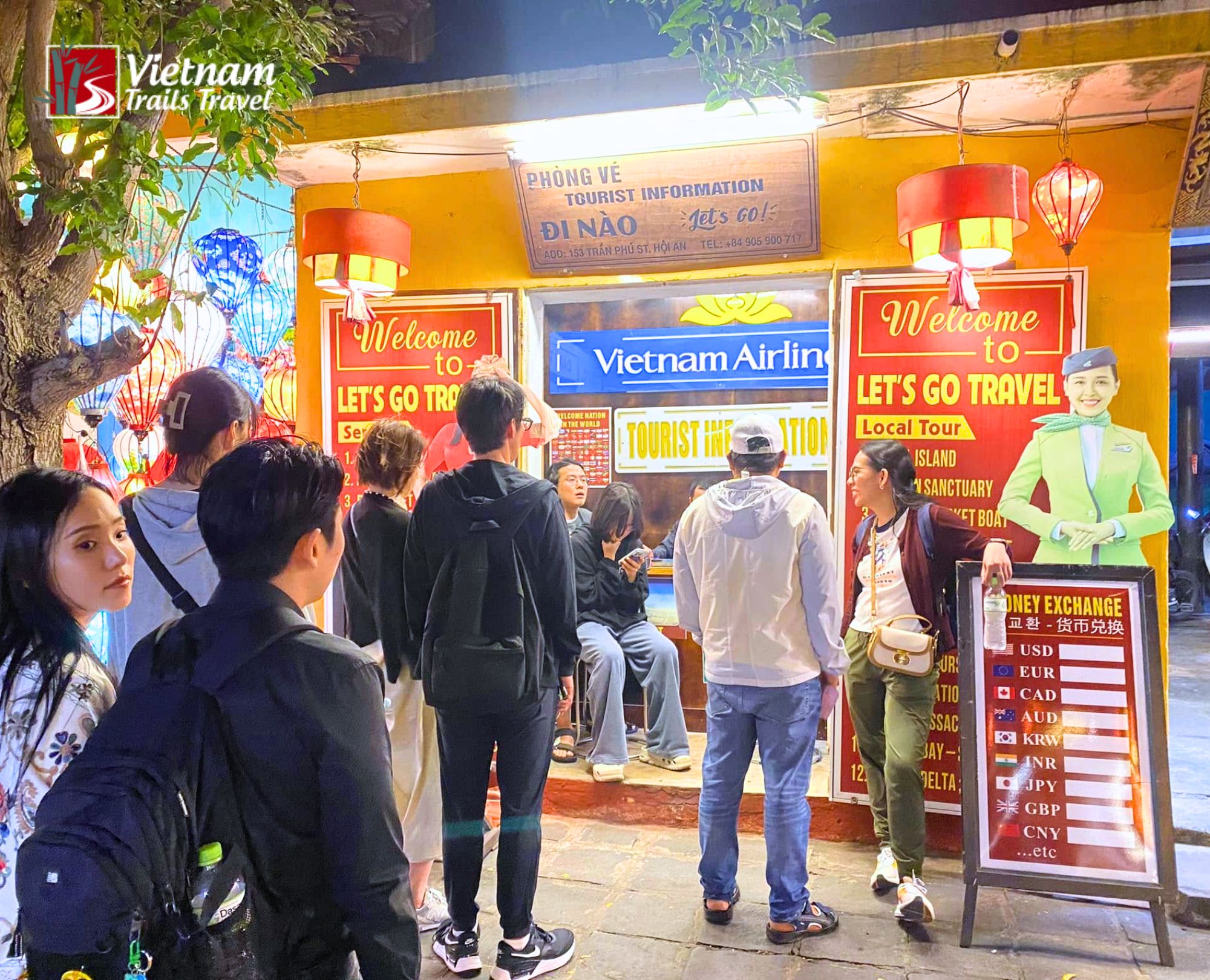
If you stay near the heritage center, you will also find small jewelry shops and travel agencies offering money exchange Hoian services. While convenient, it is still important to compare rates before exchanging large amounts. Some shops inside the tourist area may charge hidden commissions or offer weaker conversion rates.
Travelers looking for ancient town money exchange locations often head toward Trần Phú Street or Nguyễn Thái Học Street, where multiple ATM machines and bank branches are available close to restaurants and cafés. The area around the old town is generally safe during the day, but carrying too much cash at night is not recommended.
For convenience, many travelers combine ATM withdrawals with Hoian local bank money exchange services to balance exchange rates and banking fees during their stay.
Hoi An spa and massage
After long walking days inside Hoi An, many travelers look for relaxing wellness experiences, and the city has no shortage of options. From luxury resorts to small family-owned spas, Hoi An massage services are available throughout the heritage district and nearby coastal areas.
Inside the city center, you will find many affordable wellness shops offering herbal treatments, hot stone therapy, and traditional Vietnamese techniques. A standard Hoi An massage session usually costs far less than similar treatments in larger cities, making it popular for travelers staying several days.
Some boutique hotels also include private spa services with natural oils, lemongrass steam baths, and quiet garden spaces.
For budget-conscious travelers, finding a cheap massage Hoian experience is easy near the lantern streets and local markets. While prices can be attractive, it is still worth checking online reviews and cleanliness before booking. Smaller local spas often provide surprisingly professional service at reasonable prices.
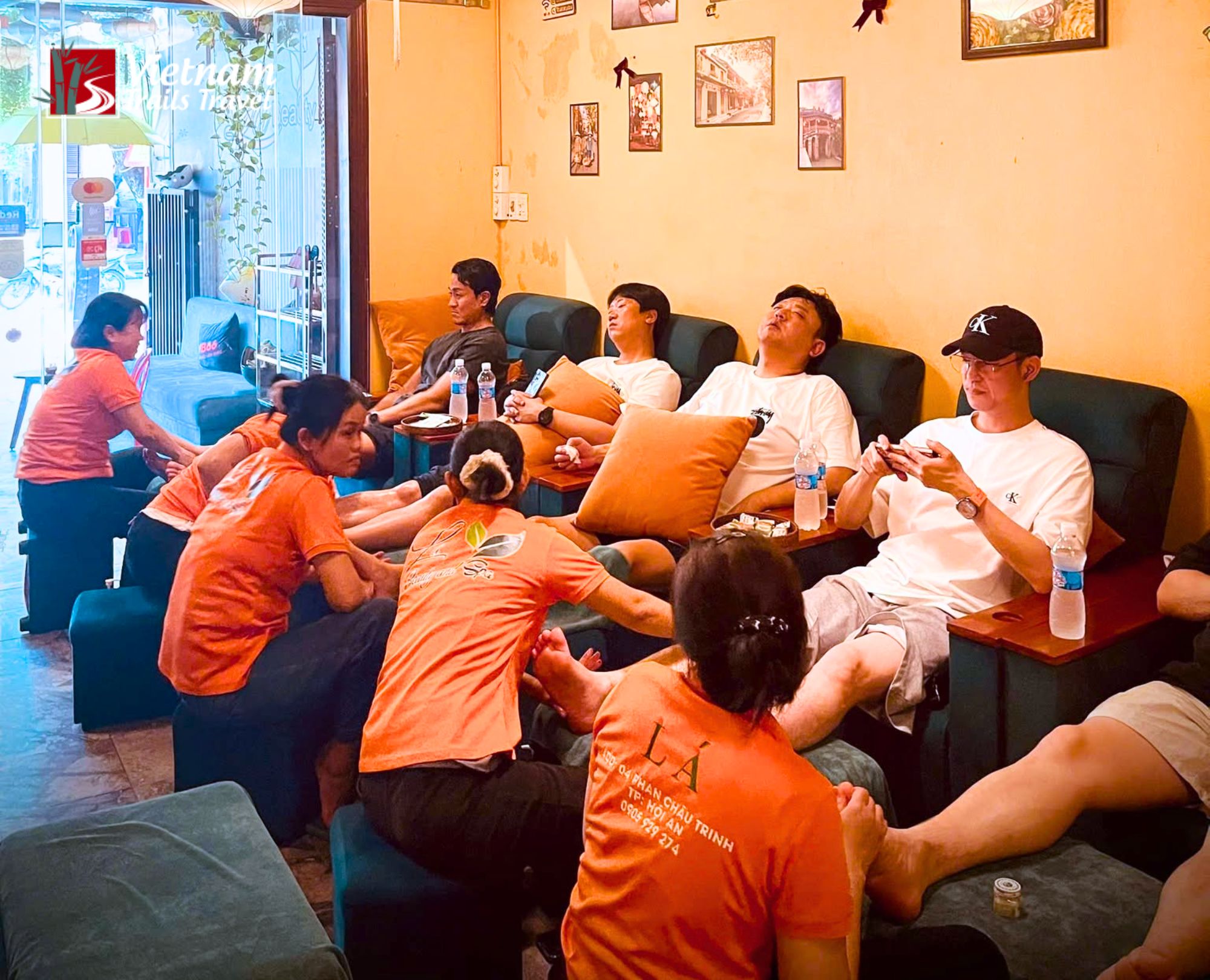
Travelers who spend time near An Bàng Beach can also enjoy seaside wellness experiences. Several beachfront cafés and resorts near Bang Beach combine ocean views with relaxing treatments, creating a quieter atmosphere compared with the busy town center.
Foot therapy is especially common after cycling or walking tours. Many visitors choose a late evening Hoian foot massage session after exploring the lantern streets and riverside areas. These treatments are usually shorter, affordable, and easy to book without reservations.
Overall, Massage & span Hoian experiences range from luxury resort wellness programs to simple local shops, giving travelers flexible options for relaxation during their stay.
Hoi An shops
Shopping is one of the most popular activities in Hoi An, especially inside the lantern-filled heritage streets. The mix of local crafts, handmade products, and custom clothing gives the city a very different atmosphere compared with shopping malls in larger Vietnamese cities.
Many travelers spend entire afternoons exploring small Hoi an shops hidden between cafés and historic houses.
The most famous shopping experience is custom tailoring. Nearly every street inside the ancient town has a tailoring studio offering suits, dresses, leather shoes, and handmade bags.
A good Hoian tailor can usually complete custom clothing within 24 to 48 hours, including fittings and adjustments. While prices vary depending on fabric quality, tailoring remains one of the biggest reasons travelers return to Hoi.
Beyond clothing, local markets and boutique stores sell lanterns, ceramics, woven bags, paintings, spices, and handmade decorations. Many visitors buy Hoian souvenirs such as silk lanterns or embroidered products that reflect the artistic identity of the city.

Some family-run workshops also specialize in traditional Hoi An handicraft products created using techniques passed through generations.
The riverside streets inside the ancient town are especially popular for browsing smaller Hoi an shops during the evening. Lantern light, street musicians, and nearby cafés create a relaxed shopping atmosphere that feels more personal than commercial centers elsewhere in Southeast Asia.
Travelers looking for higher-quality tailoring should compare fabrics carefully and avoid rushing the process. An experienced Hoian tailor will usually recommend at least one fitting before final delivery.
With so many independent boutiques and artisan stores, Hoi An shops continue to be one of the most memorable parts of visiting the city.
Hoi An nightlife and drinks
Nightlife in Hoi An is calmer than party destinations elsewhere in Southeast Asia, but that slower atmosphere is exactly what many travelers enjoy. Instead of loud nightclubs, Hoi An focuses more on lantern cafés, riverside cocktail bars, live acoustic music, and relaxed rooftop lounges.
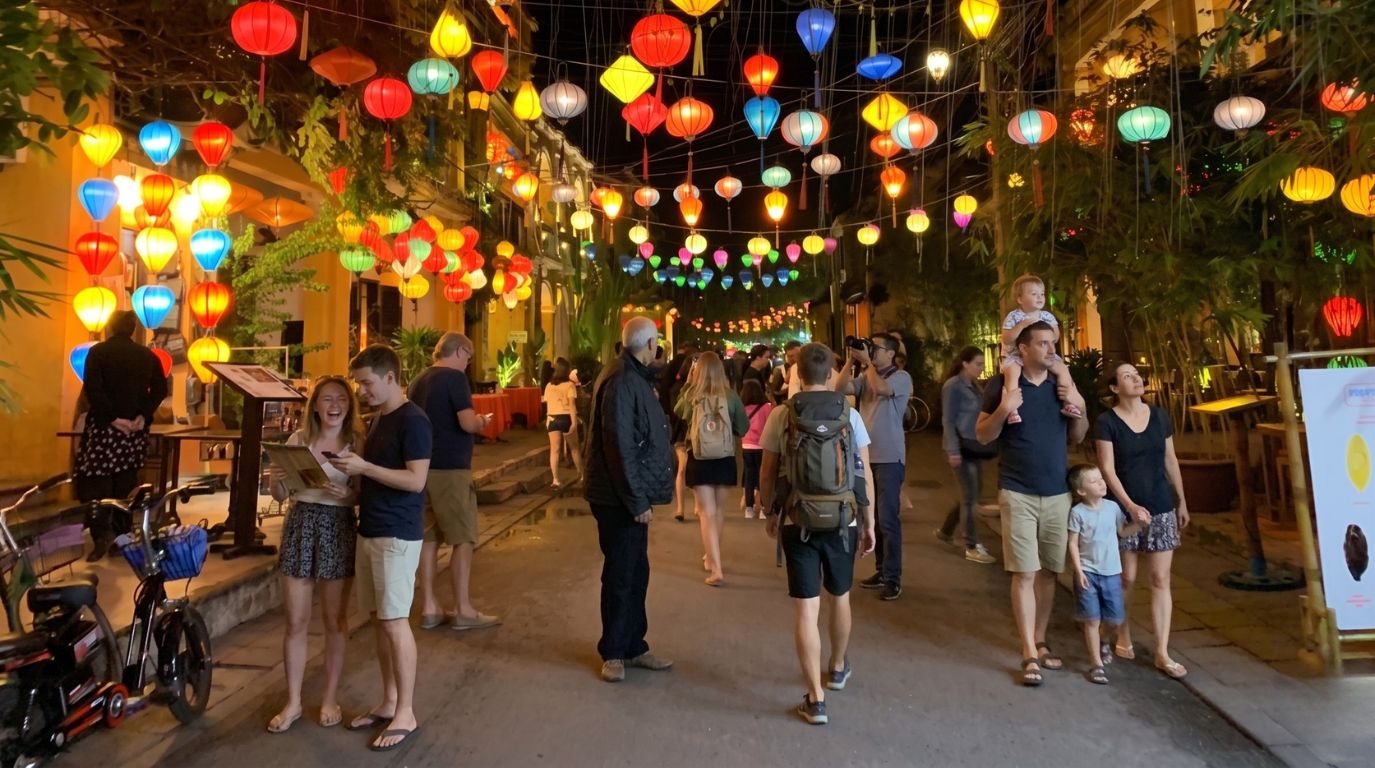
The most popular evening area is the riverside section near the old town, where bars and restaurants stay active until late evening. Walking beside the Thu Bon River with lantern reflections on the water creates one of the most memorable nighttime scenes in Vietnam.
Small cocktail bars hidden inside heritage buildings also give the city a more intimate atmosphere compared with larger urban nightlife destinations.
Inside the ancient town, travelers can find craft beer pubs, wine lounges, and cafés serving Vietnamese cocktails made with tropical fruits and local herbs. Some venues feature live music or jazz performances, especially during weekends. Because the streets are pedestrian-friendly at night, moving between bars and cafés in Hoi An feels easy and safe.
Travelers looking for a more relaxed coastal atmosphere often head toward An Bàng Beach after sunset. Several beachfront bars near Bang Beach offer sunset cocktails, seafood dinners, and lounge music directly beside the ocean. These seaside spots are especially popular during summer evenings when temperatures inside the heritage district remain warm.
Although nightlife in Hoi An is quieter than cities like Ho Chi Minh City or Bangkok, the combination of lantern streets, river views, and beachside drinks creates a unique atmosphere that feels authentic and easygoing.
Hoi An laundry service
Laundry services in Hoi An are affordable, convenient, and widely available throughout the city. Most hotels, homestays, and guesthouses offer same-day or next-day laundry options, making it easy for long-term travelers to refresh their clothes during the trip.
Inside the old town, small independent laundry shops are common along side streets and near backpacker accommodations. Prices are usually charged by kilogram, and many services include folding and delivery back to your hotel. Travelers who stay in Hoi An for several days often prefer local laundry shops because they are cheaper than hotel laundry services.

For delicate fabrics or custom-tailored clothing, it is worth asking whether hand washing is available. Some laundries in Hoi An also provide express services for travelers leaving early the next morning. During the rainy season, using professional dryers can be especially useful because clothes may not dry properly inside hotel rooms.
Overall, laundry services in Hoi An are reliable and inexpensive, which makes longer stays much more comfortable for international travelers exploring central Vietnam.
Hoi An itinerary 3 days recommended
Planning how long to stay in Hội An depends on your travel style, but most travelers find that two or three days gives enough time to enjoy both culture and relaxation. This short travel guide itinerary helps you experience the highlights without rushing through the city.
Day 1: Lantern streets and local food
For your first day in Hoi An, focus on the UNESCO-listed ancient town and riverside area. Spend the morning exploring cafés, tailor shops, and heritage houses before the afternoon heat becomes stronger. During the evening, walk through the lantern-lit old town, try local dishes like cao lầu, and enjoy the atmosphere beside the river.

Many travelers who visit Hoi An for the first time are surprised by how compact the city feels. Because of that, one day is enough to see many of the cultural highlights while still moving at a relaxed pace.
Day 2: Beach and countryside experience
On the second day, combine the cultural side of Hoi An with coastal scenery. Rent a bicycle or scooter and head toward An Bàng Beach for a slower morning. The relaxed atmosphere around Bang Beach is one of the reasons many travelers choose to stay in Hoi An longer than expected.
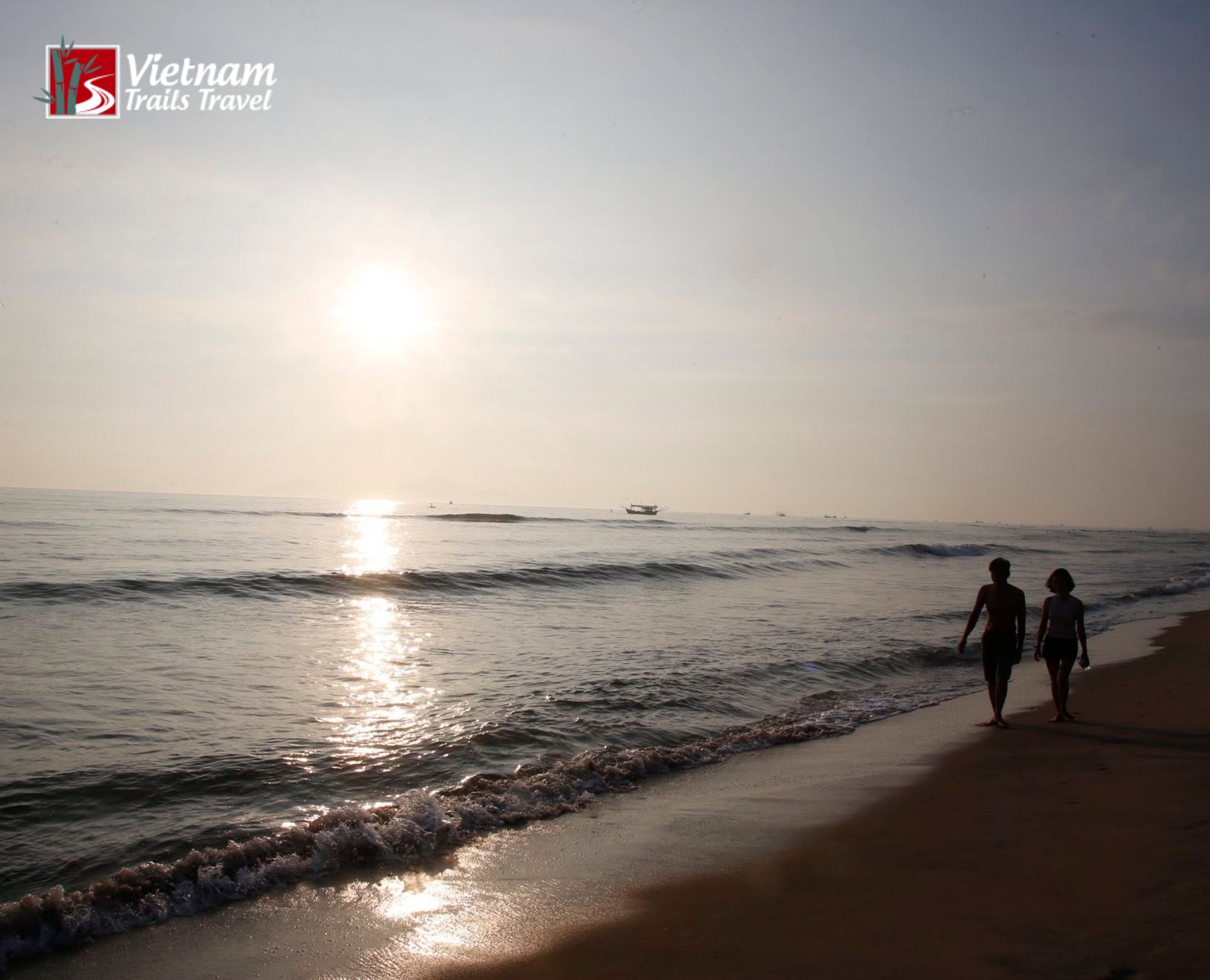
After lunch, continue exploring villages and rice fields around Hoi An such as Trà Quế or Cẩm Thanh coconut forest. These quieter areas show a more local side of life in central Vietnam compared with the busy tourist streets.
Frequently asked questions about Hoi An
How many days do I need in Hoi An?
Two to three days is enough for most travelers. One day covers the ancient town and riverside area, while a second day works well for An Bang Beach and the countryside villages. A third day suits travelers who want tailoring fittings or a slower pace.
Is there an airport or train station in Hoi An?
No. Hoi An has no airport and no train station. All flights and trains arrive in Da Nang, and travelers continue to Hoi An by road. The transfer is short, so this rarely causes problems when planning a trip.
Do I need a ticket to enter Hoi An Ancient Town?
Yes, the official entrance ticket costs 120,000 VND for international visitors and covers access to five heritage sites, including old merchant houses and assembly halls. Walking through the streets themselves is free in practice, but the ticket supports preservation work and is checked at some entry points.
Can I visit Hoi An as a day trip from Da Nang?
Yes, and many travelers do. The drive takes about 45 minutes each way, so a day trip leaving Da Nang around 14:00 and returning after the lantern streets light up works well. An overnight stay is still better if you want to see the old town early in the morning without crowds.
When does Hoi An flood?
Flooding usually happens between September and November, when heavy rain raises the level of the Thu Bon River. Streets closest to the riverside are affected first. Hotels in the old town monitor water levels closely, so check the forecast if you travel during these months.
How long does tailoring take in Hoi An?
Most tailor shops complete a suit or dress within 24 to 48 hours, including at least one fitting. Travelers should place orders on their first day in Hoi An to leave time for adjustments. Rushing the process usually lowers the quality of the final garment.
What is the best way to get around outside the old town?
Bicycles and scooters are the most practical options for the beach, rice fields, and nearby villages. Electric shuttle carts run between the old town and parking areas. For longer trips to My Son Sanctuary or Da Nang, a private car with driver is the most comfortable choice.
