
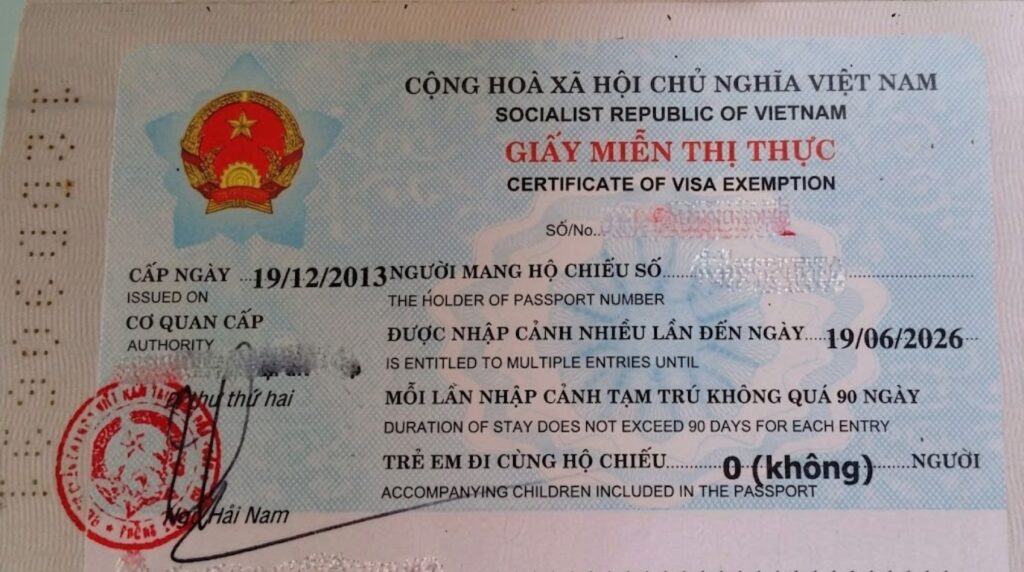
Planning a trip to Vietnam in 2026? Understanding the current Vietnam visa exemption policy is your first step toward a smooth arrival. Vietnam grants visa-free entry to citizens of 39 countries, allowing them to enter Vietnam without applying for a visa in advance, provided they meet certain conditions and stay within specified time limits.
A visa exemption means eligible passport holders can skip the visa application process entirely. The free of visa program allows travelers from certain countries to enter Vietnam if they meet eligibility criteria such as nationality, passport validity, purpose of visit, and necessary documentation.
Instead of submitting documents to an embassy or applying online, travelers simply arrive at a Vietnamese airport or land border, present their valid passport, and receive an entry stamp. The exemption applies for a certain period ranging from 14 to 90 days depending on your nationality and the type of agreement between Vietnam and your country.
This general country-based exemption differs from the special 5-year visa exemption certificate designed for Overseas Vietnamese and their eligible family members. That program, covered later in this article, allows multiple entries over five years with longer stays per visit.
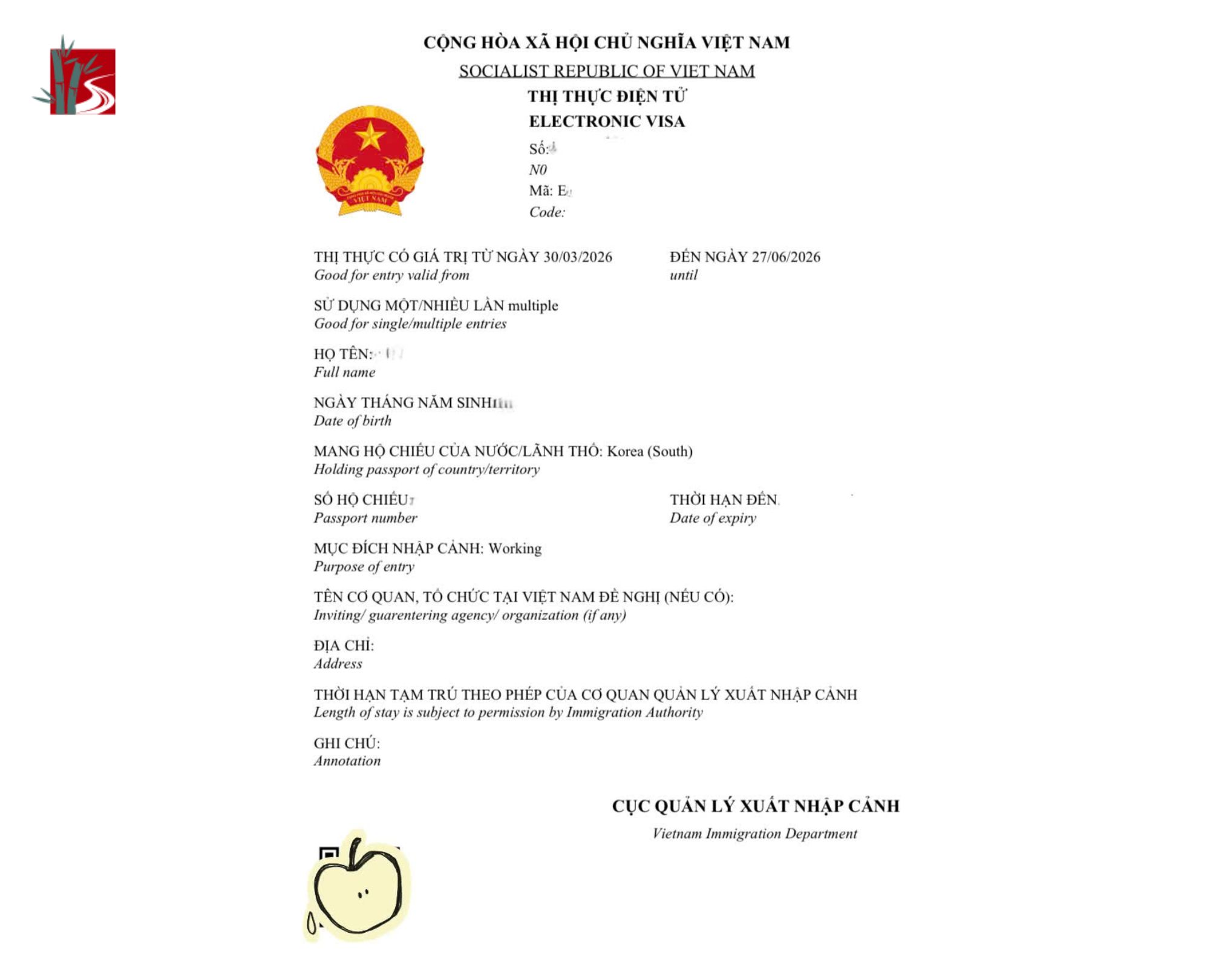
This guide reflects the latest Vietnam visa exemption policy updates for 2026. However, immigration rules can change through government announcements and bilateral negotiations.
We strongly recommend you double check current requirements with the official Vietnam Immigration Department or your nearest Vietnamese consulate before finalizing travel plans. To enter Vietnam without a visa, travelers must have a valid passport with at least 6 months of validity remaining from the date of entry and at least one blank page for the entry stamp.
At Vietnam Trails Travel, we specialize in helping foreigners navigate Vietnam’s visa system. Whether you need to verify your exemption eligibility, apply for an e visa, or arrange fast-track airport services, our Vietnam-based team provides step-by-step support tailored to your situation.
Additionally, travelers entering Vietnam under the visa exemption policy are recommended to have a return ticket or proof of onward travel to another destination.
The main value of this guide is simple: an up-to-date visa-free country list, clear entry conditions, and practical options if your nationality is not on the exemption list. Let’s start with the complete list of countries whose citizens can visit Vietnam without a visa.
1. The Complete List of Vietnam Visa Free Countries 2026
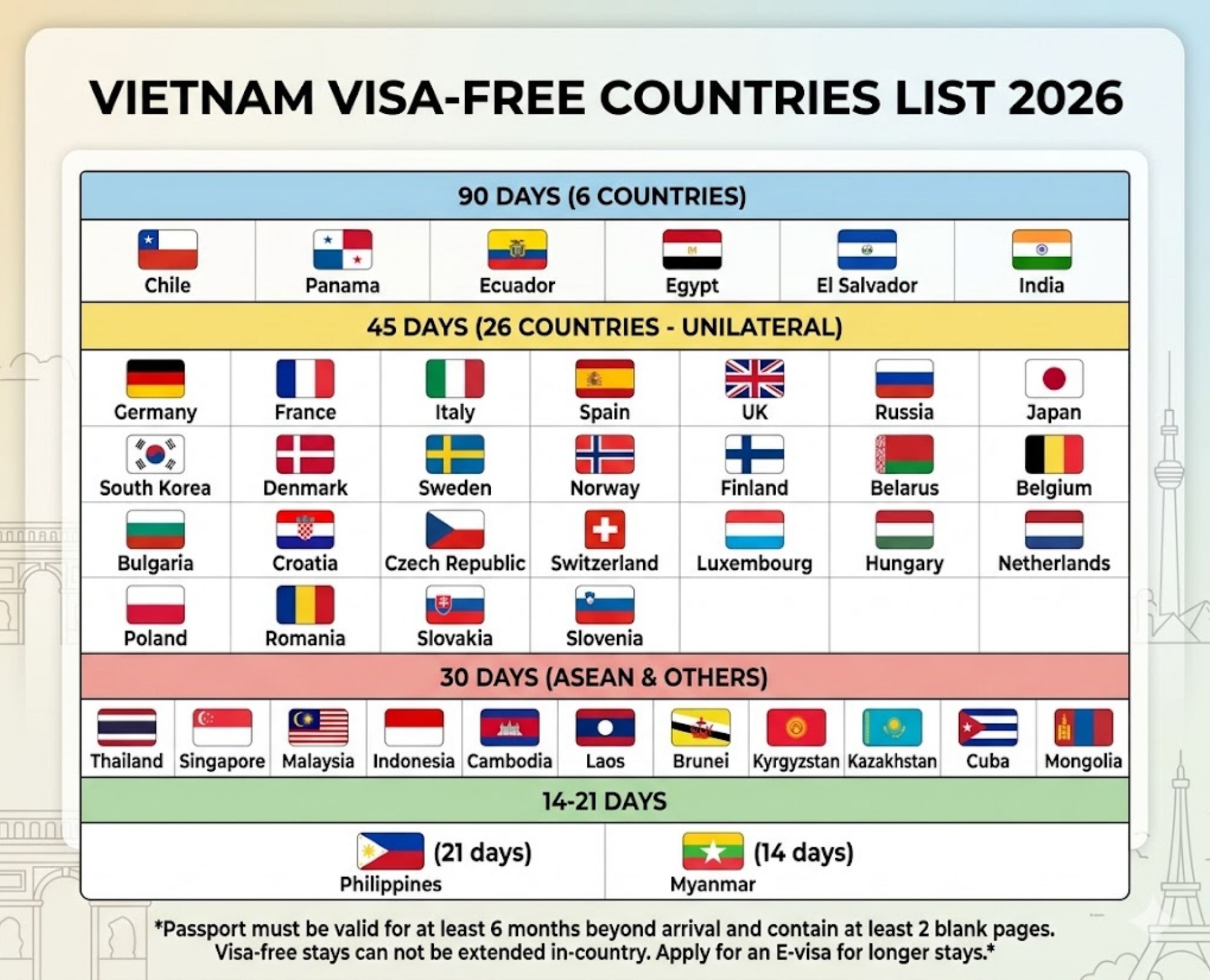
As of 2026, Vietnam grants visa-free entry to citizens of 39 countries through a combination of unilateral and bilateral agreements. Stay durations range from 14 days to 90 days depending on nationality. The table below provides the full exemption list organized by maximum stay duration.
The Complete List of Vietnam Visa Free Countries 2026
Updated guide — 45 nationalities eligible for visa-free entry to Vietnam
| Country / Region | Maximum Visa-Free Stay | Exemption Type | Notes |
|---|---|---|---|
| 90-Day Exemptions 6 countries | |||
| Chile | 90 days | Bilateral | Ordinary passports |
| Panama | 90 days | Bilateral | Ordinary passports |
| Ecuador | 90 days | Bilateral | Ordinary passports |
| Egypt | 90 days | Bilateral | Ordinary passports |
| El Salvador | 90 days | Bilateral | Ordinary passports |
| India | 90 days | Bilateral | Ordinary passports |
| 45-Day Exemptions 26 countries | |||
| Germany | 45 days | Unilateral | Extended through Aug 2028 |
| France | 45 days | Unilateral | Extended through Aug 2028 |
| Italy | 45 days | Unilateral | Extended through Aug 2028 |
| Spain | 45 days | Unilateral | Extended through Aug 2028 |
| United Kingdom | 45 days | Unilateral | Extended through Aug 2028; not for BNO passports |
| Russia | 45 days | Unilateral | Extended through Aug 2028 |
| Japan | 45 days | Unilateral | Extended through Aug 2028 |
| South Korea | 45 days | Unilateral | Extended through Aug 2028 |
| Denmark | 45 days | Unilateral | Extended through Aug 2028 |
| Sweden | 45 days | Unilateral | Extended through Aug 2028 |
| Norway | 45 days | Unilateral | Extended through Aug 2028 |
| Finland | 45 days | Unilateral | Extended through Aug 2028 |
| Belarus | 45 days | Unilateral | Extended through Aug 2028 |
| Belgium | 45 days | Unilateral | Resolution 229 — valid until Aug 14, 2028 |
| Bulgaria | 45 days | Unilateral | Resolution 229 — valid until Aug 14, 2028 |
| Croatia | 45 days | Unilateral | Resolution 229 — valid until Aug 14, 2028 |
| Czech Republic | 45 days | Unilateral | Resolution 229 — valid until Aug 14, 2028 |
| Switzerland | 45 days | Unilateral | Resolution 229 — valid until Aug 14, 2028 |
| Luxembourg | 45 days | Unilateral | Resolution 229 — valid until Aug 14, 2028 |
| Hungary | 45 days | Unilateral | Resolution 229 — valid until Aug 14, 2028 |
| Netherlands | 45 days | Unilateral | Resolution 229 — valid until Aug 14, 2028 |
| Poland | 45 days | Unilateral | Resolution 229 — valid until Aug 14, 2028 |
| Romania | 45 days | Unilateral | Resolution 229 — valid until Aug 14, 2028 |
| Slovakia | 45 days | Unilateral | Resolution 229 — valid until Aug 14, 2028 |
| Slovenia | 45 days | Unilateral | Resolution 229 — valid until Aug 14, 2028 |
| 30-Day Exemptions (ASEAN & Others) 11 countries | |||
| Thailand | 30 days | ASEAN | Bilateral agreement |
| Singapore | 30 days | ASEAN | Bilateral agreement |
| Malaysia | 30 days | ASEAN | Bilateral agreement |
| Indonesia | 30 days | ASEAN | Bilateral agreement |
| Cambodia | 30 days | ASEAN | Bilateral agreement |
| Laos | 30 days | ASEAN | Bilateral agreement |
| Brunei | 30 days | ASEAN | Bilateral agreement |
| Kyrgyzstan | 30 days | Bilateral | Ordinary passports |
| Kazakhstan | 30 days | Bilateral | Ordinary passports |
| Cuba | 30 days | Bilateral | Ordinary passports |
| Mongolia | 30 days | Bilateral | Ordinary passports |
| 21-Day Exemptions 1 country | |||
| Philippines | 21 days | ASEAN | Bilateral agreement |
| 14-Day Exemptions 1 country | |||
| Myanmar | 14 days | ASEAN | Bilateral agreement |
| Important Notes: Passport must be valid for at least 6 months beyond arrival date and contain at least 2 blank pages. Visa-free stays cannot be extended directly — apply for an e-Visa (up to 90 days) or do a visa run to a neighboring country to re-enter.
Travelers not on this list (USA, Australia, Canada, etc.) must apply for a Vietnam e-Visa before arrival. Phu Quoc Island has a separate 30-day visa exemption for direct arrivals by air or sea. Source: Vietnam Ministry of Foreign Affairs · Resolution 229/NQ-CP · Updated 2026 |
|||
1.1. Unilateral Visa Exemption (45 Days)
A unilateral visa exemption means Vietnam grants visa-free entry as a one-way policy decision, without requiring the partner country to offer the same treatment to Vietnamese citizens. This represents Vietnam’s strategic effort to attract travelers from key tourism and economic markets.
Countries currently enjoying 45-day unilateral exemptions:
| No. | Country | Special Conditions |
| 1 | Germany | |
| 2 | France | |
| 3 | Italy | |
| 4 | Spain | |
| 5 | United Kingdom | UK citizens with regular British passports |
| 6 | Russia | |
| 7 | Japan | |
| 8 | South Korea | |
| 9 | Denmark | |
| 10 | Sweden | |
| 11 | Norway | |
| 12 | Finland |
This brings the total to 14 countries receiving Vietnam’s most generous standard exemption period as of 2026. On March 5, 2025, the Vietnamese government officially extended this 45-day policy through August 14, 2028, signaling a commitment to maintaining open access for these strategic markets.
Key conditions for 45-day exemption travelers:
- Valid passport with at least 6 months validity from your arrival date
- At least one blank page for immigration stamps
- No previous overstay violations or deportation records in Vietnam
- Proof of onward or return travel (typically a flight ticket)
- Accommodation details (hotel booking or sponsor information)
Travelers under this category receive an exemption stamp valid for exactly 45 days from their date of entry. There is no mechanism to extend this visa-free stay from within Vietnam. When the 45 days expire, you must leave Vietnam or face penalties.
The question of how quickly you can enter Vietnam on another 45-day exemption is not explicitly defined in official sources. While some travelers have successfully done back-to-back trips, immigration officers retain discretion. Before planning repeated entries, contact Vietnam Trails Travel or check the latest official notices to confirm current practices.
Many travelers from these 14 countries find the 45-day exemption sufficient for comprehensive Vietnam itineraries covering Hanoi, Ha Long Bay, Hue, Hoi An, Ho Chi Minh City, and the Mekong Delta.
1.2. Bilateral Visa Exemption (14 to 30 Days)
Bilateral visa exemptions represent mutual agreements where both Vietnam and a partner country allow their respective citizens short-term visa-free visits. These arrangements typically facilitate regional travel, tourism, and business connections, particularly among ASEAN neighbors.
30-Day Bilateral Exemptions:
| Country | Special Conditions |
|---|---|
| Thailand | Standard tourism/business |
| Malaysia | Tourism, attending press events, attending conferences, official duty, visiting relatives, business negotiation, investment, sports, attending seminars |
| Singapore | No remunerated activities permitted |
| Indonesia | Standard tourism/business |
| Cambodia | Standard tourism/business |
| Laos | Standard tourism/business |
| Kyrgyzstan | Standard tourism/business |
21-Day Bilateral Exemption:
- Philippines – Citizens can enter Vietnam visa free for up to 21 days per visit. This shorter duration compared to other ASEAN nations reflects the specific terms of the bilateral agreement.
14-Day Bilateral Exemptions:
| Country | Special Conditions |
|---|---|
| Brunei | Standard short-term visits |
| Myanmar | Visiting only; no economic activities permitted |
These durations apply per entry and are intended for tourism, short business visits, family visits, and similar purposes—not for long-term work or residence.
Singapore’s exemption explicitly prohibits remunerated activities, meaning Singaporean visitors cannot work or receive payment for services while in Viet Nam under this exemption. Malaysia’s agreement is notably detailed, specifying permitted purposes including attending press events and business negotiation.
Practical planning advice: If you’re from one of these countries, calculate your exact entry and exit dates before booking flights and accommodations. Running up against your visa-free limit creates stress and potential penalties. For stays exceeding your exemption period, apply for an e visa before departure.
1.3. Phu Quoc Visa Exemption (30 Days) – Special Case:
Phu Quoc Island (Vietnamese: Đảo Phú Quốc), located off Vietnam’s southwest coast, benefits from a unique 30-day visa exemption that applies even to nationalities normally requiring a visa for mainland Vietnam. This policy supports Phu Quoc’s development as a major international tourism destination.
Key conditions for the Phu Quoc exemption:
- You must arrive directly at Phu Quoc or transit through a Vietnamese airport en route to Phu Quoc without clearing immigration for mainland Vietnam
- You must remain within the Phu Quoc Island area during your stay
- You must depart within 30 days
- Valid passport with at least 6 months validity from your arrival date
- Confirmed outbound ticket from Phu Quoc or Vietnam within 30 days
This exemption is valuable for travelers from countries like the United States, Canada, Australia, and Brazil who want to enjoy Phu Quoc’s beaches and resorts without applying for a standard Vietnam visa.
Important restriction: If you wish to travel from Phu Quoc to other parts of Vietnam (Hanoi, Ho Chi Minh City, Da Nang, etc.), you must obtain a standard visa or e-visa before leaving the island. You cannot simply fly to Phu Quoc visa-free and then proceed to the mainland without proper authorization.
This creates an interesting opportunity for creative itinerary planning. For example, a traveler could:
- Spend time on Phu Quoc using the 30-day exemption
- Apply for an e-visa (which can be processed while on the island if you have internet access)
- Travel to mainland Vietnam once the e-visa is approved
Vietnam Trails Travel can help organize itineraries combining the Phu Quoc exemption with e-visas for mainland exploration, ensuring you maximize your Vietnam experience without visa complications.
Read more: Phu Quoc Travel Guide 2026: New Visa Rules & Hidden Gems
2. Vietnam Entry Requirements for Visa-Exempt Travelers
Being from a visa-free country is necessary but not sufficient for entry. Vietnam, like all nations, retains the right to refuse entry to individuals who don’t meet standard immigration conditions. Even with a valid exemption, you must satisfy these requirements at the border.
Essential documentation requirements:
| Requirement | Details |
|---|---|
| Valid passport | Minimum 6 months validity from date of entry into Vietnam |
| Blank pages | At least 1-2 blank pages for immigration stamps |
| No violations | No record of previous deportation, overstay, or entry bans |
| Proof of travel | Return or onward flight ticket showing departure within exemption period |
| Accommodation | Hotel booking confirmation or host/sponsor details |
| Sufficient funds | Ability to support yourself during your stay |
Immigration officers may request any of these documents during passport control. While enforcement can vary between entry points, arriving with complete documentation speeds up processing and demonstrates legitimate travel intent.
How the exemption stamp works:
Upon arrival, the immigration officer places a stamp in your passport indicating your allowed stay period. This stamp shows a clear “until” date that you must not exceed. There is no grace period—overstaying even one day triggers fines and creates records that affect future visits.
Visa-exempt stays cannot normally be extended inside Vietnam. If you want additional time beyond your exemption period, the standard practice is to leave vietnam before your visa-free days expire and re-enter with an e-visa or other appropriate visa.
Applicable entry points for visa-exempt travelers:
- International airports: Hanoi Noi Bai, Ho Chi Minh City Tan Son Nhat, Da Nang, Nha Trang, Can Tho
- Major land border gates: Crossings with Laos, Cambodia, and China
- Seaports: Haiphong, Ho Chi Minh City, Da Nang (for cruise ships and ferries)
At each entry point, immigration officers conduct passport control, verify exemption eligibility, and may ask questions about the purpose and duration of your visit.
Practical tip: Carry printed copies of your flight bookings and hotel confirmations. While digital copies on your phone are often acceptable, printed documents eliminate potential issues with phone batteries, internet connectivity, or screen visibility under bright airport lighting.
4. Other Popular Vietnam Visa Exemption Programs
Beyond the standard country-based exemption list, Vietnam offers special visa exemption programs for specific categories of travelers. These include Overseas Vietnamese, APEC business card holders, and diplomatic passport holders.

These programs often provide longer stays (up to 60 or 180 days per entry) and multiple entries, but have stricter eligibility conditions and document requirements. Policies for these groups can change via bilateral agreements or government decisions, so 2026 travelers should verify terms directly with Vietnamese authorities or consult Vietnam Trails Travel for case-specific guidance.
4.1. 5-Year Visa Exemption for Overseas Vietnamese
People of Vietnamese origin living abroad (Vietnamese: công dân Việt Nam ở nước ngoài) and their eligible family members (spouse, children) can apply for a 5-year visa exemption certificate. This certificate, known as “Visa exemption certificate” (Vietnamese: Giấy miễn thị thực) provides significant flexibility compared to standard exemptions.
Benefits of the program:
- Multiple entries during the 5-year validity period
- Generally up to 180 days per entry
- Possible in-country stay extension in special cases
- No need to apply for individual visas before each trip
Where to apply:
- Vietnamese Embassy or Consulate in your country of residence
- Vietnam Immigration Department (Vietnamese: Cục Quản lý xuất nhập cảnh) if already inside Vietnam
Typical documents required:
| Document | Purpose |
|---|---|
| Foreign passport | Valid for at least 1 year |
| Proof of Vietnamese origin | Birth certificate showing Vietnamese birthplace or Vietnamese parents |
| Relationship documents | Marriage certificate, children’s birth certificates (for family members) |
| Application form | Official form from embassy or immigration |
| Passport photos | Recent, passport-sized |
Application process: Submit documents, pay the official fee, wait for processing (typically 5-7 working days at embassies, longer at busy periods), then receive a certificate or sticker that enables visa-free entries during its 5-year (validity) period.
This program is particularly valuable for Vietnamese diaspora members who return frequently for family visits, business, or property management.
4.2. APEC Business Travel Card (ABTC) Holders
Holders of a valid APEC Business Travel Card traveling with a passport from participating APEC economies receive visa-free business entry to Vietnam.
- Maximum stay: up to 60 days per visit
- Suitable for short business trips, conferences, investment discussions, and meetings
- Dedicated fast-track lanes at many Vietnamese airports for quicker immigration clearance
- Must be used together with a valid passport
The ABTC is reserved for qualifying businesspeople and government officials from APEC member economies—not general tourists. The card streamlines travel across multiple APEC destinations, making it valuable for frequent regional business travelers.
If you’re eligible for an APEC Business Travel Card, consult your home country’s issuing authority on how to obtain or renew the card. Confirm Vietnam’s current acceptance conditions, as conditions occasionally change through APEC agreements.
Read more: Vietnam Business Visa Requirements 2026
4.3. Diplomatic and Official Passports
Bilateral agreements allow certain holders of diplomatic and official/service passports to enter Vietnam visa free for specific durations, typically ranging from 15 to 90 days depending on the agreement.
Important distinctions:
- Countries like Thailand, Singapore, and the United Kingdom may have separate rules for their diplomatic and official passport types that differ from ordinary passport rules
- Stay lengths and permitted activities can vary significantly from tourism exemptions
- Coordination with your government’s foreign affairs department or diplomatic mission is essential
This category is generally not relevant to regular tourists but is important for officials, embassy staff, international organization employees, and government delegation members.
If you hold a diplomatic or official passport and are planning official duty travel to Vietnam, verify current bilateral terms through your government’s diplomatic channels rather than relying on general tourism information.
5. What to Do If Your Country is NOT on the Exemption List?
Don’t worry if your nationality isn’t on the (exempt) list. Vietnam has deliberately created accessible visa options to welcome travelers from around the world. The country’s efficient e-visa system means that visa requirements are manageable administrative steps, not prohibitive barriers.
Common visa options for non-exempt travelers:
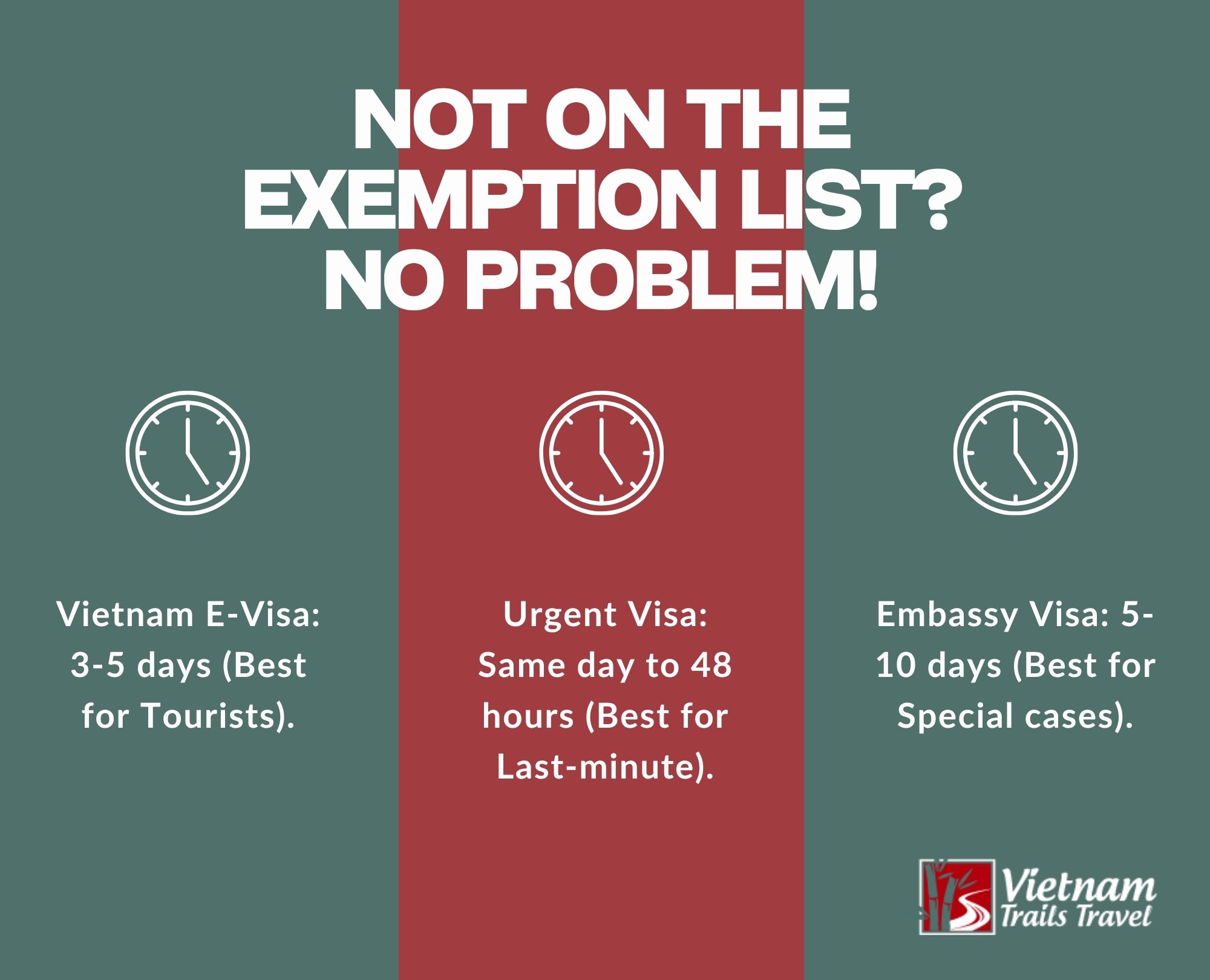
| Option | Best For | Processing Time |
|---|---|---|
| Vietnam E-Visa | Most tourists and business visitors | 3-5 working days (standard) |
| Embassy/Consulate Visa | Extended stays, special circumstances | 5-10 business days |
| Urgent/Fast-Track Services | Last-minute travel, tight schedules | Same day to 48 hours |
Most non-exempt travelers in 2026 use Vietnam’s official e-visa system. It’s available to citizens of a broad range of the countries, covers both tourism and business purposes, and can be completed entirely online.
Vietnam Trails Travel can assist with:
- Choosing the right visa type for your travel purpose
- Submitting accurate applications to avoid rejection
- Resolving issues with delayed or rejected e-visa requests
- Arranging urgent processing when departure is imminent
We recommend starting your visa application at least 1-2 weeks before departure. This provides buffer time for processing and any corrections needed if your initial application has errors.
The Vietnam e visa is an electronic visa issued online, typically allowing a stay of up to 30 days for tourism or business purposes. It’s the most popular visa option for citizens of foreign countries who don’t qualify for visa exemption.
Basic application flow:
| Step | Action |
| 1 | Access the official Vietnam e-visa portal or a trusted service provider |
| 2 | Fill out the online form with personal data, passport information, and travel details |
| 3 | Upload a clear passport photo and scan of your passport data page |
| 4 | Select visa type (single or multiple entry) and travel purpose |
| 5 | Pay the fee by credit/debit card ($25–50 USD depending on visa type) |
| 6 | Receive confirmation email with application reference number |
| 7 | Wait for approval (typically 3–5 working days) |
| 8 | Print the approval PDF in color and present at immigration on arrival |
Key Vietnam visa requirements for e-visa:
| Requirement | Specification |
|---|---|
| Passport validity | At least 6 months from the arrival |
| Photo | Recent, clear, white background, no glasses/hat |
| Entry point | Must specify intended airport, land border, or seaport |
| Personal data | Must match passport exactly (name, date of birth, passport number) |
| Email address | Valid email to receive approval document |
Common rejection reasons to avoid:
- Unclear or poor-quality passport photo
- Name spelled differently in form vs. passport
- Incorrect date format or passport number
- Passport validity less than 6 months
- Missing or invalid email address
The processing time averages 3-5 working days during normal periods. However, during peak tourism seasons (December-February, summer holidays) or Vietnamese public holidays like Tet (Vietnamese: Tết), processing can extend to 7-10 days. Plan accordingly.
Vietnam Trails Travel provides step-by-step support to ensure your application is complete and accurate, minimizing rejection risk and processing delays.
6. Urgent Visa / Fast Track Service
For travelers with tight schedules, last-minute trip changes, or arrival during busy periods, Vietnam Trails Travel offers urgent visa processing and airport fast-track services.
6.1. Urgent visa processing options:
| Service Level | Processing Time | Additional Fee |
|---|---|---|
| Express | 24-48 hours | $10-15 |
| Fast-track | 4-12 hours | $15-25 |
| Same-day/Emergency | 1-4 hours | $25-50 |
These accelerated options help travelers who applied late or face unexpected travel requirements. Note that urgent processing cannot override government security screening—if an application triggers additional review, expedited timelines may not be achievable.
Read more: Urgent Vietnam Visa 2026: Get Your E-Visa in 1-2 Hours
6.2. Airport fast-track service:
A Vietnam Trails Travel representative meets you at the arrival gate, verifies your documents, and guides you through priority immigration lanes. This service is particularly valuable for:
- Tight flight connections (layovers under 4 hours)
- Traveling with children or elderly family members
- Late-night arrivals when staffing is reduced
- Peak tourist season when queues exceed 30-60 minutes
- Group travel requiring synchronized immigration processing
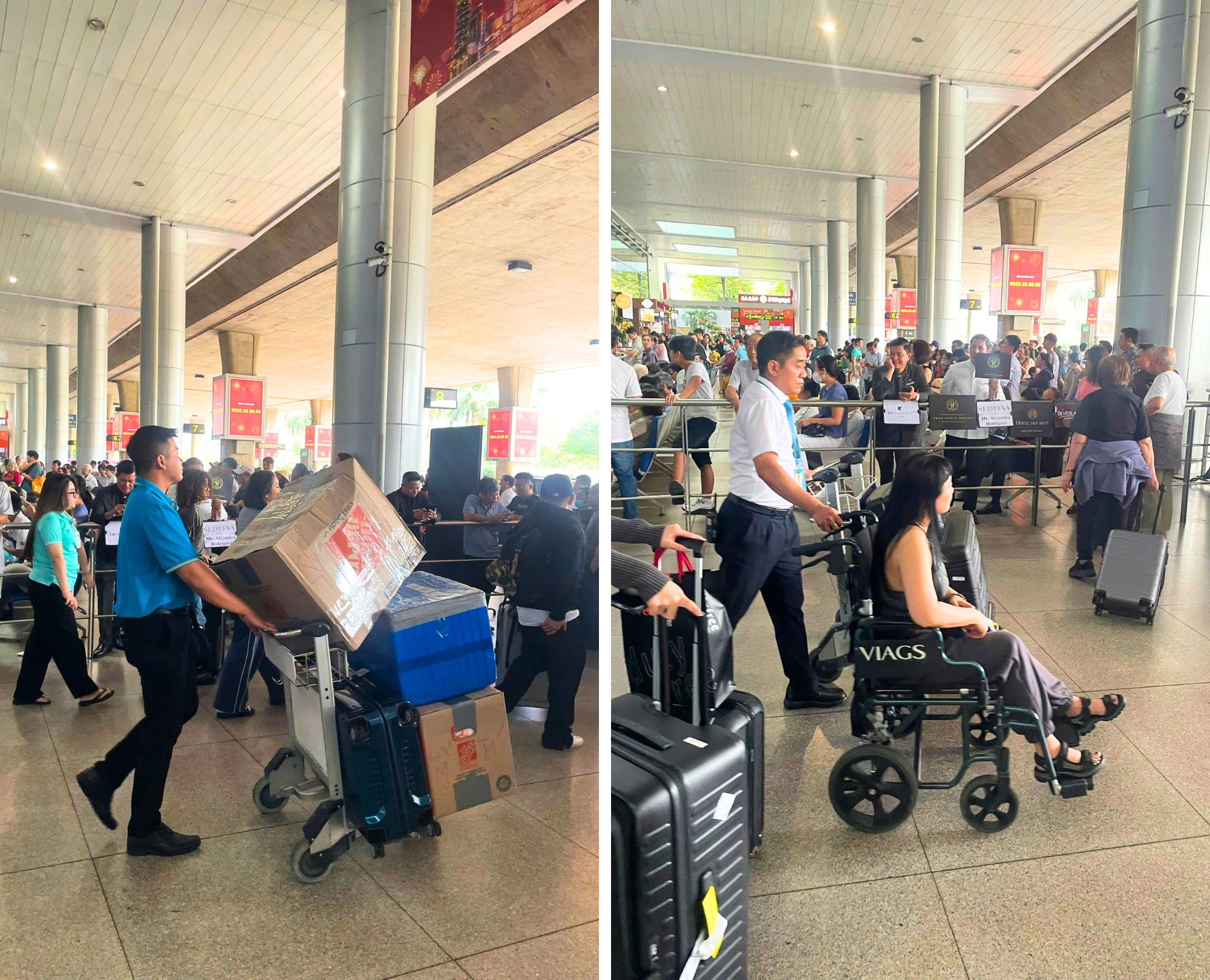
The fast-track service assumes you already have valid entry authorization (e-visa approval, exemption eligibility). It expedites the immigration clearance process itself, not the visa application.
To arrange urgent or fast-track services: Contact Vietnam Trails Travel via form, email, or hotline with your flight details, nationality, and specific requirements. We’ll confirm availability and pricing for your situation.
Read more: Vietnam Fast Track Service: VIP Vietnam Airport Fast Tracks
7. Vietnam Visa Exemption Extensions & Overstay Risks
Understanding extension rules and overstay consequences is critical for responsible travel planning.
7.1. Can you extend a visa-exempt stay?
As of 2026, stays under country-based visa exemption (14, 21, 30, or 45 days) generally cannot be extended from within Vietnam. The exemption policy specifies a fixed duration, and there is no administrative mechanism to add days while remaining in the country.
7.2. Common practice for longer stays:
If you want more time in Vietnam than your visa-free period allows, the standard approach is:
- Leave Vietnam before your exemption expires
- Apply for an e-visa or other appropriate visa
- Re-enter Vietnam with the new visa
This is sometimes called a “visa run”—exiting to a neighboring country (Cambodia, Laos, Thailand) and returning with fresh authorization. While this works, it adds travel time and cost. Planning ahead with the appropriate visa is more efficient.
Read more: Vietnam Visa Extension 2026: How To Renew Vietnam Visa at Moc Bai Border?
7.3. Overstay consequences according to regulations:
| Violation | Consequence |
|---|---|
| Overstay 1-10 days | Fines (approximately 500,000-5,000,000 VND depending on duration) |
| Overstay 11+ days | Higher fines, potential detention, deportation |
| Repeated overstays | Blacklisting, future entry denial |
| Significant violations | Deportation, multi-year entry bans |
These penalties are enforced—immigration tracks overstays electronically, and consequences follow you into future travel.
7.4. What to do if you accidentally overstay:
- Report to local immigration immediately (don’t try to hide it)
- Pay applicable fines
- Seek help from a professional agent like Vietnam Trails Travel to regularize your status
- Plan safe, legal departure
Read more: Vietnam Visa Overstay Penalty Issue 2026: Fines, Blacklist, Solutions
7.5. Exception for special programs:
The 5-year visa exemption for Overseas Vietnamese may have more flexible extension options through local immigration offices. If you hold this certificate and need additional time beyond your current entry period, contact the Vietnam Immigration Department for guidance specific to your situation.
8. Conclusion & Expert Assistance
8.1. Key takeaways from this guide:
- Vietnam grants visa-free entry to 39 countries with stays ranging from 14 to 90 days
- The 45-day unilateral exemption for 14 countries (Germany, France, UK, Japan, South Korea, and others) remains valid through August 2028
- ASEAN neighbors enjoy 14-30 day bilateral exemptions
- Phu Quoc Island offers a special 30-day exemption even for otherwise non-exempt nationalities
- All visa-exempt travelers must meet standard entry requirements: 6+ month passport validity, blank pages, proof of onward travel, and accommodation details
- Overstaying creates fines, blacklisting, and future entry problems
The visa exemption applies to simplify short trips, but travelers must still respect entry requirements, carry valid documents, and avoid exceeding their permitted stay.
8.2. When to contact Vietnam Trails Travel:
- Your nationality is not on the exemption list
- You want to stay longer than your visa-free period allows
- You’re planning multi-country trips combining Vietnam with neighboring destinations
- You need to combine Phu Quoc exemption with mainland tourism
- You have complex cases: repeated entries, business travel, previous visa issues
- Your departure is imminent and you need urgent processing
Our Vietnam-based team provides up-to-date knowledge of policy changes, error prevention during applications, and on-the-ground support throughout your travel.
With proper planning and the right visa or exemption, visiting Vietnam in 2026 is straightforward, safe, and welcoming. Check your eligibility against the exemption list, confirm your entry requirements, and reach out to Vietnam Trails Travel if you have any questions or need assistance with e-visa applications, urgent processing, or airport fast-track services.
Ready to plan your Vietnam trip? Contact Vietnam Trails Travel today for personalized visa guidance tailored to your nationality, travel dates, and itinerary.
