
Realizing you’ve overstayed your visa in Vietnam can trigger instant panic. The good news? Most overstay situations are fixable if you act quickly. This guide breaks down exactly what happens when you overstay your visa, the 2026 penalty fees, and how to resolve the situation before it gets worse.
What Happens If You Overstay Your Visa in Vietnam?
Vietnam has significantly tightened enforcement on visa overstays as of 2026. After large-scale inspections in 2024 detected roughly 15,000 overstayers nationwide, immigration authorities now apply penalties more strictly than in previous years. The era of officers overlooking “just a couple of days” has largely ended.
So what exactly counts as an overstay in Vietnam? It’s simple: staying even one day beyond the “valid until” date (or “ngày hết hạn tạm trú”) stamped in your passport or specified in your e visa approval is considered overstaying with an expired visa. Your departure ticket date is irrelevant—only the visa stamp matters. Always check the date on your visa stamp to ensure it is correct, as errors can lead to unintentional overstays. Set a reminder for the last date you must leave Vietnam to avoid overstaying your visa, especially if you have plans that may delay your departure.
The immediate consequences in 2026 include:
-
Administrative fines scaled by the number of days overstayed
-
Possible mandatory interview at an immigration office
-
Requirement for an exit visa if overstaying more than 1-2 days
-
A digital notation in the national immigration database that persists across future entries
A Vietnam visa overstay can result in serious legal implications. Overstaying your visa Vietnam may lead to fines, blacklisting, deportation, or even imprisonment in extreme cases.
This applies universally to all visa types: e-visas (up to 90 days), visa-on-arrival, visa exemption periods (such as 45 days for many Europeans), and temporary residence cards.
The penalty for overstaying a visa in Vietnam ranges from VND 500,000 to VND 40,000,000, depending on the number of days overstayed. As of January 1, 2026, fines for overstaying a visa in Vietnam can reach up to VND 40,000,000 (approximately US$1,519) depending on the length of the overstay.
From January 1, 2026, the maximum fine for serious overstay cases increased to VND 40,000,000 (approximately USD 1,520), reflecting updates beyond Decree 144/2021/ND-CP.
Vietnam Trails Travel is not an immigration authority—we’re a Vietnam-based travel agency experienced in helping guests who accidentally overstay. The guidance below is practical, not legal advice.
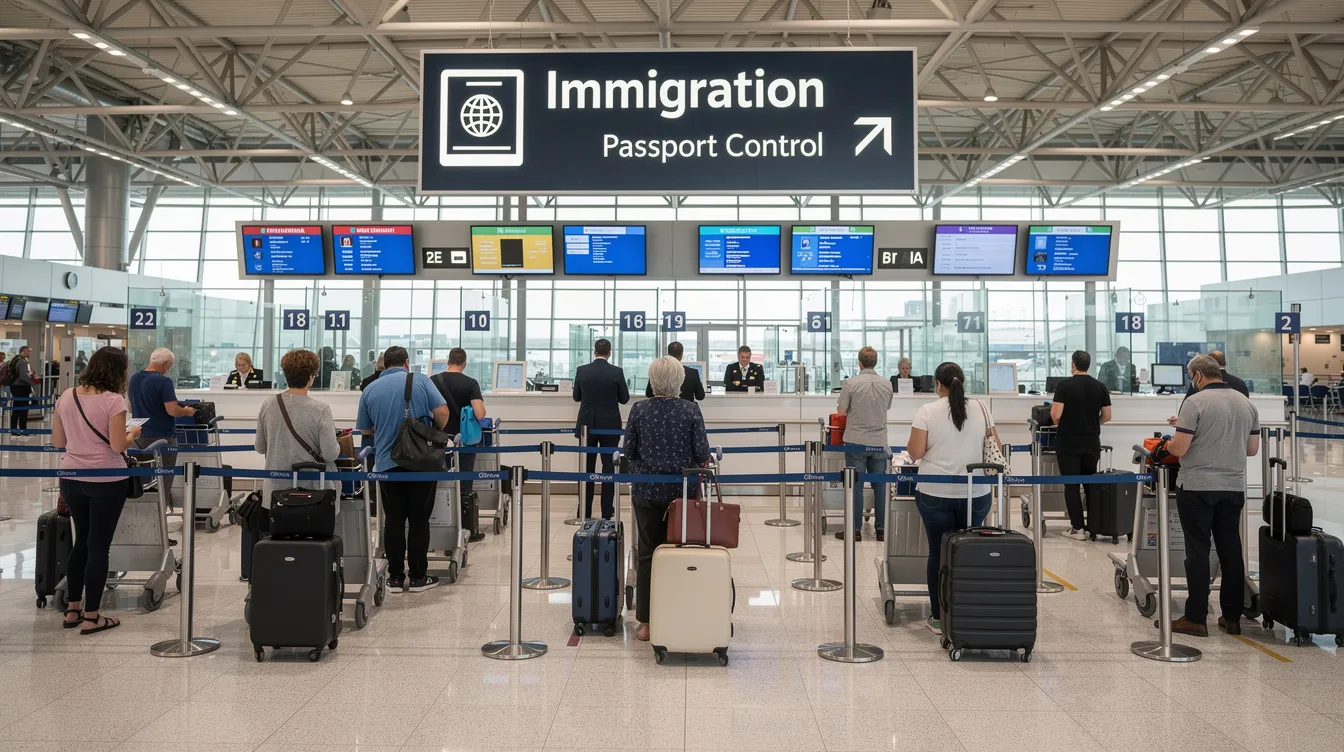
The Official Overstay Vietnam Visa Penalty Fees (2026 Update)
Fines in 2026 remain based on Decree 144/2021/ND-CP, but practical amounts charged at airports and the immigration department have risen following the January 2026 update. Here are the reference ranges you can expect:
-
1-2 days: Usually around VND 500,000 total (about USD 20)
-
3-10 days: Approximately VND 1,000,000-3,000,000 (USD 38-114)
-
11-30 days: Approximately VND 3,000,000-5,000,000 (USD 114-190)
-
31-90 days: Often VND 5,000,000-16,000,000 (USD 190-608)
-
90+ days or repeat violations: Up to VND 40,000,000 (USD 1,520) plus possible deportation
For short overstays of 1–3 days, you can pay the fine directly at the immigration counter at airports, but it is safer to visit the Immigration Office beforehand.
The exact fine fee depends on several factors: the number of days overstayed, whether you self-report or get caught during a check, your visa type (tourist visa, business visa, work permit, or TRC), and any aggravating factors like working illegally or providing a fake address. In addition to the fine, you may also be required to pay an extension fee if you wish to prolong your stay beyond your visa’s validity.
Short overstays of 1-2 days are typically settled directly at airport immigration upon departure. For longer overstays, you must pay a fine at the local Immigration Office before applying for an extension or exit visa.
Key offices where fines are commonly processed:
-
Hanoi: 44-46 Tran Phu
-
Ho Chi Minh City: 196 Nguyen Thi Minh Khai, Ngo Quyen District area
-
Da Nang: 7 Tran Quy Cap
Provincial offices handle regional cases as well.
If you wish to apply for a new visa after overstaying, you need to prepare the required documents and submit your application at the Immigration Department, which typically takes 5 to 7 working days to process.
Will I Be Blacklisted or Deported?
Most tourists who overstay a few days are not deported or permanently banned. However, every visa overstay is recorded in the national database and can affect future visits to vietnam.
Here’s how blacklisting works in practice: immigration authorities can mark your record, potentially causing airlines to refuse boarding or border officers to deny entry for 1-3 years in serious cases (up to 5 years for severe violations).
Typical risk levels in 2026:
-
1-3 days, first-time, self-reported: Low risk. Usually results in a warning note and system notation, not a formal ban.
-
4-30 days: Medium risk. Expect stricter questioning on your next entry and possible short-term restrictions on future visits.
-
31+ days, repeated, or deliberate overstay: High risk of blacklist (1-3 years) and compulsory exit.
Deportation typically activates for overstays of 16+ days combined with other violations—working illegally, false address registration, expired TRC, or ignoring immigration summons. Criminal or public order incidents dramatically increase deportation likelihood.
Deportation means escorted exit at your expense, an official expulsion decision, and a re-entry ban lasting 1-5 years depending on gravity.
Since the January 2026 tightening, immigration laws have been applied more strictly. However, cooperative tourists with verifiable excuses (flight cancellations, hospital treatment, passport lost report scenarios) often avoid the harsh consequences if they act promptly.
How to Solve Your Overstay: Getting an Exit Visa
An exit visa (or “giấy phép xuất cảnh”) is typically required in 2026 for overstays longer than a couple of days. This travel document must be processed at immigration before you proceed to the vietnam airport.
The standard 2026 process:
-
Stop moving between cities immediately
-
Contact or visit the nearest immigration office as soon as you realize you’ve overstayed
-
Bring your original passport, current visa or e-visa printout, proof of accommodation, and an outbound flight booking
-
Complete the overstay declaration and explanation form
-
Pay the fine plus the separate exit visa fee (usually VND 1,000,000-2,000,000 extra)
-
Wait 3-7 working days for processing (can extend to 7-10 days around Tet holidays)
Without an exit visa for longer overstays, you can be denied boarding at check-in. The exit visa permits one-way departure only—you’ll need a new visa application for future entry.
Vietnam Trails Travel can sponsor and submit exit visa files in Hanoi, Ho Chi Minh City, and Da Nang, often securing faster turnaround than walk-in self-applicants.
Scenario A: Overstaying by 1-2 Days
This is the most common accidental overstay—miscounting a 30-day e visa, confusion between “entry” valid dates and “stay until” dates, or wrong dates from delayed flights.
What typically happens in 2026:
You can usually pay a fixed fine (around VND 500,000 total) directly at the international airport immigration desk when departing. Immigration officers may ask brief questions but rarely require you to visit a city office first.
The airport process:
-
Arrive 2-3 hours earlier than normal
-
Proceed to the immigration counter with your passport and boarding pass
-
The immigration officer calculates the fine, you pay the fine in cash (Vietnamese dong), receive a receipt, and a remark goes into the system
Even a 1-day overstay is an administrative violation. It can appear on your record and be questioned on your next entry, especially after 2026’s enforcement increase. Be honest, polite, and prepare documents like flight cancellation emails if you have them—though these rarely reduce the fine.
Vietnam Trails Travel offers last-minute phone/email guidance for guests flying out of Noi Bai, Tan Son Nhat, and Da Nang airports, though short overstays rarely need agency intervention.
Scenario B: Overstaying by 3+ Days (Immigration Office Required)
From approximately 3 days overstay onward, airport directly resolution often isn’t possible. Officers may refuse to process your case on the spot, instructing you to resolve it at a city immigration office first.
What a typical 3-30 day case looks like:
-
Visit the immigration office in your current stay city (or where your sponsor is registered for business visas)
-
Complete a written explanation for the overstay
-
Potentially need a Vietnamese “guarantor” or sponsor (hotel, employer, or travel agency)
Documents normally requested:
-
Original passport
-
Current visa or e-visa printout
-
Hotel bookings or landlord registration
-
Air ticket confirmation showing your planned departure
-
Sponsorship letter (if on business visa or TRC)
Typical outcomes:
-
Fine based on days overstayed plus exit visa fee
-
Requirement to exit vietnam by a set date
-
Warning that future visa issuance may be restricted if you repeat
Attempting to leave directly from the airport without resolving a 3+ day overstay risks missed flights and being sent back to immigration.
For 90+ day or repeated overstays, expect deeper investigation, police address verification, and potential expulsion decision rather than simple exit processing. Local officials take these cases seriously.
Overstay Rescue Services: Let Us Handle the Immigration Office
Vietnam Trails Travel is a legally registered Vietnam travel company helping visitors navigate overstay situations, exit visas, and emergency travel changes.
Why professional help matters in 2026:
-
Forms and instructions are often Vietnamese-only
-
Procedures differ between Hanoi, Ho Chi Minh City, Da Nang, and provincial offices
-
After the 2026 penalty increase, officers are less flexible with incomplete DIY filings
Our overstay support services:
-
Assessing your situation via email/WhatsApp with estimated fine and timeline
-
Preparing and submitting exit visa applications on your behalf
-
Arranging sponsor letters where legally permissible
-
Accompanying you to immigration for interviews and translations
-
Coordinating new visa issuance flight bookings aligned with your approved exit date
Typical client profiles we help:
-
Tourists with 5-20 days overstay after medical issues
-
Remote workers who misread their 90-day e-visa visa duration
-
Business travelers whose company forgot to handle visa extension
What we cannot do:
-
Erase serious violations from the database
-
Guarantee no blacklist for 90+ day or repeated overstays
-
Assist with criminal or non-immigration legal problems
Contact Vietnam Trails Travel early—before going to the airport—for a realistic plan.

How to Avoid Overstaying in the Future (The Border Run)
Prevention is far cheaper than paying overstay fines. With 2026 penalties higher than ever, planning ahead saves money and stress.
Prevention tips:
-
Always check for incorrect dates on your visa stamp upon arrival; ensure your entry and expiry dates are accurate to avoid unintentional overstays.
-
Double-check the visa stamp current date and expiry the day you arrive
-
Set two digital reminders (7 days and 3 days before visa expires)
-
Avoid overstaying visa by booking flights that depart well before midnight on your last valid day
Legal alternatives to overstaying:
Visa Extension: Many (but not all) nationalities can apply for visa extension inside Vietnam through the vietnam embassy or authorized agents. Check visa status eligibility first.
Border Run: Leave Vietnam temporarily and re-enter with a new visa:
-
Fly to nearby hubs: Bangkok, Kuala Lumpur, Singapore, or Phnom Penh
-
Stay 1-2 nights while applying for a new Vietnam e-visa abroad
-
Re-enter Vietnam legally with a fresh permitted stay period
Land border options to Cambodia or Laos work but can be complicated by changing local rules. Always verify current requirements for both countries.
Visa Exemption Note: Some nationalities (many Europeans) receive 45 days visa-free until at least March 14, 2028. You cannot extend an exemption in-country—you must exit and re-enter for a new exempt period, allowing an extended trip vietnam longer than 45 days.
Vietnam Trails Travel can check your remaining days, suggest the safest option, and help book last-minute border run itineraries.
Frequently Asked Questions (FAQs)
If I overstay 1 day in 2026, how much will I pay? Typically VND 500,000 (about USD 20), processed at the airport. Amounts can vary slightly by officer and location. You may also be required to pay an extension fee if you wish to regularize your stay before departure. You can visit Vietnam again afterward, though your record will show the administrative violation.
Is there a grace period in Vietnam? No official grace period exists under Vietnamese immigration law. Even a few hours past midnight counts as overstaying your visa, which is considered an administrative violation and may result in fines or other penalties.
Can I extend my visa after it has already expired? If you have an expired visa, in most 2026 cases, you must resolve the overstay by paying the fine and any required extension fee, then obtain an exit visa and leave. Some business or TRC holders have limited options—consult the Vietnam Immigration Department or nearest embassy.
Will overstaying once stop me from entering Vietnam again? A single minor overstay usually doesn’t trigger a ban, but immigration authorities will scrutinize future applications more closely. Correct details on future applications become critical, especially after an administrative violation.
Can I go to jail for overstaying? Short, non-criminal overstays are treated as administrative violations and result in administrative sanctions (fines, possible expulsion), not prison. However, combining overstay with illegal work or other offenses can lead to serious consequences including criminal charges.
Do I have to pay more in 2026 compared to 2024-2025? Yes. Maximum penalty caps increased, and enforcement intensity rose after 2024’s crackdowns. Procrastinating is more expensive now.
What if my embassy is not available locally? If your country’s embassy or consulate is not available locally, you may request official support through a diplomatic note. This formal document, issued by your embassy, can assist with travel documents or visa matters when direct embassy support is unavailable.
Always check the latest updates on the official Vietnam Immigration Department website (xuatnhapcanh.gov.vn). Vietnam Trails Travel continuously updates our guidance as penalties and procedures change.
Conclusion: Act Now Before the Fine Increases
Overstaying any vietnam visa in 2026 carries higher costs and risks than previous years. But most situations are resolvable if you act quickly and cooperate with immigration authorities.
Take action now:
-
Check your visa validity and entry stamp today
-
If already overstaying, contact immigration or a reputable agency immediately
-
Avoid “hiding” or moving around hoping to escape detection
Early action means lower fines, faster exit visa processing, and dramatically reduced chances of blacklist or deportation.
Vietnam Trails Travel can assess your situation confidentially, help plan an exit or extension strategy, and support you through 2026’s stricter environment. Don’t wait until airport check-in to face this problem.
Contact us the same day you discover an overstay. Every day you wait increases both your fine and your stress.
