
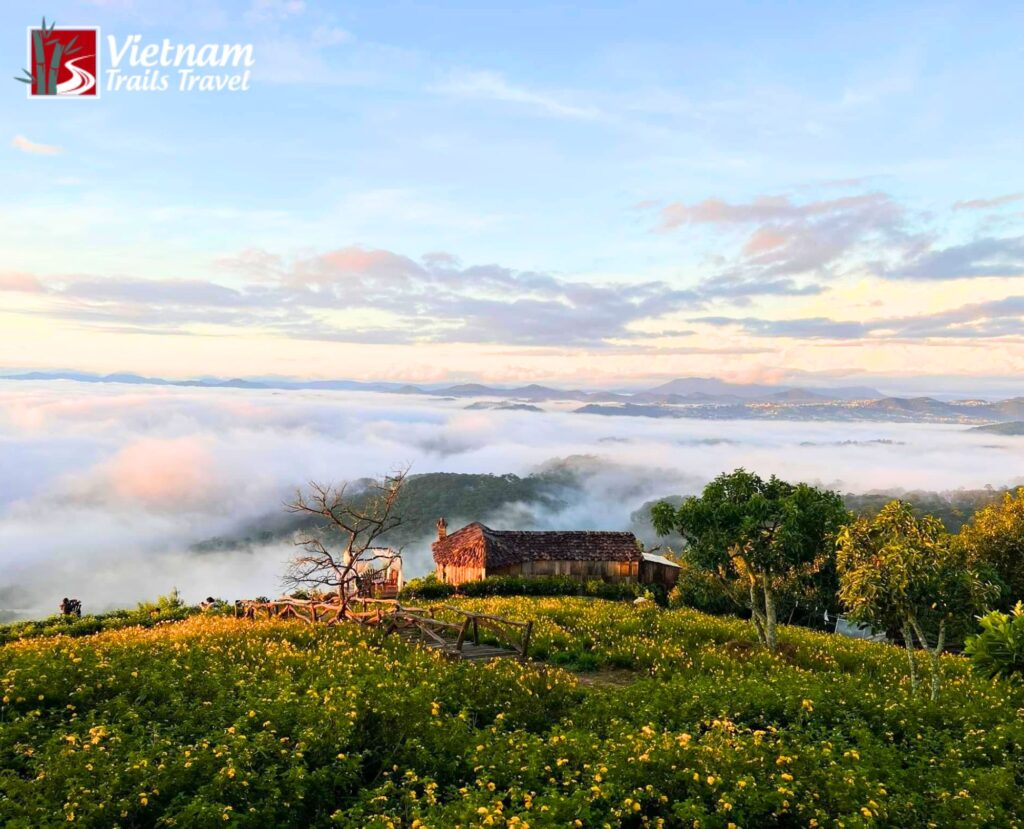
Most travelers come to Vietnam for the heat. They expect the motorbike chaos of Saigon or the salt air of Da Nang at 33°C. Then someone mentions this mountain city, and they see pine trees and fog instead.
This highland retreat sits 1,500 meters above sea level. It was built by the French in the 1890s and has since become something much stranger.
In May 2026, a visiting photographer noted how the Linh Phuoc Pagoda (8km from town) looks like a giant mosaic puzzle made of broken glass. Entry is free, and it takes about 45 minutes to explore properly. Nearby, the Dalat Railway Station charges a small 5,000 VND entry fee to see the vintage cog-train carriages.
One honest observation: the “Paris of the Orient” nickname is mostly a marketing myth. Most of the old colonial villas are crumbling or hidden behind ugly concrete hotels.
The city earns its loyalty through local flavors. At the night market, the smell of charcoal and grilled quail eggs fills the air. According to the Lam Dong Tourism Board, visitor numbers are peaking this year.
This Dalat travel guide 2026 provides the essential facts a friend on the ground would share. No filler. Just the reality of the mountains.
1. The Brief About Dalat
Dalat sits at roughly 1,500 meters above sea level on the Langbiang Plateau in the Central Highlands. The French built it in the 1890s as a hill station to escape the humidity of Saigon.
You can still see that DNA in the yellow colonial villas with green shutters and the cathedral with a rooster on its spire. In April 2026, a local architect pointed out that many of these villas are actually being replaced by narrow, modern tube houses.
One honest observation a marketing site would not say: the “European” aesthetic is fading fast under the weight of concrete development.
This Dalat city travel guide highlights why the city remains popular for its cool climate. Temperatures hover between 15°C and 25°C year-round. It is sweater weather most evenings and t-shirt weather most afternoons.
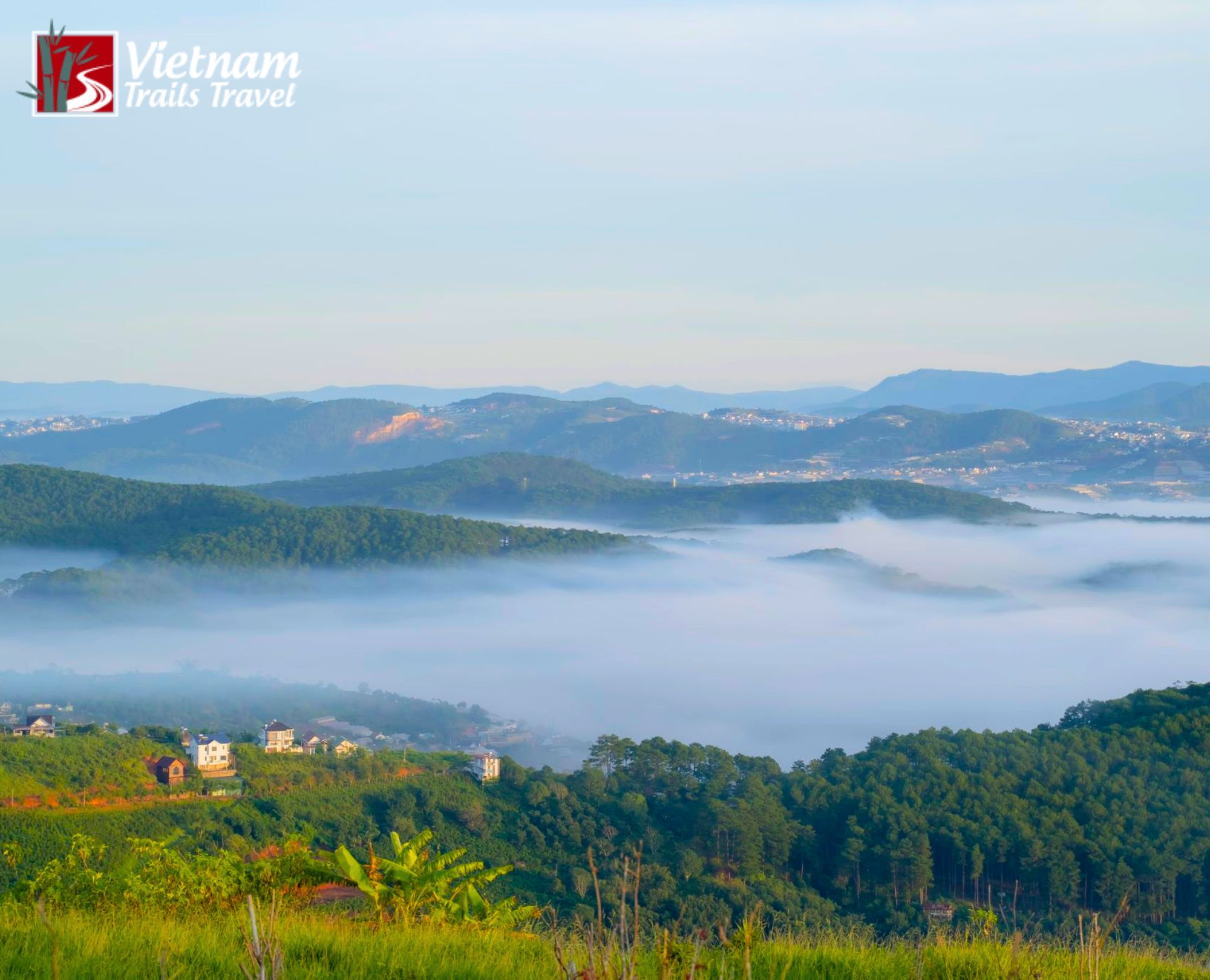
The city draws over 2 million visitors annually, mostly domestic travelers fleeing the southern heat. International visitors usually arrive as part of a Vietnam loop, stopping here between Mui Ne (160km away) and Nha Trang (135km away). A bus ticket for these routes typically costs 250,000 VND and takes about 4 hours.
-
European produce like artichokes and strawberries thrive here.
-
The architecture reflects a strange French-Vietnamese fusion.
-
Eccentric spots like the Crazy House (entry 60,000 VND) and the Linh Phuoc Pagoda define the local character.
The city has a sense of humor about itself. It produces 30% of Vietnam’s vegetables, supplying lettuce and herbs to Saigon’s top restaurants. According to the Lam Dong Department of Agriculture, the flower industry is a $300-million-a-year business.
Coffee from the Cau Dat district even supplies Starbucks Reserve. This Dalat travel guide note explains why the local food is so fresh. The homestay scene in the surrounding farmland has exploded, offering a quiet alternative to the noisy city center. Stick to this Dalat travel guide 2026 to find the most authentic corners of the plateau.
2. The Best Time to Visit Dalat
People always ask me, “When should I come?” The honest answer is “almost any time, but pack layers”. Dalat doesn’t have a brutal off-season the way coastal Vietnam does, no monsoon shuts the place down. But the experience does change quite a bit between dry and wet months.
2.1. Dry Weather & Rainy Season
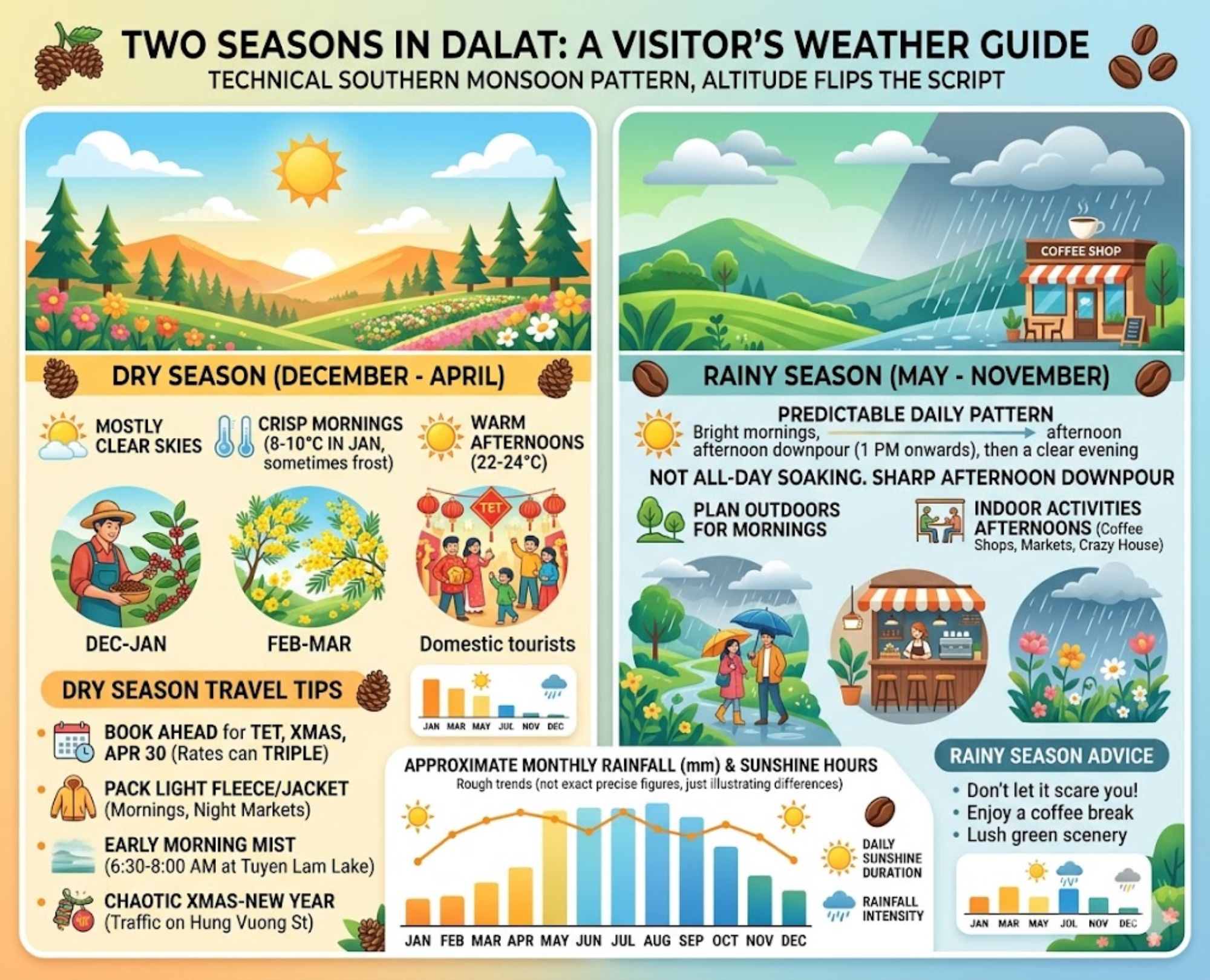
Dalat technically operates on Vietnam’s southern monsoon pattern, but altitude flips the script. Up here, the rain isn’t the all-day soaking you get in Saigon—it’s usually a sharp afternoon downpour that drains the humidity, then quits. That said, the seasonal split is real and it affects what you can do.
2.1.1. December – April: Dry Season
This is the postcard window. Skies are mostly clear, mornings are crisp (sometimes down to 8–10°C in January, low enough that I’ve seen frost on the cars in Tuyen Lam) and afternoons settle into a sun-warmed 22–24°C.
Coffee farmers are harvesting through December and January; the mimosa trees go yellow in February and March and Tet (Lunar New Year) in late January or early February floods the city with domestic tourists.
A few insider tips for the dry season:
- Book accommodation 4–6 weeks ahead if you’re traveling during Tet, Christmas, or April 30 (Reunification Day). Hotel rates can triple.
- Pack a light fleece or down jacket for early mornings and night markets. The locals wear puffer jackets year-round here, which tells you something.
- The light is gorgeous between 6:30 and 8:00 AM — get up early for the mist hanging over Tuyen Lam Lake.
- Christmas to New Year has become genuinely chaotic in the last few years. Traffic on Hung Vuong Street can crawl. Avoid if you hate crowds.
2.1.2. May – November: Rainy Season
Don’t let this scare you off. Most rainy-season days follow a predictable pattern: bright morning, ominous clouds rolling in around 1 PM, an hour or two of heavy rain, then a clear evening. If you plan outdoor stuff for mornings and indoor things — coffee shops, markets, the Crazy House — for afternoons, you’ll be fine.
2.2. How Dalat’s Weather Differs from Sapa, Lao Cai
A lot of travelers mash Dalat and Sapa together as “the cool mountain destinations” of Vietnam. They’re not interchangeable. Sapa located at a much higher latitude, so its climate behaves more like northern Thailand or Yunnan — cold winters, hot summers and proper four seasons. Dalat is technically tropical but moderated by altitude, so the temperature range is much narrower. Here’s how they compare:
| Factor | Dalat (Lam Dong, South) | Sapa (Lao Cai, North) |
| Elevation | ~1,500 m | ~1,500 m |
| Annual avg. temperature | 18–22°C | 15–18°C |
| Coldest month | January (10–22°C) | January (5–15°C, occasional snow) |
| Hottest month | April–May (15–25°C) | June (22–29°C) |
| Dry season | Dec–April | Oct–March |
| Rainy season | May–November | April–September |
| Fog & mist | Common in early morning year-round | Heavy and persistent, especially Nov–Feb |
| Risk of frost/snow | Extremely rare | Possible Dec–Feb at altitude |
| Best for | Year-round visits, flowers, romance, food | Trekking, ethnic minority villages and terraced rice fields |
The takeaway? If you want stable, mild weather and a destination that’s pleasant in any month, Dalat wins. If you’re after dramatic mountain landscapes and you’re willing to gamble with cold and fog, Sapa is more rewarding.
I usually tell first-timers in Vietnam to pick Dalat if they’re already going south and Sapa if they’re already going north—it’s not worth crossing the country for either one.
3. Getting Around
Dalat is a small city with a population around 230,000, but the terrain is notoriously steep. Much like San Francisco, the slopes are relentless. Walking everywhere sounds romantic until one has climbed their third 30-degree incline in the thin mountain air.
In February 2026, a visitor from the Netherlands mentioned that even with their cycling endurance, the hills around Xuan Huong Lake were a surprise. This Dalat city travel guide highlights how locals and seasoned travelers actually move around the plateau.
3.1. Shuttle Bus
The Lien Khuong Airport (DLI) shuttle is your cheapest way in from the airport, which sits about 30 km south of the city. As of 2026, the fare is around 40,000 VND (~$1.60 USD) per person per trip and the bus runs roughly to coincide with major flight arrivals.
The catch: it only runs one route, from the airport into the city center near the Phuong Trang office and the Dalat Intercity Bus Station, so if your hotel is in Ward 8 or up on Tran Hung Dao, you’ll need a taxi or Grab to finish the journey.
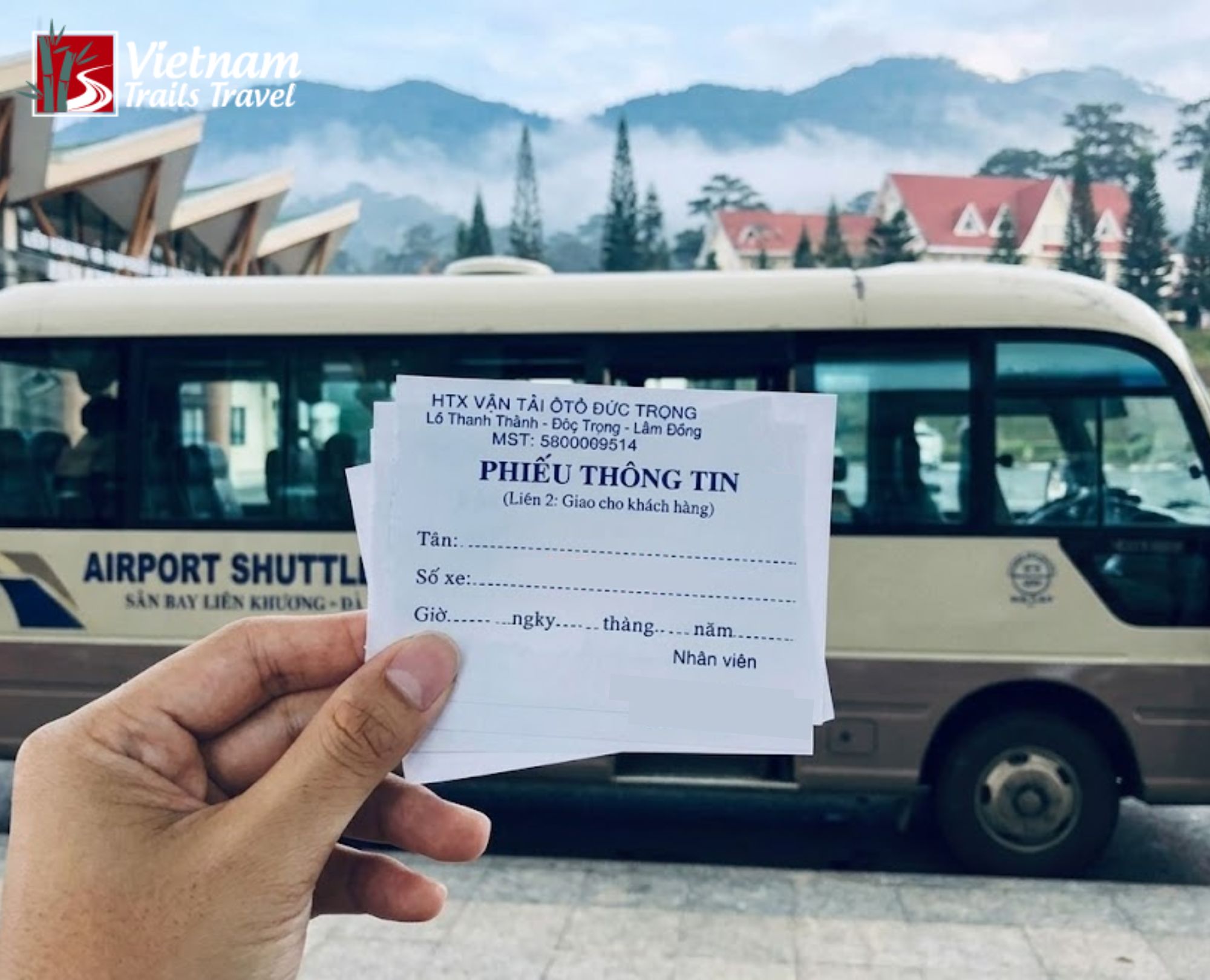
For the return leg out of Dalat to the airport, the shuttle departs from the same Phuong Trang office on Le Thi Hong Gam Street. If you have an early morning flight (most domestic flights to Saigon depart between 6 AM and 9 AM), book a Bolt instead — the shuttle’s first run sometimes doesn’t catch the earliest flights.
Allow 90 minutes of buffer time to be safe; checkpoints on Highway 20 occasionally slow traffic.
City buses do exist (the main station has been moved to Mai Anh Dao Street near the Valley of Love), but honestly, I rarely recommend them to international visitors. Routes are confusing, signage is minimal English and you’re often better off walking or grabbing a Bolt.
The exception: Bus Route 5 from the central station to Cau Dat tea fields is one of the few useful long-distance lines for budget travelers—it costs around 25,000 VND each way and gets you 90% of the experience of a private tour.
3.2. Taxi
Dalat has reputable taxi companies that use meters: Mai Linh (green) and Vinasun (white) are the standards. Taxi Lado and Thang Loi also operate around the airport. Flag-fall is around 12,000–15,000 VND and a typical city ride costs 30,000–80,000 VND.
For airport runs, expect to pay 300,000–400,000 VND ($12–16 USD) by metered taxi from DLI to the city center. The drive is about 40–50 minutes through the Prenn Pass.
| Taxi Company | Phone Number | Base Fare (Opening) |
Fare per km |
| Lado Taxi (Lam Dong Taxi) | 02633 666 777 / Hotline 1900 1111 | 12,000 VND (4-seat) / 15,000 VND (7-seat) | ~11,800–14,500 VND |
| Mai Linh Taxi Dalat | 0263 38 38 38 38 / Hotline 1055 | 11,000–14,000 VND | ~14,500–17,500 VND |
| Vinasun Taxi | 028 38 27 27 27 (HCMC hotline; limited Dalat coverage) | 12,000 VND | ~16,000–18,000 VND |
| Dalat Taxi (Co-op) | 0263 3 511 111 | 10,000–12,000 VND | ~13,500–16,000 VND |
| Thang Loi Taxi | 0263 3 83 83 83 | 11,000–13,000 VND | ~14,000–16,500 VND |
| Dalat International Taxi (Taxi Quoc Te) | 0263 3 64 64 64 | 11,000–13,000 VND | ~14,000–17,000 VND |
| Xanh SM (Green SM) | Hotline 1900 2088 / app booking | App-based dynamic pricing | App-based |
3.3. Train
Here’s the truth that travel sites bury: Dalat does not have a working long-distance train service. The famous Dalat Railway Station, with its art deco façade in mustard yellow, is a colonial-era landmark and one of the most photographed buildings in the city.
The trains behind the gate are vintage carriages with leather seats and curtains, the kind you’ve seen in old films.
There’s a tourist train that runs five times a day from this station to Trai Mat village, where the famous Linh Phuoc Pagoda is located. The journey is about 7 km, takes 30 minutes each way and a round-trip ticket is around 150,000 VND ($6 USD) in 2026, depending on the carriage class.
It’s a nice, slow ride through vegetable farms and pine groves. Worth doing once, especially if you were going to visit Linh Phuoc anyway.
To get to Dalat from Hanoi, Saigon, Da Nang, or Nha Trang by rail, you’d need to take the North-South train to Thap Cham (in Phan Rang) or Nha Trang, then transfer to a bus. Most travelers don’t bother.
3.4. Private Car
This is what I book for clients who value comfort, time, or are traveling with kids. A private car with a driver from Lien Khuong Airport to your hotel runs around 350,000–600,000 VND ($14–24 USD) depending on vehicle size. For full-day excursions, expect 1,200,000–2,000,000 VND ($48–80 USD) for a 7-seater with driver.
The advantage isn’t just comfort — it’s flexibility. You can ask the driver to stop at a strawberry farm, a coffee plantation, or a roadside pho stall on the way. Most decent hotels can arrange this, or you can book through Klook, GetYourGuide, or local operators like Dalat Trip and Easy Rider.
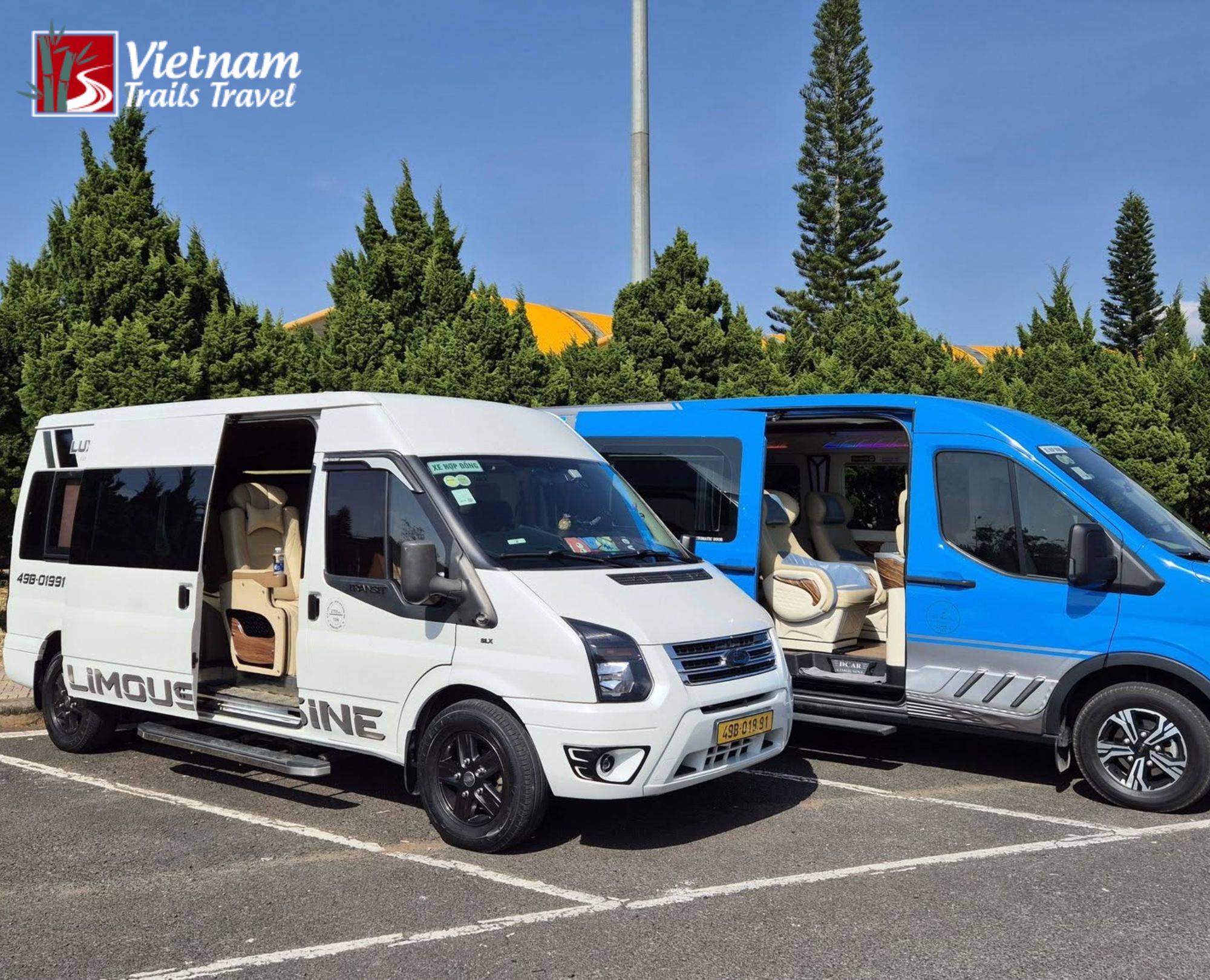
A word on renting a motorbike: it’s tempting and it’s possible (rates are 100,000–180,000 VND per day, around $4–7 USD), but Dalat’s hills, fog and steep mountain passes are not beginner terrain.
Police checkpoints have stepped up enforcement and legally you need either a Vietnamese license or a valid International Driving Permit (IDP) with a motorcycle category endorsement.
4. Things to Do in Dalat 2026
Dalat is a place where you can fill three days easily, five days comfortably and never run out of things if you stretch it to a week. Here’s how I’d break down the main categories.
4.1. Historical & Cultural Landmarks
Crazy House (Hang Nga Villa): designed by architect Dang Viet Nga, the daughter of a former Vietnamese state leader, who studied architecture in Moscow. The structure is a Gaudí-meets-fairy-tale concrete labyrinth with twisting staircases, themed rooms shaped like animals and tunnels that emerge somewhere unexpected.
Dalat Railway Station: the building itself is the main event. Built in 1932, it’s listed as a national historic monument and is widely considered one of the most beautiful train stations in Indochina. The mustard-yellow façade with three arched windows is modeled after the Trouville-Deauville station in Normandy, France.
Bao Dai’s Summer Palace (Dinh 3): the last emperor of Vietnam used this Art Deco villa as his hot-weather retreat from 1933 onwards. The interior is preserved with original furniture, family photos and Bao Dai’s hunting trophies (he was an avid hunter — multiple tiger skins and a stuffed elephant foot remain).
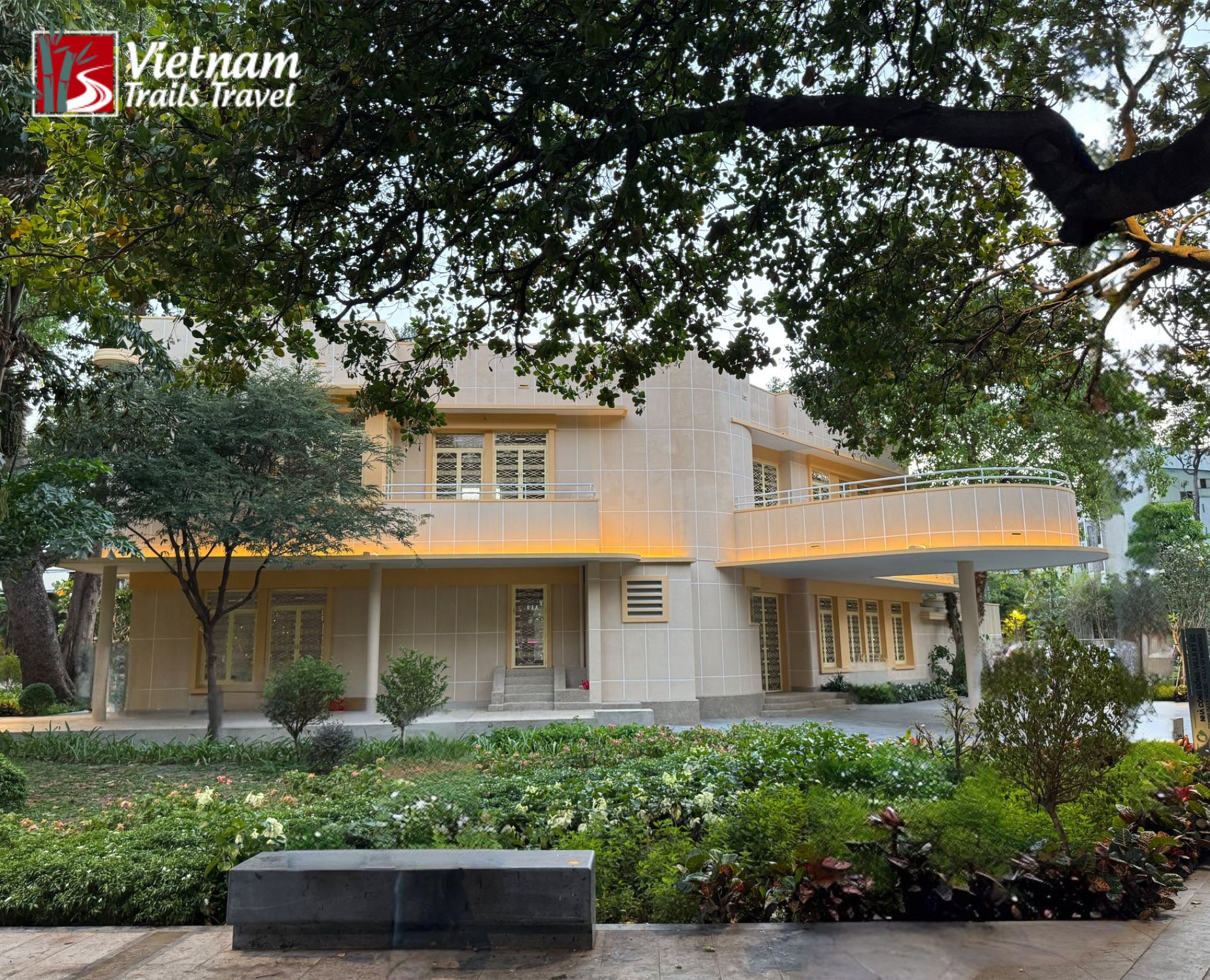
Domaine de Marie Church is locally called Mai Anh Church or “Cherry Church” because of its soft pink limestone façade. It’s a working Catholic convent run by the Mission of Charity sisters, so dress modestly if you want to enter the church proper.
Dalat Cathedral (Nha Tho Con Ga)—known as “Chicken Church” because of the rooster weather vane on the spire, a traditional symbol of St. Peter. Built between 1931 and 1942, it’s the largest church in Dalat and one of the most striking French colonial buildings still in use.
4.2. Temples & Pagodas
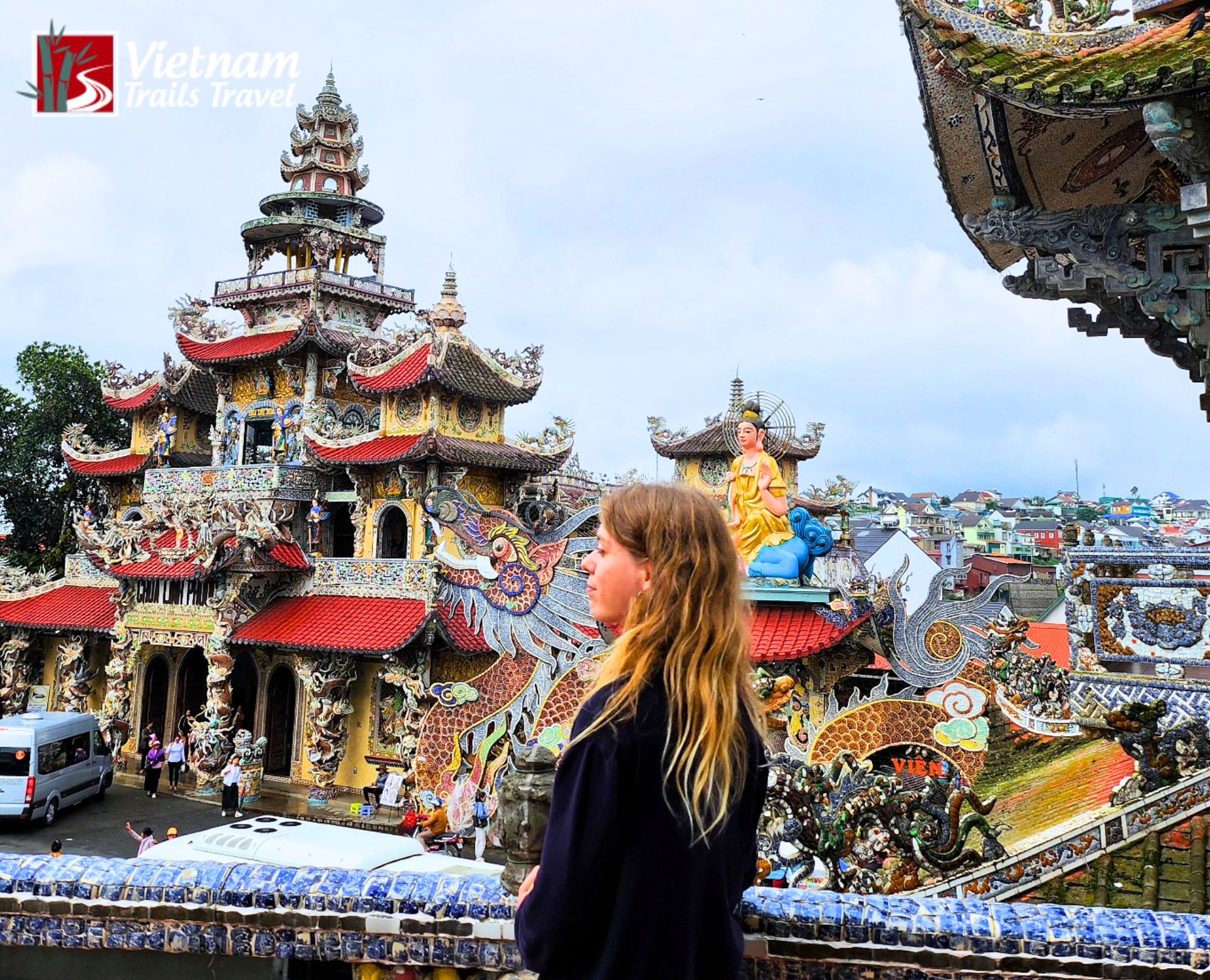
Linh Phuoc Pagoda is the showstopper. Located in Trai Mat village, about 9 km east of the city center, the entire complex is encrusted in mosaic—millions of pieces of broken porcelain, glass and ceramic; depicting dragons, phoenixes and Buddhist iconography.
The 49-meter dragon in the front courtyard is built from 12,000 beer bottles. Climb the seven-story bell tower to ring the giant bell on the second floor (it’s tradition to write your wish on a piece of paper and stick it to the bell before striking it).
Don’t skip the 18 Levels of Hell installation in the basement—it’s a wild, slightly horrifying tour through Buddhist eschatology with animatronic figures.
Truc Lam Zen Monastery sits on Phoenix Mountain near Tuyen Lam Lake, about 5 km south of the city. The complex covers nearly 25 hectares of forested grounds. The most fun way to get here is the Robin Hill Cable Car, which spans 2.3 km over pine forest at a height that gives you a serious view of the Langbiang Range.
A round-trip cable car ticket is around 100,000 VND ($4 USD). The monastery itself is free and monks live and meditate on-site. Keep voices low and dress modestly (knees and shoulders covered) and if you’re there in the morning, you might catch chanting.
Linh Son Pagoda: older, simpler, less touristic. Sits centrally on Nguyen Van Troi Street. Worth a 30-minute stop if you’re already in town.
Lam Ty Ni Pagoda (Mad Monk Temple): known for its eccentric resident monk Vien Thuc, who became famous for his unorthodox Buddhist art. Free, central, quirky.
4.3. Nightlife & Entertainment
Dalat is not a party town in the Bangkok sense. Honestly, that is part of its charm. Nightlife here focuses on cozy bars, live acoustic sets, and walking around with a hot drink. Most things wind down by midnight.
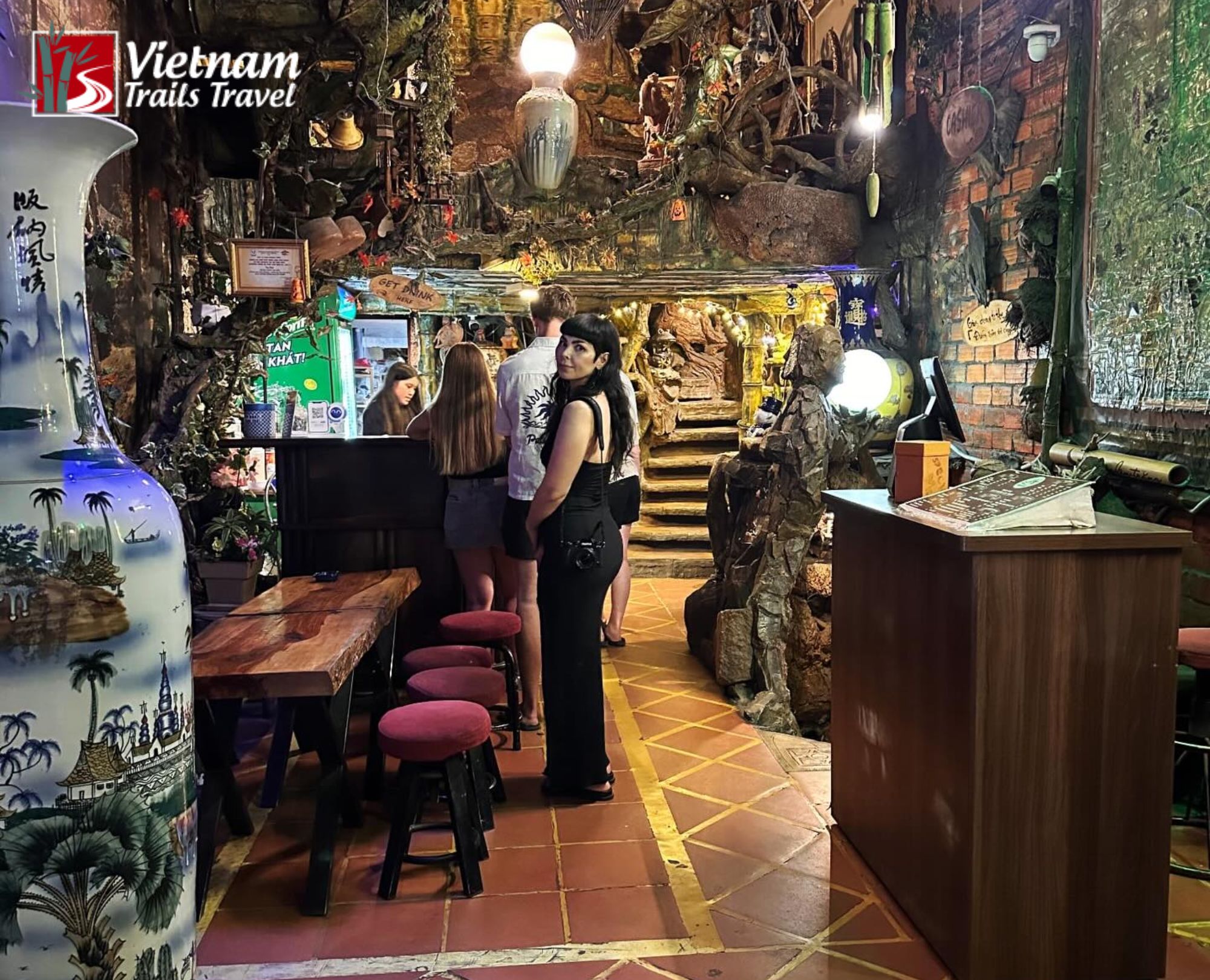
Maze Bar (100 Roofs Cafe) is the iconic spot. It’s a multi-level labyrinth of small rooms, narrow staircases and rooftop terraces, themed around forests, caves and dreams.
Drinks are reasonably priced—a cocktail runs 80,000–150,000 VND ($3–6 USD). The trick is finding your way to the rooftop, which has one of the best views of the city.
Insider tip: go on a weeknight. Weekends get packed and the staff stops letting people up the higher floors when occupancy spikes.
Escape Bar at the Muong Thanh Hotel features live blues and rock most nights—older Vietnamese bands who’ve been playing covers since the 1990s. Genuine atmosphere, slightly older crowd.
Hangout Cafe & Bar and Mr. Linh’s on Truong Cong Dinh Street are backpacker favorites. Reasonable beers, easy English and decent for meeting other travelers.
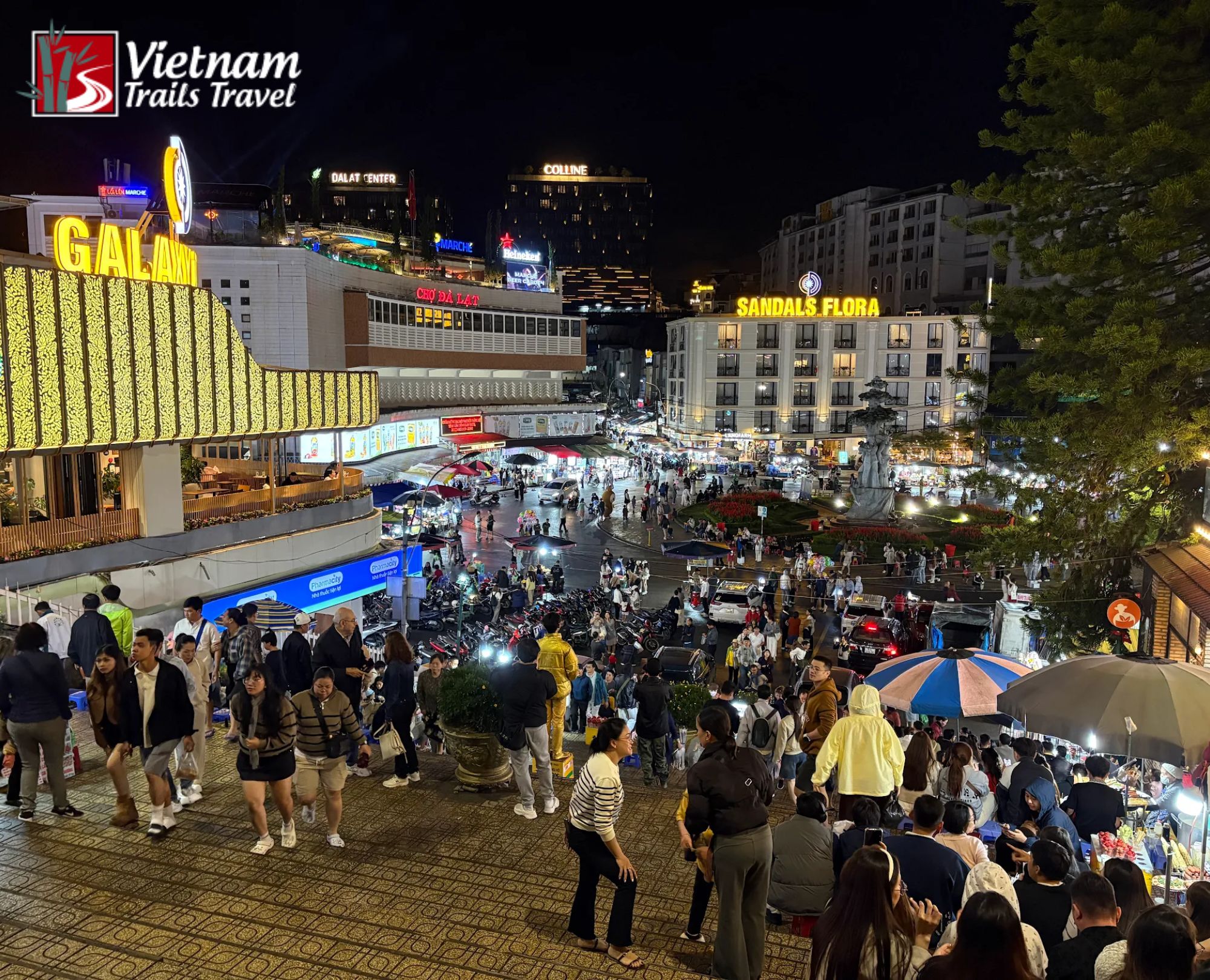
Lam Vien Square at night turns into an outdoor social space. Locals gather, kids ride electric toy cars and vendors sell hot drinks. The artichoke-shaped buildings are lit up. It’s not nightlife in a Western sense, but it’s where Dalat’s evening energy actually lives.
For something different, the Dalat Opera Tour at the Lang Biang Restaurant hosts traditional Tay Nguyen gong music performances most nights from the K’ho ethnic community. Not authentic in the village sense, but a polished introduction to highland culture and the artists are real.
4.4. Kid Zones in Dalat City
Traveling with kids changes the equation. Any honest Dalat travel guide has to address this separately, because the city works differently when there are small humans in tow — naps, snack runs, meltdowns at 3 PM.
The good news: Dalat handles families better than most Vietnamese destinations. Cool weather means no heat exhaustion. Short distances between attractions mean less car time.
And the local culture is openly affectionate toward children — expect strangers to smile at your toddler, sometimes pinch a cheek, occasionally hand over a piece of candy without asking.
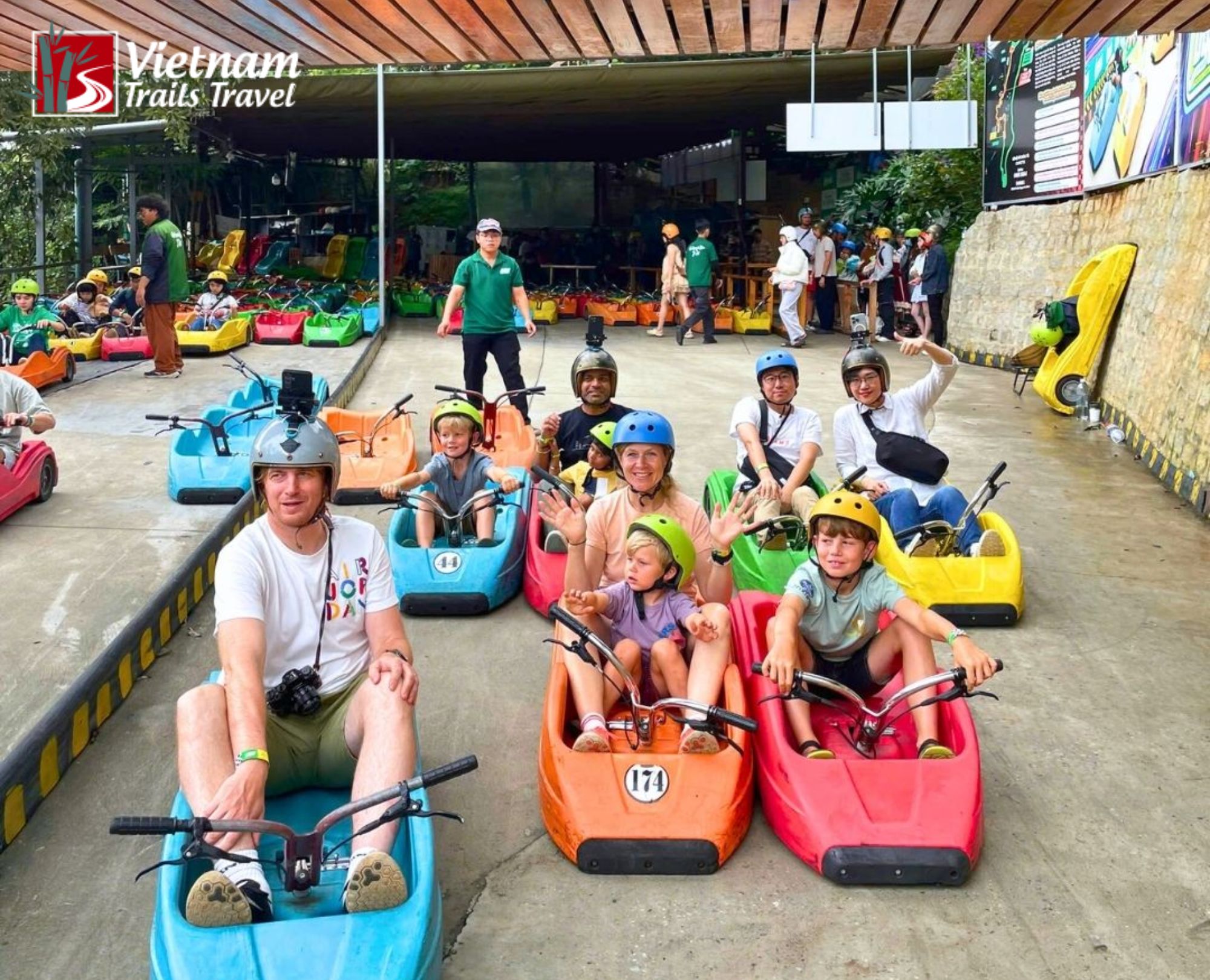
A few places worth building the day around:
Datanla Waterfall and the Alpine Coaster — sits about 7 km south of the city center off Highway 20. The self-controlled toboggan ride through pine forest costs around 250,000 VND ($10 USD) per person.
Dalat Flower Park (Vuon Hoa Thanh Pho) — central, walkable, full of color year-round. Entry is around 100,000 VND for adults, 50,000 VND for children.
Zoodoo Dalat — 30 minutes from the city by car (around 250,000 VND each way by Bolt). An interactive zoo where families can feed kangaroos, alpacas, and emus from open paddocks. Slightly kitschy in its photo zones, but children genuinely engage with the animal feeding. Allow a half day.
Valley of Love (Thung Lung Tinh Yeu) — themed and corny for adult tastes, but paddleboats, horse rides, and oversized flower installations land well with kids under 10. Worth two hours, not a full day.
Puppy Farm and Pony Farm near Tuyen Lam Lake offer hands-on animal interactions for younger children. Older teens tend to lose interest quickly — plan accordingly.
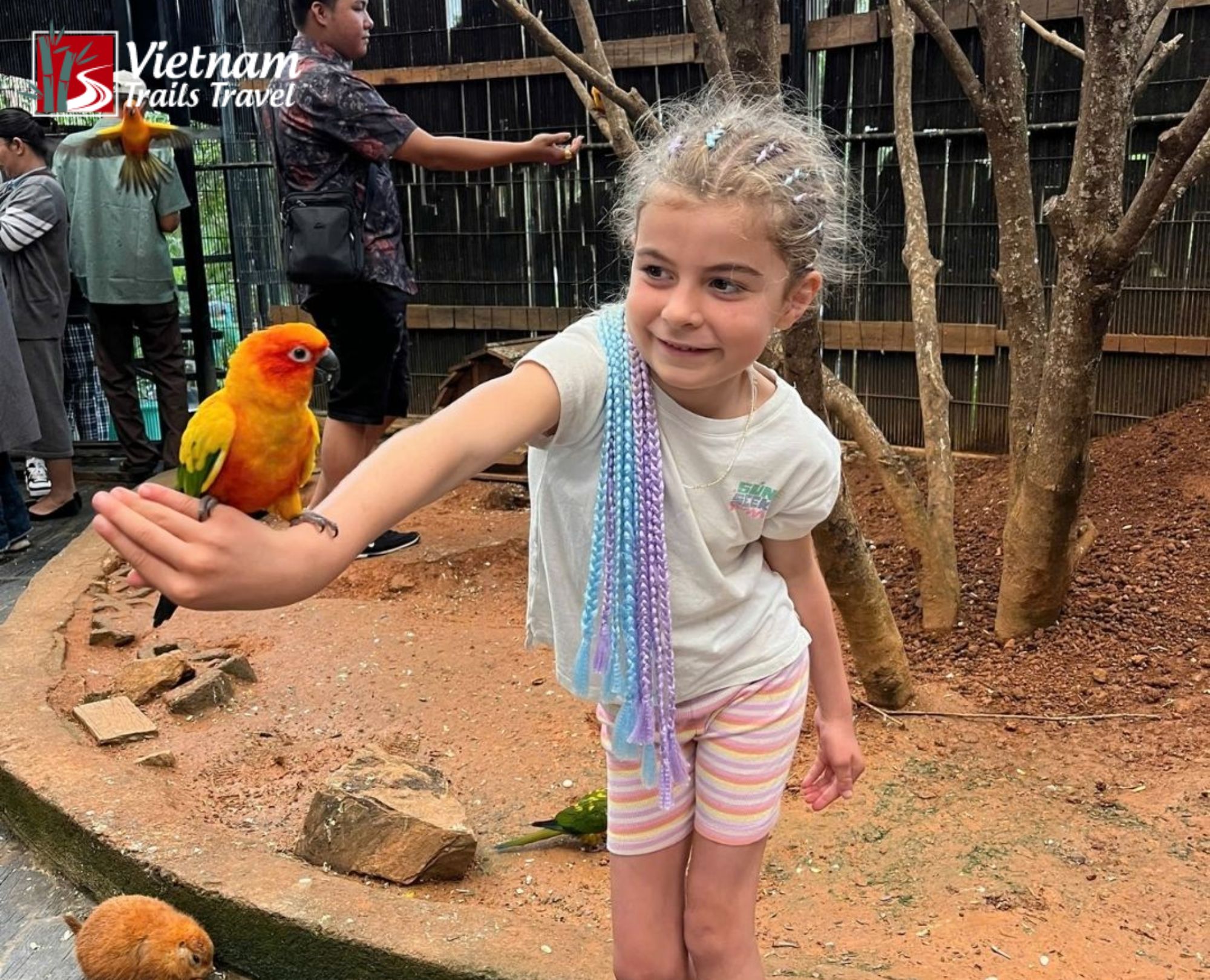
For rainy afternoons (more frequent from May through October), Dalat Milk Farm, the Train Cafe on Quang Trung Street, and the small Pinocchio-themed bookshops along Phan Boi Chau give families an indoor pause without the screen-time guilt.
One small detail many guides skip: most family attractions in Dalat close by 5:30 PM, even in high season. Plan accordingly, or you’ll find yourself standing outside a locked gate at sunset with three tired children.
5. Currency Exchange Places in Dalat
Cash matters more in Dalat than in Saigon or Hanoi, but less than it did five years ago. Any Dalat travel guide worth reading has to be honest about this: payment habits here are still mid-transition.
As of 2026, most cafes, hotels, restaurants, and even some street vendors accept QR-code payments via Vietnamese banking apps (VietQR), and many take Visa/Mastercard. Still, cash matters for night-market food, motorbike taxis, small temples, and rural waterfall entry fees.
Where to exchange:
Banks (best rates, official receipts): Vietcombank, BIDV, ACB, and Sacombank all have branches around Hoa Binh Square and along Tran Phu Street. Open Mon–Fri, roughly 8 AM – 4:30 PM, with a lunch closure from 11:30 AM to 1:30 PM.
Gold shops (tiệm vàng): Vietnam’s open secret. Gold shops on Phan Dinh Phung and around the central market exchange foreign currency at rates often slightly better than banks, with no paperwork. Tiem Vang Kim Thanh and Hung Phat are reputable.
ATMs: Vietcombank, BIDV, and Techcombank ATMs work with international cards. Withdrawal limits are typically 3,000,000–5,000,000 VND ($120–200 USD) per transaction, and fees range 50,000–80,000 VND.
Hotels: Rates are mediocre. Use only as a last resort.
Avoid: unofficial booths around the night market and “money changers” who approach foreigners on the street. Both the rates and the legality are questionable. Reports submitted to the Lam Dong tourism hotline in 2025 flagged several short-changing incidents along Nguyen Thi Minh Khai Street.
A practical note for anyone using a Dalat travel guide 2026 to budget: bring USD or EUR in clean, post-2013 bills. Older notes, pen marks, or any tear will be rejected. Vietnamese banks treat damaged foreign currency strictly — a small ink mark in the corner can mean a 5–10% rate cut or outright refusal.
The unspoken rule most articles skip: gold shops will sometimes accept slightly worn bills that banks won’t, but at a discounted rate. If your $100 bill has a tiny tear, the bank says no, and the gold shop says yes at 24,800 VND/USD instead of 25,400 — that’s about a $2.40 loss, often worth it to avoid a wasted trip.
6. Dalat Food
This is the part where I get carried away, so I’ll try to stay disciplined. Dalat’s cuisine is shaped by altitude—cool weather lets the city grow vegetables and fruits that are impossible elsewhere in tropical Vietnam.
Strawberries, artichokes, avocados thicker than guacamole and arabica coffee that’s actually drinkable black. Add French colonial influence (the locals make a credible pâté and crusty baguette) and the K’ho indigenous cooking tradition of the surrounding hills and you get a food scene that doesn’t taste like anywhere else in Vietnam.
6.1. Street Food
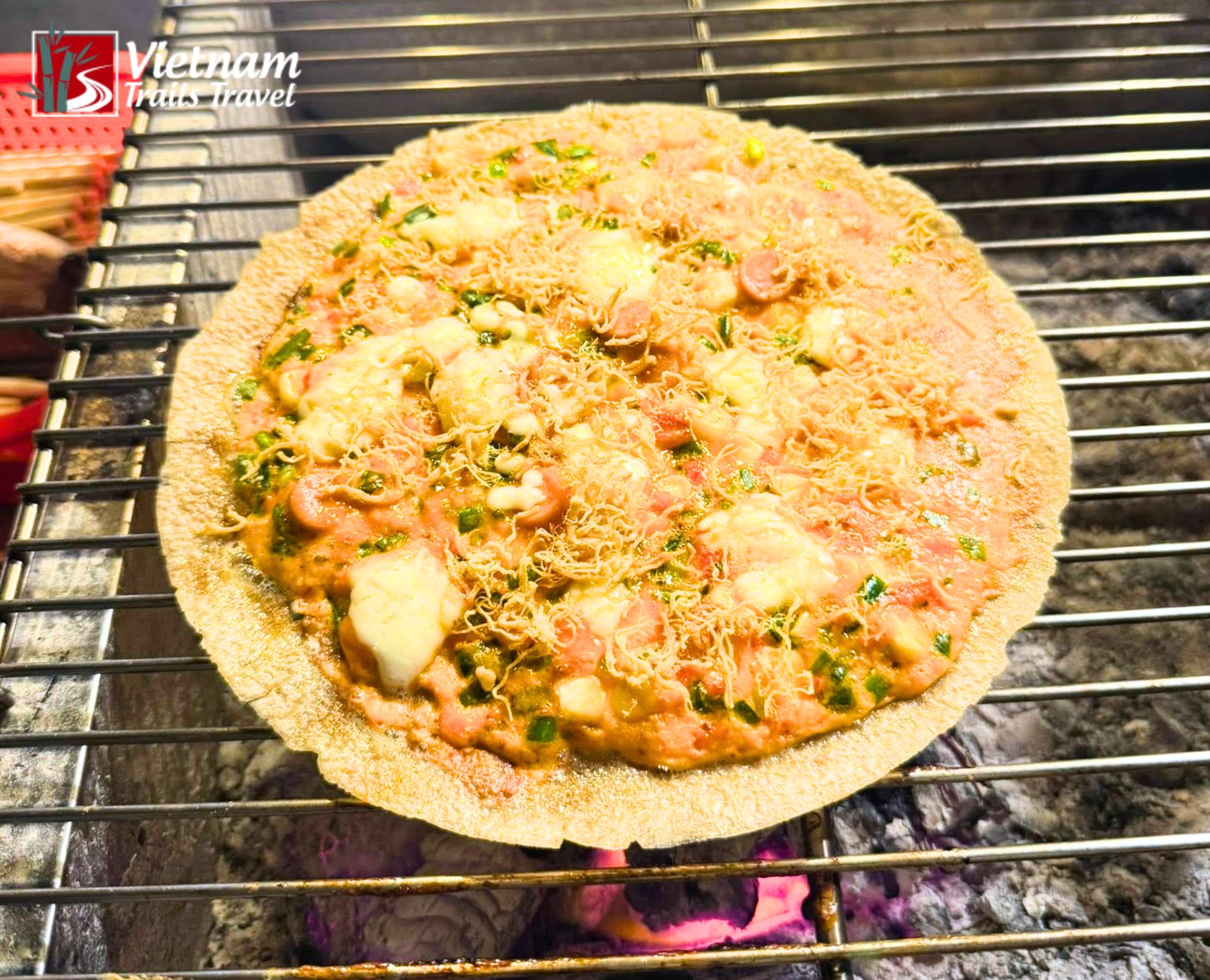
Bánh tráng nướng (Vietnamese Pizza) is the dish you cannot leave Dalat without trying. It’s grilled rice paper, often called “Vietnamese pizza” by tourists—though anyone who’s actually had it knows it’s its own thing.
A vendor brushes thin rice paper over a charcoal grill, cracks a quail egg on top, scatters minced pork or dried beef, scallions, dried shrimp, mayo and chili sauce and then folds it like a crispy taco. The smell of charcoal and beaten egg in the cool night air is the smell of Dalat to me.
Best stalls: along the stairs at the night market on Nguyen Thi Minh Khai and a famous lady on Nguyen Van Troi who’s been doing it for over 20 years. Price: 15,000–35,000 VND (less than $1.50). Pro tip: order yours “đầy đủ” (the works)—it adds maybe 10,000 VND for everything on it.
Bánh căn (Can Cake) is the Dalat take on mini coconut-rice pancakes from Central Vietnam. Cooked in cast-iron molds over coals, served with quail eggs, scallions and a sweet-savory dipping sauce with shredded green papaya.
The version locals eat at breakfast comes with a side of pickled vegetables and a small bowl of fish sauce broth (you dip the pancakes in it before eating — the contrast of crispy bottom and warm broth is the whole point).
Best in the morning at small stalls around Phan Dinh Phung or in the early evening near the night market. Price: 30,000–60,000 VND for a portion that’ll fill you up. Bánh Căn Lệ on Tang Bat Ho is the long-running favorite among locals.
Sữa đậu nành nóng (hot soy milk) at the night market stairs is non-negotiable on a cold evening. A glass for 10,000–15,000 VND comes with a steamed bun (bánh bao) or a small custard cake.
The lady at the corner of Tang Bat Ho and Nguyen Thi Minh Khai has been doing this for decades—locals call her stall “sữa đậu nành ba mươi năm” (thirty-year soy milk). She also sells warm green-bean drink and ginger tea, both worth trying.
Nem nướng Dalat: grilled pork sausage rolls. You roll your own at the table, wrapping the warm grilled meat in lettuce, herbs, cucumber, green banana and rice paper, then dipping in a sweet-savory peanut sauce.
Nem Nuong Ba Hung on Phan Dinh Phung is the long-standing favorite; Nem Nướng Bà Tám near the night market is its main rival and locals will argue with you about which is better. Price: 80,000–120,000 VND per portion, generally enough for one hungry person.
Kem bơ (avocado ice cream) is the dessert. Dalat avocados are creamier than anywhere else in Vietnam—locals blend them with condensed milk and top with coconut ice cream and crushed peanuts.
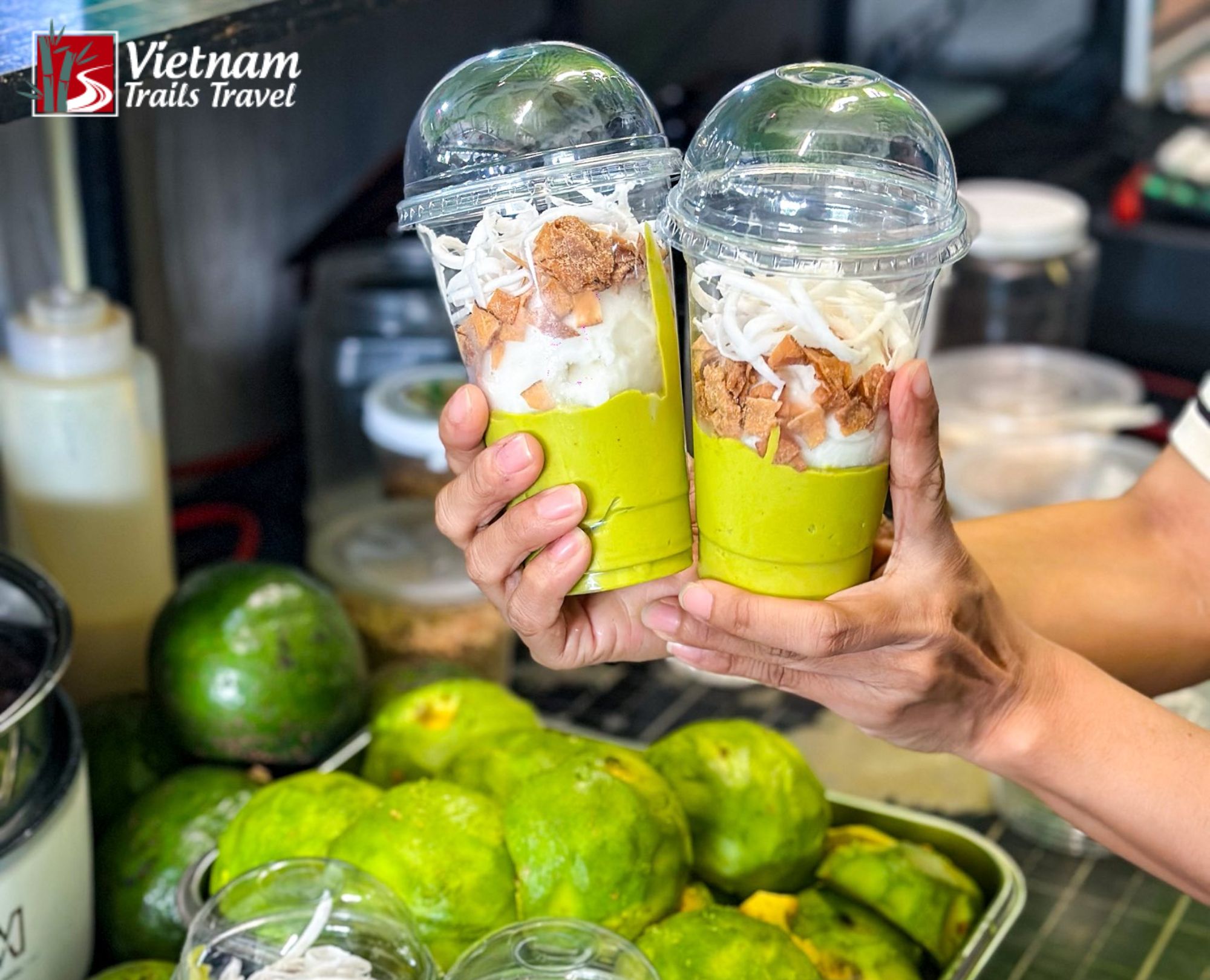
Kem Bơ Thanh Thảo on Nguyen Van Troi is the textbook spot and there’s almost always a line; the crowd moves fast. Price: 30,000–45,000 VND. Eat it standing up if the indoor seats are full—it’s that kind of place.
Bánh ướt lòng gà is a less-touristed local specialty: steamed rice sheets topped with poached chicken, organ meats and a herb-rich broth. Bánh Ướt Lòng Gà Long on Tang Bat Ho is the definitive spot. About 50,000 VND for breakfast hours.
Other things to chase: bánh mì xíu mại (a Dalat-specific breakfast—meatballs in tomato broth, dipped with crusty baguette), dâu tây chấm muối ớt (strawberries with chili salt—sounds wrong, tastes addictive), artichoke tea (trà atisô) to take home, dried persimmons (hồng treo gió) in winter and mứt (candied fruit jams from the Central Market—try the strawberry, the kumquat and the gừng/ginger).
6.2. Hotpot Restaurant
Dalat’s cool weather makes grilled meat hit differently. There’s nothing better than sitting outside, a charcoal brazier between you and your friends, the smell of marinated pork hitting hot iron and a cold local beer in hand.
Lẩu gà lá é (chicken hotpot with wild basil) is the regional signature dish. Free-range chicken, simmered with lá é—a wild leaf that grows only in the Central Highlands and tastes faintly of mint and citrus. The broth is rich, slightly bitter and deeply restorative.
Best places: Lẩu Gà Lá É Tao Ngộ (multiple locations; Ward 10 is the original) and Lẩu Gà Lá É 668.
Expect to pay 300,000–500,000 VND ($12–20) for a hotpot serving 3–4 people.
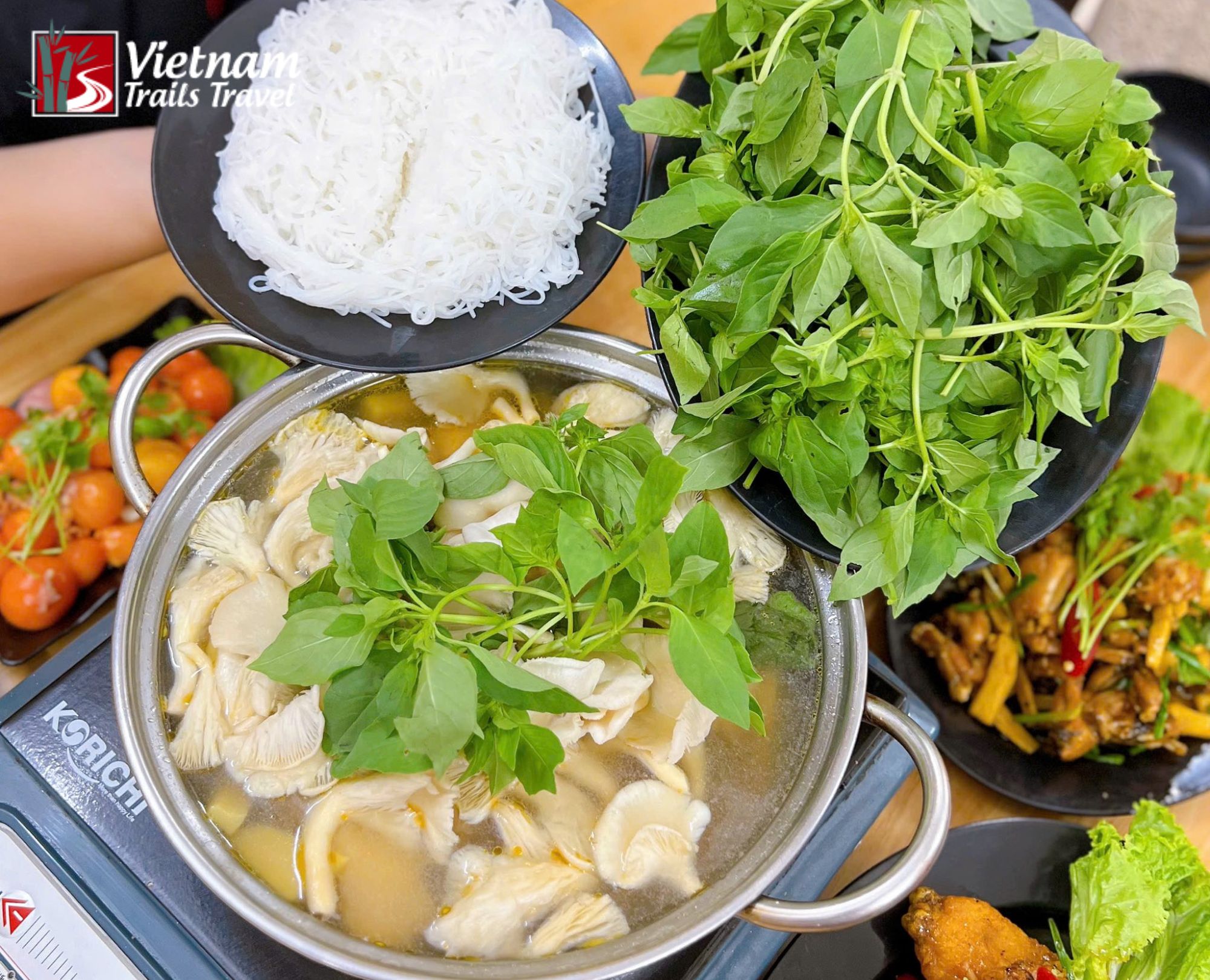
Beef hotpot (lẩu bò) and mushroom hotpot (lẩu nấm) are also Dalat specialties. The Central Highlands grows over 40 varieties of edible mushrooms—try Nấm Hương Đà Lạt restaurant or Lẩu Nấm Gia Khánh.
For BBQ specifically, Quán Bê Quay Ngon does roast veal and Bò Né 58 is a casual, cheap, all-day BBQ-and-rice spot popular with both locals and tourists.
A few practical tips for restaurants:
- Lunch service typically runs 11 AM – 2 PM and dinner from 5 PM – 9:30 PM. Many places close between services. Don’t show up at 3 PM expecting a sit-down meal.
- Most local restaurants accept QR payment now. Cash is still appreciated at smaller places.
- Tipping is not expected, but rounding up or leaving 10,000–20,000 VND for good service is welcomed.
- If a menu has no prices, always ask before ordering. This is the single biggest cause of tourist scam complaints.
7. Where to Stay in Dalat City?
Dalat has everything from $8 hostels to $400-a-night lakeside resorts. The neighborhoods matter more than the star rating, so let me break it down by area.
Ward 1 / Hoa Binh Square area: the dead center of the city. Walking distance to the night market, central market, lake and most restaurants. Good for first-timers, anyone without a vehicle and travelers who want to dip in and out of activities easily.
Mid-range options: TTC Hotel Premium Ngoc Lan (around $60–90) and Du Parc Hotel Dalat (a restored colonial building, around $80–120). Budget: Tigon Hotel and a constellation of family-run hotels along Nguyen Chi Thanh.
Around Xuan Huong Lake: slightly quieter, lakefront views, still walkable to everything. Ana Mandara Villas Dalat is the high-end choice if you want the colonial-villa experience (around $180–280 per night). The rooms are restored 1920s villas with fireplaces—genuinely beautiful in winter.
Tuyen Lam Lake area (south of the city): pine forests, a golf course and a quiet. You’ll need transport for everything. Swiss-Belresort Tuyen Lam and Dalat Edensee Lake Resort & Spa are the major resort options. Great for honeymooners and anyone who wants to disconnect. Expect $120–250 per night.
Ward 2 / Truong Cong Dinh area: backpacker territory. Walking distance to the city center but cheaper. Lots of homestays, hostels and cafes that double as workspaces. Mr. Peace Backpackers House is a long-running favorite. Mocking Bird Homestay has good vibes. Hostels run $8–15 per night.
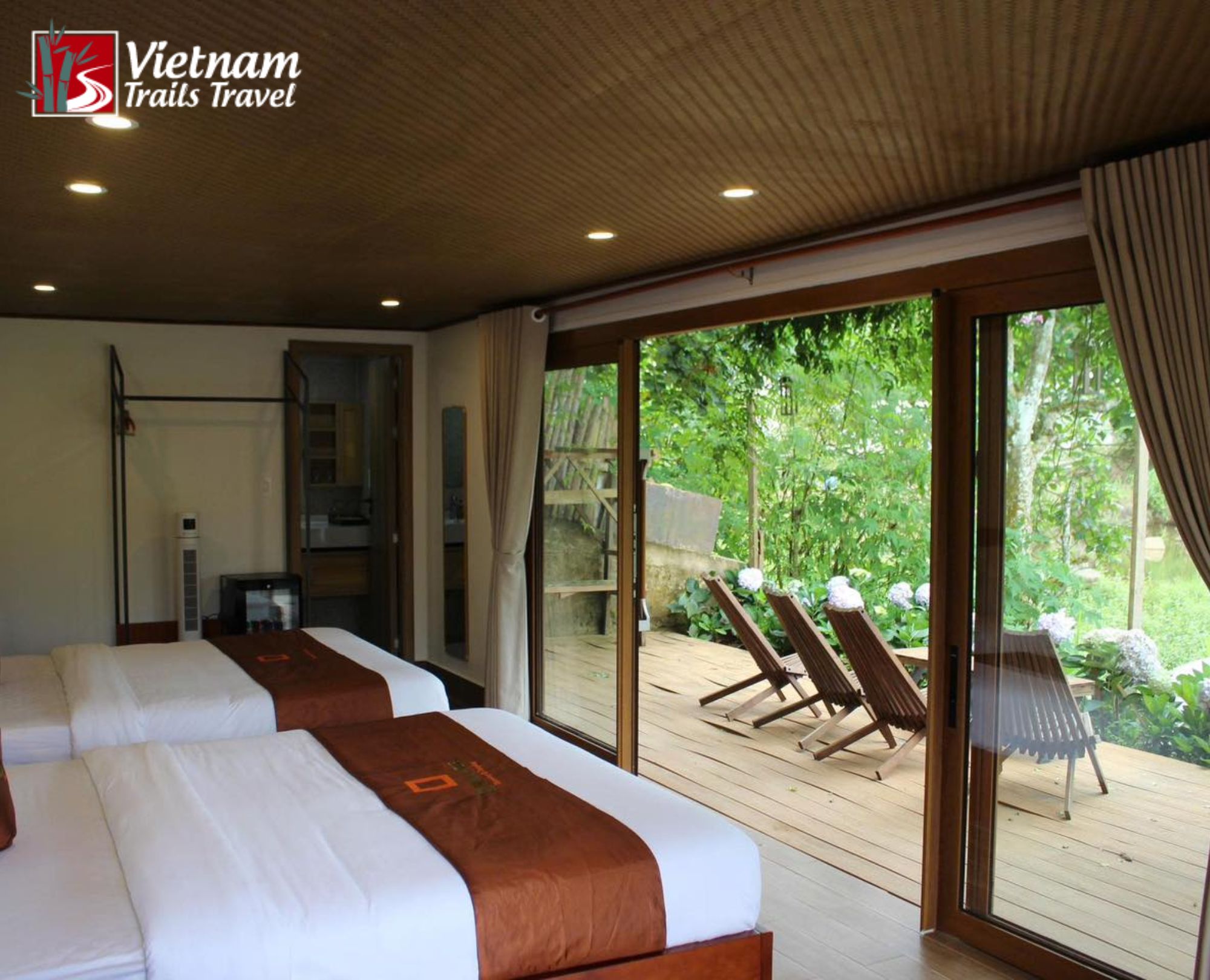
Hidden / homestay options: Dalat has exploded as a homestay destination, with hundreds of pine-cabin and Scandi-style cottages out near Tu Phuoc, Lam Dong tea hills and Cau Dat.
Some are spectacular wood stoves, valley views, private gardens and many cost under $50 per night. Search Booking.com or Agoda for “homestay Dalat” and read recent reviews. Q Village Garden, Merry Yard Homestay, Mộc Lan Villa and Kombi Land are all well-reviewed for 2026.
8. Markets & Shopping Malls in Dalat
Dalat’s shopping culture splits cleanly between traditional markets: chaotic, cheap, photogenic and a small but growing mall scene. Any Dalat travel guide has to cover both, because they serve different needs and different moments of a trip. Mornings belong to the markets. Rainy afternoons belong to the malls.
8.1. Traditional Markets
Dalat Central Market (Chợ Đà Lạt) is the city’s heart. In this market, it sells everything: fresh produce (the strawberries are a different species — small, intensely sweet), dried fruits, jams, tea, coffee beans, knitwear and the kind of cheap clothing that makes up half of every Vietnamese wardrobe.
The market is open from around 6 AM to 7 PM. The fresh-flower section in the morning is one of the most photogenic spots in town.
Dalat Night Market takes over the same area along Nguyen Thi Minh Khai Street from around 5 PM to midnight (some food stalls go until 4 AM). It’s a different beast: the flower vendors clear out, the food stalls roll in, the stairs fill with people sitting on plastic stools eating bánh tráng nướng.
Practical tips:
- Bring small VND notes. Many vendors won’t break 500,000 VND.
- Always ask the price first. Bargain politely on clothing and souvenirs (start at about 60% of the asking price).
- Watch your bag in crowded sections. Pickpocketing is rare but not unheard of.
- Avoid stalls that don’t display prices — they tend to inflate for foreigners.
Da Lat Agricultural Market
- Address: 8 Tu Phuoc Street, Ward 11, Da Lat City, Lam Dong Province
- Opening hours: from 5:00 to 18:00
Da Lat Agricultural Market is an ideal destination for vegetable lovers who are passionate about fresh, clean and delicious fruits and vegetables—Da Lat’s specialties. Located near the famous Than Tho Lake, you can visit this tourist attraction while shopping or after exploring Da Lat’s dreamy beauty.
The market is only about 7 km from the city center, so you don’t need to worry about transportation!
Da Lat’s agricultural market offers a wide variety of fruits and vegetables produced in this dreamy city. The selection is incredibly diverse, ranging from year-round produce like tomatoes, carrots, cauliflower, cabbage and bell peppers to seasonal produce such as fruits, strawberries, artichokes and Da Lat avocados.
8.2. Shopping Malls
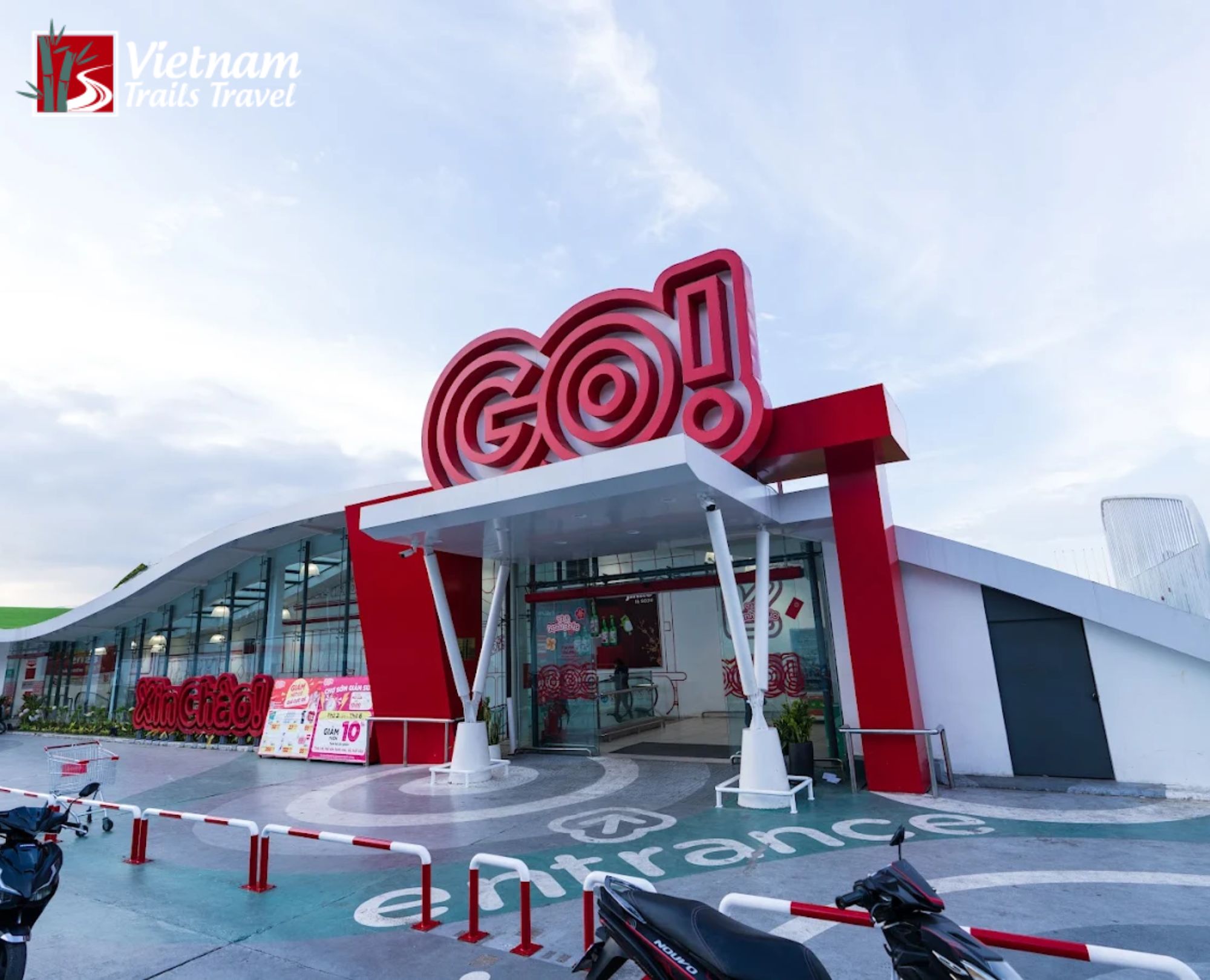
Dalat does not have many shopping malls, and that lack of corporate sprawl is part of its specific appeal. However, two locations are worth noting for practical needs. This Dalat Vietnam travel guide highlights GO! Dalat (formerly Big C) and Vincom Plaza as the primary hubs for modern retail.
GO! Dalat: Located on 3/4 Highway, roughly 4km from the city center. It features a large supermarket and a food court. It is the most reliable place to find Western-style essentials or sunscreen. A taxi ride here from the lake costs about 60,000 VND.
Vincom Plaza Dalat: Situated on Tran Phu Street, this mall is within easy walking distance of the lake. It houses three floors of mid-range fashion and a WinMart. The CGV cinema inside is a reliable spot for English-language films, which usually cost around 110,000 VND per ticket.
One honest observation: the “fashion” stores in these malls often stock leftover winter styles from years ago that feel quite dated. Do not expect high-end luxury shopping here.
According to the Lam Dong Trade Promotion Center, local specialty shops are better for high-quality goods. For souvenirs that avoid being tacky, this Dalat travel guide 2026 recommends exploring Hoa Binh Square.
There, shops sell authentic arabica from Cau Dat and artichoke tea. You can also find mulberry wine and K’ho woven scarves. These items offer a more genuine connection to the highland culture than anything found in a mall.
Using a Dalat travel guide to locate these smaller vendors supports the local economy directly. These markets stay open late, allowing for a quiet stroll after the afternoon rains.
9. Vietnam eSIMs
Connectivity in Dalat remains exceptionally reliable in 2026. The city is fully covered by 4G LTE, and Vinaphone was recently recognized at the 2026 Mobile World Congress for having the best 5G network in the region.
9.1. Vietnam eSIM Comparison
Most central cafes and hotels now offer speeds that easily support video calls or remote work. For a traveler, staying connected is no longer a luxury but a functional requirement for navigating the hills.
In January 2026, a colleague at the station tested a new 5G rollout near the Dalat Night Market and recorded download speeds exceeding 600 Mbps. However, just 5km away at the Datanla Waterfalls, the signal often drops back to 4G due to the dense pine canopy.
An honest observation many guides skip: while city coverage is great, the mountainous terrain between Dalat and Nha Trang has significant dead zones. Never rely solely on a live stream if you are riding a motorbike through the passes.
This Dalat travel guide recommends an eSIM for instant connectivity. Buying a physical SIM at Lien Khuong Airport usually costs between 200,000 and 350,000 VND (~$8–$14 USD), but the queues during peak hours can take 30 minutes.
| Provider | Network(s) Used | Cheapest Starter Plan | Mid-Range Plan | Larger Plan | Unlimited Option |
| Airalo | Viettel, Mobifone | $4.50 / 1 GB / 7 days | $11.50 / 5 GB / 30 days | $26 / 20 GB / 30 days | Yes — 3 GB/day full speed, then throttled to 1 Mbps |
| Saily (by Nord Security) | Viettel, Mobifone | $3.99 / 1 GB / 7 days | $19.99 / 10 GB / 30 days | $28.99 / 7-day unlimited | Yes — 5 GB/day full speed, then 1 Mbps |
| Holafly | Viettel, Mobifone, Vinaphone | $6.90 / 1 day unlimited | $27.30 / 7 days unlimited | $74.90 / 30 days unlimited | Yes — unlimited-only provider |
| Nomad | Mobifone | $5 / 1 GB / 7 days | $10 / 5 GB / 30 days | ~$22 / 20 GB / 30 days | Yes — 2 GB/day then 512 Kbps (very slow) |
| Ubigi | Vinaphone (VNPT) | ~$3.50 / 500 MB / 1 day | ~$13 / 10 GB / 30 days | Monthly subscription option | No |
| Trip.com | Viettel | From $0.12/day with daily reset | Varies | Varies | Limited |
| GigSky | Multiple Vietnamese carriers | ~$4 / 1 GB | ~$15 / 5 GB | Up to unlimited | Yes |
| Jetpac | Vietnamese partners | From ~$1 / very small data | Small to medium | Limited large options | No |
| aloSIM | Vietnamese partners | ~$4 / 1 GB | ~$13 / 5 GB | Up to 20 GB | No |
| Mobimatter | Multiple (resells Airalo & others) | From $0.10/GB on regional bundles | Various | Bulk 30 GB deals | Yes |
| Travelsim Asia | Vietnamobile + Vinaphone | $4.99 / 1 GB / 7 days | $9.50 / 5 GB / 30 days | $24.99 / 20 GB / 30 days | No (fixed plans only) |
My honest take: Airalo with the Viettel option is the safest bet for Vietnam if you’ll travel beyond the cities. Saily wins on pure value if you stay urban.
If you need a local number for Grab or banking apps, the Vinaphone-issued physical tourist SIM at the airport (around 150,000 VND for 30 days/3 GB per day, ~$6 USD) is still cheaper and includes a number but requires passport registration and a ~10-minute counter visit.
10. Laundry Services in Dalat
Laundry services in the highlands are cheap, fast, and ubiquitous. Most hotels offer this service, but usually at heavily marked-up prices. In November 2025, I made the mistake of paying a hotel 60,000 VND per kilo, only to see them walk my bag across the street to a local shop.
This Dalat travel guide advice is simple: walk one block in any direction from the center to find a small giặt ủi shop. The standard rate is 15,000–20,000 VND per kilo, roughly $0.80 USD. If you drop off your clothes before 10 AM, you can often get them back by evening for a small extra fee. A few trusted spots include:
Giặt Ủi An Khang on Phan Dinh Phung street. It is about 1.5km from the lake and very reliable.
Tiệm Giặt Ủi 24h on Truong Cong Dinh. This spot is popular with long-term travelers and digital nomads.
Wash & Wash for those who prefer self-service machines.
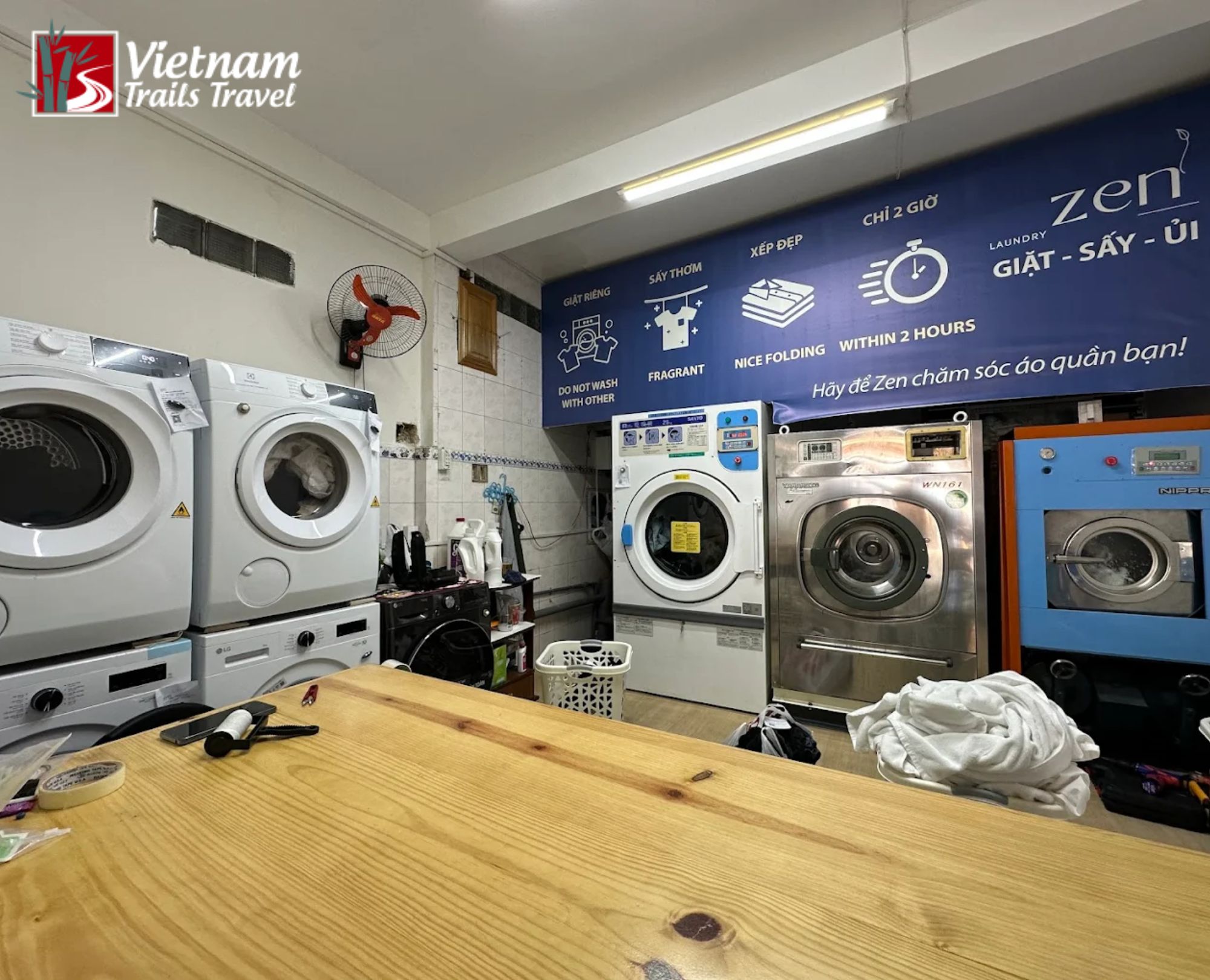
One honest observation a marketing site would not say: your clothes will likely smell like strong, cheap floral detergent for days. If you have sensitive skin or expensive silk, do not risk it at these local shops. The Dalat city travel guide recommends hand-washing delicates in your sink instead.
- Pickup is usually next-day. Same-day service typically costs 30% more.
- Some shops weigh the laundry inclusive of your heavy plastic bags. Remove them before weighing to save a few coins.
- According to the Lam Dong Small Business Association, these family-run shops are the backbone of the local service economy.
This Dalat travel guide tip ensures you stay fresh without overspending. Just remember to check your pockets for loose change or receipts before handing over the bag. Those small local shops do not always check before the water starts running.
11. Sample 1-Day Dalat Itinerary
If you’re a planner — and most travelers benefit from one whether they admit it or not — here’s how I’d actually structure three days, balancing energy levels, weather patterns and the natural rhythm of the city. Adjust based on your interests; this isn’t gospel.
11.1. City Walking & Colonial Dalat
Morning (7:30 AM) — Start with breakfast at a local bánh căn or pho stall around Phan Dinh Phung. The mountain air is crisp before 9 AM and the light is gorgeous. Walk down to Dalat Cathedral, then over to Domaine de Marie Church (about 10 minutes apart by Bolt or a 25-minute walk if you’re up for the hill).
Late morning (10:00 AM) — Visit Crazy House before tour buses arrive. Allow 60–90 minutes. From there, walk or bolt to Bao Dai’s Palace (Dinh 3), about 5 minutes away.
Lunch (12:30 PM) — Try lẩu gà lá é at one of the Tao Ngộ branches, or grab a casual bánh mì xíu mại at Hoàng Diệu, a long-running breakfast-and-lunch spot.
Afternoon (2:30 PM) — Stroll around Xuan Huong Lake (the loop is about 5 km on a flat path; you can also rent a swan-shaped paddleboat for 100,000 VND). Pop into the Dalat Flower Park if it’s a clear day.
Sunset (5:30 PM)—Coffee at a hillside café. Lá Coffee, Mê Linh Coffee Garden and Núi Tâm Coffee all have valley views. Order a phin filter coffee black and watch the sky go pink.
Evening (7:00 PM) — Dalat Night Market for dinner. Bánh tráng nướng, hot soy milk, grilled skewers. Wander and eat slowly. Walk up to Maze Bar for a drink afterward if you have energy left.
11.2. Pagodas, Waterfalls and Cable Cars
Morning (8:00 AM) — Head out to Linh Phuoc Pagoda in Trai Mat. Either drive (15 minutes by Bolt, about 100,000 VND) or take the tourist train from Dalat Railway Station (more atmospheric, takes 30 minutes one way). Spend 90 minutes at the pagoda, the bell tower and the 18 Levels of Hell installation.
Late morning (11:00 AM) — Return to the city, then continue south to Datanla Waterfall. Ride the Alpine Coaster down to the falls (about 250,000 VND), explore, then ride back up via cable car or coaster.
Lunch (1:30 PM) — Eat near the Datanla entrance or back in the city. Bún Bò, 19A Hai Bà Trưng, is a local-loved spot for spicy beef noodle soup.
Afternoon (3:00 PM) — Take the Robin Hill Cable Car to Truc Lam Zen Monastery. The 2.3-km ride passes over a pine forest with views of Tuyen Lam Lake. Spend an hour at the monastery—it’s contemplative, quiet and surrounded by gardens.
Evening (6:30 PM) — Dinner at a hotpot restaurant. Lẩu Bò Quán Gốc does a good beef hotpot. Easy night, early sleep.
11.3. Day Trip to the Hills
Option A — Cau Dat & Tea Country. Head out by 8 AM (private car, around 1,200,000 VND for the day). Visit the Cau Dat tea plantation, a K’ho coffee farm and stop at Linh Quy Phap An Pagoda (Heaven’s Gate) if you’re up for the longer drive. Back in Dalat by sunset.
Option B — Lang Biang Adventure. Pre-dawn departure (4 AM) for the Lang Biang summit hike. Catch the sunrise from 2,167 m, then descend, eat breakfast and spend the rest of the day at a leisurely pace—maybe the flower farms in Xuan Tho or a coffee morning at a homestay.
Option C — Waterfall Hopping. Visit Pongour, Elephant and Prenn waterfalls in a single day with a private driver. Lunch at a roadside grilled-chicken place — you’ll smell the smoke a kilometer before you see it.
12. What to Pack for Dalat
This short, honest packing list comes from a decade of watching travelers either nail it or shiver through their first night. I remember a group in March 2024 who arrived in tank tops and flip-flops, only to spend their first hour in the city buying overpriced sweaters at the Dalat Night Market. The market is about 1km from the lake, but walking there in a cold drizzle without a jacket is miserable.
Clothing for your Dalat travel guide itinerary
- A light fleece or down jacket. Even in summer, mornings and evenings drop into the mid-teens.
- Long pants for temple visits and cool nights.
- A waterproof shell, especially from May to November.
- Walking shoes with grip. The wet stones near Datanla Waterfalls (5km from town; entry is 50,000 VND) are not flip-flop terrain.
- A scarf or light beanie if you visit December–February.
- One smart-casual outfit for dining at colonial-villa restaurants.
Practical items for your Dalat travel guide 2026 checklist
- Universal travel adapter (Type A, C, and F).
- Power bank for long days of navigation.
- Reusable water bottle with a filter.
- Small daypack and a basic medical kit with motion sickness tablets for the winding Prenn Pass.
- Cash USD (clean, post-2013 bills) for emergencies.
- Photocopy of your passport and e-visa.
Essential Apps
- Bolt and Grab for transport.
- Google Translate with the offline Vietnamese pack.
- Maps.me for the Lam Dong region.
- Your eSIM provider’s app like Airalo or Saily.
One honest observation: do not trust the “waterproof” claims of the cheap ponchos sold on the street for 10,000 VND. They tear in minutes and leave you soaked.
This Dalat travel guide suggests investing in a real rain shell before you land. Local transport data from the Lam Dong Department of Transport suggests using Grab for transparent pricing. Pack smart, or you will end up as another tourist shivering over a hot soy milk.
13. FAQ: Dalat Travel Guide 2026
13.1. Is Dalat safe for solo travelers in 2026?
Yes, comfortably so. Dalat is one of the safer destinations in Vietnam — the violent crime rate is very low, locals are used to tourists and the police presence around tourist areas is visible.
Solo female travelers report feeling at ease here and I’ve sent dozens of solo clients to Dalat without incident. The usual precautions apply: don’t flash large amounts of cash, watch your bag in crowded markets, be cautious around motorbikes (Dalat traffic is calmer than Saigon’s but still fast).
Walking around the city center after dark is generally fine—it’s not a city where streets empty after 9 PM. Bolt and Grab are reliable if you’d rather not walk.
13.2. How many days should I spend in Dalat?
For most travelers, 3 full days hits the sweet spot. Day 1: city exploration (Crazy House, Cathedral, Xuan Huong Lake and night market). Day 2: pagodas and waterfalls (Linh Phuoc, Datanla and maybe Truc Lam). Day 3: a day trip out of town (Cau Dat tea hills, Lang Biang, or a coffee farm).
If you’re pressed, 2 days can cover the highlights. If you love food, coffee, hiking, or photography, 5 days lets you go deeper without rushing. I’d avoid trying to do Dalat in a single day—the journey in and out alone eats up too much time.
13.3. Do I need to carry cash, or is cashless OK in 2026?
Both, but lean on cash for street-level spending. QR-code payments via VietQR work at most cafes, mid-range restaurants, hotels and many shops in 2026—but you generally need a Vietnamese bank account or app to use them, which isn’t realistic for short-term tourists.
International Visa/Mastercard is widely accepted at hotels, larger restaurants and malls. For night-market food, motorbike taxis, smaller stalls, temple donations and rural waterfall entry, carry 500,000–1,000,000 VND in cash daily.
ATMs are easy to find — use Vietcombank, BIDV, or Citibank for the lowest fees and best foreign-card compatibility.
13.4. Can I drink tap water in Dalat?
No. Don’t drink tap water anywhere in Vietnam, including Dalat, even though the water here is cleaner than in many lowland cities. Bottled water (around 5,000–10,000 VND for 500ml) is sold everywhere.
Many hotels provide refillable thermoses or filtered-water dispensers — use them. Brushing your teeth with tap water is generally fine; ingesting it directly is the issue. Ice in mid-range and tourist-facing restaurants is made from filtered water and is safe; at the most local street stalls, use your judgment (the cylindrical commercial ice with a hole in the middle is filtered; cloudy crushed ice may not be).
13.5. Is the e-visa process difficult for Vietnam in 2026?
Securing a visa for Vietnam is not particularly difficult, but it requires attention to detail. This Dalat travel guide highlights that the e-visa is now available for all nationalities, valid for up to 90 days with single or multiple entries.
I recall helping a traveler in July 2024 who lost three days of their trip because they used a fake “government” site that charged double the price and never delivered the document. Always use the official portal at evisa.gov.vn. You will need:
- A passport valid for 6 months beyond your exit date with 2 blank pages.
- A digital 4×6 cm photo and a scan of your passport’s biographical page.
- Fee: $25 USD for single entry or $50 USD for multi-entry.
- Specific arrival and departure dates and your chosen ports.
Processing takes 3–5 working days. Lien Khuong Airport (DLI), located 30km from the city center, is an approved entry point. A taxi from there to the lake usually costs around 300,000 VND and takes 45 minutes.
As of 2026, there are 83 approved entry points. Many European citizens, including those from Germany and France, now enjoy visa-free entry for up to 45 days. Verify these details on the official immigration website before booking your flight.
One honest observation: the system is incredibly pedantic. If your middle name is on your passport but missing from the form, immigration will likely reject you at the gate. I have seen families stuck at Lien Khuong Airport for hours over a single transposed digit.
This Dalat travel guide recommends double-checking every character before submitting. Mistakes are expensive and the local officers rarely offer flexibility for typos.
Follow the official steps to keep your entry smooth. According to the latest reports from the Vietnam Immigration Department, accuracy is the only way to avoid delays.
13.6. What is the best way to get from the airport to the city center?
Three solid options:
- Bolt or Grab (the most convenient): book the moment you exit arrivals; expect 300,000–400,000 VND ($12–16) for a 4-seater car; 40–50 minutes’ drive through the Prenn Pass.
- Pre-booked private transfer (best for groups, families, or anyone with lots of luggage): 350,000–600,000 VND ($14–24) booked through your hotel, Klook, or GetYourGuide. The driver waits with a sign at arrivals.
- Phuong Trang airport shuttle bus (cheapest): 40,000 VND ($1.60), runs to coincide with major flight arrivals and drops at the central Phuong Trang office. You’ll then need a 30,000–60,000 VND Bolt to reach your hotel.
I avoid the random taxi line at DLI—drivers occasionally try to negotiate fixed prices well above the meter. If you go by metered taxi, insist on the meter (“đồng hồ”) and use Mai Linh, Lado, or Vinasun.
13.7. What should I wear when visiting temples or pagodas?
While Vietnamese Buddhism is generally relaxed about visitor dress, showing respect goes a long way and often leads to warmer interactions with monks and caretakers. When using a Dalat travel guide to plan a temple visit, keeping these cultural norms in mind ensures a smooth experience:
- Shoulders and knees covered. No tank tops, short shorts, or miniskirts. Long pants or a long skirt + a t-shirt with sleeves is the safest combo.
- No revealing or transparent clothing. This applies to both men and women.
- Take off your shoes when entering the main shrine or prayer hall. There is usually a designated area outside.
- No hats inside the prayer halls.
- Lower your voice in any actively used worship space. Phone on silent.
- Photography is generally fine in public areas of pagodas, but avoid photographing people in prayer and ask before photographing monks.
- Don’t point your feet at altars or Buddha statues. If you sit on the floor, tuck your legs to the side.
- If you’re caught short—say, you arrive in shorts after a hike—many bigger pagodas (including Linh Phuoc and Truc Lam) have free wraps or sarongs at the entrance you can borrow. But it is best to plan.
A comprehensive Dalat travel guide should emphasize that these small gestures of mindfulness are highly appreciated. By dressing appropriately, travelers honor the local community and the sacred nature of these highland sites. This Dalat travel guide approach helps bridge the gap between being a tourist and a respectful guest.
14. Final Thoughts
Ultimately, a visit to this highland gem is about embracing its quiet rhythms. Whether one is sipping strong mountain coffee at a lakeside café, navigating the vibrant chaos of the night market, or exploring the architectural wonder of the Linh Phuoc Pagoda, the city offers a unique counterpoint to the busy coastal route.
The generosity of the local community, as seen in the passionate discussions and shared advice found in any reputable Vietnam travel forum, is a testament to the lasting impression the city leaves on its visitors.
As a resource for planning, this Dalat Travel Guide aims to provide clarity and encourage deeper exploration. For those combining a trip from Nha Trang or Mui Ne, or looking for the latest operational updates at Lien Khuong Airport, engaging with fellow travelers remains one of the best sources of real-time information.
