
Vietnam has roughly 3,260 km of coastline, so the right beach depends less on a single ranking and more on the month you travel and the route you plan. For most visitors, the strongest choices sit on the central coast from March to August, on Phu Quoc and the far south from November to April, and in the north only during the hot months from May to September.
The best beaches in Vietnam for international visitors are the ones our team arranges most often, and each entry below gives real drive times, airport links and the months when the sea is calm enough to swim.
Among the many places to visit in Vietnam, beaches range from city strips with lifeguards and promenades to quiet island bays reached by small boat. The country has its share of nice beaches in every region, and some of the well-known beaches below are crowded on weekends with Vietnamese families from nearby cities, while others stay almost empty outside public holidays. In short, Vietnam offers a beach for almost every travel style, as long as the season matches the coast.
This selection favours places with reliable transport, clean water and enough services for foreign guests, rather than every beautiful beach in Vietnam. That makes it a planning tool for a vacation in Vietnam, not just a photo list, and the table gives a fast comparison before the detailed sections.
| Beach | Region | Main access | Best months | Best for |
|---|---|---|---|---|
| 1. My Khe | Central coast | DAD airport, about 6 km | March to August | City stay, families |
| 2. An Bang | Central coast | DAD airport, about 30 km | March to August | Beach plus Hoi An old town |
| 3. Long Beach and Sao Beach | Gulf of Thailand | PQC airport, 5 to 25 km | November to April | Island resort stay |
| 4. Nha Trang | South-central coast | CXR airport, about 35 km | January to August | Diving, nightlife, island trips |
| 5. Mui Ne | South-central coast | Road from Saigon, about 200 km | November to April | Kite sports, sand dunes |
| 6. Ky Co | South-central coast | UIH airport plus road or boat | March to August | Cliff scenery, clear water |
| 7. Dam Trau | Southern islands | VCS airport, about 1 km | March to September | Nature, history, quiet |
| 8. Ho Coc | Southeast coast | Road from Saigon, about 130 km | December to April | Weekend escape |
| 9. Lang Co | Central coast | DAD or HUI airport | April to August | Lagoon views, scenic drive |
| 10. Quan Lan | Northeast islands | VDO airport plus speedboat | May to September | Summer island break |
1. The 10 best beaches in Vietnam
1.1 My Khe Beach, Da Nang
My Khe sits on the eastern edge of Da Nang, about 3 km from the Han River bridges and 6 km from the airport, which makes it the easiest city beach in the country for a first visit.
The sand is fine and pale, the slope into the sea is gentle, and a long promenade of hotels, cafes and seafood restaurants runs behind it along Vo Nguyen Giap and Truong Sa streets. Forbes listed it in 2005 among the most attractive beaches in the world, and it remains a famous beach in Vietnam with steady crowds all year.
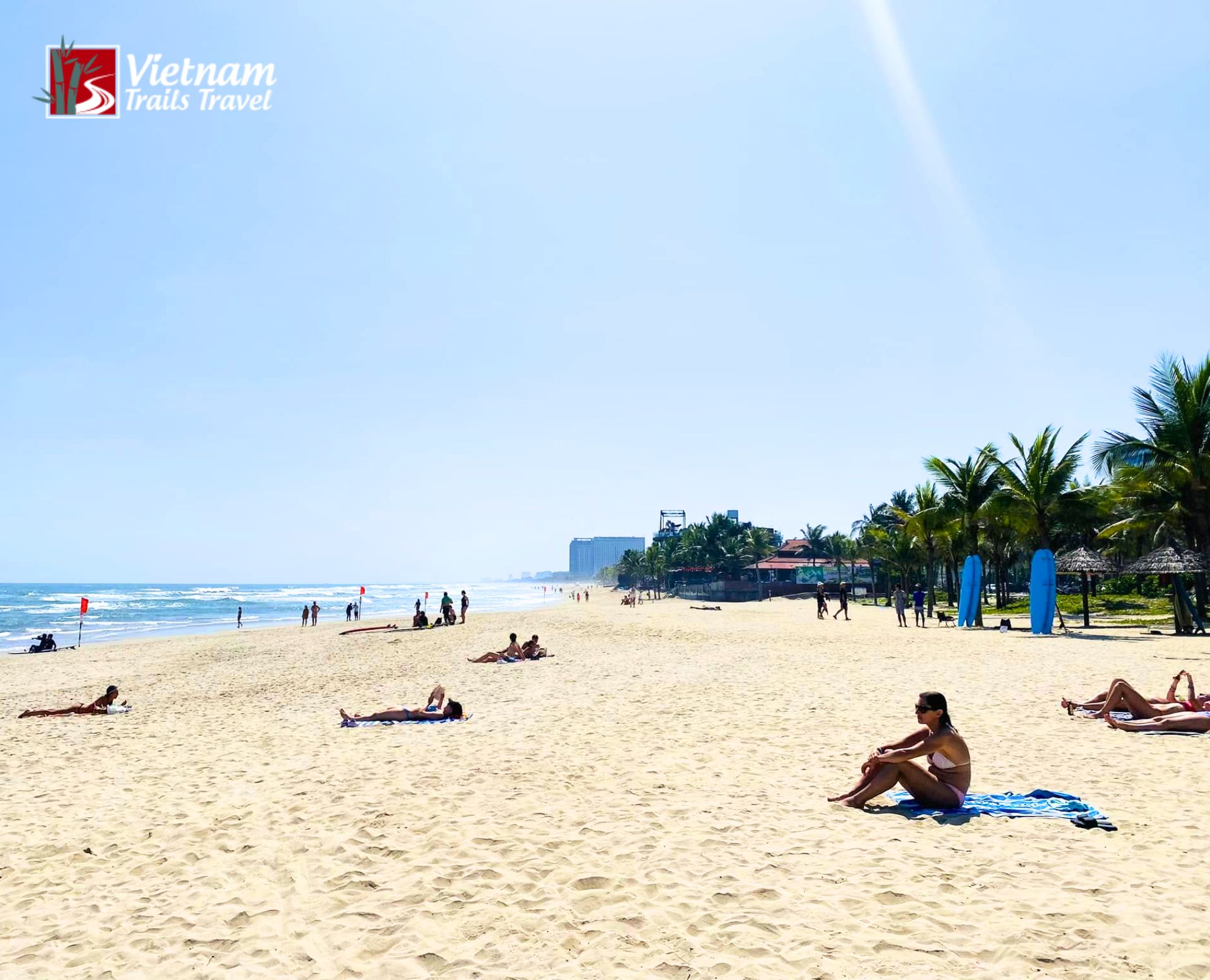
Conditions for swimming are best from March to August, when the sea is usually flat in the early morning and the lifeguard towers along the main section are staffed. From September to December, tropical storms and northeast winds can bring strong waves and rip currents, so red flags go up often. Residents swim between 5:00 and 7:00, before the sun gets hot, and that window is also the quietest time for photos.
For a full day out, the beach pairs well with Son Tra Peninsula to the north and the Marble Mountains about 8 km to the south. Sunbed and umbrella rental is cheap, and public showers sit at several access points along the promenade.
Accommodation ranges from budget guesthouses one street back to five-star towers facing the water, making it ideal for families who want a simple base with restaurants on foot.
1.2 An Bang Beach, Hoi An
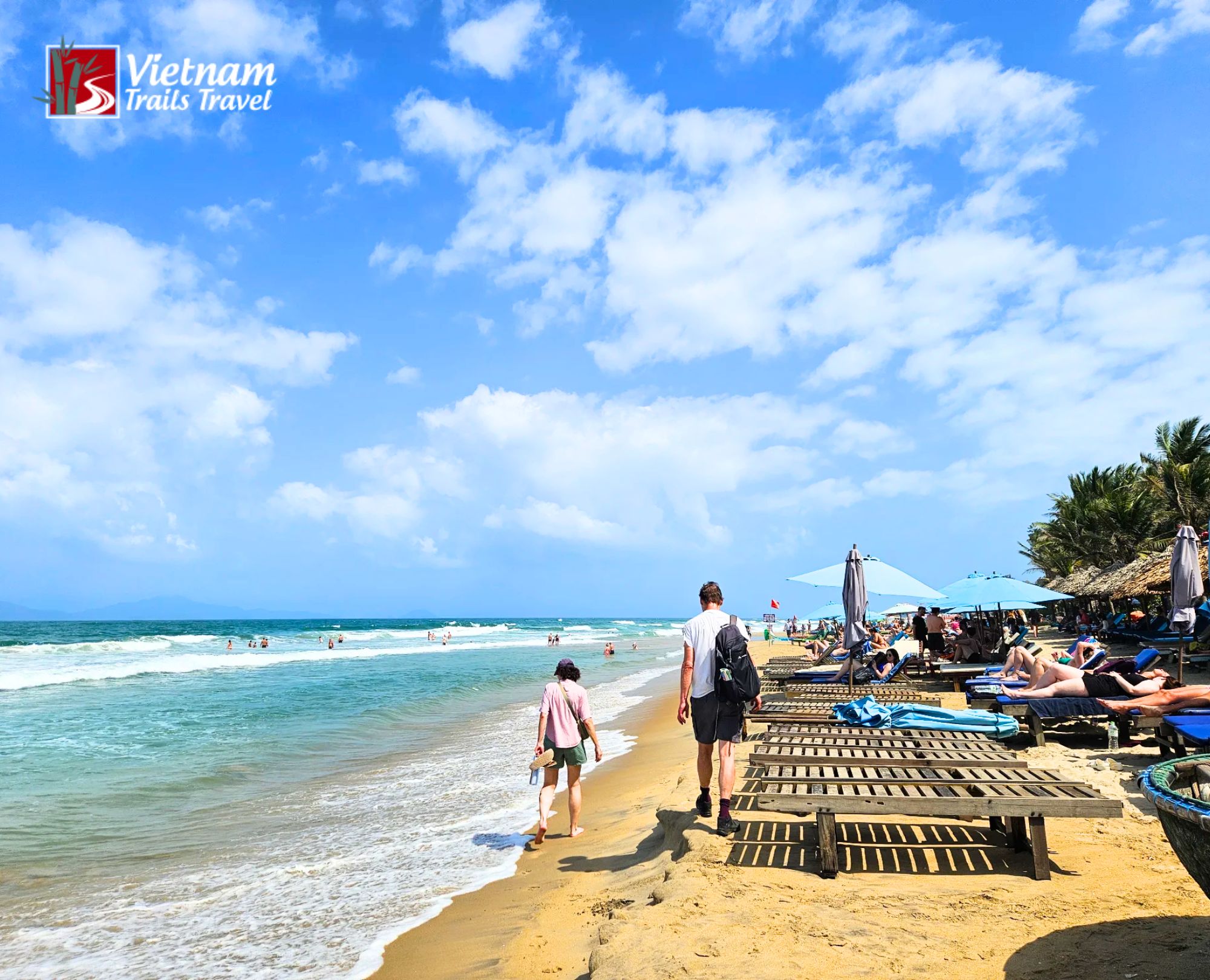
An Bang lies about 4 km north of Hoi An Ancient Town, roughly 15 minutes by bicycle or 10 minutes by taxi. It became the main choice for Hoi An visitors after erosion badly damaged Cua Dai beach in the 2010s, and today the shoreline has a relaxed row of beach bars and small restaurants where lunch and a sunbed often come as one deal.
The water is clean, the sand is soft and slightly golden, and the beach is perfect for an easy half day before heading back to the old town for the evening lantern streets.
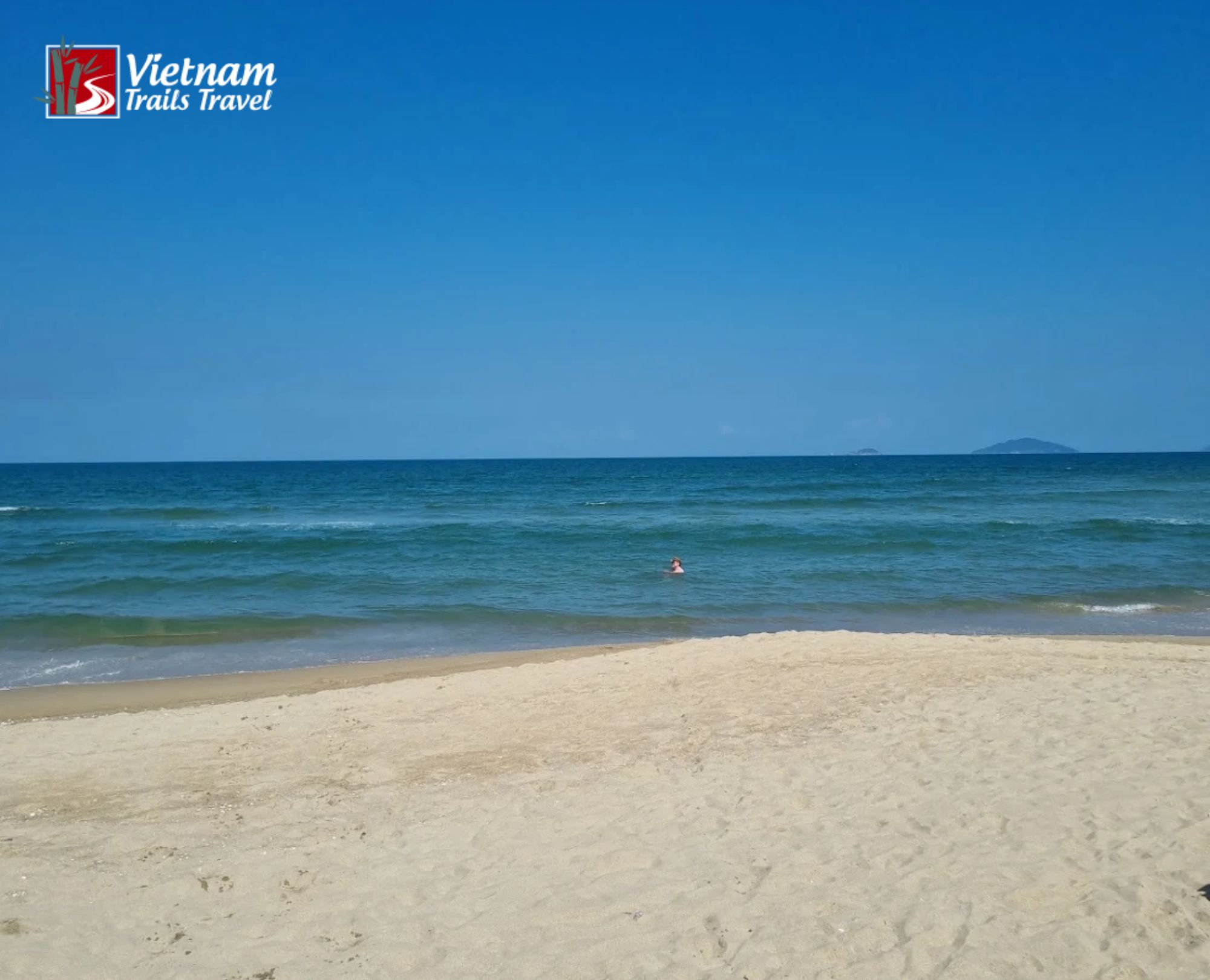
Waves stay moderate from March to August. Outside that window, rough seas can close the swimming area for days, especially in October and November when the central coast sees its heaviest rain.
Visitors who prefer more space can walk north from the main access lane toward Ha My, where the restaurants thin out and the shore is often empty in the late afternoon.
For travelers combining culture and beach time, a hotel in Hoi An with a bicycle ride out to An Bang beach works better than the reverse, because the old town is the bigger draw after dark.
1.3 Long Beach and Sao Beach, Phu Quoc Island
The largest island in the country sits in the Gulf of Thailand, about one hour by air from Saigon and just over two hours from Hanoi. Foreign visitors arriving on a direct flight into Phu Quoc International Airport can usually stay up to 30 days without a visa, which makes the island a simple add-on to a longer trip.
Long Beach, or Bai Truong, runs for about 20 km down the west coast from Duong Dong town. It is the sunset side of the island, lined with most of the resorts and hotels, and the water stays calm from November to April. From May to October, the southwest monsoon pushes waves and seaweed onto this side, so swimming days become less predictable.
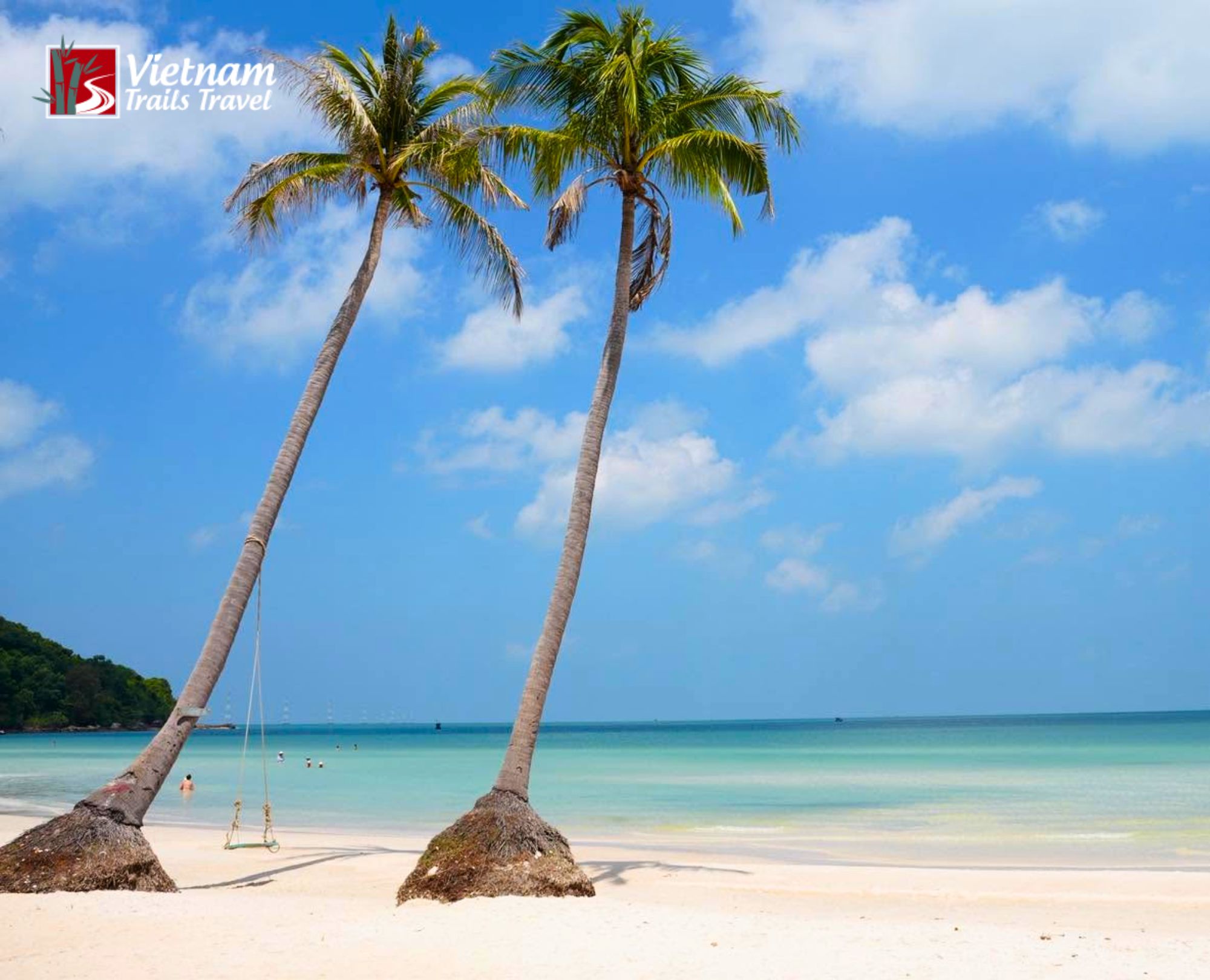
Sao Beach, or Bai Sao, is about 25 km southeast of Duong Dong and has the soft white sand and turquoise water that appear in most island brochures. Its east-facing position means it often stays usable in the wet season when Long Beach is rough. Midday crowds from tour boats can be heavy, so an arrival before 9:00 gives a quieter swim.
Away from the two main beaches, smaller bays on Phu Quoc such as Bai Khem in the south and Ong Lang in the north offer resort-backed beaches with fewer people.
A boat day around the An Thoi islands is the main option for snorkeling, and the Hon Thom cable car, at about 7.9 km, holds the Guinness record for the longest three-rope cable car in the world.
Read more: Phu Quoc 1 Day Tour & Best South Island Sightseeing
1.4 Nha Trang Beach, Khanh Hoa
Nha Trang is a city built around its beach, and that is both its strength and its weakness. The main stretch along Tran Phu Street runs about 6 km, with a wide park and hotels on one side and the bay on the other.
As the best-known seaside city and beach destination on the south-central coast, it handles large tour groups, families and long-stay visitors without strain. Cam Ranh Airport is about 35 km south, around 45 minutes by car along the coastal road.
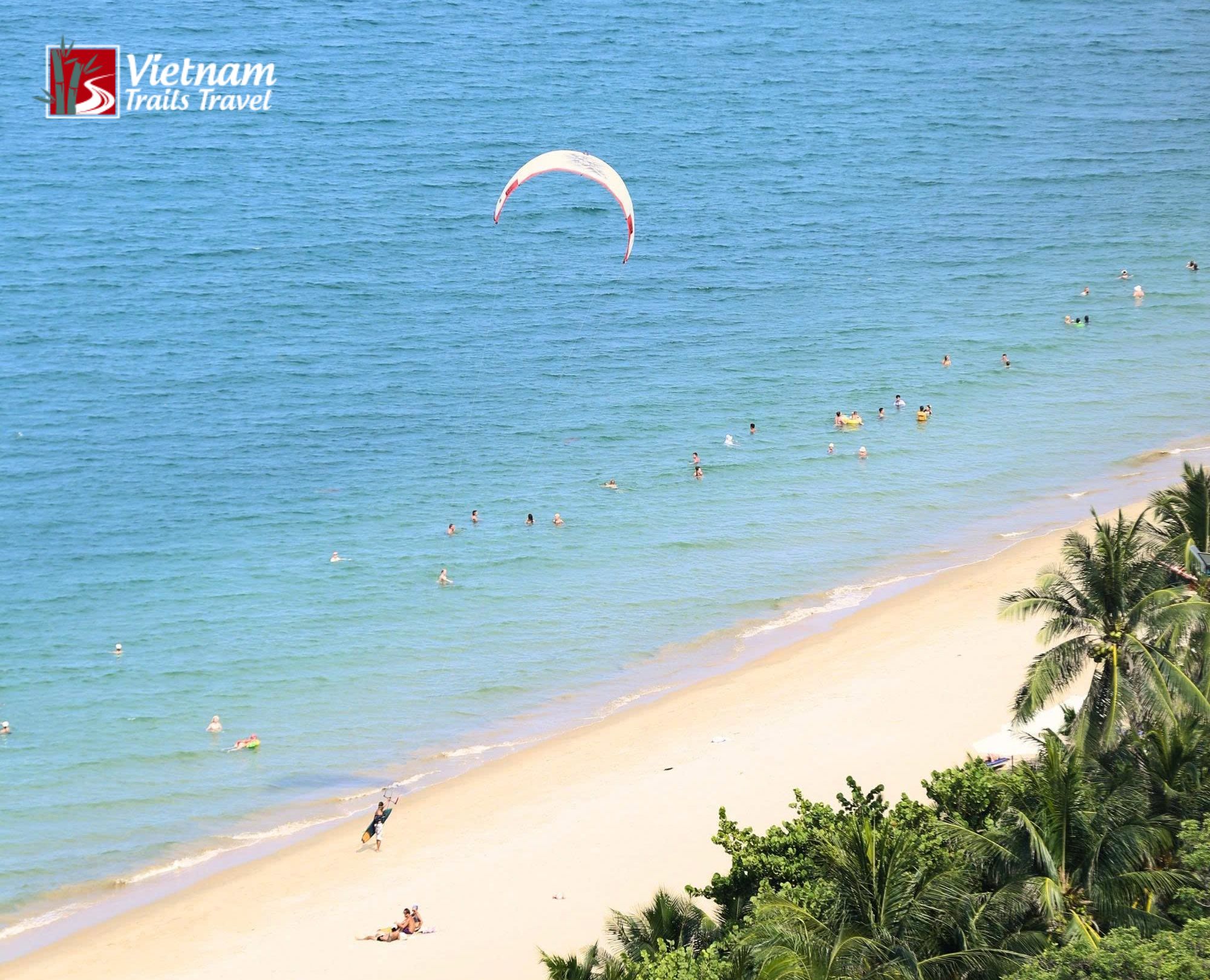
The bay holds 19 islands, and the Hon Mun marine protected area is the most popular spot for diving and reef trips. Nha Trang has a long record as one of the more affordable places in Southeast Asia to earn a beginner dive certificate, and most boat trips leave around 8:00 and return by mid-afternoon.
The weather pattern here differs from the rest of the central coast. Sunny, dry months run from January to August, while October to December brings most of the annual rain and the occasional typhoon.
For calmer water and fewer people, Doc Let beach about 50 km north and Bai Dai near the airport are good alternatives within the same province. After dark, the promenade fills with food stalls, rooftop bars and night markets, which is why many travelers who want a beach holiday with an active evening choose this city over quieter options.
1.5 Mui Ne Beach, Phan Thiet
Mui Ne is a fishing village and resort strip about 20 km east of Phan Thiet, roughly 200 km from Saigon. Since the Dau Giay to Phan Thiet expressway opened in 2023, the drive from the city takes around 3.5 to 4 hours by private car. The area has one of the driest climates in the country, so it stays popular even when the rest of the south has afternoon storms.
Wind is the main reason sports fans come. From November to April, steady afternoon winds make the bay one of the top kitesurfing and windsurfing spots in Asia, and schools along the strip teach complete beginners.

Other water sports such as kayaking and stand-up paddling are easier in the calmer morning hours. Behind the coast lie the red dunes near the fishing village and the larger white dunes at Bau Trang, about 25 to 30 km further northeast, and both look best at sunrise before the ground heats up.
Erosion has narrowed parts of Mui Ne beach along Ham Tien, and some resorts there now front sea walls instead of open sand. Hotels further east toward the fishing harbor, or west closer to Phan Thiet, tend to have wider beaches. Fresh seafood straight from the boats is sold each morning at the harbor, and grilled scallops and squid at the beach stalls are a local staple.
Read more: Mui Ne Day Tour From Ho Chi Minh
1.6 Ky Co Beach, Quy Nhon
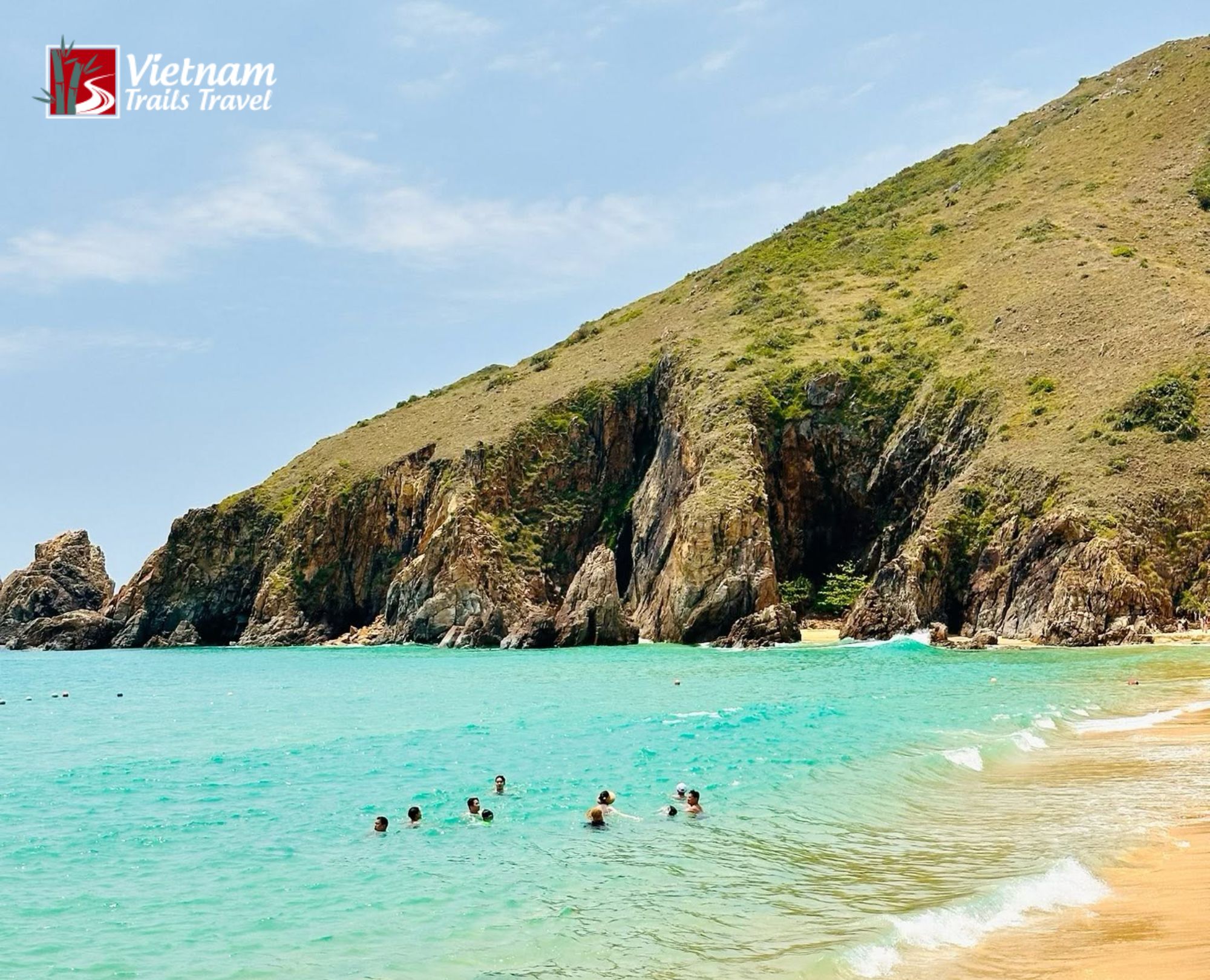
Ky Co sits on a small bay framed by steep hills about 25 km northeast of Quy Nhon city, and it is one of the most photographed spots in Vietnam. Until the late 2010s, a boat was the only practical way in. A paved road now leads close to the beach, while speedboats and canoes also run from Nhon Ly fishing village.
The water shifts from pale green near the shore to deep blue a few metres out, and on calm days coral is visible from the surface. A short arc of golden sand with clear waters makes it one of the best beaches for a half-day swim on this part of the coast. The site is run by a private operator, so an entrance fee applies, and most visitors combine it with Eo Gio, a rocky cove with a cliff walk a few kilometres away.
Phu Cat airport, around 30 km from the city, has direct flights from Saigon and Hanoi, and many travelers on a longer route add a stop here between Hoi An and Nha Trang. The wider coastline around the city is still far less developed than other beach towns, which suits anyone looking for serene beaches with local fishing life rather than large resorts.
1.7 Dam Trau Beach, Con Dao
The archipelago of 16 islands off the southern coast is the quietest choice on this list, with some of the most pristine beaches in the south, and Dam Trau is the most attractive of them. Most of the land and surrounding sea belong to Con Dao National Park, which protects coral reefs, dugongs and nesting green turtles.
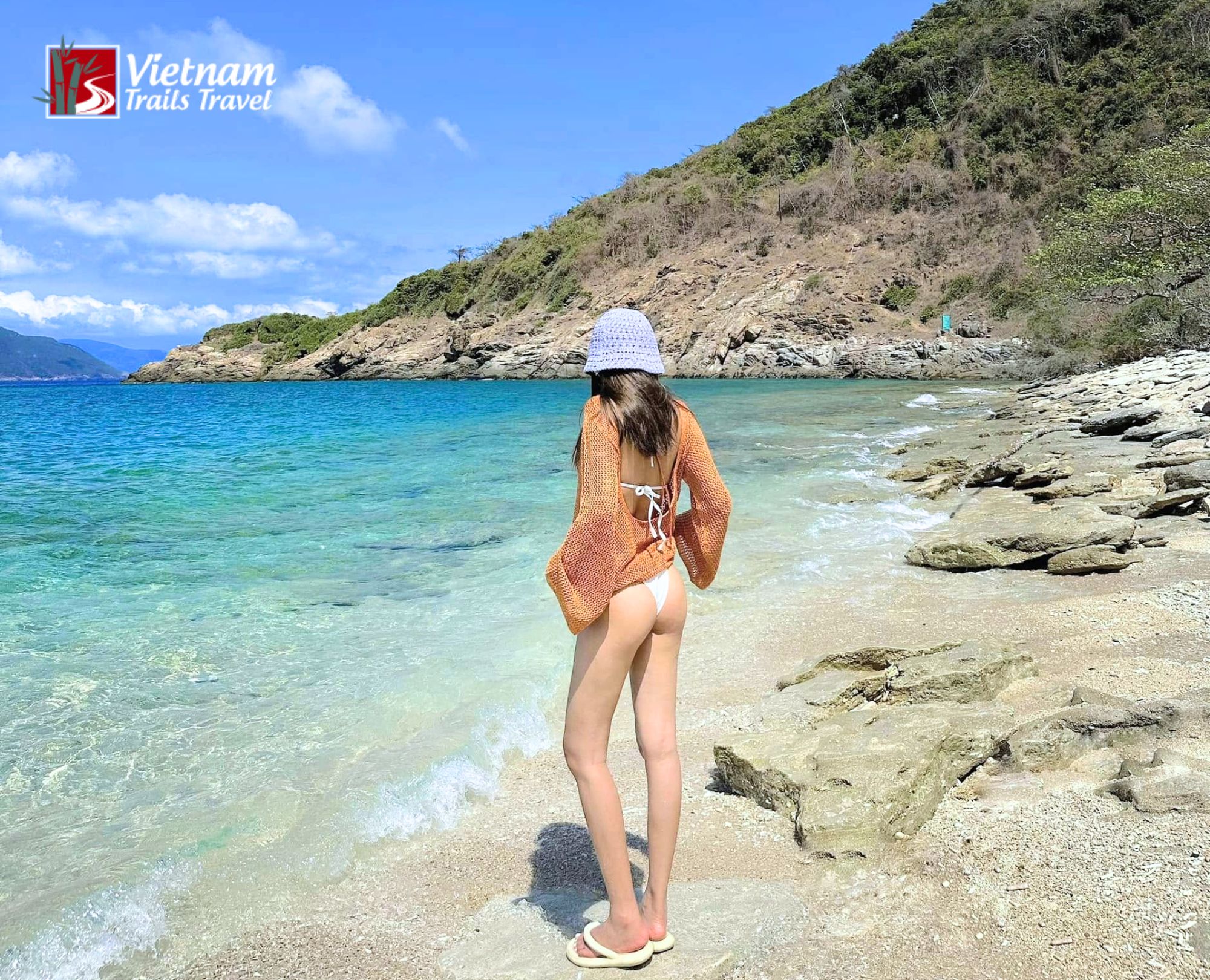
Dam Trau lies about 1 km from the small airport, so close that planes pass low over the beach on approach. The forest behind the bay gives natural shade through the afternoon; the sand has a light orange tint, and offshore reefs make it a good place to snorkel when the sea is flat. Flights from Saigon take around one hour, and high-speed boats run from Vung Tau and from Tran De port in the Mekong Delta.
History is the other reason to stay a few days. The former prison system and Hang Duong cemetery explain why many Vietnamese visitors come on pilgrimage, and the mix of natural beauty and heritage makes the islands much more than a place to sunbathe.
From May to October, park rangers run overnight turtle watching trips to Bay Canh island, which need to be booked in advance. Rooms are limited and prices are higher than on the mainland, so reservations for public holidays should be made early.
1.8 Ho Coc Beach and the Vung Tau Coast
For beaches near Ho Chi Minh City, the two realistic weekend options are Vung Tau and Ho Coc Beach, and since the July 2025 provincial merger, both fall inside Ho Chi Minh City administratively. Vung Tau is a coastal city around 95 km from the old city center, about 2 hours by car, or a little under 2 hours by fast boat on the Saigon River when the service runs.
Back Beach, or Bai Sau, is the long main strip in Vung Tau, with hotels and restaurants behind it. The water is not as clear as on the central coast because of silt from nearby river mouths, but the beach is wide, close to the city and busy every weekend. As a weekend getaway, it works well for food, cafes and a sunset walk, less so for clear-water swimming.
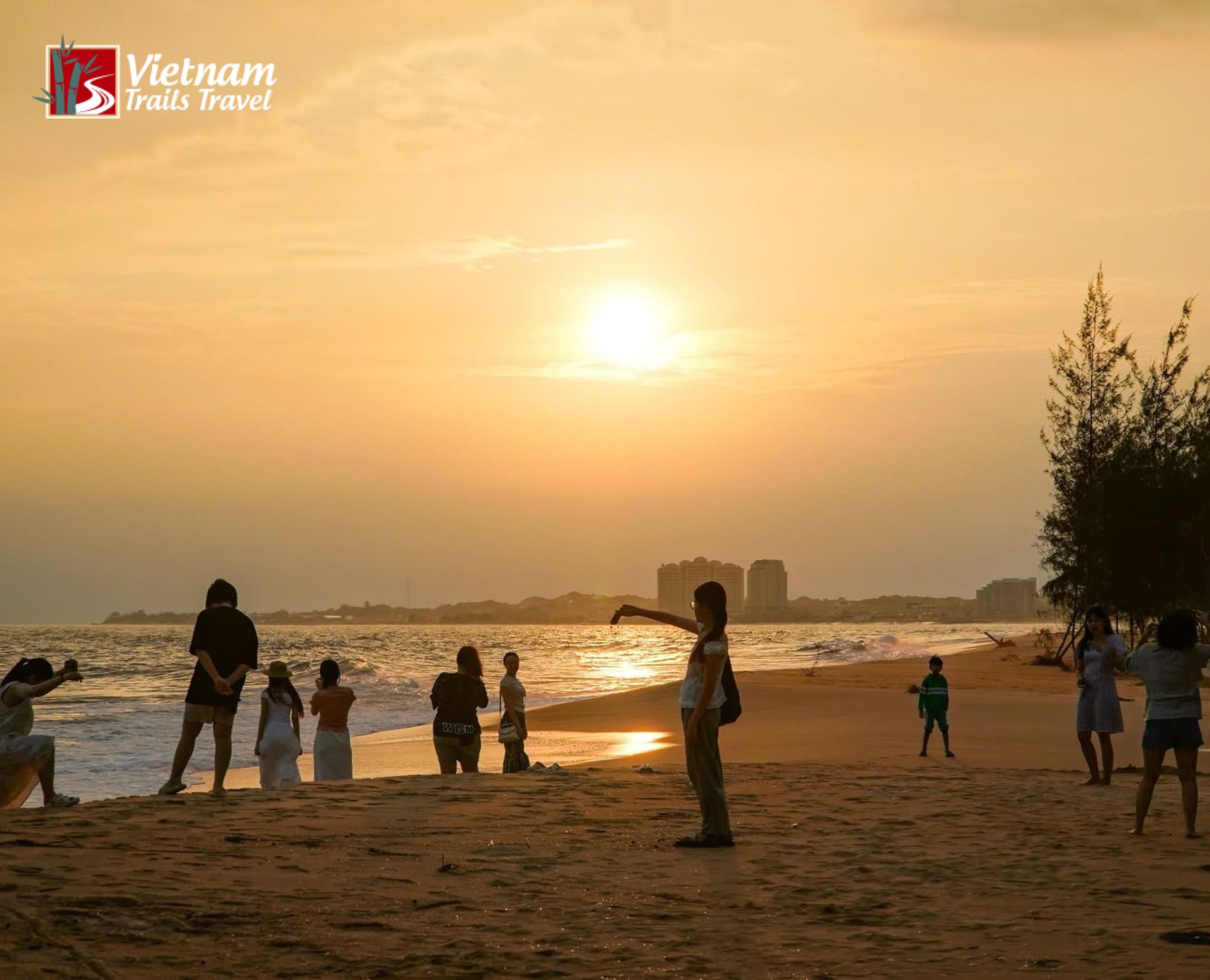
About 130 km from central Saigon, the second option is quieter. A long stretch of golden sand runs in front of the Binh Chau Phuoc Buu nature reserve, and the Binh Chau hot springs are a short drive away, so a night or two works better than a rushed day trip.
Weekday visits are calm, but local families arrive in large numbers on Saturdays and during Tet. The drier months from December to April give the best swimming, while the sea can turn rough from June to September.
1.9 Lang Co Beach, Hue
Lang Co is a narrow strip of land between the sea and Lap An lagoon at the foot of Hai Van Pass, about 65 km from Hue and 30 km from Da Nang through the Hai Van tunnel.
Its bay joined the Club of the Most Beautiful Bays in the World in 2009. The beach is one of the longest on the central coast, running for about 10 km with fine, pale sand and a gentle slope.
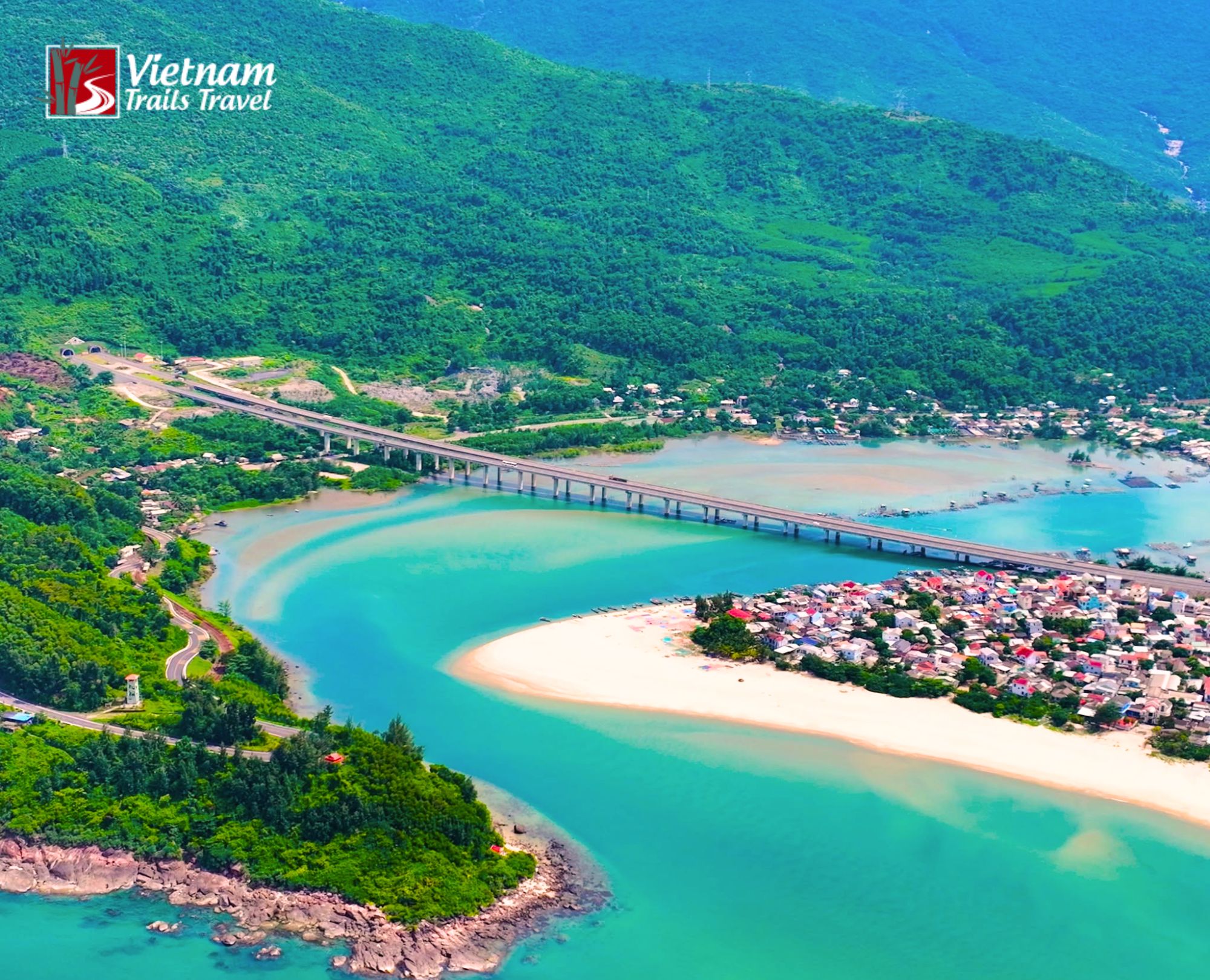
The main appeal is the setting. Green mountains drop toward the lagoon on one side; the beach is quiet on most days, and the lagoon edge is lined with oyster farms and small restaurants serving fresh shellfish. Large resorts such as Banyan Tree and Angsana sit further south toward the pass, while the village area keeps a simple, local feel.
For travelers moving between Hue and Hoi An, a stop here on the way over Hai Van Pass turns a transfer into a sightseeing day, and the lagoon view makes Lang Co one of the most beautiful breaks on that road.
The best swimming months are April to August, when the sea is warm and calm. Heavy rain from September to December makes the area much less appealing for a beach stay.
Read more: Hue City Tour From Chan May Port
1.10 Quan Lan Island near Halong Bay
For beaches in northern Vietnam, Quan Lan in Bai Tu Long Bay is a better choice than the mainland coast around Halong city, which has few natural beaches. The island lies northeast of Halong Bay, and speedboats from Cai Rong pier on Van Don take under an hour. From Hanoi, the drive to the pier is about 3.5 hours on the expressway.
Minh Chau beach in the northeast of the island has pale, fine sand and calm water backed by an old forest, and Son Hao is one of the longest sandy beaches in the northeast, with far fewer people.
Bicycles and electric buggies are the usual way to get around, and homestays outnumber hotels. As a Vietnam beach island trip, it feels closer to village life than to a resort holiday.
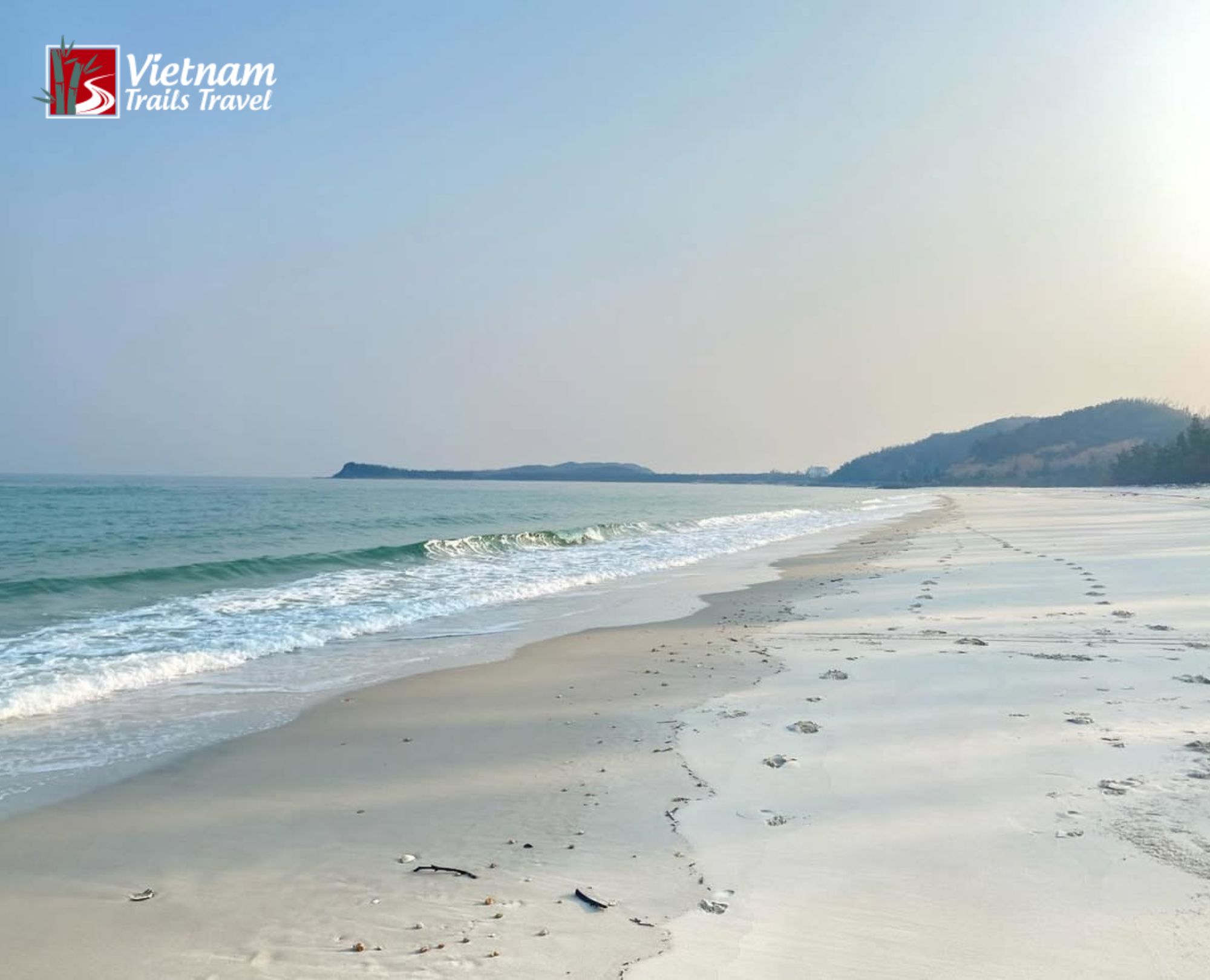
The timing matters more here than anywhere else on the list. The sea is warm enough for swimming from May to September, while winter water temperatures drop to around 20°C or lower and the beaches are nearly deserted.
Weekends in June and July are busy with families from the capital, so weekdays give a better stay. Many visitors pair the island with a Halong Bay cruise and finish with two days of quiet beach time instead of another night on a boat.
2. Best months to visit the coast by region
The beaches of Vietnam spread across about 1,650 km from north to south, and many beautiful beaches sit in different climate zones, so no single month is ideal everywhere. In the north, the season is short: May to September brings warm water but also the risk of typhoons in August and September.
Central Vietnam, from Hue down to Quy Nhon, has its dry and calm season from March to August, and the rainy, stormy months fall between September and December. The south-central coast around Nha Trang and Mui Ne stays sunny for most of the year, with rain concentrated between October and December.
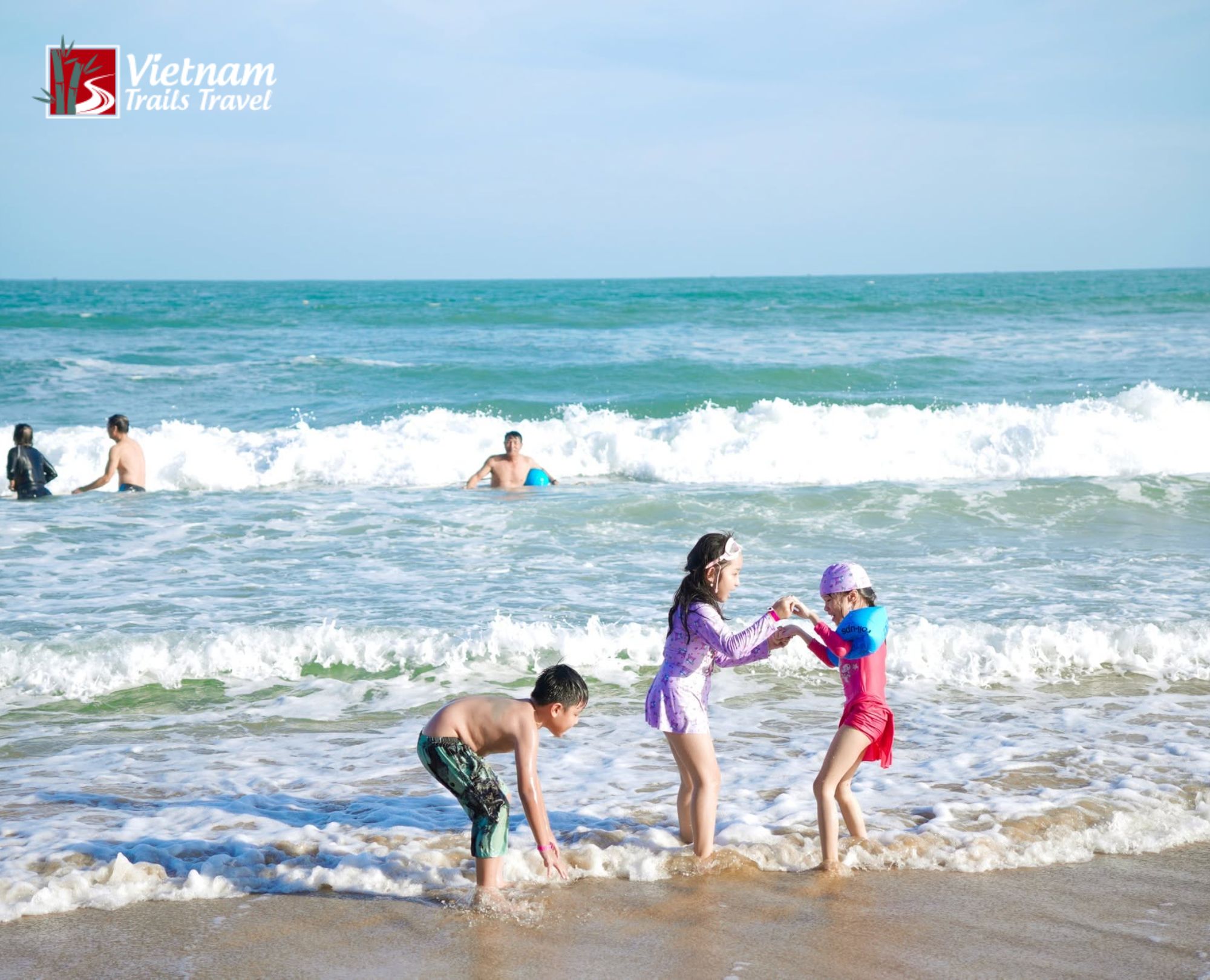
For a winter trip, the best beaches in southern Vietnam are the obvious choice. The dry season runs from November to April on Phu Quoc and along the coast southeast of Saigon.
Con Dao follows a slightly different pattern, with the calmest sea usually from March to July. Anyone planning the best beach holiday in Vietnam over Christmas or New Year should look south, while a July trip points to the central coast.
3. How to plan transfers between beaches
Most beach destinations in Vietnam are linked by domestic flights, but the last 30 to 200 km are almost always by road. Phu Quoc and Con Dao are the exceptions, since both need a flight or a long boat ride, and several of the best beach places in Vietnam, such as Ky Co and Quan Lan, add a boat or a slow coastal road at the end. Good beaches in Vietnam are rarely far from an airport, yet many of the stunning beaches in Vietnam still take half a day door to door.
Typical private car times are about 2 hours from Saigon to Vung Tau, 3.5 to 4 hours to Mui Ne, 40 minutes from the airport in Da Nang to Hoi An, 1.5 hours from Hue to Lang Co, 45 minutes from Cam Ranh to Nha Trang, and around 3.5 hours from the capital to Cai Rong pier.

A private car with a fixed, all-inclusive price is the simplest option for families and small groups. For the beautiful beaches in Vietnam that sit off the main highway, a private driver saves the most time.
The driver waits at photo stops, luggage stays locked in the vehicle, and tolls and parking are agreed before departure, so there are no surprises at the end of the day. Child seats and larger vans can usually be arranged with a day or two of notice, and an experienced local driver knows which roads flood in the rainy season.
For a two-week Vietnam itinerary, one or two coastal stops are usually enough. A common Vietnam tour runs from the north through the central heritage towns and finishes with three nights at the coast, which leaves time to rest without long backtracking between cities in Vietnam. Anyone traveling to Vietnam for the first time can treat the beach as the last part of the trip, after the busier sightseeing days.
4. Practical tips for a safe beach trip
Rip currents are the main danger on the open central coast, and they are strongest after storms. Red flags mean no swimming, and lifeguards only cover the popular beaches and marked sections, usually from early morning until late afternoon.
Strong sun is the next issue, as the UV index often reaches extreme levels between 10:00 and 15:00, so the hours just after sunrise and before sunset are the most comfortable for a swim or a beachside walk.
Most of Vietnam’s beaches are public by law, but some access paths cross resort land, and a few managed sites such as Ky Co charge an entrance fee. Small cash in Vietnamese dong is useful for sunbeds, showers and parking. Coral reefs on the islands are fragile, so visitors should avoid standing on coral, feeding fish or leaving plastic behind.
Jellyfish appear in some seasons, especially in the north and on the island coasts, and beach staff usually know when they are around. Hotel pools are a good backup for small children on rough days, and a beach resort with its own lifeguard on duty is worth the extra cost for families with young swimmers.
5. Frequently asked questions
5.1 Which beach has the clearest water?
Water clarity changes with weather and season. Beaches like Ky Co, Sao Beach and the bays around Dam Trau usually have the clearest sea in calm months, while urban stretches near river mouths, such as Back Beach in Vung Tau, look darker because of silt.
5.2 Where is the best white sand beach in Vietnam?
Sao Beach on the east coast of Phu Quoc is the classic answer, with fine pale sand and shallow water. Minh Chau on Quan Lan and Doc Let near Nha Trang also have white sand beaches with soft sand and clear water, making them a good fit for families who want gentle conditions.
5.3 Which beaches are closest to Saigon?
Among the beaches in South Vietnam, Vung Tau is the closest, about 2 hours by road. The quieter beach at Binh Chau takes around 2.5 to 3 hours, and Mui Ne is the best beach for a longer trip of two or three nights.
5.4 Is one beach stop enough for a two-week trip?
For most guests, one or two beach stops fit well into 14 days, and a nice beach in Vietnam is easy to add at the end of a route. A good plan is to choose coasts that sit on the natural route between other destinations rather than adding long flights just to see a famous name.
5.5 Are the beaches in Vietnam good for swimming?
Yes, many are ideal for swimming when the sea is calm, but conditions vary by month and by coast. The safest approach is to swim in marked areas near lifeguard towers and to stay out of the water when red flags are up.
