
Can Tho Travel Guide 2026: Floating Markets & River Life
For many first-time travelers arriving in Southern Vietnam (Vietnamese: Miền Nam Việt Nam), Can Tho (Vietnamese: Cần Thơ) feels completely different from the fast-moving energy of larger cities or crowded beach destinations. Life here moves with the rhythm of the river.
Before sunrise, small boats already travel through the canals carrying fruit, vegetables, coffee, and fresh noodle soup across the Mekong Delta (Vietnamese: Đồng bằng sông Cửu Long). The atmosphere feels slower, warmer, and more connected to local life than many places travelers first imagine when planning a Vietnam trip.
Known as the center of the Mekong Delta region, Can Tho city is famous for floating markets, river culture, tropical fruit gardens, and traditional southern food experiences. Many tourist activities here are built around the water, from early morning boat tours to peaceful canal trips through smaller villages outside the city center.
While some travelers only stop for one night, others quickly realize that the charm of the Mekong Delta becomes more rewarding when explored slowly.
Best time to visit Can Tho
Dry season vs rainy season in the Mekong Delta
The best time to visit Can Tho depends on the type of Mekong Delta experience you want during your trip to Vietnam. In general, the dry season from December to April is considered the most comfortable period for most travelers because the weather is less humid, rainfall is lower, and canal tours are easier to enjoy throughout the day.
Temperatures are still warm, but the atmosphere feels more pleasant for walking around markets, riverside areas, and outdoor attractions.
The rainy season usually begins around May and continues until November. Heavy rain often arrives in short bursts during the afternoon rather than lasting all day.
Some travelers actually enjoy this period because the canals become greener and the Mekong Delta feels more alive with tropical landscapes and fewer tourist crowds. However, transportation in smaller village areas can occasionally become slower after strong rain.
Tropical climate and floating market mornings
Can Tho has a tropical climate year-round, with warm temperatures almost every month. Early mornings are usually the coolest and most comfortable time to see Can Tho, especially for visiting Cai Rang Floating Market (Vietnamese: Chợ nổi Cái Răng).
Most floating market boat tours start before sunrise because local trading activity becomes quieter after around 8 AM. Morning canal trips also avoid the strongest midday heat in the Mekong Delta.
Best months for fruit gardens and canal tours
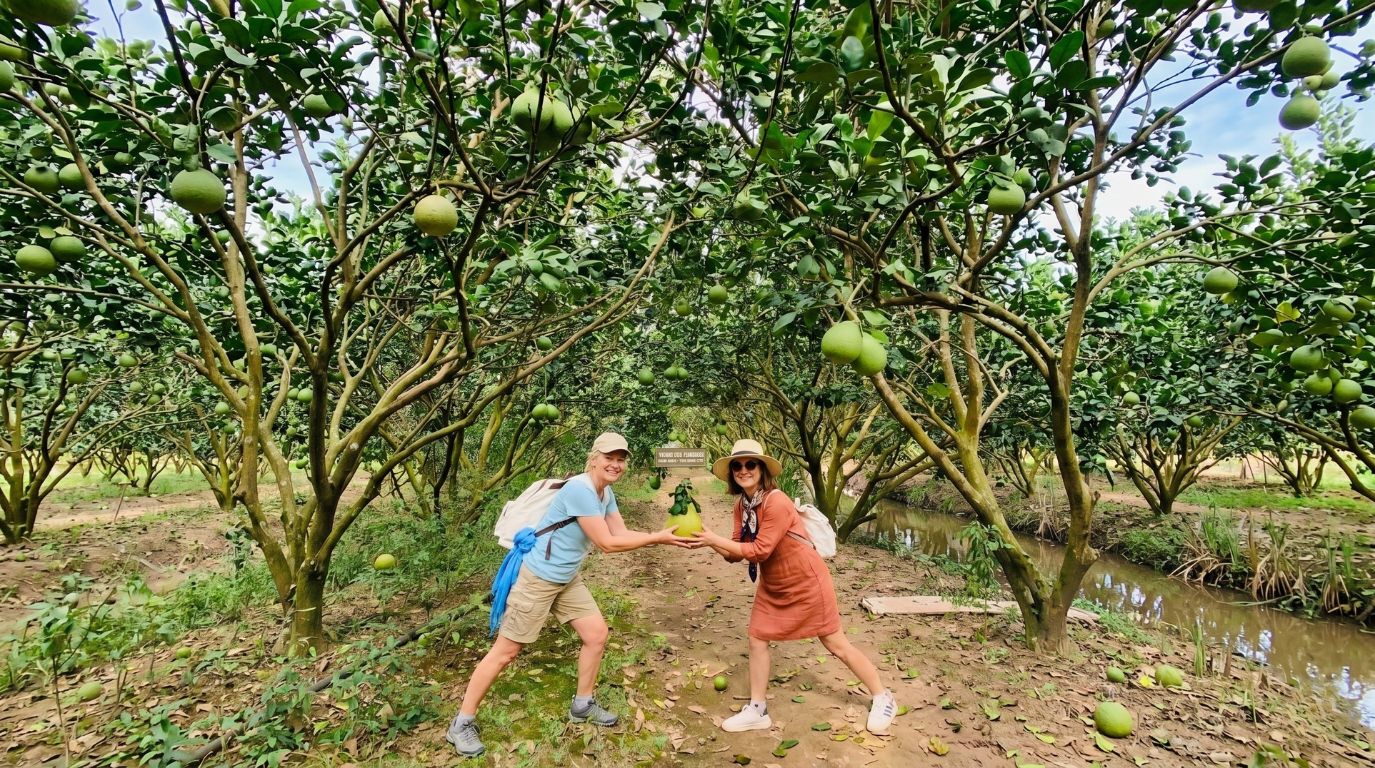
For fruit garden experiences around Phong Dien (Vietnamese: Phong Điền) and countryside villages, many locals recommend visiting between May and August when tropical fruits are most abundant. During this period, travelers can enjoy rambutan, mangosteen, durian, and longan directly from local farms beside the canals.
One honest observation is that there is rarely a completely “bad” time to visit Can Tho. The weather changes throughout the year, but the slower rhythm of river life, local food, and morning floating markets remains one of the most memorable parts of the Mekong Delta in every travel season.
Why visit Can Tho in the Mekong Delta?
Why Can Tho feels different from other cities in Vietnam
For many travelers arriving in southern Vietnam for the first time, Can Tho feels slower, calmer, and more connected to everyday local life than larger urban destinations. While places like Ho Chi Minh City (Vietnamese: Thành phố Hồ Chí Minh) are filled with heavy traffic and modern development, Can Tho city still moves with the rhythm of the river.
Early mornings begin with floating markets, local coffee shops, and small boats carrying vegetables, fruit, and noodle soup through the canals of the Mekong Delta.
River culture and local life in the Mekong Delta
One reason many people visit Can Tho is to experience authentic river culture that still exists naturally across the Mekong Delta region. Boats are not only tourist attractions here; they remain part of daily transportation and business for local communities.
Travelers can wake up before sunrise for a boat ride through Cai Rang Floating Market, then continue into smaller canals lined with villages, tropical gardens, and wooden riverside homes. The atmosphere feels very different from beach destinations or mountain towns in Vietnam.
Instead of rushing between attractions, many travelers enjoy slowing down, drinking coffee beside the river, and watching local life unfold naturally throughout the day. That slower experience is one reason Can Tho has become more popular among people wanting a deeper connection with southern Vietnam.
Why Can Tho is the center of the Mekong Delta region
Often called the center of the Mekong Delta, Can Tho is the largest city in the region and an important transportation, cultural, and economic hub. Because of its location, it works well as a base for exploring nearby canals, floating markets, countryside villages, and smaller river communities.
A trip to Can Tho also gives travelers the chance to see why this fertile area is known as the rice bowl of Vietnam. One honest observation is that some travelers originally plan only one night here, but many end up extending their stay after realizing how peaceful and rewarding the Mekong Delta experience can feel compared to faster tourist routes across Vietnam.
How to get to Can Tho
Taxi, Grab and transportation apps
Getting around Can Tho is generally easier than many larger cities in Vietnam because traffic is lighter and most tourist areas are relatively close together. For short distances inside Can Tho city, many travelers use Grab because prices are usually affordable and the app helps avoid language difficulties when discussing destinations with drivers.
Traditional taxis are also widely available around hotels, markets, and Ninh Kieu Wharf (Vietnamese: Bến Ninh Kiều), especially during the evening.
Can Tho motorbike and cycling experiences
For travelers wanting more flexibility, renting a Can Tho motorbike is one of the best ways to explore smaller roads and countryside areas around Can Tho. Motorbikes allow easy access to fruit gardens, local villages, cafés beside canals, and quieter river routes outside the busy center.
Some tourist accommodations also organize cycling tours or Can Tho countryside trips through small farming communities where travelers can experience local life more closely. A bicycle works especially well in peaceful village areas near Phong Dien because traffic is slower and the scenery feels more relaxed than central urban districts.
Tours or Can Tho motorbike routes often include stops at local markets, canal bridges, tropical gardens, and riverside food stalls that are difficult to reach by larger transportation.
Canal transportation and local river boats
River transportation remains an important part of daily life in the Mekong Delta. While modern roads continue improving, many local communities still rely on river boats and canals for transportation, fishing, and trade.
Boat tours from Can Tho usually depart early in the morning and travel through narrow waterways connected to Cai Rang Floating Market. One honest observation is that travelers who only stay inside the city center often miss the most interesting side of the Mekong Delta.
Spending time around canals, village roads, and smaller river communities usually creates a much more memorable experience than simply moving between tourist attractions by taxi.
Top attractions in Can Tho city and nearby river villages
Cai Rang Floating Market and noodle factory
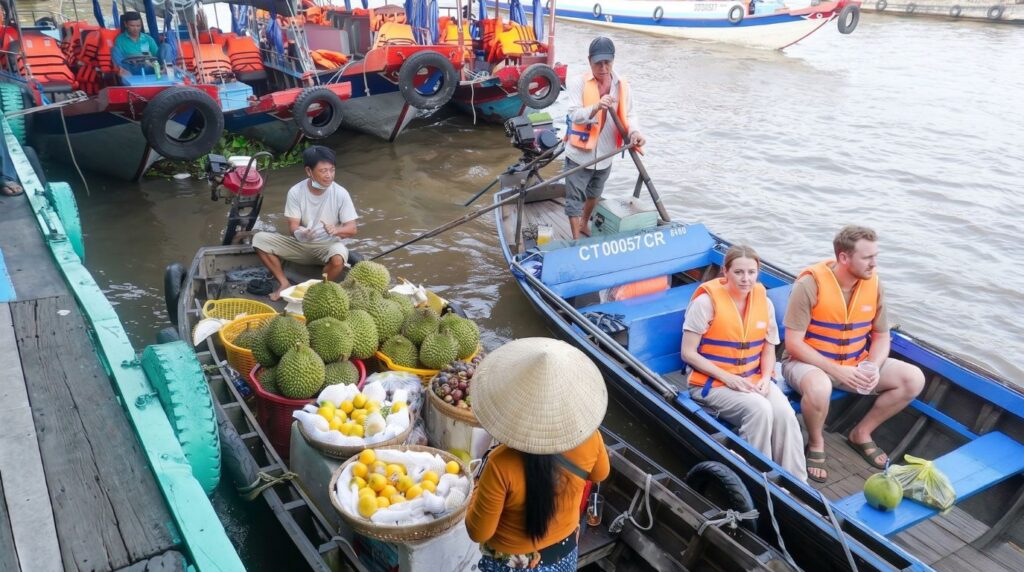
One of the most famous attractions in Can Tho is Cai Rang Floating Market, where local traders still gather on the river before sunrise to sell fruit, vegetables, coffee, and traditional breakfast dishes from wooden river boats.
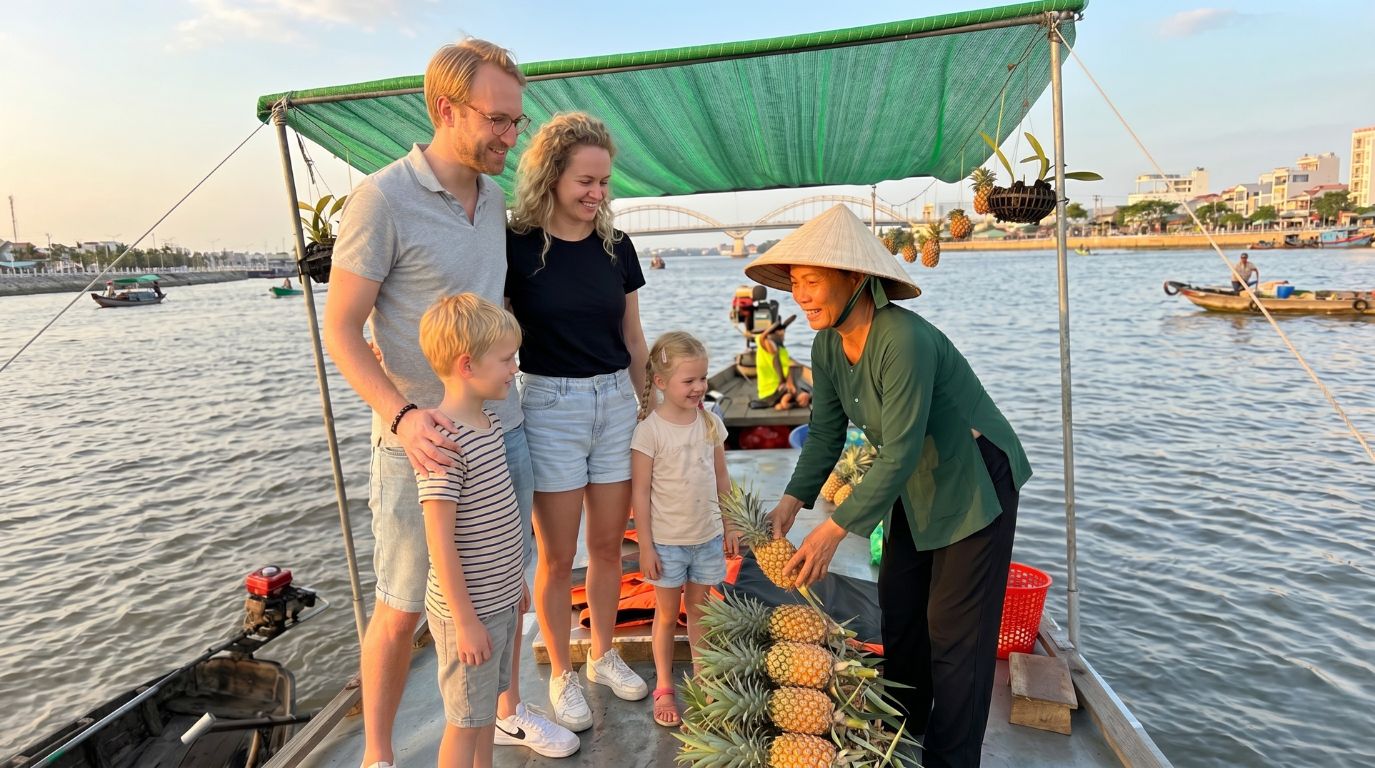
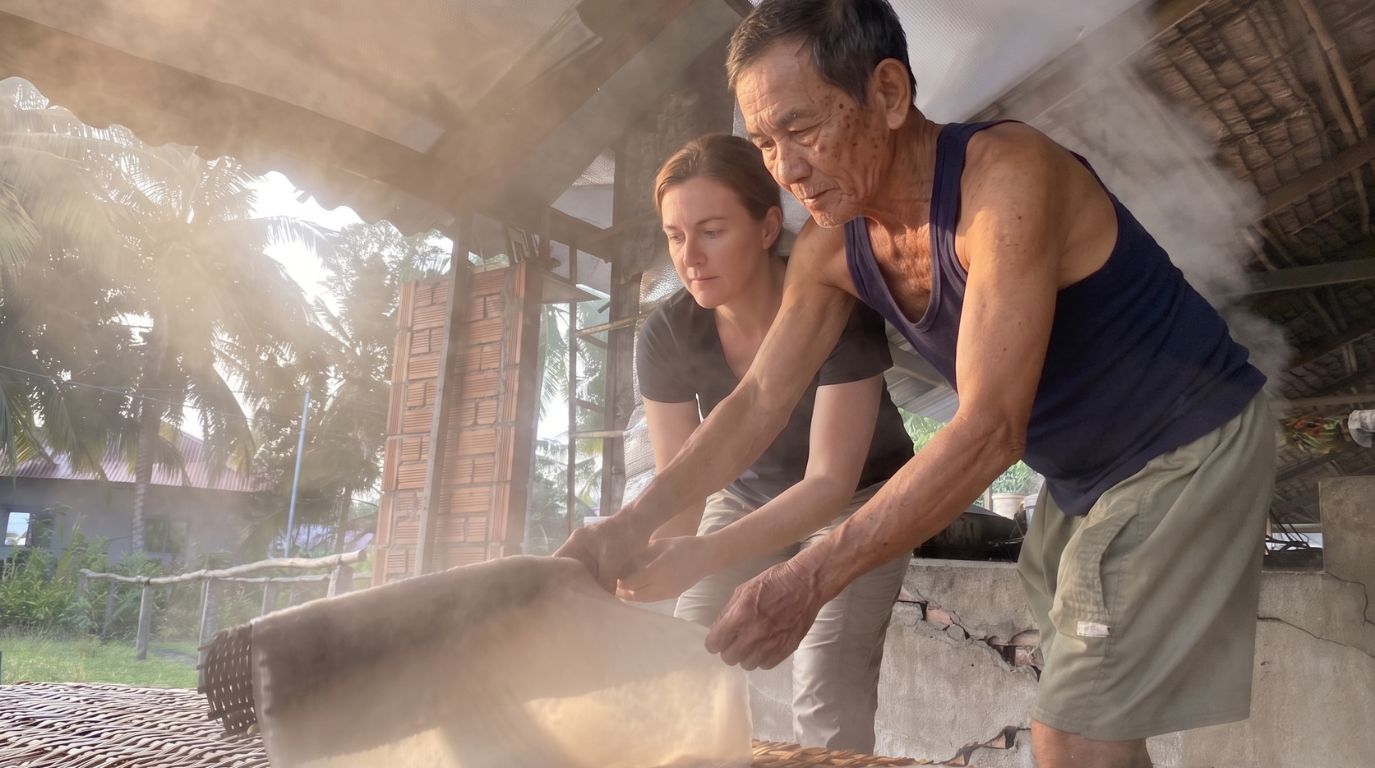
This floating market remains one of the best places to experience the daily rhythm of the Mekong Delta and understand how river transportation shaped local business culture for generations. Many boat tours also stop at a traditional noodle factory where travelers can see how fresh rice noodles are made by hand.
Some workshops still produce rice paper using older cooking methods passed down through local families. You are often invited to try making bánh pizza Việt Nam, sometimes called Vietnamese pizza, created by grilling rice paper with egg, herbs, sauces, and local toppings over charcoal.
These small food experiences help travelers connect more deeply with local life beyond standard sightseeing.
Read more: Mekong Delta Full Day Tour – Cai Rang Floating Market
Phong Dien Floating Market and local fruit farms
Located farther from the busy center, Phong Dien Floating Market offers a quieter atmosphere compared to Cai Rang. The area around Phong Dien is known for peaceful canals, small villages, tropical gardens, and local fruit farms hidden between narrow waterways of the Mekong Delta.
Traveling through these canals by boat allows you to see traditional countryside life, wooden homes, fishing boats, and farmers working beside the river. During fruit season, travelers can taste rambutan, mangosteen, longan, and durian directly from local gardens.
One honest observation is that Phong Dien often feels more personal and less commercial than larger tourist areas, especially during early morning canal tours.
Binh Thuy Ancient House and historical sites
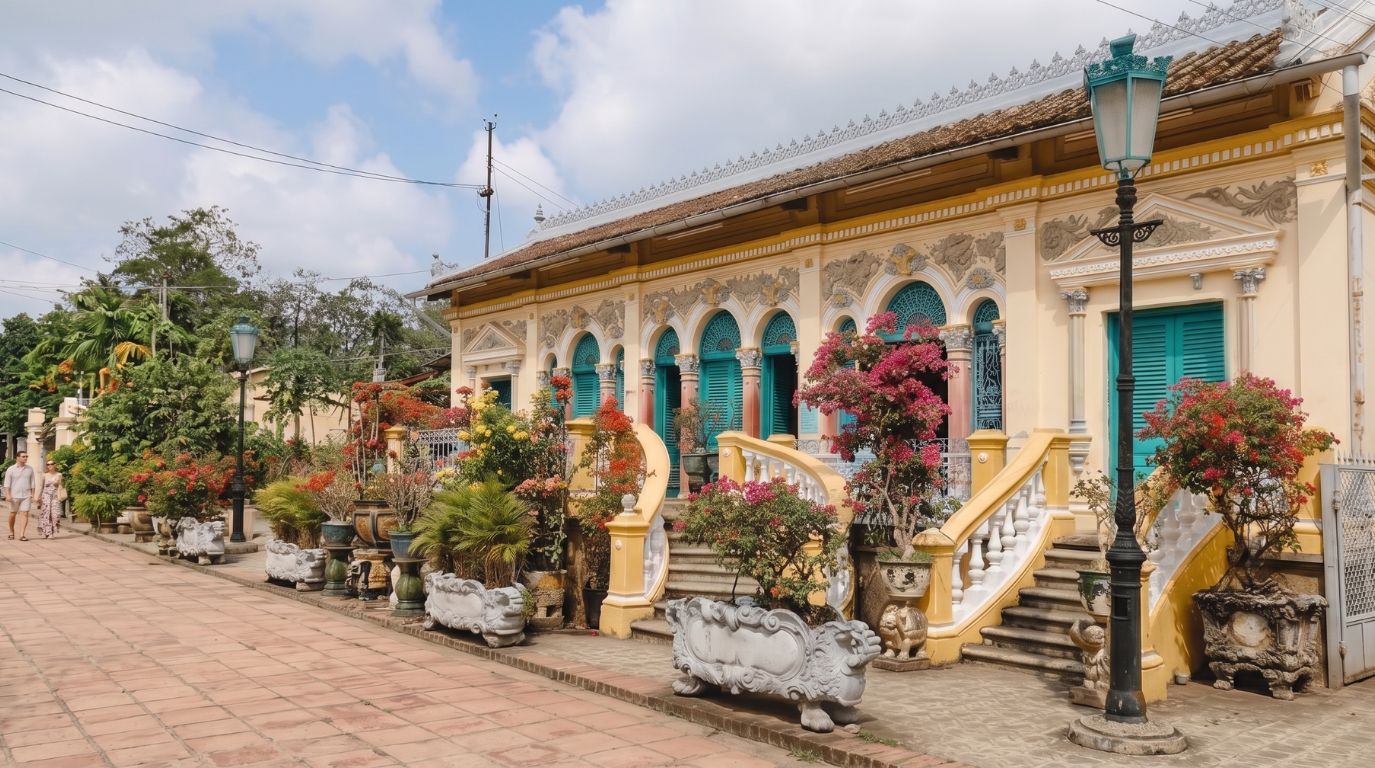
Binh Thuy Ancient House (Vietnamese: Nhà cổ Bình Thủy) is one of the best-preserved historical buildings in Can Tho. Built in 1870, the house combines French colonial architecture with southern Vietnamese design and antique decorations.
The property reflects the lifestyle of wealthy families during earlier trading periods in the Mekong Delta and remains an important cultural landmark connected to Can Tho historical relics.
Con Au Island, Ong Pagoda and river landmarks
Travelers wanting quieter experiences can also visit Con Au Island (Vietnamese: Cồn Ấu), a peaceful river island known for gardens, local homes, and relaxing views of the Hau River (Vietnamese: Sông Hậu). Near the city center, Ong Pagoda (Vietnamese: Chùa Ông) and Ninh Kieu Wharf remain popular landmarks for evening walks, photography, and river views of Can Tho.
The modern Can Tho bridge crossing the river has also become one of the recognizable symbols of the city skyline at night.
Can Tho nightlife, cafés and river evenings
Ninh Kieu night market and riverside walks
After sunset, Ninh Kieu Wharf becomes one of the liveliest areas in Can Tho. Local families, travelers, students, and street vendors gather along the riverside promenade to enjoy cooler evening weather beside the Hau River.
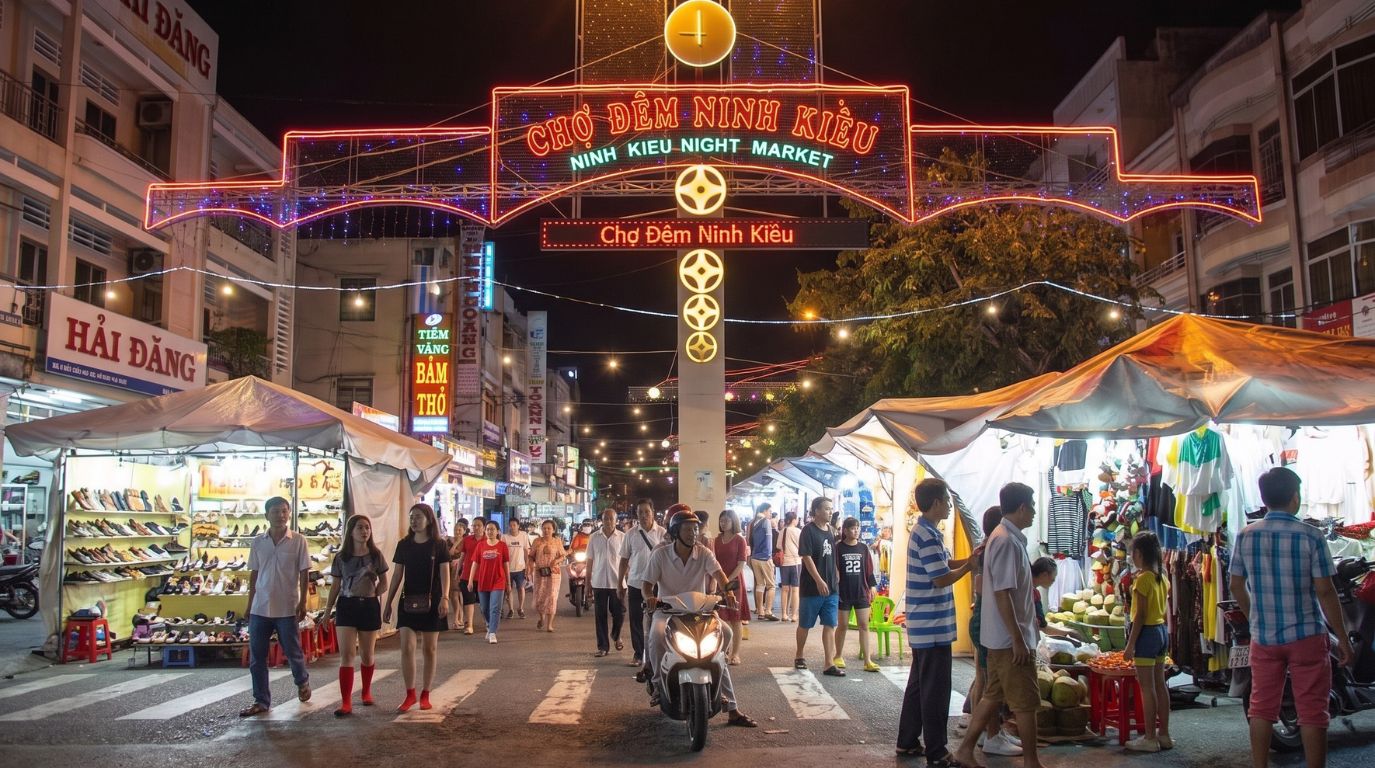
The atmosphere feels relaxed compared to larger nightlife districts in Vietnam, making evening walks around the night market one of the simplest but most enjoyable activities in the city. The nearby Can Tho market area becomes busier after dark with grilled seafood, local desserts, fruit smoothies, and traditional southern Vietnamese snacks sold from small food stalls.
Many tourist visitors spend hours slowly exploring the riverside streets while watching boats move across the river under the city lights.
Riverside cafés and local nightlife
Can Tho has a strong café culture, especially near the waterfront. Several riverside cafés offer quiet seating areas with river views of Can Tho, making them popular places to relax after a long day exploring the Mekong Delta.
Some cafés feature acoustic music during weekends, while others focus more on peaceful scenery and local life along the river. Unlike major nightlife destinations, local nightlife here is calmer and more social than party-focused.
Travelers often gather at open-air beer gardens, rooftop cafés, or riverside restaurants rather than crowded clubs.
Hau River cruises and evening photography
Evening cruises along the Hau River are another popular activity for travelers wanting a different perspective of Can Tho city at night. These boats pass illuminated bridges, riverside hotels, and floating restaurants while traditional music sometimes plays onboard.
Evening photography conditions are especially beautiful during sunset when orange light reflects across the water and creates softer river landscapes around Ninh Kieu Wharf.
Street food and late-night local experiences
Street food remains one of the best late-night experiences in Can Tho. Travelers can try grilled shellfish, bánh xèo, noodle dishes, fresh seafood, and tropical desserts sold from small roadside stalls across the city center.
One honest observation is that Can Tho nightlife feels less commercial than many tourist destinations in Vietnam. Instead of loud entertainment districts, the city offers slower evenings built around cafés, food, river walks, and conversations beside the water.
Spa, massage and wellness in Can Tho
Foot massage near Ninh Kieu
After long boat tours and early mornings exploring the Mekong Delta, many travelers look for relaxing wellness experiences around Ninh Kieu Wharf. Foot massage shops are especially common near the centre of Can Tho, where hotels, cafés, and riverside restaurants attract both local residents and tourist visitors throughout the evening.
A traditional Vietnamese foot massage can feel particularly refreshing after spending hours walking through markets, villages, and canal areas during the hot tropical weather.
Riverside spa experiences
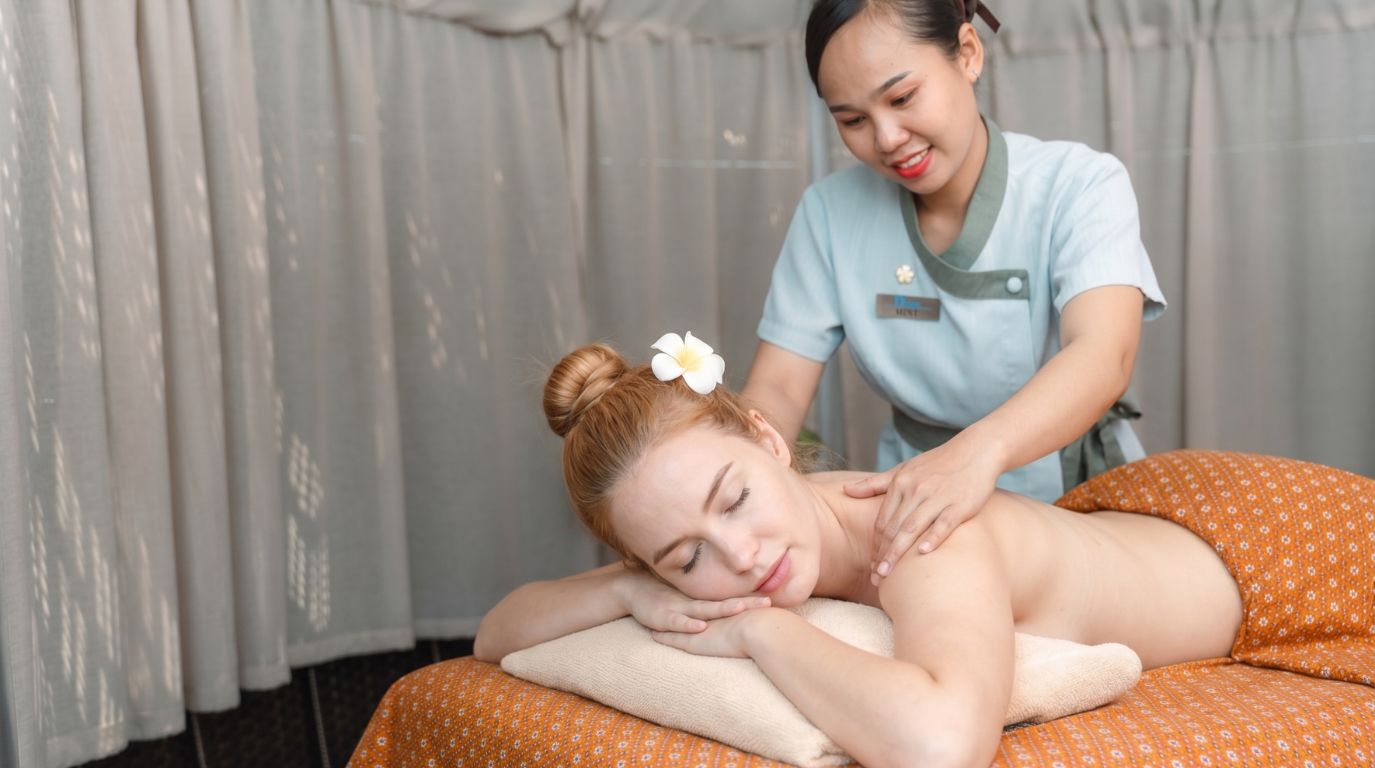
Several riverside wellness locations now offer spa treatments with peaceful river view of Can Tho landscapes, especially near upscale hotels along the Hau River. These experiences are usually quieter than spa districts in larger cities and focus more on relaxation than luxury branding.
Travelers staying longer in Can Tho often combine massage treatments with café visits or sunset walks beside the river, creating a slower travel rhythm that matches local life in the Mekong Delta.
Some spas also offer herbal treatments, hot stone massage, and traditional Vietnamese therapies designed for travelers recovering from long transportation journeys across southern Vietnam.
Hotel spa vs local wellness shops
Hotel wellness centers are generally cleaner and more comfortable for first-time travelers, especially those staying in Can Tho for several nights. However, local wellness shops often provide more affordable prices and a more authentic atmosphere.
In the heart of Can Tho, many smaller massage businesses are family-operated and mainly serve local customers rather than large tourist groups. One honest observation is that the best massage experiences in Can Tho are not always found inside luxury hotels.
Some simple local shops provide excellent service, friendly staff, and a much more relaxed atmosphere than expensive resort spas.
Where to stay in Can Tho
Best areas to stay in Can Tho for first-time travelers
For most first-time travelers visiting Can Tho, the best area to stay is around Ninh Kieu Wharf because it gives easy access to boat tours, cafés, restaurants, transportation, and the night market. This part of Can Tho city is walkable, lively during the evening, and convenient for sunrise departures to the floating market.
Hotels in this area usually range from 700,000 to 2,500,000 VND per night depending on river views, location, and comfort level. Travelers wanting quieter surroundings often choose riverside accommodation slightly outside the busy center.
Riverside hotels near Ninh Kieu Wharf
Riverside hotels remain one of the most popular accommodation choices in the Mekong Delta because many rooms overlook the Hau River and evening boat traffic. Staying near the river also allows travelers to enjoy cooler evening walks and café culture after long sightseeing days.
Mid-range riverside hotels in Can Tho normally cost between 900,000 and 2,000,000 VND per night, while premium river-view properties can exceed 3,500,000 VND during holidays and weekends.
Boutique resorts, homestays and local Mekong Delta stays
Travelers wanting a slower Mekong Delta experience often choose boutique resorts, garden homestays, or canal-side accommodation around Phong Dien and nearby countryside villages. These places focus more on local lifestyle, tropical gardens, canal views, and peaceful surroundings rather than nightlife.
Homestay prices usually range from 400,000 to 1,200,000 VND per night depending on comfort and included meals. Some boutique eco-resorts also organize cycling tours, canal boat trips, and local cooking experiences for guests.
Victoria Can Tho, Azerai and luxury riverside accommodation
Victoria Can Tho Resort and Azerai Can Tho are among the best-known luxury stays in the region. These resorts attract travelers looking for private river settings, spa services, swimming pools, and high-end Mekong Delta experiences.
Prices typically start from 3,500,000 to 8,000,000 VND per night depending on room category and season.
Budget hotels in the centre of Can Tho
Budget hotels are widely available in the centre of Can Tho, especially near local markets and smaller streets behind Ninh Kieu Wharf. Backpacker hotels and simple guesthouses often cost between 250,000 and 600,000 VND per night.
One honest observation is that some smaller family-run hotels may offer better local hospitality and food recommendations than larger commercial properties.
Laundry service in Can Tho
Hotel laundry vs local laundry shops
Most travelers staying in Can Tho will find laundry services easily available across the centre of Can Tho, especially near Ninh Kieu Wharf and popular hotel areas. Many tho hotel properties provide in-house laundry service, but prices are usually higher because clothing is charged per item instead of by weight.
Hotel laundry is more convenient for short stays, while local laundry shops are often a better option for backpackers and long-term travelers moving around southern Vietnam. Local washing shops usually charge between 25,000 and 45,000 VND per kilogram depending on drying methods and turnaround time.
Some tourist areas also offer express cleaning services for travelers needing clothes returned on the same day.
Same-day laundry near Ninh Kieu
Several family-run laundry businesses near Ninh Kieu provide same-day laundry if clothes are dropped off early in the morning. This service is especially useful for travelers planning boat tours, motorbike trips, or long transportation routes through the Mekong Delta.
Some smaller shops even provide pickup and delivery directly to hotels in Can Tho city through messaging apps or local phone contact.
Laundry tips during humid weather
Because the Mekong Delta has a tropical climate with high humidity throughout much of the year, drying times can sometimes take longer during rainy months. Travelers should confirm whether clothes will be machine-dried or air-dried before leaving valuable items at local shops.
One honest observation is that cheaper laundry places occasionally mix clothing from multiple customers together, so delicate fabrics or expensive travel clothing are usually safer at higher-quality shops or hotel services.
Laundry services may not seem important when planning a trip, but for travelers spending several days in Can Tho, clean clothes and comfortable packing routines quickly become part of a much better travel experience.
Suggested Can Tho itinerary for 1 to 3 days
One day in Can Tho
If you only have one day in Can Tho, the best plan is to focus on the classic Mekong Delta experience. Start before sunrise with a boat trip to Cai Rang Floating Market, where local traders gather on the river with fruit, coffee, noodle soup, and fresh produce.
Many tours also include a small canal route, noodle factory visit, and rice paper workshop after the floating market. In the afternoon, travelers can explore Ninh Kieu Wharf, riverside cafés, and local street food markets before ending the evening beside the Hau River. For short trips, this route gives a good introduction to daily life in the Mekong Delta.
Two days in Can Tho
Two days in Can Tho allows travelers to slow down and explore more than the main tourist attractions. Day one can focus on Cai Rang Floating Market and the city center, while day two works better for countryside experiences around Phong Dien.
Visitors can travel through smaller canals, visit local fruit farms, and enjoy quieter village areas away from the busy center. This type of Vietnam itinerary is ideal for travelers wanting a more personal connection with local life instead of rushing between attractions.
Many tourist visitors also enjoy spending extra time at riverside cafés, night markets, and slower evening walks after returning from canal tours.
Three-day Mekong Delta itinerary
A three-day trip to Can Tho creates enough time to experience both the city and nearby destinations beside Can Tho. Travelers can combine floating markets, historical sites, food tours, countryside cycling, and smaller river communities into one slower Mekong Delta route.
Some people also visit Con Au Island or continue toward Ben Tre (Vietnamese: Bến Tre), Chau Doc (Vietnamese: Châu Đốc), or Soc Trang (Vietnamese: Sóc Trăng) after exploring Can Tho city. One honest observation is that the Mekong Delta becomes far more rewarding when travelers avoid trying to see everything too quickly.
Spending extra time around canals, villages, and riverside areas often creates the best memories of southern Vietnam.
Nearby destinations beside Can Tho
Several nearby destinations beside Can Tho are worth considering for travelers with flexible schedules. Ben Tre is famous for coconut farms and peaceful canals, while Chau Doc offers cultural diversity and river landscapes near the Cambodian border. These places help travelers see a broader side of the Mekong Delta beyond the main tourist route.
Read more: Chau Doc Travel Guide 2026: Things to Do, Food & How to Get There
Travel tips before you visit Can Tho
Tourist mistakes and local etiquette
Many first-time travelers visiting Can Tho make the mistake of treating the Mekong Delta like a fast day trip instead of a slower cultural experience. One of the best ways to enjoy Can Tho and the Mekong Delta region is by allowing extra time for river life, cafés, floating markets, and countryside canals instead of rushing between attractions.
Local people in southern Vietnam are generally friendly and relaxed, but polite behavior still matters. Simple gestures such as greeting shop owners, speaking calmly, and respecting local homes during village tours create a much better experience.
Boat tour scams and practical travel tips
Boat tours are one of the main reasons travelers visit Can Tho, but prices can vary depending on where tours are booked. Around Ninh Kieu Wharf, some tourist sellers may charge higher rates for private boats without clearly explaining the itinerary. Travelers should confirm before paying:
- departure time
- floating market route
- canal stops
- fruit garden visits
- total boat duration
One honest local tip is that smaller boats often provide a more personal Mekong Delta experience than larger tourist groups.
Cash, weather and transportation advice
Although digital payments are becoming more common in Vietnam, cash is still useful in local markets, cafés, and countryside villages around Can Tho. ATMs are easy to find inside the city center, but smaller canal areas may not accept foreign cards.
Because the area of Can Tho has a tropical climate, lightweight clothing, sunscreen, and mosquito spray are helpful throughout the year. Transportation inside the city is relatively simple with Grab, taxis, and motorbike rentals widely available.
However, travelers should avoid expecting nightlife or luxury shopping on the same scale as Ho Chi Minh City.
Honest reasons why travelers enjoy Can Tho
One reason many people enjoy travel to Can Tho is the slower atmosphere compared to other destinations in Vietnam. The combination of floating markets, local life, river culture, cafés, and canals creates a more personal experience that feels connected to everyday southern Vietnamese culture.
Travelers who slow down and spend time exploring smaller waterways often see a side of the Mekong Delta that many rushed tours completely miss.
