

If you are searching for a quieter beach destination in Vietnam without the nonstop traffic and crowded nightlife of larger tourist hotspots, Quy Nhon may surprise you.
This coastal city along central Vietnam has slowly become one of the most interesting destinations in Vietnam for travelers who want long beaches, fresh seafood, local culture, and a slower daily rhythm.
Unlike places that feel heavily commercialized, Quy Nhon still keeps much of its local atmosphere, especially in the fishing areas, small seafood streets, and morning markets near the beach.
This Quy Nhon travel guide 2026 focuses on practical experiences for first-time travelers visiting Vietnam. You will find information about beaches, transportation, food, accommodation, local culture, and the best areas to stay around the city.
Many people travelling Vietnam now compare Quy Nhon with Da Nang or Nha Trang, but the feeling here is very different. The roads are calmer, seafood prices are usually more reasonable, and the coastline feels less crowded during most months of the year.
From Ky Co Beach and Eo Gio to local seafood restaurants and coastal cafés, Quy Nhon gives you a more relaxed side of central Vietnam while still offering enough activities for a memorable beach trip.
Why Quy Nhon is becoming popular in Vietnam?
Over the last few years, Quy Nhon has slowly moved from a lesser-known beach destination into one of the rising coastal cities in Vietnam for travelers looking for a quieter experience. Many people first discover Quy Nhơn while comparing Da Nang or Nha Trang, especially when searching for beaches that still feel more local and less commercial.
Unlike some tourist hotspots where large beach resorts and nightlife dominate the coastline, Quy Nhon city still keeps a calmer atmosphere that feels connected to everyday life in Bình Định Province.
One reason more travelers are choosing Quy Nhon is its location along Vietnam’s central coast. The city sits between several major travel routes, making it easier to combine with other destinations in Vietnam such as Hoi An, Da Nang, or Nha Trang.
Domestic flights into nearby Phu Cat Airport have also increased, helping more people reach this part of Vietnam without complicated transportation. For travelers exploring the central coast of Vietnam, Quy Nhon has become an attractive stop for beaches, seafood, and road trips through smaller fishing areas around Nhơn Lý and nearby coastal villages.

Another reason this coastal city is gaining attention is the balance between nature and affordability. Hotel prices are often lower than in larger beach cities, seafood remains reasonably priced, and the beaches around Quy Nhon still feel more open during most seasons.
Some local travelers even describe certain beaches here as a “paradise in Vietnam” because of the blue water, quieter coastline, and slower pace compared with busier tourism areas.
What makes Quy Nhon different is not only the scenery but also the atmosphere. This part of Vietnam still feels more connected to local culture, fishing communities, and daily life in Bình Định rather than large-scale tourism development.
| Category | Quy Nhon beach | Da Nang beach |
| Overall atmosphere | Quieter and more local with a slower daily rhythm | More developed with larger tourism infrastructure |
| Beach style | Long open coastline with fewer crowds | Wide urban beaches with busy tourist areas |
| Best for | Relaxation, seafood, coastal road trips | Nightlife, resorts, convenience |
| Crowd level | Usually calmer except Vietnamese holidays | Busy throughout most of the year |
| Water color | Clear blue water around Ky Co and Bai Xep | Cleaner during dry season but busier near the city |
| Famous beach areas | Ky Co Beach, Bai Xep, Quy Hoa | My Khe Beach, Non Nuoc Beach |
| Local feeling | Stronger local atmosphere in fishing areas | More international tourism environment |
| Seafood prices | Generally cheaper and more local | Higher pricing near tourist streets |
| Nightlife | Smaller beach cafés and seafood spots | Rooftop bars, clubs, night beach activities |
| Transportation | Smaller airport and fewer direct flights | Easier international access |
| Beach photography | Coastal cliffs, fishing villages, rocky coastline | Long sandy urban beach views |
| Resort options | Boutique stays and quieter beach resorts | Large luxury resorts and international chains |
| Motorbike experience | Scenic coastal roads around Eo Gio and Nhon Ly | Easier city riding but more traffic |
| English support | Limited in some local areas | More English-friendly services |
| Travel pace | Better for slow travel | Better for active city + beach trips |
| Typical traveler | Couples, food lovers, relaxed beach travelers | Families, resort travelers, nightlife seekers |
2. Top things to do in Quy Nhon
Cham towers, Champa history and cultural’ Quy Nhon
Beyond the beaches and seafood, Quy Nhon also has a strong connection to the history of the ancient Champa civilization. Many travelers focus only on coastal attractions when visiting Qui Nhon, but Binh Dinh Province actually contains some of the most important Cham towers in central Vietnam. These historical sites give the region a very different atmosphere compared with modern beach destinations.
The Cham people once controlled large parts of central Vietnam for centuries, leaving behind temples, stone carvings, and religious architecture across the coastline. Around Quy Nhơn city and nearby districts, several towers still remain standing today.
Thap Doi — The Twin Towers of Quy Nhon
Thap Doi, also known in English as the Twin Towers, is one of the easiest Cham attractions to visit because it sits close to the city center. The towers were built between the 11th and 12th centuries during the height of the Champa civilization.

Unlike some isolated temple ruins in Vietnam, Thap Doi stands directly inside an urban area surrounded by local streets and gardens. The architecture combines red brick construction with detailed stone carvings influenced partly by Khmer culture.
Visiting during late afternoon usually feels more comfortable because temperatures become cooler and sunlight softens across the towers.
Banh It Towers
Banh It Towers is one of the most historically significant Cham tower complexes near Qui Nhon. The towers sit on a hill outside the city and overlook rice fields, villages, and sections of the central coastline.
The name “Bánh Ít” comes from the shape of the towers, which locals believed resembled a traditional Vietnamese sticky rice cake. Compared with Thap Doi, this site feels quieter and more atmospheric because of its elevated location and surrounding countryside.
Why Champa history matters in Quy Nhon?
The Cham towers are more than simple photo spots. They represent an important part of Vietnam’s cultural history before modern national borders were formed. Travelers interested in architecture, religion, and Southeast Asian history often find these sites surprisingly memorable.
One honest observation is that many international travelers skip these historical areas completely because beach tourism dominates online travel content about Quy Nhon. However, the combination of coastal scenery and Champa heritage is actually what makes this part of Vietnam feel culturally different from many other beach cities.
Visit Bai Xep for a quieter beach atmosphere
Bai Xep has become one of the more relaxed beach areas near Quy Nhon, especially for travelers looking for slower mornings and smaller seaside cafés. Compared with the busier beaches closer to the city center, Bai Xep feels more peaceful, with fewer buildings directly facing the ocean.

The area is known for golden sunlight during late afternoon and calm sea views during the dry season.
Several small homestays and cafés now sit along the coastline, but the area still keeps much of its fishing village atmosphere. Early in the morning, you can still see local boats returning with seafood while people prepare baskets near the beach.
This combination of local life and quieter scenery is one reason many travelers now include Bai Xep in their Quy Nhon itinerary.
Try snorkeling and island boat tours
The islands near Quy Nhon have slowly become more popular for snorkeling and short island-hopping trips. Many local tours leave from Nhon Ly or nearby fishing ports and stop near coral areas with relatively clear water during sunny months.
While the snorkeling here may not feel as developed as larger island destinations in Vietnam, the experience is usually calmer and less commercialized.
Boat trips often include seafood lunches, swimming stops, and time near smaller beaches away from the city. Around some rocky coastal sections, you can also see natural cliff formations and shallow coral reefs close to shore. The water conditions are usually best between March and August.
Watch sunset along Xuan Dieu coastal road
One simple activity many travelers enjoy in Quy Nhon is walking or riding along Xuan Dieu Road during sunset. The long beachfront boulevard connects several cafés, seafood restaurants, and local parks facing the sea.
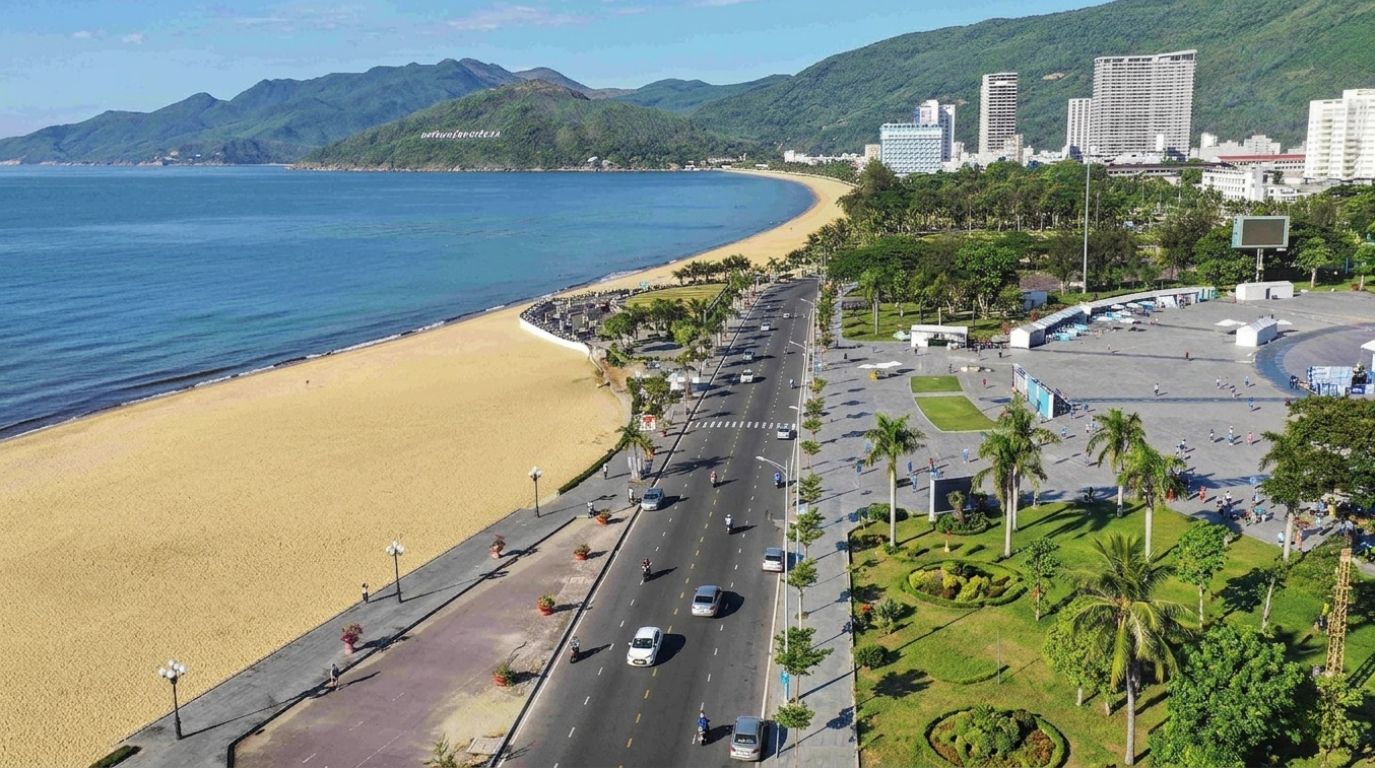
Unlike larger tourism cities where traffic often dominates the coastline, the beach road in Quy Nhon still feels relatively open during most evenings.
Locals gather here after work to exercise, drink coffee, and eat street snacks near the beach. The atmosphere becomes especially comfortable around sunset when the light reflects across the water and fishing boats slowly return toward shore.
Best beaches in Quy Nhon
One of the biggest reasons travelers come to Quy Nhon is the coastline. Compared with larger beach cities in Vietnam, many beaches here still feel quieter and less developed. Some areas have long stretches of white sand with very few buildings nearby, while others sit beside fishing villages, rocky cliffs, and smaller island areas.
The variety of beaches around Quy Nhon makes the city attractive for travelers who enjoy photography, swimming, seafood, and coastal road trips.
Ky Co Beach
Ky Co Beach is the most famous beach near Quy Nhon and is often promoted online as the “Maldives of Vietnam” because of its clear blue water and bright white sand. The beach sits south of Quy Nhon near Nhon Ly and is usually reached by road or short boat trips depending on weather conditions.
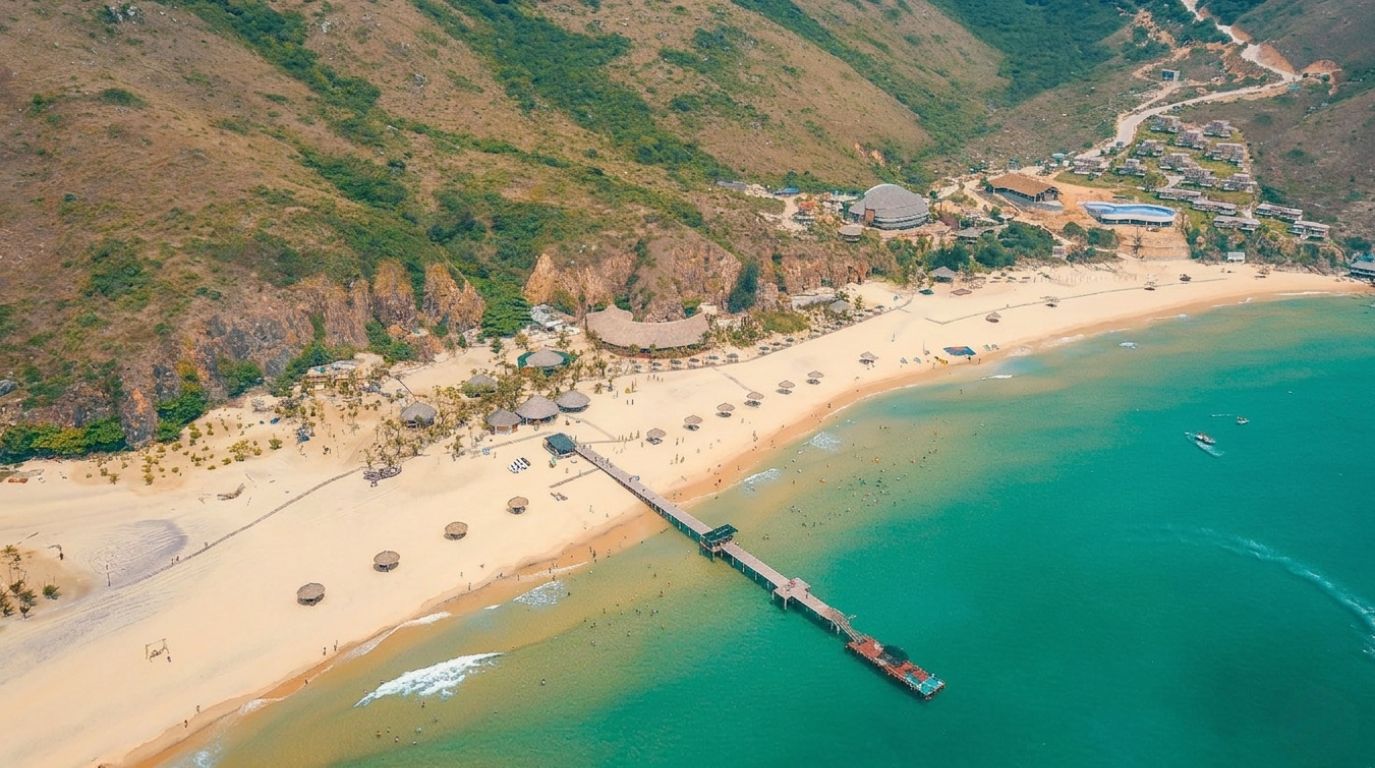
The water here becomes especially beautiful during sunny mornings between March and August. Many travelers come for swimming, sea views, and snorkeling and diving activities around the rocky coastline.
Some shallow coral reefs can still be seen near certain sections of the beach, although weather and tourism activity may affect water clarity during busy periods.
Ky Co Beach is most crowded during weekends and Vietnamese holidays, so weekday mornings usually feel more comfortable for photography and swimming.
Bai Xep Beach
Bai Xep offers a different atmosphere compared with larger beaches closer to the city. Instead of wide tourism developments, Bai Xep feels smaller, quieter, and more connected to local life. The beach is surrounded by hills, small fishing areas, and cafés facing the sea.
Many travelers stay here for a slower beach experience away from Quy Nhon city center. The sea is calmer during the dry season, and sunrise light over the coastline makes Bai Xep popular for photography.
The relaxed atmosphere is one reason this area has become increasingly known among travelers searching for pristine beaches in central Vietnam.
Quy Hoa Beach
Quy Hoa Beach is one of the quieter beaches near Quy Nhon, especially during weekdays. The coastline here feels more peaceful because fewer tour groups stop in the area. The road leading toward the beach passes smaller local neighborhoods and sea-facing hills, giving the area a slower rhythm compared with busier tourist zones.
This beach is often appreciated for calm sea views and morning walks rather than water sports. Early mornings are especially comfortable when local fishermen prepare boats along the shore.
Hon Kho island
Hon Kho Island is popular for snorkeling, shallow coral areas, and small island boat trips. During low tide, a sand path sometimes appears between sections of the island, creating one of the more photographed coastal scenes near Quy Nhon.
The water around Hon Kho is generally clearer during dry months, making it one of the better locations for snorkel activities near the city. Local tours often combine the island with seafood lunches and short fishing village visits nearby.

Hoang Hau Beach (Queen’s Beach)
Hoang Hau Beach, also called Queen’s Beach, is one of the more unique beaches near Quy Nhon because of its rounded stone formations instead of long soft sand. The beach sits near Ghenh Rang and became associated with Queen Nam Phuong during the Bao Dai period, which is why many locals still call it Hoang Hau Beach.
Unlike Ky Co Beach, this area is more about scenery and sea views than swimming. The smooth egg-shaped rocks along the shoreline create a different coastal landscape that feels especially photogenic during sunrise and sunset. Early morning is usually the best time to visit because the light reflects nicely across the stones and ocean.
Trung Luong Beach
Trung Luong Beach is located south of Quy Nhon near the road toward Nhon Ly. The area became popular thanks to its camping-style beach setting surrounded by hills and open coastline. Compared with beaches inside the city, Trung Luong feels more isolated and peaceful.
Travelers often stop here during coastal motorbike trips because of the sea views along the road. The beach is best during dry months when the water becomes clearer and calmer.
Bai Rang Beach
Bai Rang Beach is a smaller local beach near Bai Xep that still keeps much of its fishing atmosphere. You can often see round basket boats near the shoreline and seafood restaurants preparing fresh catches during the afternoon.
The beach itself is not heavily commercialized, which makes it attractive for travelers who prefer quieter coastal areas away from tourist hotspots.
Hon Seo and smaller island beaches
Hon Seo is less famous than Ky Co Beach but offers cleaner water and smaller coral areas during good weather. Many local boat trips stop here for snorkeling and diving activities because the surrounding water can become surprisingly clear during summer months. The island atmosphere feels more natural and less crowded, especially outside Vietnamese holiday periods.
Local food and seafood in Quy Nhon
One of the best parts of visiting Quy Nhon is the food. Compared with larger tourist cities in Vietnam, meals here still feel strongly connected to local daily life rather than international tourism.
Seafood restaurants open early in the morning near the beach, small family kitchens serve traditional dishes for generations, and evening streets around downtown Quy Nhon become lively with local diners instead of large tourist crowds.
The food culture here reflects both the fishing lifestyle of Bình Định and the strong influence of central Vietnamese cooking. Many dishes combine fresh seafood, herbs, rice paper, dipping sauces, and grilled ingredients with lighter flavors than southern Vietnamese food.
Vietnamese sizzling shrimp pancake
One of the most famous local food dishes in Quy Nhon is bánh xèo tôm nhảy. In English, this dish is often described as a Vietnamese sizzling shrimp pancake. The batter is made from rice flour and turmeric, then cooked in small hot pans until crispy around the edges.
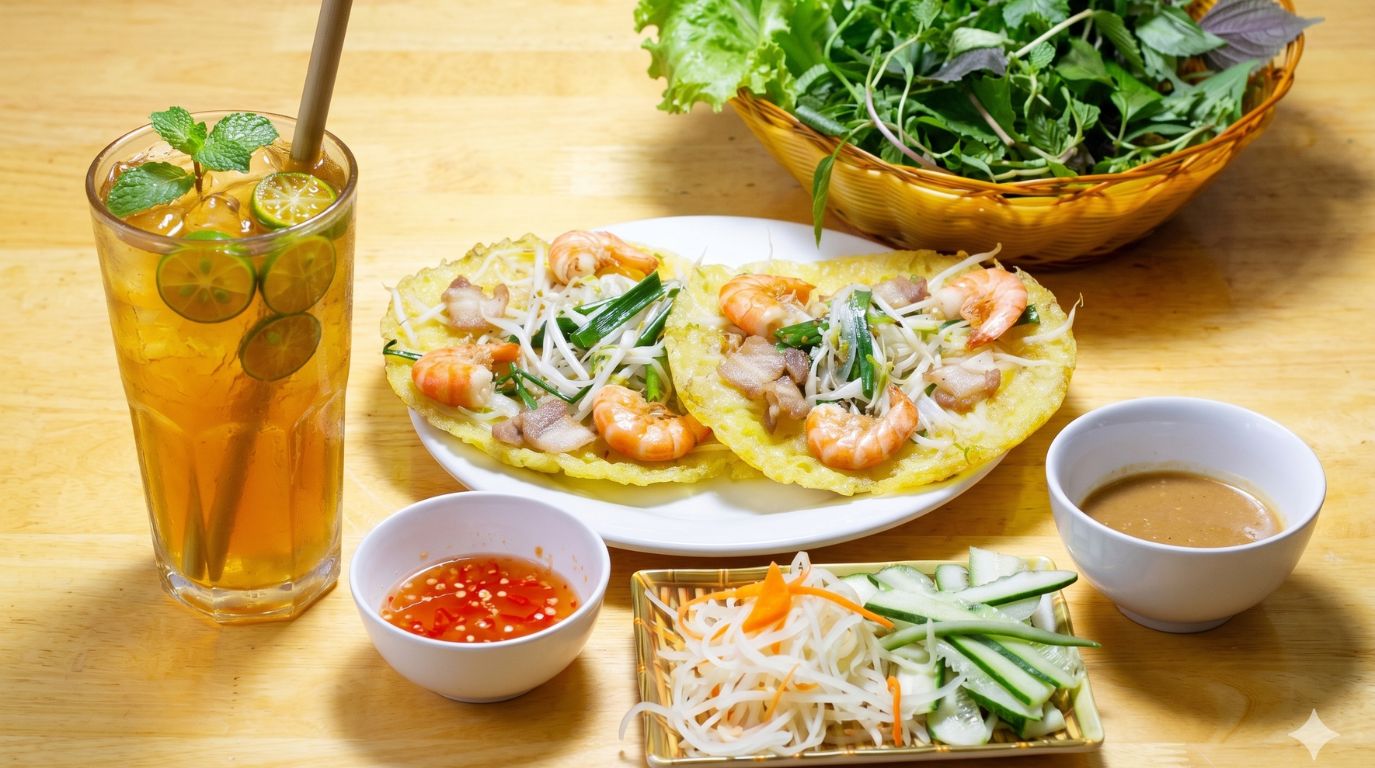
The phrase “tôm nhảy” literally means “jumping shrimp,” referring to the fresh small shrimp used in the pancake. Locals usually wrap pieces of bánh xèo inside rice paper with herbs and lettuce before dipping everything into sweet fish sauce.
Near the city center and local residential areas, many restaurants still cook the pancakes fresh directly in front of customers.
Fish cake noodle soup
Fish cake noodle soup is one of the most common breakfast dishes in Quy Nhon and throughout central Vietnam. In English, it can be explained as fish cake noodle soup. The broth is usually lighter and cleaner than northern Vietnamese noodle soups, with flavors coming mainly from fish bones, pineapple, onions, and local spices.
The fish cakes are made from fresh coastal fish and often grilled or steamed before being added into the bowl. Many travelers are surprised by how fresh and balanced the soup tastes, especially near seafood neighborhoods and fishing village areas around Quy Nhon.
Thin rice woven noodles with pork organs
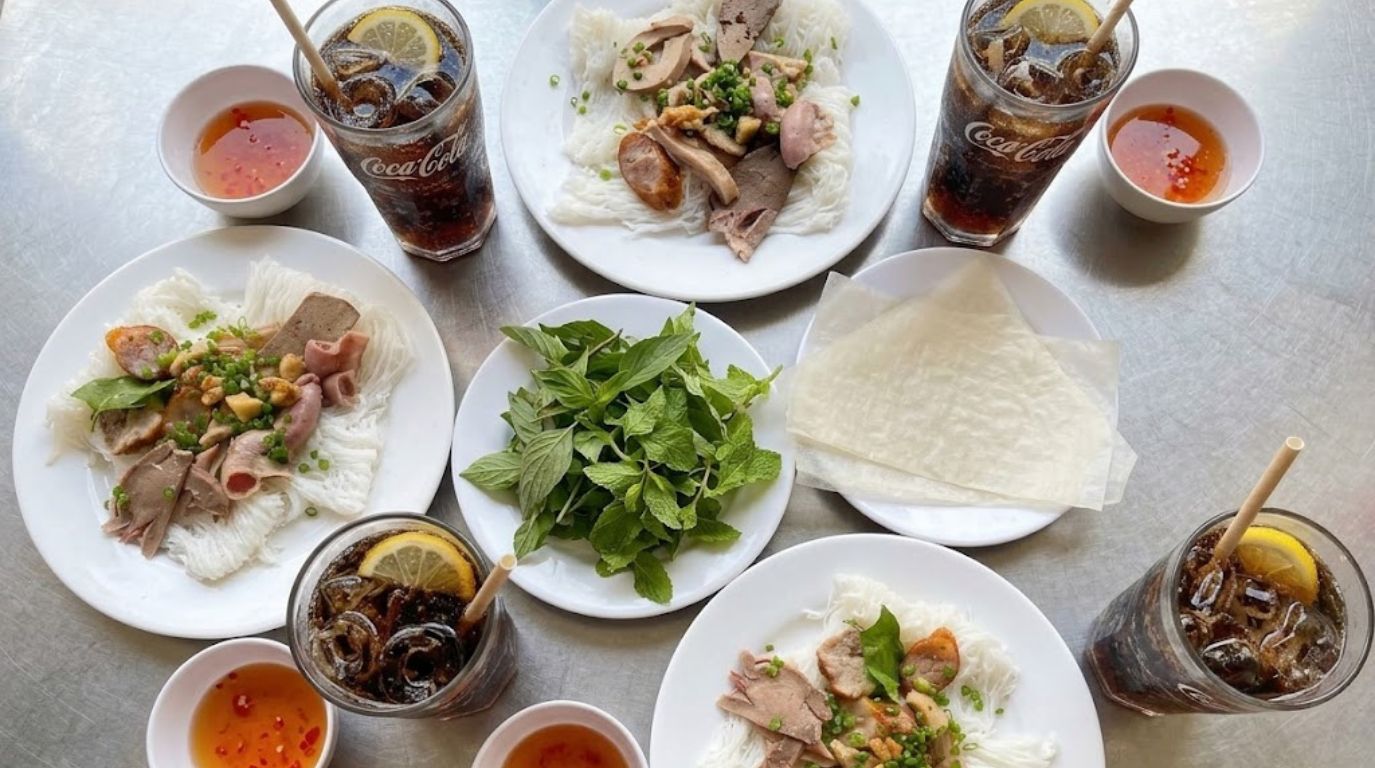
Another traditional dish connected strongly to Bình Định culture is Thin rice woven noodles with pork organs. In English, it is often described as thin woven rice noodles served with pork organs and herbs.
The noodles themselves are extremely thin and arranged into soft layered sheets brushed lightly with oil and scallion. The dish is commonly served with sliced pork, intestines, liver, fresh vegetables, and dipping sauce.
While some international travelers may hesitate because of the pork organs, many locals consider this one of the most traditional breakfast dishes in the region.
Quy Nhon fish cake
Quy Nhon fish cake is one of the most famous specialties from the region. In English, it can be described as Quy Nhon-style fish cake. Fresh fish such as mackerel or barracuda is ground by hand, seasoned lightly, then shaped into cakes before being steamed, fried, or grilled.
Unlike some processed fish cakes found in tourist areas, the texture here is firmer and tastes noticeably fresher. Locals eat chả cá with noodle soup, bánh mì sandwiches, rice, or dipping sauce with chili and garlic. Many travelers also buy vacuum-packed fish cakes as food gifts before leaving Quy Nhon.
Fish noodle soup
Bún cá Quy Nhơn is different from fish noodle soups in Hanoi or southern Vietnam. The broth is usually lighter, clearer, and slightly sweet from simmered fish bones and pineapple.
The bowl normally includes fresh herbs, rice noodles, fish cakes, and slices of fish with chili paste served on the side. Breakfast restaurants around downtown Quy Nhon become crowded early in the morning because locals often eat this dish before work.
Fermented pork rolls
Fermented pork rolls is a traditional Binh Dinh snack made from fermented pork wrapped in banana leaves. The flavor is slightly sour, salty, and spicy at the same time.
This dish is especially popular with local beer and often appears during family gatherings or evening drinking sessions. Travelers unfamiliar with fermented Vietnamese food may find the taste unusual at first, but it is one of the classic specialties from the region.
Sticky rice cake with black leaf dough
Sticky rice cake with black leaf dough is one of the most traditional desserts in Bình Định Province. The cake is made from sticky rice flour mixed with “lá gai” leaves, creating a dark black color and soft chewy texture.
Inside, there is usually sweet mung bean paste mixed with coconut. The cakes are wrapped carefully in banana leaves and commonly sold in local markets around Quy Nhon.
Crab noodle soup
Crab noodle soup is another lesser-known local dish made with small freshwater crabs. The broth has a richer seafood flavor compared with regular fish noodle soup and is often served with herbs, peanuts, and chili. This dish feels more local than tourist-oriented, and some smaller restaurants only prepare it during morning hours.
Where to stay in Quy Nhon
Choosing where to stay in Quy Nhon depends mostly on the type of beach experience you want. Some travelers prefer the convenience of Quy Nhon city center, while others look for quieter accommodation near the coast and fishing villages outside the main urban area.
For first-time travelers, downtown Quy Nhon is usually the most practical area. Staying near the beach road gives you easy access to seafood restaurants, cafés, local markets, and transportation around the city.
Many hotels in Quy Nhon city center are within walking distance of the beach, making the area convenient for short stays and evening walks. Compared with larger tourism cities in Vietnam, hotel prices here are often more affordable while rooms remain modern and comfortable.
If you want a quieter atmosphere, Bai Xep has become one of Quy Nhon’s most popular beach areas for slow travel. The accommodation here includes smaller homestays, boutique hotels, and sea-facing cafés built close to the coastline.
Many travelers who stay in Quy Nhon choose Bai Xep because the area feels more peaceful than the busy city center.
Several beach resort options are also located south of Quy Nhon near Ky Co and Nhon Ly. These resorts focus more on sea views, swimming pools, and private beach access rather than nightlife or shopping. For couples and relaxed beach holidays, this side of the coastline often feels calmer.
One honest observation is that Quy Nhon still has fewer luxury international hotel brands compared with Da Nang or Nha Trang. However, many travelers actually prefer this because the city keeps a more local atmosphere instead of feeling overly commercialized.
How to get to Quy Nhon from Saigon & Hanoi?
Traveling to Quy Nhon has become easier over the last few years thanks to more domestic flights, better highways, and regular train connections along Vietnam’s central coast. Most first-time travelers arrive from either Ho Chi Minh City or Hanoi depending on their Vietnam itinerary.
Flight from Saigon to Quy Nhon
Flying is the fastest and most comfortable way to travel from Ho Chi Minh City to Quy Nhon. Daily domestic flights connect Saigon with Phu Cat Airport, and the flight time is usually around 1 hour and 10 minutes.
After landing, travelers normally take a shuttle bus, taxi, or private car into Quy Nhon city center. The airport sits outside the city, so transportation from the terminal to the beach area takes roughly 40–50 minutes depending on traffic.
For short beach holidays, flights are usually the most practical option.
Train from Saigon to Quy Nhon
The Reunification Express train route from southern Vietnam to Bình Định is popular with travelers who enjoy slower journeys and coastal scenery. Trains stop at Dieu Tri Railway Station (Vietnamese: ga Diêu Trì) before continuing north.
The journey from Saigon takes around 10–13 hours depending on train type. Soft sleeper cabins are normally more comfortable for overnight trips. From Dieu Tri Station, taxis can bring you into downtown Quy Nhon within about 25 minutes.
One advantage of train travel is the ability to see more of Vietnam’s central coast along the route.
Bus from Saigon to Quy Nhon
Sleeper bus companies operate daily between Ho Chi Minh City and Quy Nhon. The trip usually takes around 11–14 hours depending on traffic and highway conditions.
Bus tickets are cheaper than flights, making this a common option for budget travelers. Some limousine sleeper buses offer larger seats and better air conditioning than standard overnight buses.
However, long bus rides in Vietnam can feel tiring if you are not used to overnight transportation.
Taxi or private car from Saigon
Private car transportation from Saigon to Quy Nhon is possible but mainly suitable for travelers planning a longer road trip through coastal Vietnam. The drive can take more than 12 hours, so many people stop in places like Nha Trang or Phu Yen along the way.
This option gives more flexibility for photography stops and smaller beach destinations near Quy Nhon.
Flight from Hanoi to Quy Nhon
Flights from Hanoi to Phu Cat Airport are one of the easiest ways to reach Quy Nhon from northern Vietnam. Direct flights usually take around 1 hour and 40 minutes.
Because Hanoi sits much farther north, flying saves significant travel time compared with train or bus routes.
Train from Hanoi to Quy Nhon
Travelers who enjoy long-distance rail journeys sometimes choose the train from Hanoi to Dieu Tri Station. The route passes many major destinations including Da Nang, Hue, and smaller coastal provinces throughout Vietnam.
The trip can take more than 20 hours, so sleeper cabins are strongly recommended.
Bus from Hanoi to Quy Nhon
Long-distance sleeper buses from Hanoi to Quy Nhon exist, but the travel time is extremely long and may exceed 24 hours. Most international travelers prefer flights instead.
Taxi or private car from Hanoi
Private transportation from Hanoi to Quy Nhon is generally only realistic for extended Vietnam road trips. Because of the distance, travelers usually combine several destinations such as Ninh Binh, Da Nang, Hoi An, and Nha Trang before reaching Quy Nhon.
Best time to visit Quy Nhon in 2026
The best time to visit Quy Nhon is usually between March and August, when the weather along the central coast of Vietnam becomes sunnier, drier, and more suitable for beach activities.
During these months, the sea is calmer, the sky stays clearer, and places like Ky Co, Bai Xep, and Eo Gio show their best colors with bright blue water and white sand.

April to July is especially popular for swimming, snorkeling, island boat tours, and coastal photography because the sea views are generally clearer during this period. The roads around Quy Nhon also become more comfortable for motorbike trips along the coast.
The rainy season normally begins around September and can continue into December. Heavy rain does not happen every day, but tropical storms sometimes affect the central coast, especially during October and November. Stronger waves and cloudy weather may reduce visibility at beaches and coral areas near Quy Nhon during these months.
January and February can still be pleasant for travelers who prefer cooler temperatures and fewer crowds, although the sea may not always look as clear as during peak dry season.
One useful travel tip is to avoid major Vietnamese public holidays if you want quieter beaches and lower hotel prices. During local holidays, beach areas and seafood restaurants can become much busier with domestic travelers from nearby cities.
If you plan your visit mainly for beach time, sea activities, and photography, the dry season between spring and summer usually offers the most reliable weather conditions in Quy Nhon.
Quy Nhon nightlife and cafés
Nightlife in Quy Nhon feels very different from larger beach cities like Da Nang or Nha Trang. Instead of loud entertainment districts and crowded nightclubs, evenings here are more relaxed and connected to local daily life. Many travelers enjoy Quy Nhon because the atmosphere after sunset still feels calm, especially near the beach and coastal roads around the city center.
One of the most popular evening activities is simply walking along Xuan Dieu Beach Road. The long seaside boulevard becomes lively after sunset as local families, students, and couples gather near the ocean. Small cafés, street food stalls, and seafood restaurants stay busy during the evening while the sea breeze cools the coastline.
Beach cafés and sea-view coffee shops
Café culture has grown quickly in Quy Nhon over the last few years. Many younger Vietnamese travelers now search for sea-view cafés around the city because the atmosphere feels quieter and less commercialized than larger tourism destinations.
Several cafés near downtown Quy Nhon offer open-air seating facing the beach, especially around the central coastline. During sunset hours, these places become popular for coffee, photography, and relaxed conversations while watching fishing boats move slowly across the water.
Vietnamese coffee culture remains an important part of the local experience here. Strong iced milk coffee, coconut coffee, fruit tea, and yogurt drinks are common menu choices in smaller cafés around the city.
Seafood nightlife near the beach
Seafood is one of the biggest parts of nightlife in Quy Nhon. Instead of bars and clubs, many locals spend evenings eating fresh seafood near the beach with friends and family. Open-air seafood restaurants become especially active after 6 PM, when tanks filled with crab, lobster, squid, oysters, and shellfish are placed outside for customers to choose directly.
Some of the best seafood spots are not located in luxury restaurant areas but along smaller roads around the city and fishing neighborhoods. Plastic tables, local beer, grilled seafood smoke, and ocean wind create a very different travel experience compared with formal dining environments.
Quiet bars and local evening atmosphere
Although Quy Nhon does not have a major party scene, there are still a few rooftop lounges, beach bars, and live music cafés around the city center. Most places focus more on relaxed drinks and sea views rather than loud nightlife.
One honest observation is that travelers looking for nonstop nightlife may prefer Da Nang or Ho Chi Minh City instead. However, for many people, Quy Nhon’s slower evening atmosphere becomes one of the most memorable parts of staying here.
Laundry service and travel essentials in Quy Nhon
Most travelers staying in Quy Nhon for several days eventually need practical services such as laundry, SIM cards, cash withdrawal, or transportation support. Compared with larger tourism cities in Vietnam, services here are simpler but usually more affordable.
Laundry service is easy to find around the city center, especially near beach roads, local hotels, and backpacker accommodation areas. Small family-run laundry shops are common throughout Quy Nhon, and many hotels also provide same-day washing services for an additional fee. Prices are normally cheaper than in Da Nang or Nha Trang, although express service may cost slightly more during rainy periods.
For transportation, motorbike rental remains one of the most flexible ways to travel around Quy Nhon. Daily rental shops operate near the beach and central hotel areas, allowing travelers to explore Eo Gio, Ky Co Beach, Bai Xep, and fishing villages at their own pace.
Roads are generally calmer than Ho Chi Minh City, but wearing a helmet and checking brakes before renting are important travel tips in Vietnam. Local buses exist inside the city, but most international travelers prefer taxis, Grab, or private drivers because routes can feel confusing if you do not speak Vietnamese.
For longer routes outside the city center, private transportation is usually more comfortable during hot weather. ATM machines are available throughout Quy Nhon, especially near shopping streets and banks in central areas.
Cash is still important in smaller seafood restaurants and local cafés around Quy Nhon, so carrying some Vietnamese đồng is recommended. One honest travel experience many people notice is that English communication can still be limited in smaller local businesses.
Using Google Translate, hotel assistance, or simple Vietnamese phrases often makes daily interactions easier and more enjoyable.
Honest travel tips before visiting Quy Nhon
Before you visit Quy Nhon, it helps to understand that the city offers a very different travel experience compared with larger tourist hotspots in Vietnam. Many people arrive expecting nightlife and entertainment similar to Da Nang or Nha Trang, but Quy Nhon feels slower, quieter, and more local.
For some travelers, that becomes the best part of the trip. Others may prefer places with bigger shopping areas and more international services. One important travel tip is choosing the right area to stay in Quy Nhon.
If you prefer convenience, restaurants, cafés, and easy transportation, staying near the city center usually works best. Travelers looking for a calmer beach atmosphere often choose Bai Xep or coastal areas farther from downtown.
Motorbike rental is one of the best ways to explore around Quy Nhon, especially for beaches, fishing villages, and coastal roads. Traffic is much lighter than Ho Chi Minh City or Hanoi, but some roads near cliffs and beach areas can become windy or slippery during rainy season months.
If you are not confident riding in Vietnam, private drivers and taxis are safer choices. Another honest observation is that English is still limited in some local restaurants, seafood places, and smaller businesses.
Using translation apps or simple Vietnamese phrases can improve your experience significantly. Unlike heavily international tourism cities throughout Vietnam, Quy Nhon still depends mostly on domestic travelers.
Weather also matters more than many people expect. During rainy season, the sea can become rough and certain beach activities may close temporarily. Boat tours, snorkeling trips, and smaller island routes sometimes stop operating during bad weather conditions.
For travelers already planning routes between Hoi An and Nha Trang, Quy Nhon works very well as a quieter coastal stop. The city may not feel as polished as larger tourism centers, but many people who spend several days here end up appreciating the slower atmosphere, local seafood culture, and less crowded beaches.
