
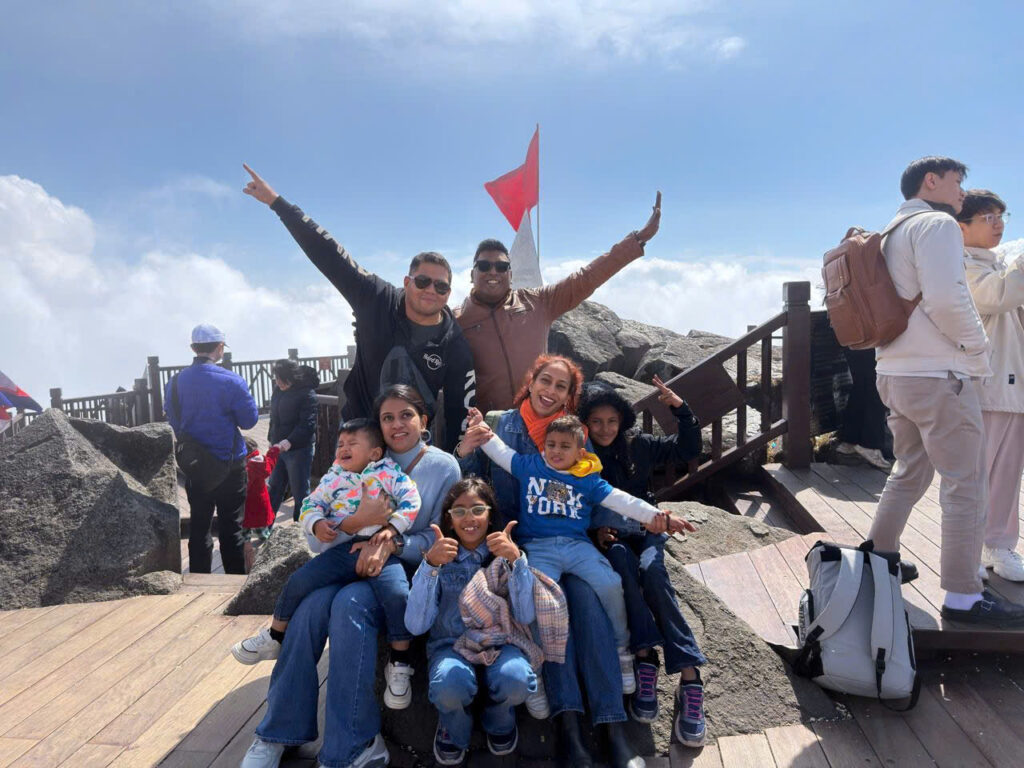
Why visit Sapa in 2026?
The first thing you notice in Sapa Vietnam (Vietnamese: Việt Nam) is the air. Even in June 2026, when I arrived from Hanoi (Vietnamese: Hà Nội) on the early sleeper bus, the temperature around Sapa Town was only 18°C at 7 a.m.
That cool climate feels completely different from the humid beaches farther south in Vietnam. Instead of palm trees and nightlife, you wake up to mountain fog, terraced hills, and the sound of roosters from a nearby village in the Sapa region of Lao Cai (Vietnamese: Lào Cai).
Many travelers visit Sapa for the rice terraces, but the real reason people return is the daily life in rural Vietnam. Sapa is home to several ethnic minorities including the H’Mông, Red Dao, and Giáy communities.
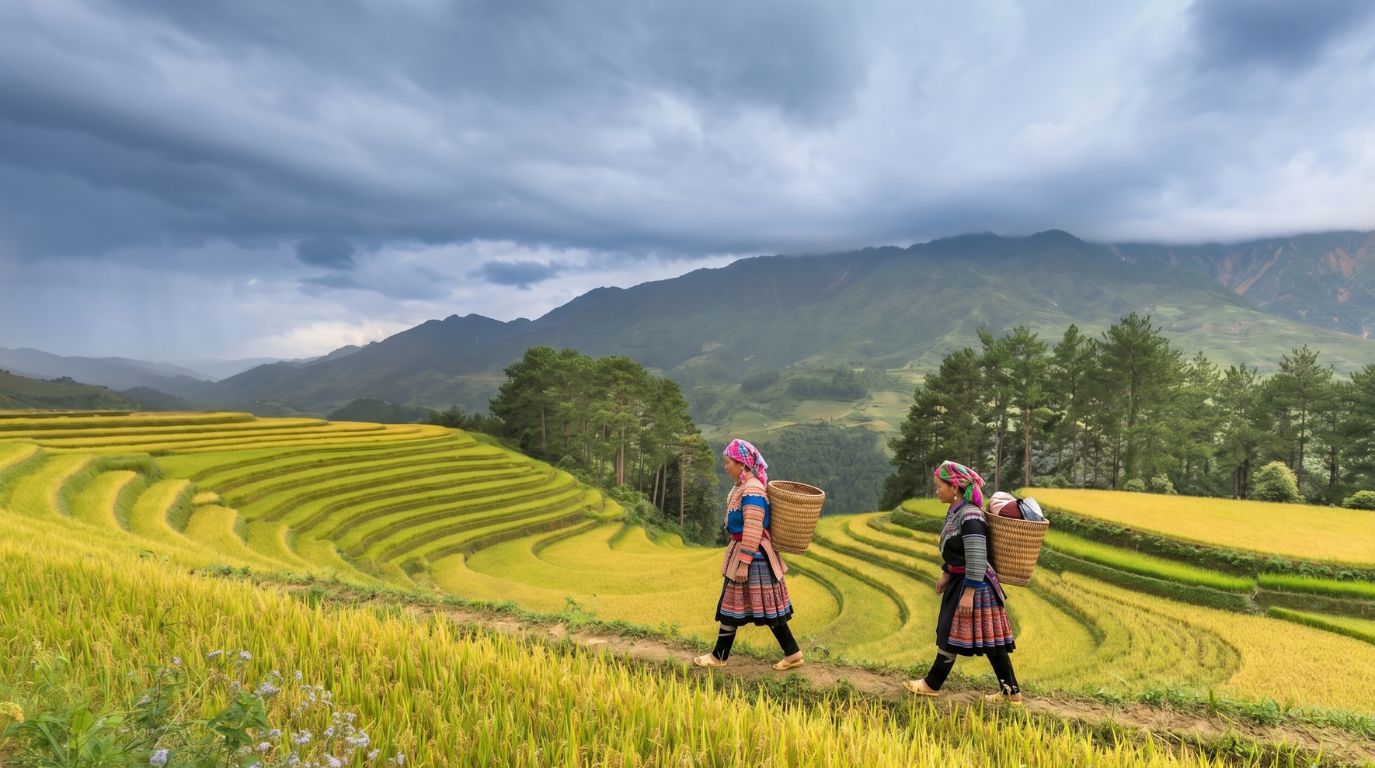
In villages near Lao Chải and Tả Van, you still see women carrying bamboo baskets uphill while local children run beside motorbikes on muddy roads. That experience feels more personal than anywhere else in Vietnam.
One local guide named is Mrs Măng told me in March 2026 that trekking routes around the valley became busier after the new road upgrades, especially near the town center.
That honesty matters because not every part of Sa Pa feels peaceful now. Around Sun Plaza and the central square, over tourism is becoming noticeable during weekends, making it hard to find a quiet homestay.
Some travelers expecting a quiet hill tribe town are surprised by traffic and loud karaoke cafés at night. Still, once you leave the center and walk a few kilometers into the mountains, the landscape changes quickly.
That contrast is exactly why many people continue to visit Sapa in 2026. It remains one of the most memorable mountain destinations in the Sapa region of Lao Cai.
How to get to Sapa from Hanoi?
Most travelers start their trip from Hanoi, and there are now several comfortable ways to get to Sapa in 2026 depending on your budget and travel style. The fastest option is the limousine van.
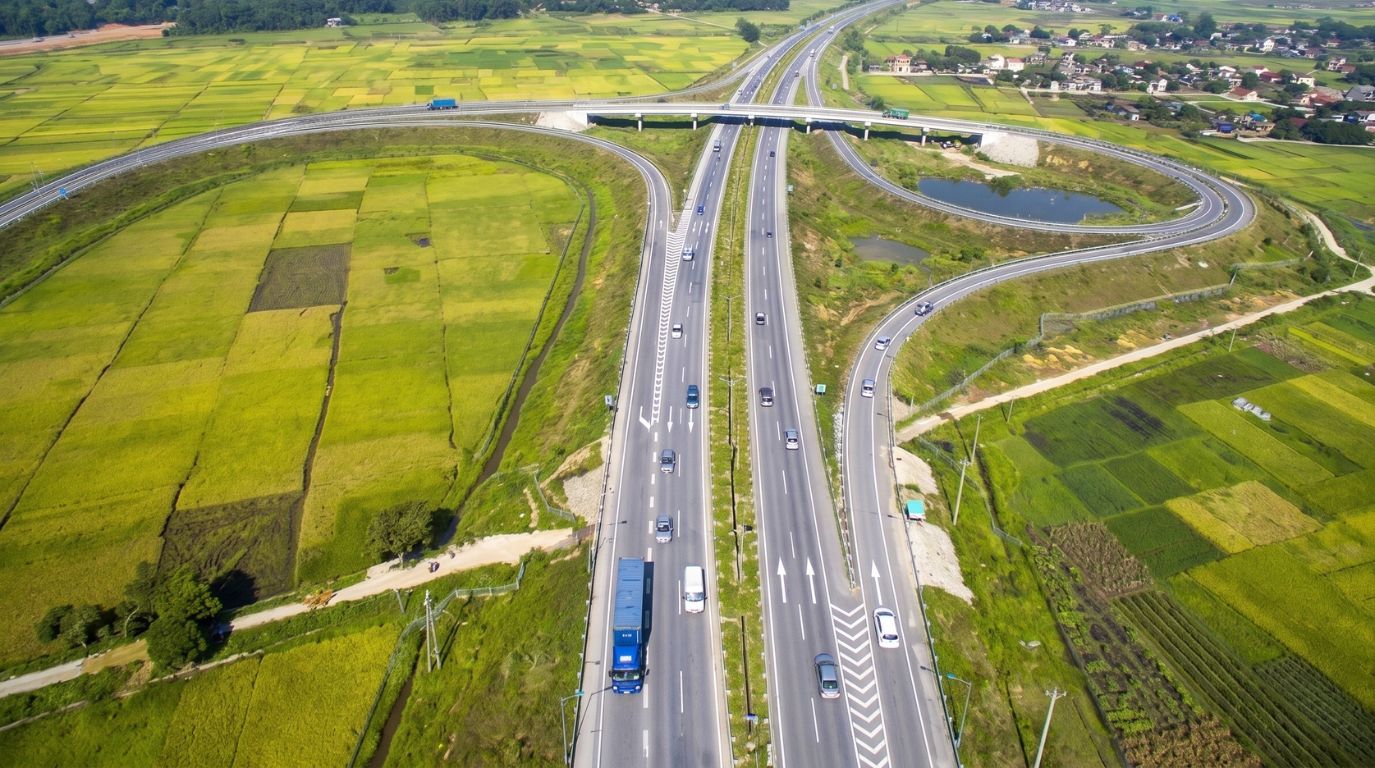
From Hanoi to Sapa, the drive usually takes around 5.5 to 6 hours using the Nội Bài–Lào Cai Expressway. In February 2026, I booked a cabin limousine from Trần Quang Khải Street in the Old Quarter for 420,000 VND, including hotel pickup.
The seats reclined almost flat, Wi-Fi worked surprisingly well, and there were two rest stops along the travel route.
The classic overnight train still appeals to many travelers, especially first-timers who want a slower experience. The train does not actually reach Sapa Town.
It stops at Lao Cai train station, about 35 km from town, which is a common starting point for Sapa travel guide recommendations. From there, you need another shuttle or taxi transfer that takes roughly one hour uphill.
Ticket prices on the train range from 350,000 to over 1,200,000 VND depending on cabin quality. Honestly, the train sounds romantic online, but sleep quality can be rough because the tracks shake quite hard after midnight, making it difficult to enjoy a herbal bath upon arrival.
For convenience, the direct bus remains the most practical way to reach Sapa and its popular homestays. Many companies now operate a route to get to Sapa from Hanoi airport without returning to the city center first.
Prices in 2026 range between 280,000 and 500,000 VND. If you prefer flexibility, renting a private car or motorbike is another option, especially for photographers planning to stop along Lao Cai province (Vietnamese: tỉnh Lào Cai) mountain roads.
Still, heavy fog near the final curves into town can become dangerous after dark, especially during the rainy season.
Best time to visit Sapa and weather by season
The best time to visit Sapa depends on what you want to see. If your goal is green rice terraces and clear trekking conditions, late April to early June is usually the most comfortable season in Sapa.
During my trip in May 2026, daytime temperatures stayed around 20–24°C, and the rice fields around the valley were starting to fill with water before planting season. Early mornings felt cool enough for a light jacket, especially near higher mountain roads.
September is another popular period because the terraced rice turns bright yellow before harvest season. Around Mường Hoa Valley, photographers gather along the hills before sunrise, especially between the local villages.
This is when Sapa looks most colorful, but hotel prices also rise quickly on weekends. One honest thing many travel sites ignore is how crowded some popular viewpoints become during harvest season. A few paths near the main road now feel more commercial than peaceful.
From June to August, heavy rain can affect trekking routes. Mud becomes slippery around bamboo forests and smaller village trails.
I remember slipping near a narrow bridge outside the village in July 2025 after a sudden afternoon storm. Local guides usually recommend shorter trekking routes during this period, especially for families traveling with children.
Winter in Sapa runs from December to February and can feel surprisingly cold. Temperatures sometimes drop below 5°C at night.
Fog often blocks mountain views around Fansipan and nearby waterfall areas including Silver Waterfall. Still, many travelers enjoy the cool climate because it feels completely different from southern Vietnam. If you want the clearest skies for mountain views, March and October are usually the safest months.
Where to stay in Sapa: hotels, homestays, or village life?
Choosing where to stay in Sapa depends on the kind of trip you want. If you prefer convenience, cafés, and easy access to restaurants, staying near Sapa Town makes the most sense.
Most hotels in Sapa are located around the Stone Church area and the central lake. In January 2026, I stayed two nights near Cầu Mây Street for around 950,000 VND per night while exploring the nearby village.
The room had heating systems, strong WiFi, and mountain views, but the evenings were much louder than expected because karaoke bars around the center often stay open late.
For a quieter experience, many travelers now choose a village homestay. These homestays sit farther inside the valley, usually surrounded by rice terraces and small walking trails.
A local family invited me to dinner during a rainy evening in September 2025, serving grilled pork, mountain vegetables, and homemade rice wine beside a wooden fire. That experience felt more personal than staying in a standard hotel room.
Still, village life comes with trade-offs that travel ads rarely mention. Some homestays have weak heating during winter, and WiFi signals can disappear completely during heavy rain.
Roads into the village also become muddy from June to August, especially after midnight storms. If you plan to trek daily and want quiet mornings, it is worth choosing to stay at a homestay for at least one night.
Prices for homestays in 2026 usually range from 300,000 to 1,200,000 VND depending on comfort level and mountain views. For short trips, many travelers split their stay between one hotel night in town and one local homestay experience.
Trekking through rice terraces and villages around Sapa
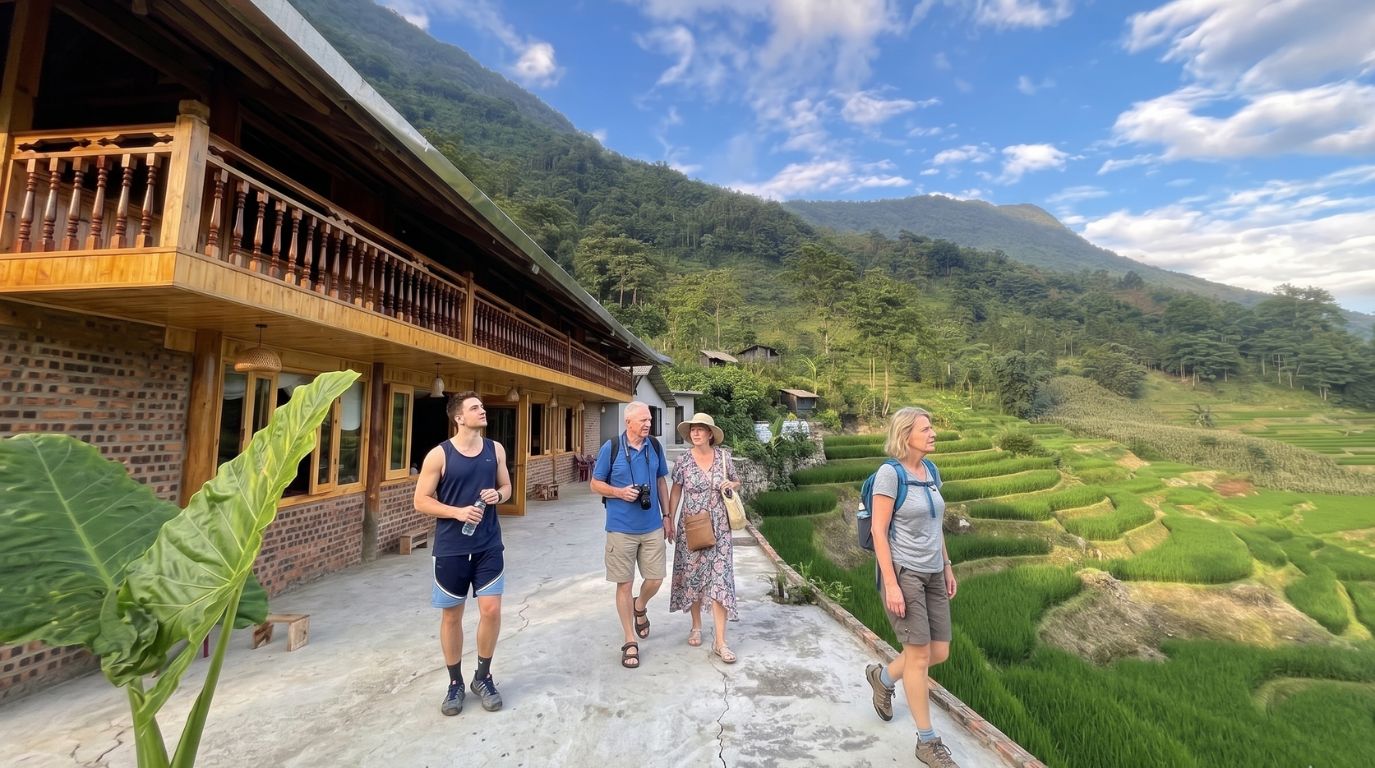
Trekking is still the main reason many travelers come to Sapa. The best routes are not inside town but farther down into the valley, where narrow paths connect villages, rice terraces, and small bamboo bridges.
One of the most popular trekking paths starts from Lao Chải and continues toward Tả Van. The full walk usually takes 4 to 6 hours depending on weather and fitness level.
During October 2025, I started the route at 8 a.m. with light fog covering the hills, and by midday the terraces below turned bright gold under the sun.
The half-day trek from the town center is easier and works well for beginners. You mostly follow downhill roads before entering smaller village paths near the valley.
A full-day trek adds bamboo forests deeper into the hills. Honestly, many travel websites make these walks sound easier than they are.
After heavy rain, the ground becomes extremely slippery. In July 2026, I saw two travelers fall near a muddy rice terrace trail after trying to walk too quickly downhill.
You can trek without a guide on the main routes because Google Maps now covers much of the valley area. Still, hiring a local guide often makes the experience more meaningful.
A H’Mông guide named Vàng Thị Seo explained how families rotate rice planting season by season while we crossed a small bridge. That local knowledge adds something you miss on a self-guided walk.
Prices for a guided tour in 2026 usually range from 350,000 to 900,000 VND depending on distance and meals included. If you plan to trek around Sapa during rainy months, waterproof shoes are honestly more important than expensive hiking gear.
Fansipan mountain and the cable car experience
Standing at 3,143 meters, Fansipan Mountain is known as the highest peak in Vietnam and one of the most famous attractions in northern Vietnam, often featured in travel guides.
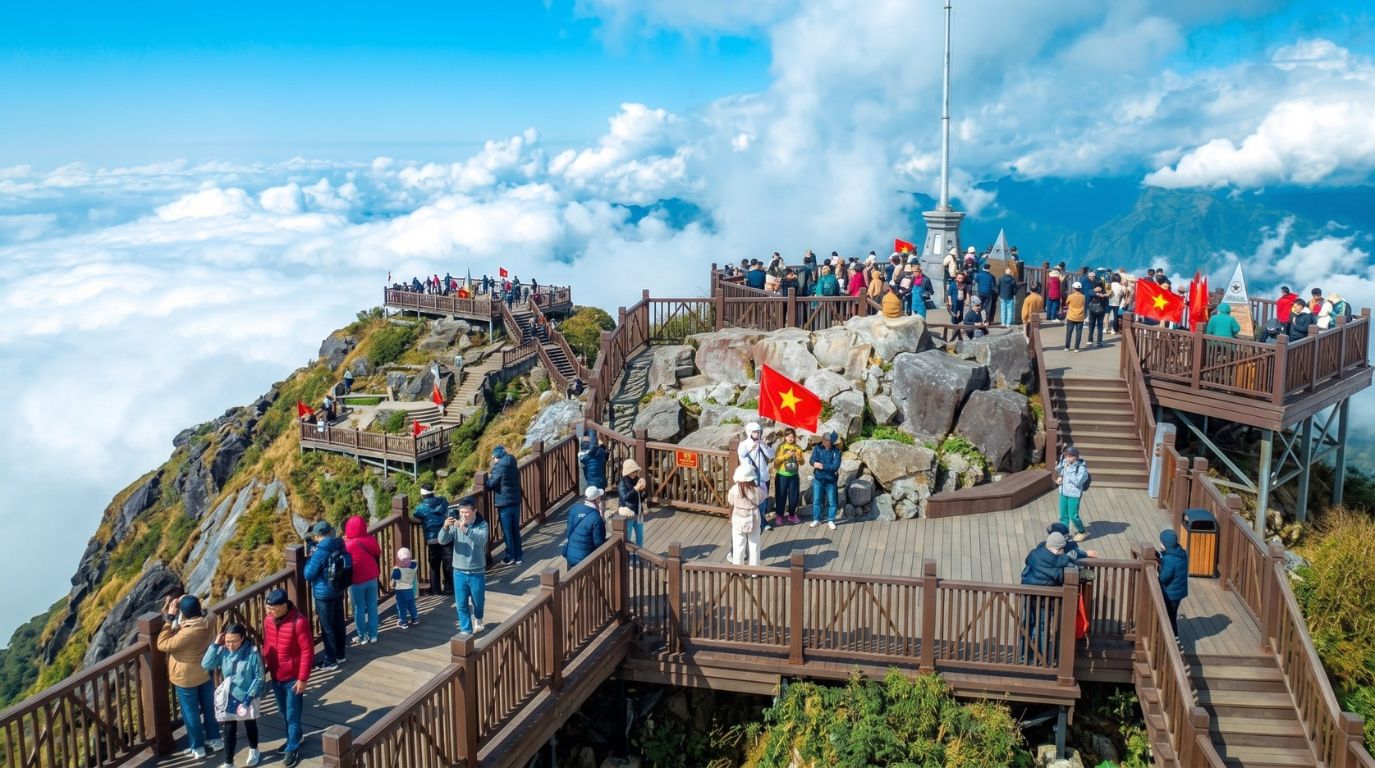
Located inside the Hoàng Liên Sơn mountain range near Sapa, the summit can now be reached either by hiking or by taking the Fansipan cable car, providing stunning views of the region.
Most travelers choose the cable car because the full hiking route usually takes 2 to 3 days with a licensed guide and overnight camping permits.
The cable car starts from Sun World Station near Sapa Town. In March 2026, the round-trip ticket cost around 850,000 VND for adults, not including the mountain train connection from town to Ta Phin (Vietnamese: Tả Phìn).
The cable car ride itself lasts about 15 minutes and passes directly above deep valleys, rice terraces, and mountain forests, showcasing the beauty of the Hoang Lien region. On clear mornings, the views toward the pass are incredible.
Still, weather changes quickly here. During my visit in December 2025, thick fog covered the mountain summit within minutes, and visibility dropped to less than 10 meters near the final staircase.
After reaching the station, travelers still need to climb around 600 stone steps to reach the summit marker. The altitude can feel tiring, especially during cold weather.
Honestly, many people underestimate how physically demanding those final steps become after arriving by cable car. Warm jackets are also important because temperatures near the peak are often 8–10°C colder than Sapa Town.
For experienced hikers, trekking Fansipan Mountain remains a rewarding challenge. But for shorter trips, the cable car is the fastest and most comfortable way to experience the highest peak without spending several days inside the mountain trails.
Cat Cat village, waterfalls, and nearby attractions
Located about 2 km from Sapa Town, Cat Cat Village is one of the easiest places to visit near Sapa without needing a full trekking day. The entrance fee in 2026 is around 150,000 VND per person, and the walk downhill from town takes roughly 30 minutes.
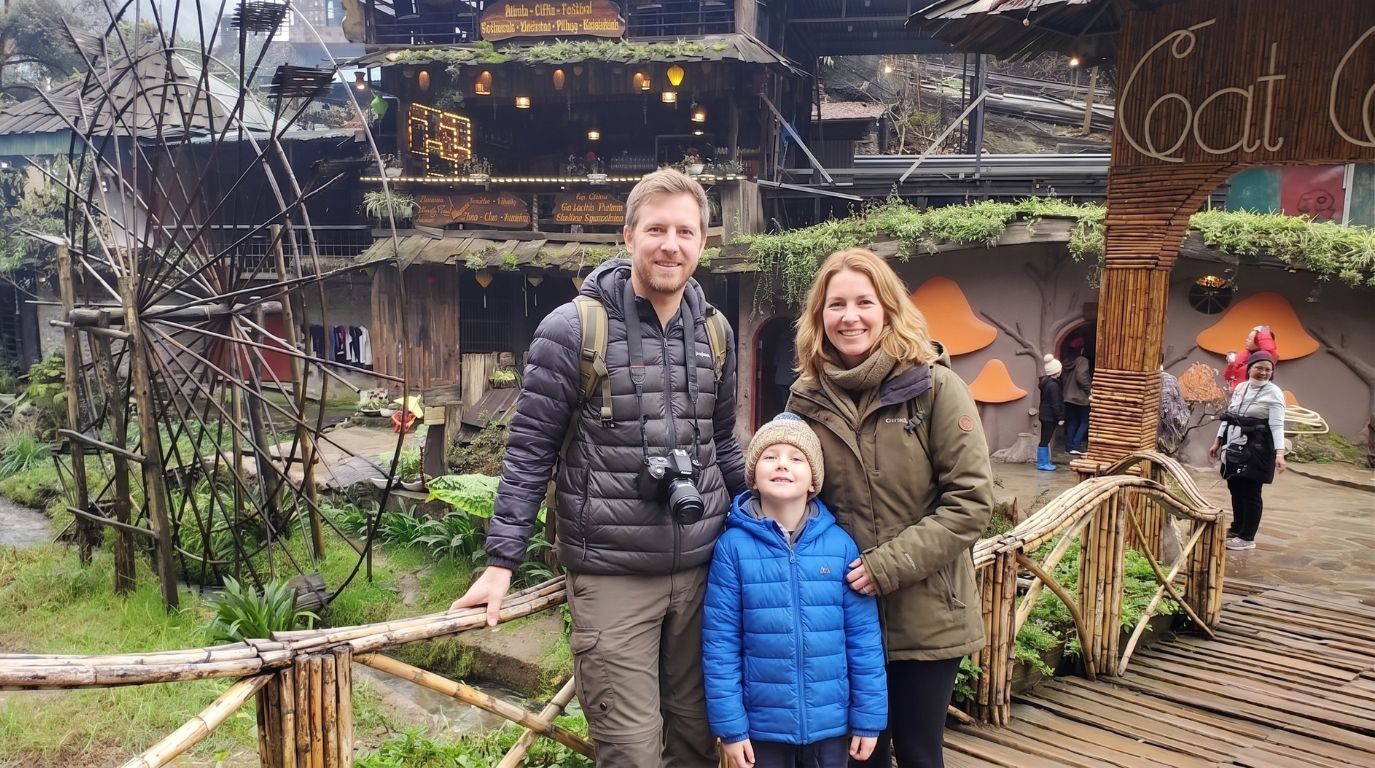
Inside the village, you pass wooden houses, small streams, bamboo bridges, and traditional H’Mông craft shops before reaching the main waterfall area near the old hydroelectric station.
Honestly, Cat Cat Village divides opinion. Some travelers enjoy the convenience and mountain scenery, while others feel parts of it now look overly staged for photos.
During a visit in April 2026, I counted at least six separate photo rental spots offering ethnic clothing beside artificial flower displays. The lower waterfall section still looks beautiful in the early morning, but the atmosphere becomes crowded after 10 a.m., especially on busy weekends.
If you want quieter scenery, many local guides recommend exploring villages farther from the center. For waterfall lovers, Silver Waterfall and Love Waterfall are better natural experiences than the smaller streams inside the village.
The waterfall sits around 12 km from town along the road toward Ô Quy Hồ Pass. The climb involves steep stairs, but the views are impressive after the rain season.
Love Waterfall requires a longer forest walk through bamboo and pine trails inside Hoàng Liên National Park (Vietnamese: Vườn Quốc gia Hoàng Liên). Between the two, Love Waterfall feels more peaceful, while Silver Waterfall is easier to reach by local taxi or motorbike.
Food in Sapa: local dishes, markets, and street eats
Cold weather changes the way food tastes in Sapa. After sunset, the streets around Sapa Market fill with smoke from charcoal grills, and the smell of pork skewers, roasted sweet potatoes, and mountain herbs spreads through the town center.
One rainy evening in November 2025, I stopped at a small roadside stall near Hàm Rồng Street and paid 35,000 VND for grilled salmon skewers served with chili salt and sticky rice. Simple food, but perfect after walking through cold mountain fog all afternoon.
Some of the must-try dishes in Sapa are very different food in Vietnam. Thắng cố, a traditional H’Mông soup made from horse meat and spices, remains one of the most local dishes in the region.
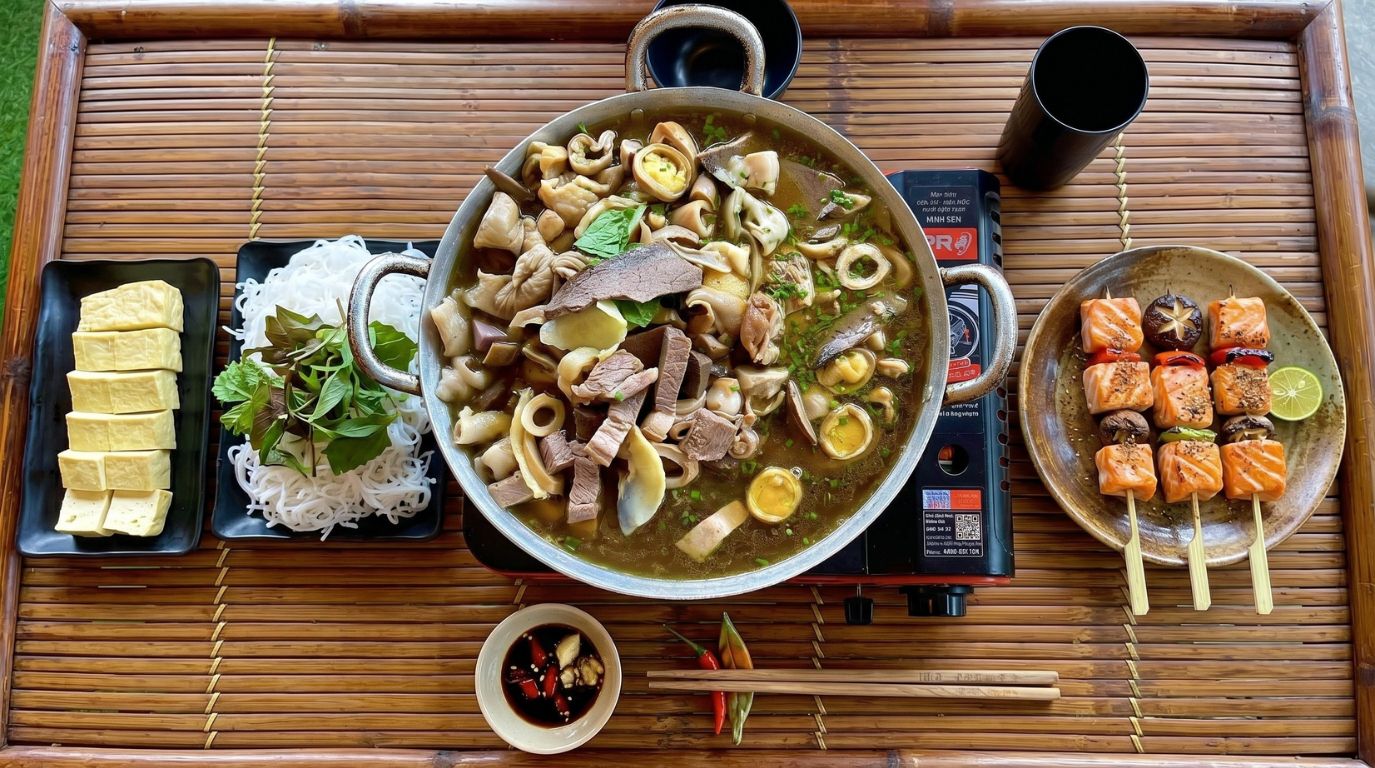
Honestly, not everyone enjoys it because the flavor is strong and slightly bitter. A safer choice for first-time travelers is salmon hotpot, especially during winter when temperatures drop below 10°C at night.
Many Vietnamese families also order grilled pork, bamboo sticky rice, and mountain vegetables cooked over charcoal.
Around the evening market area, food stalls stay busy until late, especially on weekends, attracting both locals and tourists exploring the stone church nearby.
You also find small souvenir shops selling dried buffalo meat, herbal tea, and local spices beside the restaurants. During a short food tour in March 2026, one local cook explained that mountain salmon farming expanded quickly around Sapa after tourism increased in Lao Cai Province.
If you want a quieter meal away from the crowds, several smaller Sapa restaurant spots near Violet Street and Tả Van Road offer a more relaxed atmosphere than the central market area.
Still, the busy energy around the market remains one of the most memorable nighttime experiences in northern Vietnam (Vietnamese: Miền Bắc Việt Nam).
Red Dao herbal baths, spas, and local wellness experiences
After several hours of trekking in cold mountain weather, a traditional herbal bath is one of the most relaxing experiences in Sapa. This wellness practice comes from the Red Dao community, especially around Tả Phìn village about 12 km from Sapa Town.
Local families collect forest herbs, tree bark, and medicinal plants from the mountains before boiling them for several hours in large wooden tubs. The water turns deep reddish-brown and carries a strong herbal smell that stays on your skin long after the bath ends.
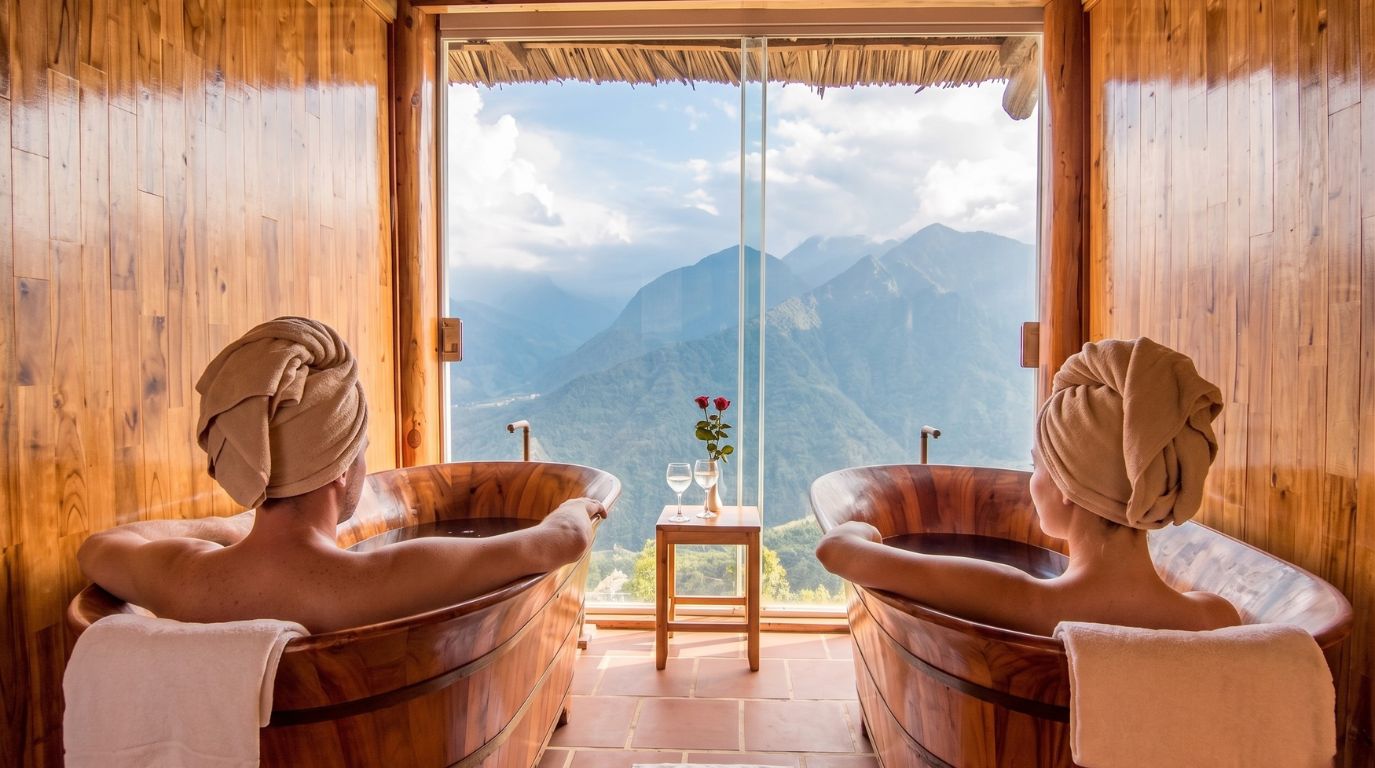
In August 2025, I tried a herbal bath at a small family-run house in the village after a muddy trek through the valley. The experience felt much more authentic than the modern hotel spas near Sun Plaza.
Steam filled the wooden room, rain hit the roof outside, and the warm water immediately helped with sore legs after walking downhill all day. One local woman explained that some families still prepare herbal mixtures differently depending on weather and muscle pain.
Prices for a traditional herbal bath in 2026 usually range from 120,000 to 350,000 VND per person depending on location and privacy level. Hotel spa treatment packages inside larger resorts can cost over 900,000 VND with massage services included, especially in popular areas.
Honestly, luxury spas offer better facilities and heating, but the atmosphere often feels less personal than the smaller herbal bath houses in the villages.
For travelers wanting a slower evening after trekking, this remains one of the most memorable cultural experiences in northern Vietnam.
Suggested 2-day and 3-day Sapa itinerary
Planning a trip to Sapa becomes much easier when you find a local guide to help you navigate the area. Mountain weather changes fast here, and long travel times from Hanoi can make travelers more tired than expected.
A slower itinerary usually works better than rushing between attractions.
For a short 2-day itinerary, most travelers leave Hanoi on an overnight sleeper bus or train and arrive in Sapa early in the morning. On the first day, spend time around Sapa Town, visit the church, explore the market area, and enjoy local food before taking a short trek toward the village.
In March 2026, I reached Cat Cat around 8 a.m. before the larger crowds arrived, and the valley felt much quieter than during the afternoon. In the evening, grilled pork skewers and hotpot dinners near the central market make a good first dinner after the long mountain drive.
The second day works best for either Fansipan or a full trekking route around Sapa. If weather conditions are clear, taking the cable car to Fansipan early in the morning usually avoids heavy fog later in the afternoon.
Travelers who prefer village life often skip Fansipan and instead book a guided tour through the valley. Honestly, trying to combine both in one day usually feels rushed because transport and walking times add up quickly.
A 3-day itinerary gives you a much better balance. Day one can focus on arrival and Sapa Town, day two on trekking through Mường Hoa Valley, and day three on Fansipan or nearby waterfalls before returning to Hanoi.
This slower pace allows more time for local cafés, village homestays, and weather delays that often happen in the mountains. For many travelers, the best things to do in Sapa are not single attractions but the quieter moments between destinations.
