Vietnam Road Sign you need to memorize well in 2026 to stay safe on the road and avoid breaking the law. Vietnam’s traffic signs are made to meet international standards.
So, everyone needs to know the basics to assist make traffic safer and more organized. Vietnam Road Signs are very important for keeping traffic flowing smoothly, which cuts down on congestion and accidents. Here are some road signs from Vietnam that you should remember.
I. Four main types of Vietnam road signs
Vietnamese traffic signs are classified into four main groups under current rules:
- Some examples of prohibition signs are “No stopping,” “No entering,” “No non-motorized vehicles,” “No pedestrians”, “No right turn”…
- Construction sites, thin bridges, rockfalls, underpasses, crossroads with priority routes, and so on are all examples of hazardous warning signs.
- Mandatory traffic signs include pedestrian crossings, horns, and roads with overpasses.
- Signage categories include U-turn area, hospital, parking area, dead-end roadway, priority road, etc.
- There are also extra signs, like those that show turns, priority roads, train crossings, as well as horizontal and vertical road markings.
II. Detailed information about Vietnam traffic signs to remember
1. Prohibition signs
All prohibition signs have a red border on a white background. The black graphic on the background shows what is not allowed or limited for vehicles like bicycles, motorized vehicles, pedestrians, and so on.
A prohibition sign may work on all lanes or only one (or a few) lanes going in the same direction. Vertical lines on the road surface show where the lanes are. If the prohibition sign only allows traffic in one (or a few) lanes, it must be respected.
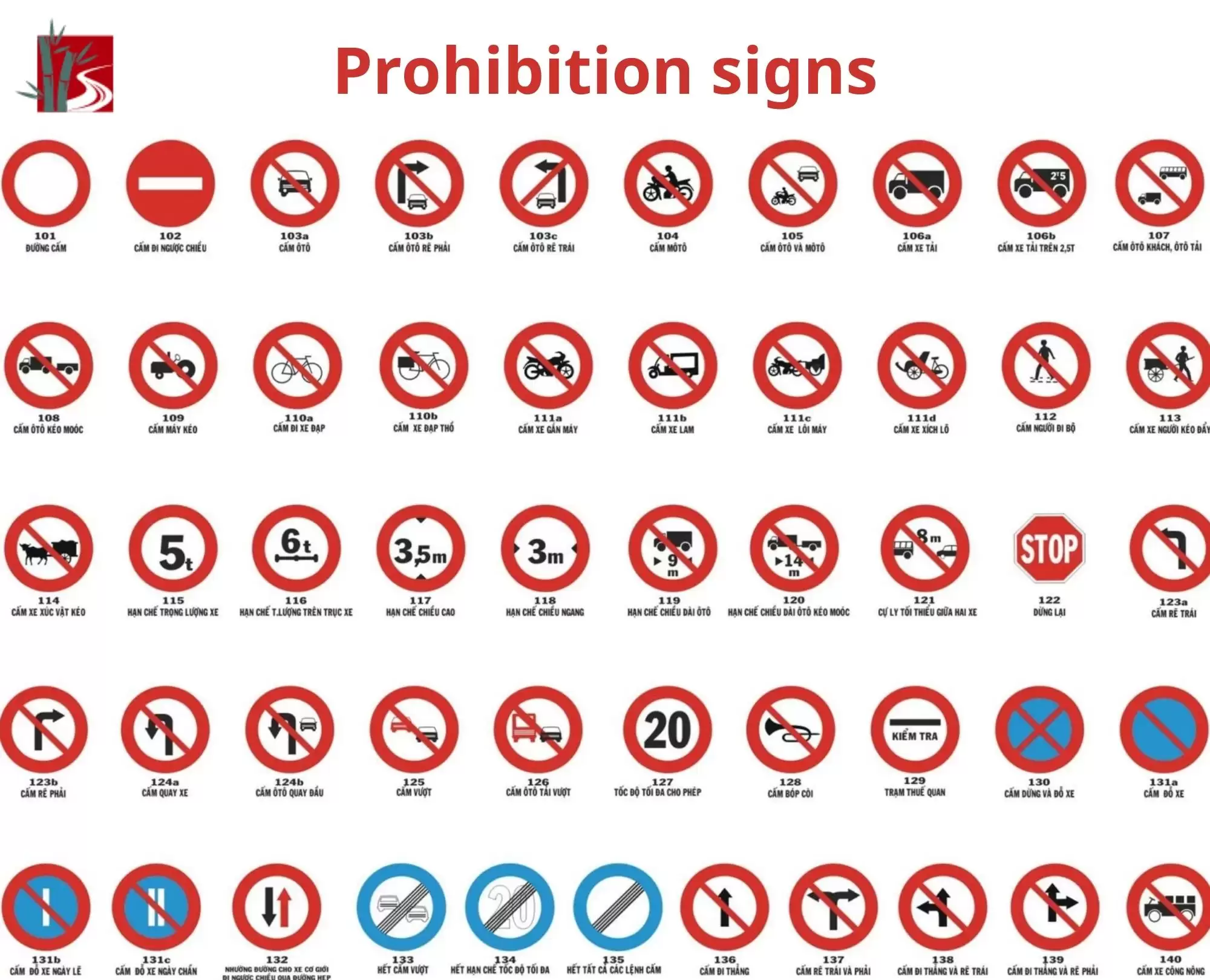
A second sign (number 504) must be posted below it. People who use the road must follow the rules that the signs say. There are 39 different kinds of prohibition signs, which are numbered from 101 to 140.
2. Danger signs
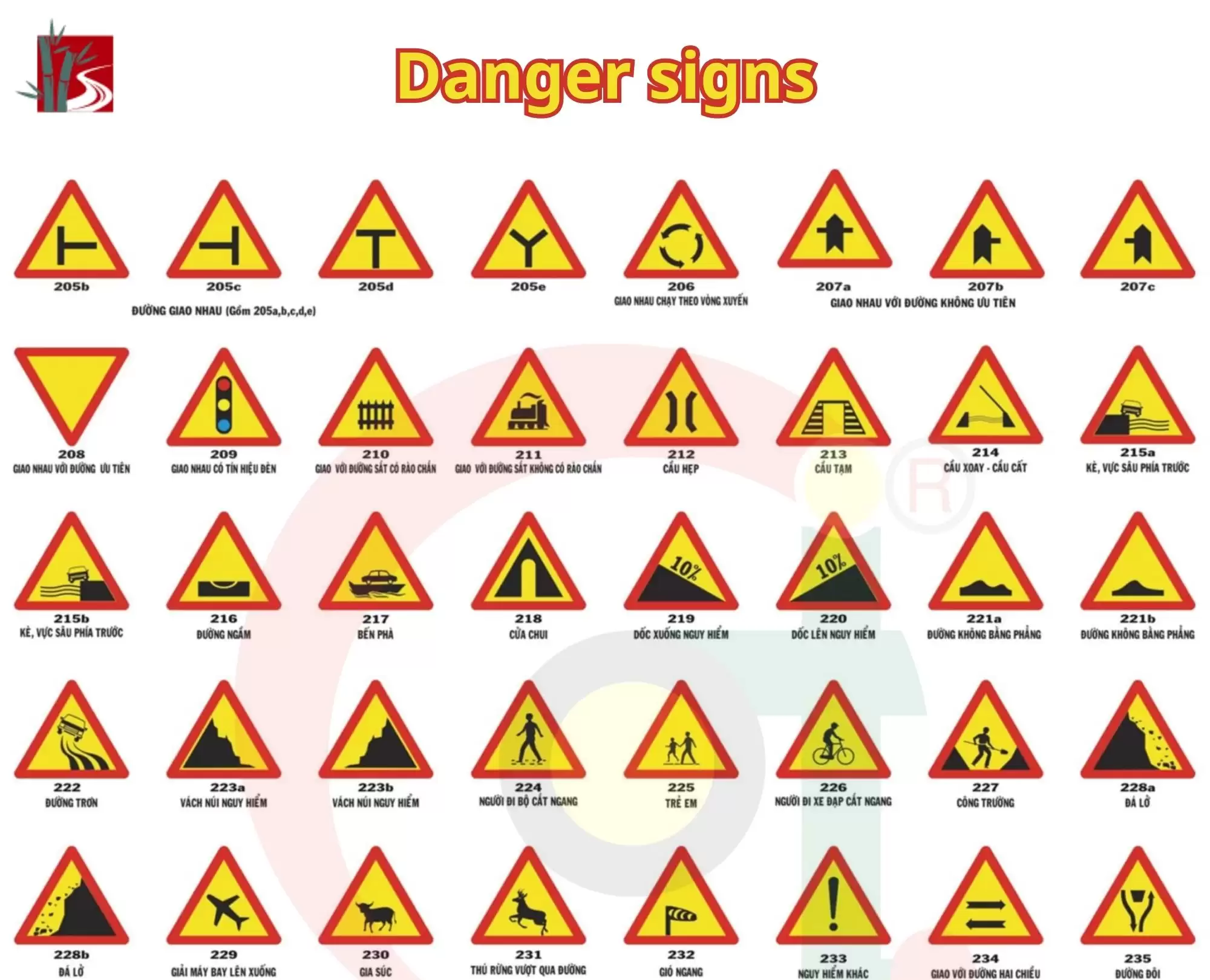
The sign is in the shape of an equilateral triangle with a yellow background and a red border. The black illustrations on the sign are meant to help people on the road realize when things are unsafe so they can take measures or deal with them in the right way. There are 47 different kinds of hazard signs, listed from 201 to 247.
3. Regulatory signs
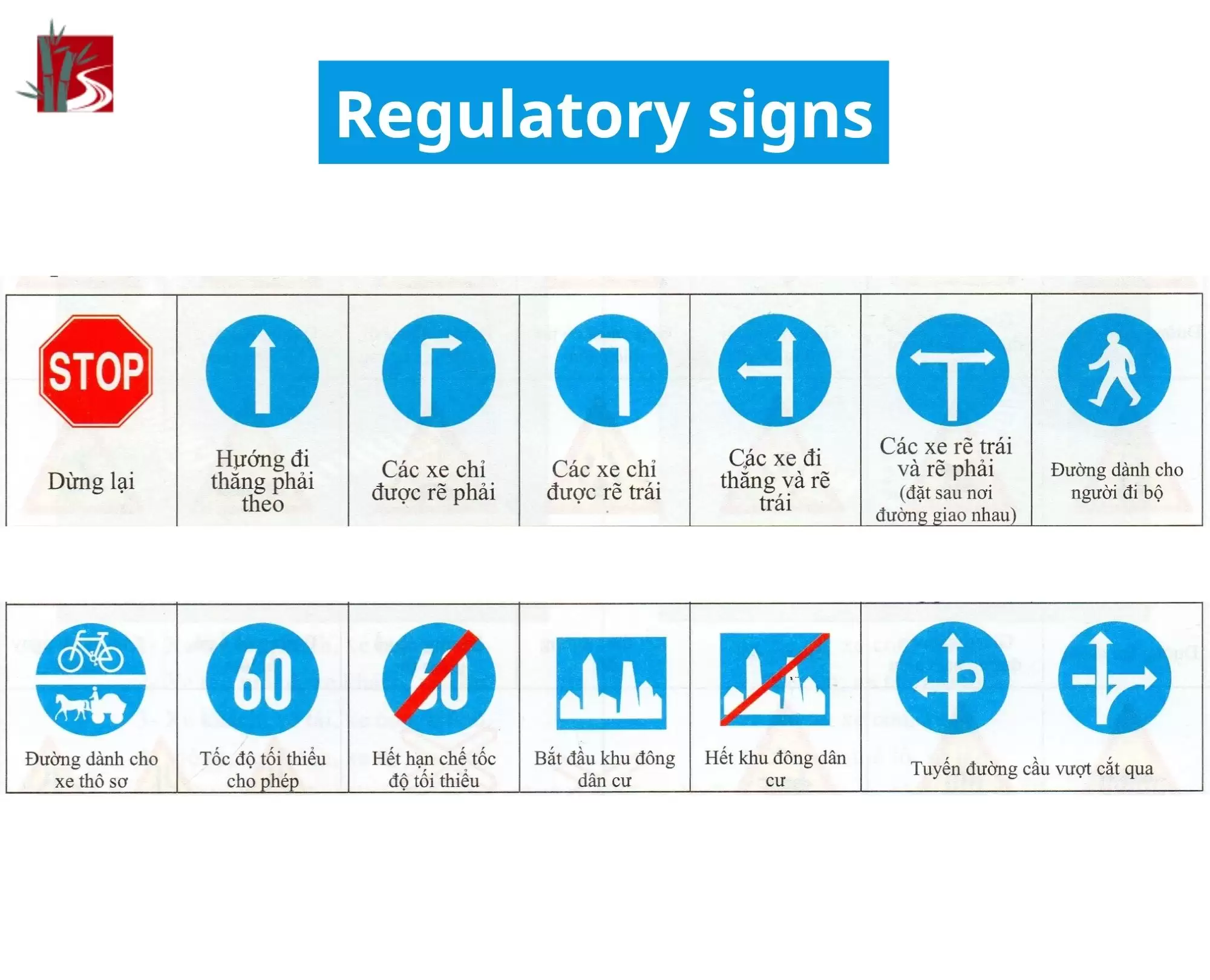
Traffic signs that are required by law are spherical and have white designs on a blue background. These signs tell people who are driving what to do, like turn right, travel straight, or go faster than the speed limit. There are 10 different kinds of regulation traffic signs, which are numbered from 301 to 309.
Read More:Get The Best Vietnam SIM Card For Tourists In 2026
4. Directional signs
Most of the time, directional signs are rectangular or square with white pictures on a blue background. These signs show people where to go or give them crucial information that helps them comprehend their surroundings or other useful information.
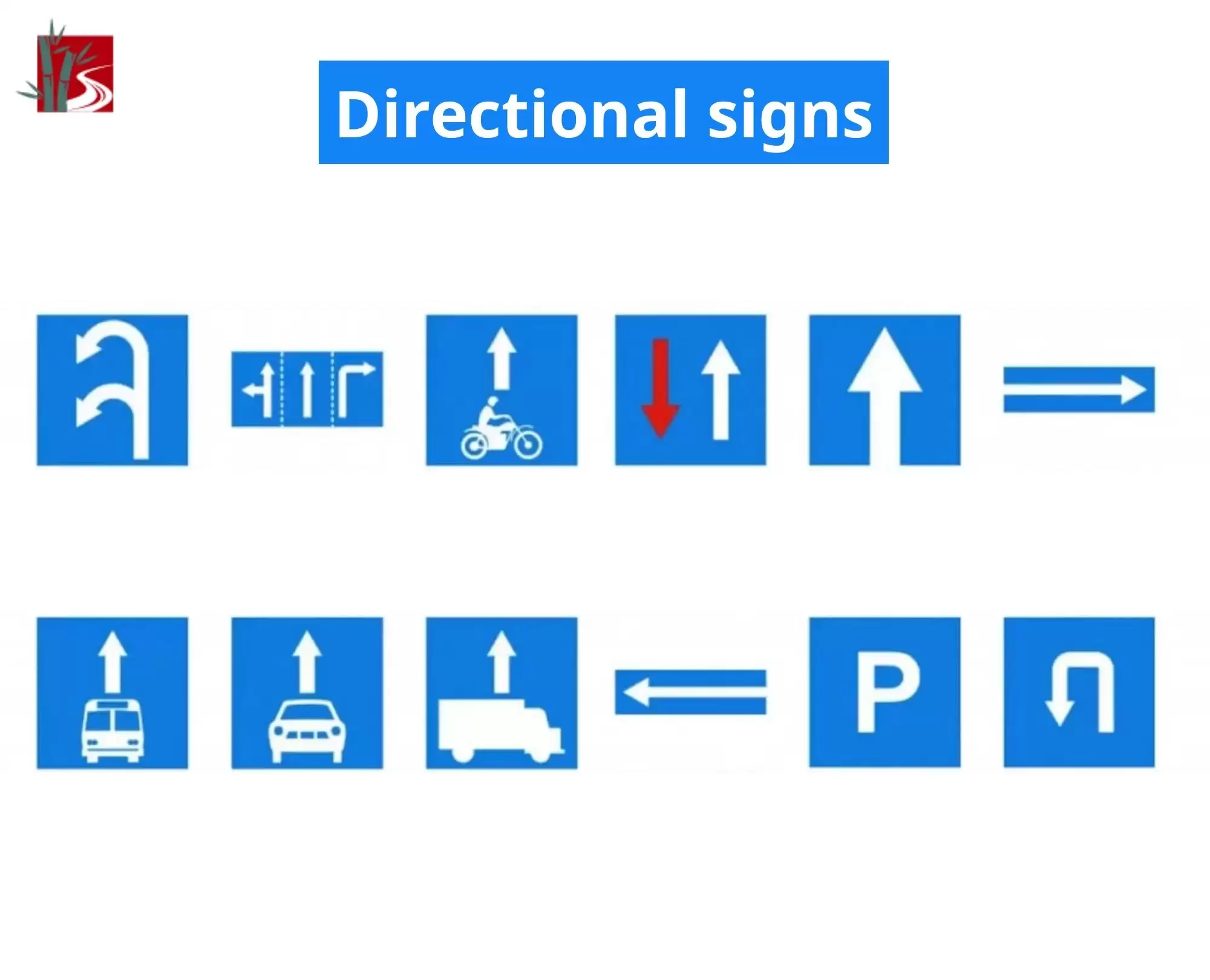
Traffic signs also help keep traffic safe and on the right path. There are 48 different kinds of signs in this group right now, numbered from 401 to 448.
5. Supplementary signs
Signs that are extra are either rectangular or square, with a white backdrop, black graphic, and black border. This kind of sign is frequently put underneath the primary signs to add to and clarify their meaning.
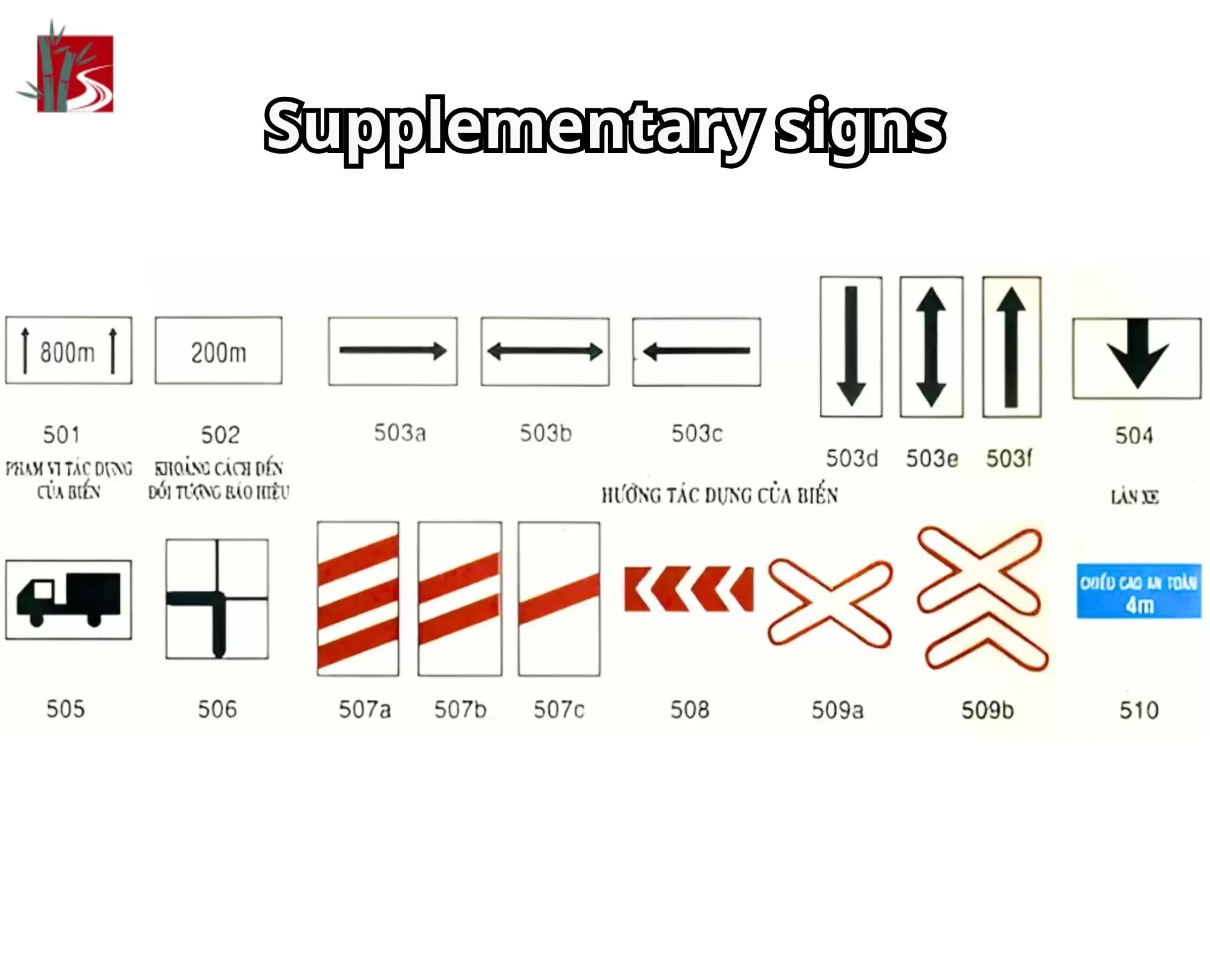
When there are groupings of warning, restriction, required, or directional signs, road users will usually notice more signs next to them. There are 10 different kinds of extra signs, numbered from 501 to 510.
6. Road markings
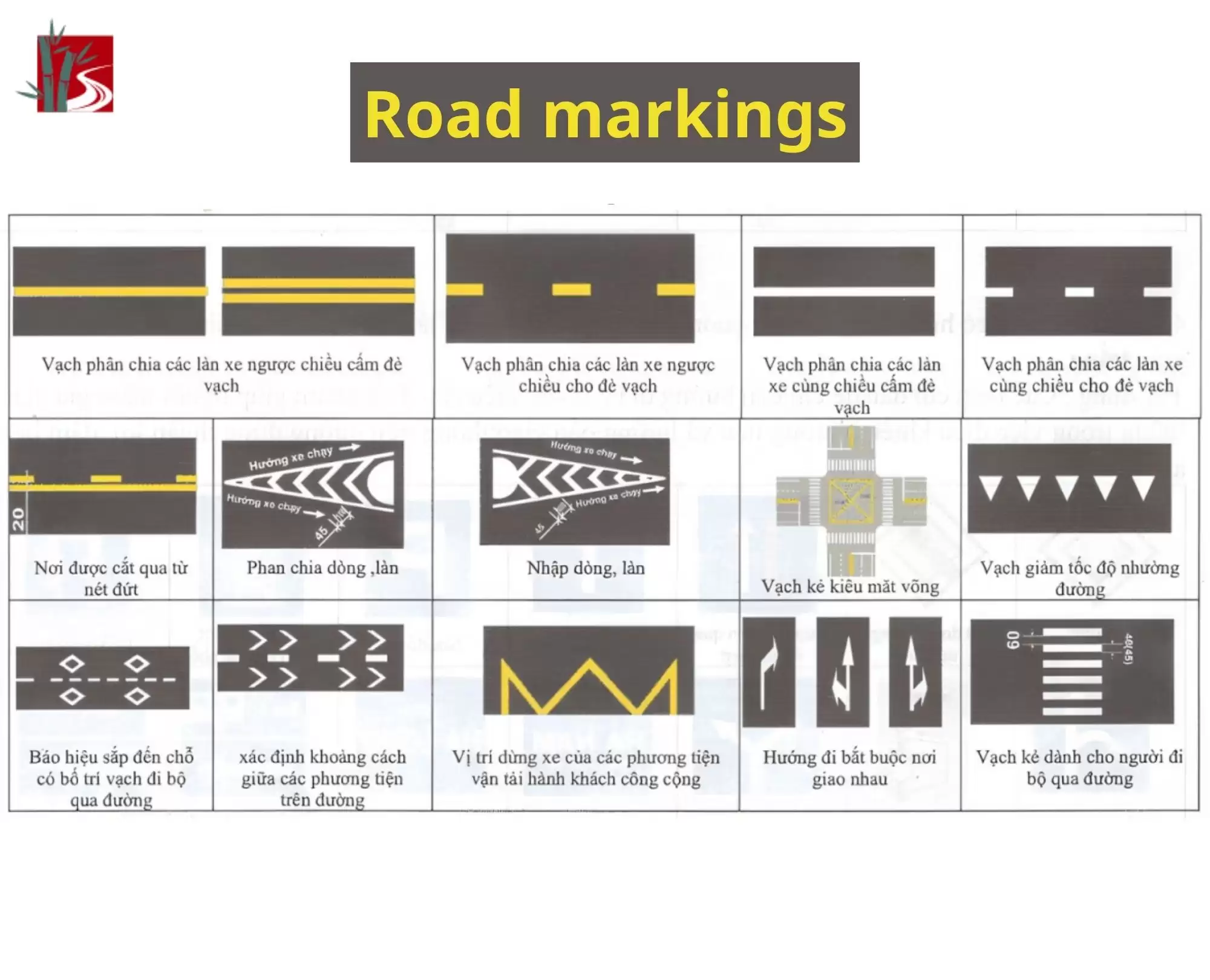
Road markings are also a kind of traffic sign that helps direct and manage traffic on the road. There are two kinds of road markings: vertical and horizontal. You can use them on their own or alongside road signs or traffic signals. If there are both road signs and road markings in an area, drivers should follow the road signs first.
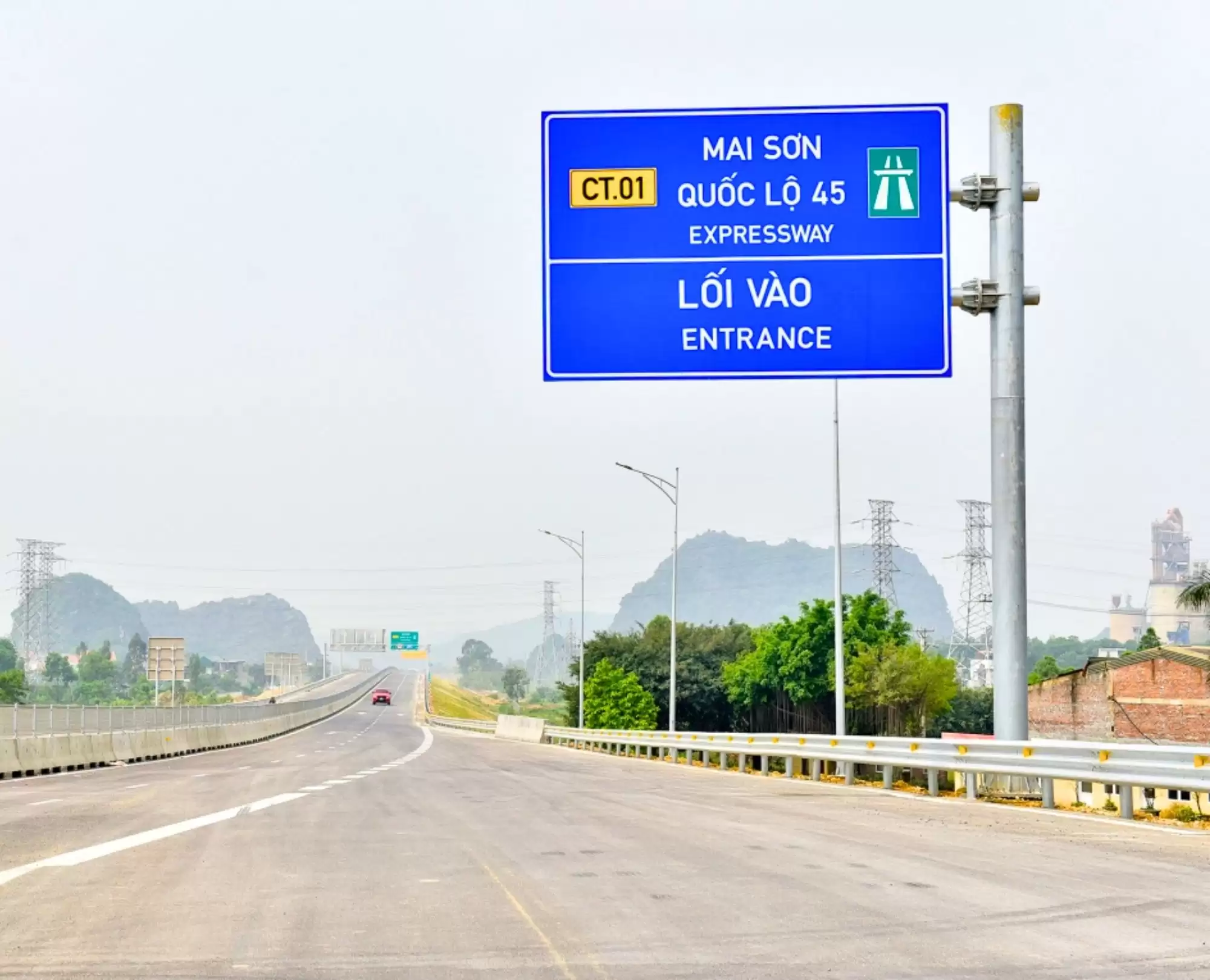
7. Highway signs
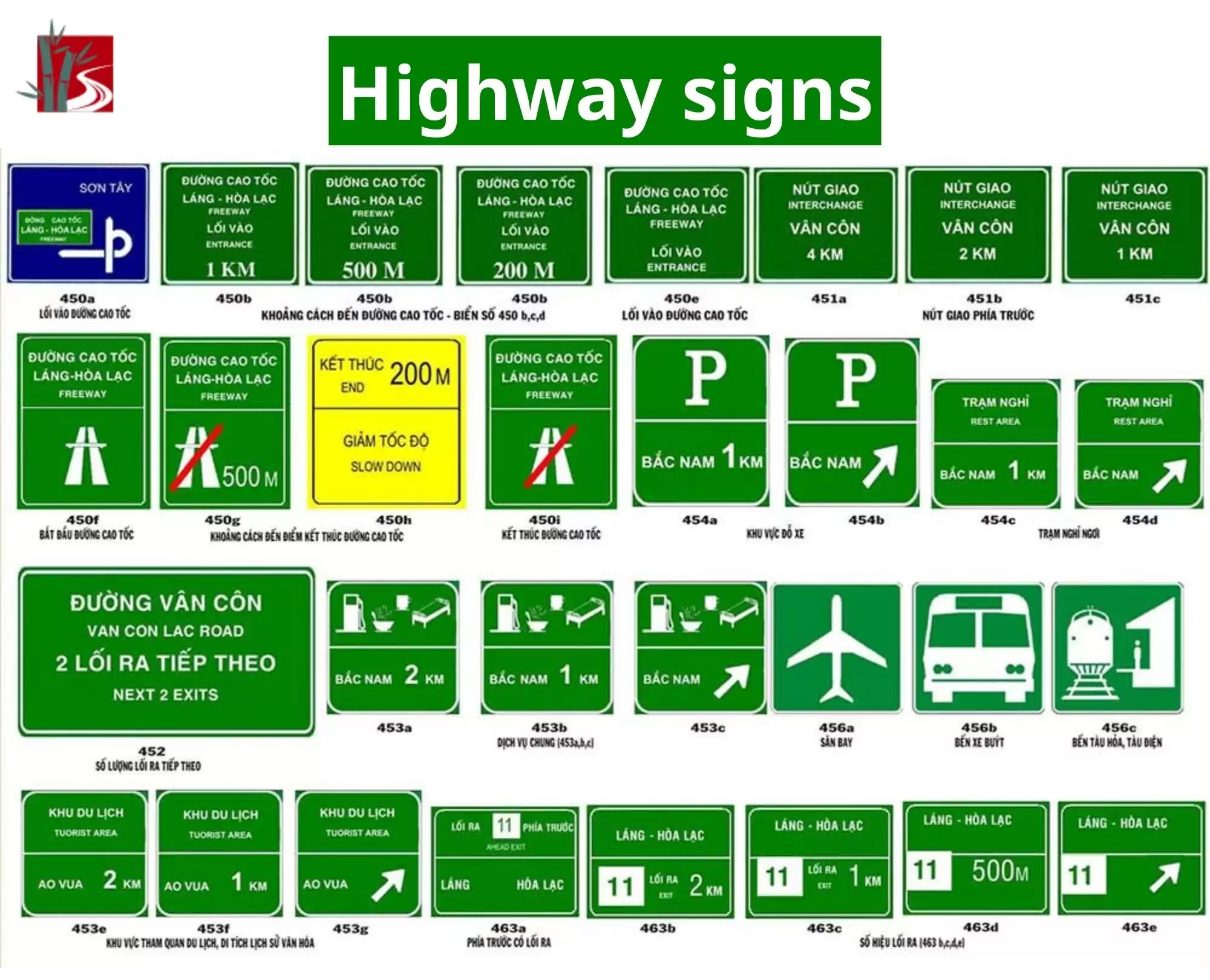
Highways are different from conventional roads because they are only for fast-moving motor vehicles, don’t cross other roads, and have separate lanes for each direction. Because of this, they will have a specialized set of traffic signs.
8. Signage according to the GMS agreement
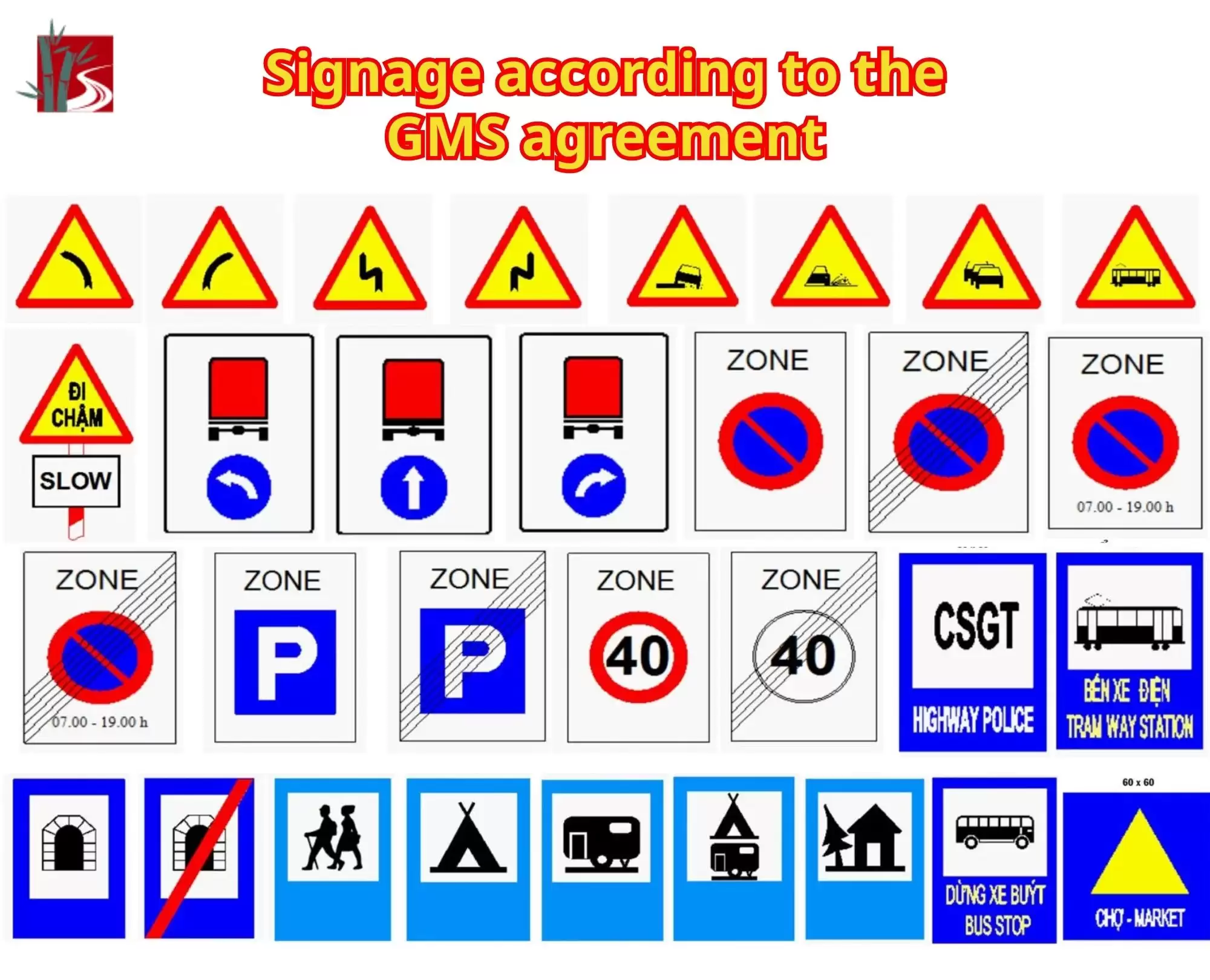
The signage under the GMS agreement is based on the GMS-CBTA agreement. This agreement was signed to create a transnational transport system for the countries of the Greater Mekong Subregion (Vietnam, Laos, Cambodia, Thailand, Myanmar, and China). This type of sign is commonly used on international routes.
In conclusion, mastering every Vietnam Road Sign is essential for any modern driver in 2026. From the equilateral triangles of danger signs to the blue circles of regulatory signs, each symbol plays a vital role in road management. Always prioritize official signage over road markings when both are present to stay safe and avoid unnecessary penalties.